Last updated: 2026-10-10
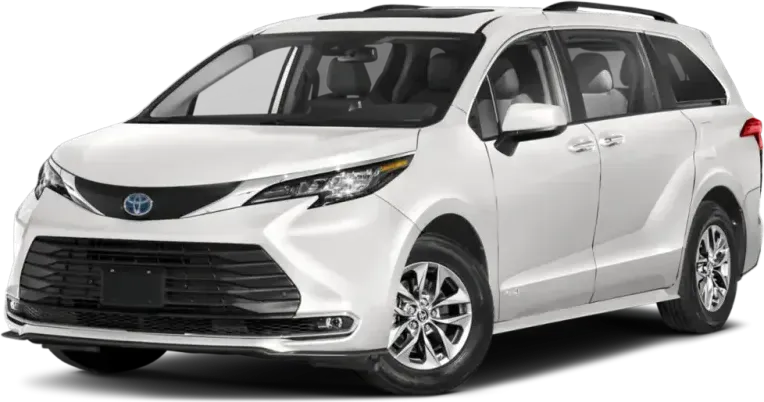
2019 Toyota Sienna Reliability Report
The 2019 Toyota Sienna has good reliability, but fuel pump recall delays and sudden lurching at low speeds are its main complaints.
Recalls
7
Complaints
41
Complaint Rate
5.6per 10,000 sold
Est. Repair Cost
$554
Annual Fuel Cost
$2,700–$3,000
Detailed Score Breakdown
Component-weighted complaints normalized by sales volume
Independent repair cost ratings
Recall count weighted by severity
Breadth of reported problem categories
The Verdict
Rated good, but near the bottom of Sienna years, with fuel pump recall delays, low-speed lurching, and sliding doors that failed to reverse.
Top Issues to Watch
- FUEL SYSTEM (6)
- STRUCTURE (5)
- POWER TRAIN (5)
Generation & Refresh (US)
2019 is 1 year after the facelift refresh.
- Year 9 in the Third generation (XL30; 2010) (2011–2020).
- Well-established in its generation — most early issues should be resolved.
- 3rd generation Sienna (US).
What this means for buyers
Post-refresh years tend to be among the most refined — updates have been applied and early kinks worked out.
2011: Third generation (XL30; 2010) Launch
Generation start — new platform.
2018: Mid-Cycle Refresh
Updated features and styling tweaks.
2019: This Model Year
2019 is 1 year after the facelift refresh.
Should You Buy the 2019 Toyota Sienna?
Rated good and above average among 2019 minivans, this Sienna still sits among the weaker of the nine scored Sienna years. Owners filed 41 complaints, fewer than the 66 on the 2018 but more than the 32 on the 2020. Federal crash testing gave it 5 of 5 stars, and independent repair-cost data puts yearly repairs below the class average.
Fuel system trouble leads the list. Owners were told the recall fuel pump was not in stock, and some vans sat unused for months. Others feel hesitation and a sudden lurch at 5 to 25 mph, and several say a new pump did not stop it. Some vans lose drive in traffic while the engine keeps running. Power sliding doors have closed on a child's hand and an adult's foot instead of reversing.
Ask for proof that every recall repair was finished, and test drive at low speeds for hesitation. The 2020 is worth a look, with fewer complaints and 2 recalls instead of 7.
Compared to the 2020 Toyota Sienna, which scored 2 points higher. See also the 2018 Toyota Sienna for an earlier comparison.
Pros
- +Acceptable reliability score
- +$93 cheaper to maintain than avg minivans
- +Low major repair risk (15%)
- +Below-average complaint rate for Minivan
Cons
- −Above-average recall count
- −FUEL SYSTEM: Most complaints here are about the fuel pump recall, campaign 20V012000, not... (6 complaints)
- −STRUCTURE: Power sliding doors close on people instead of reversing when something is in... (5 complaints)
Compare 2019 Toyota Sienna With
Common Problem Categories
Safety
LOW RISK- 7 manufacturer recalls issued
Other
HIGH RISK- FUEL SYSTEM (6)
- STRUCTURE (5)
Recall Overview
7
recalls on record
The 2019 Toyota Sienna has 7 recalls on record, which is above average. A high count can flag multiple component concerns, though it also shows the manufacturer is actively addressing known issues.
NHTSA.gov →Complaint Breakdown
5.6
per 10,000 soldSegment avg: 42.9
Safety Incidents
2
Crashes
0
Fires
4
Injuries
0
Deaths
NHTSA 5/5 Stars
Data sourced from NHTSA complaint filings and manufacturer recall notices. Complaint narratives are owner-reported.
2019 Toyota Sienna Recall Details
7 recalls have been issued for the 2019 Toyota Sienna. All recall repairs are performed free of charge at authorized dealerships.
FUEL SYSTEM, GASOLINE
Toyota Motor Engineering & Manufacturing (Toyota) is recalling certain 2018-2019 4Runner, 2019-2020 Avalon, 2019 Corolla Hatchback, 2017-2019 Highlander, 2018-2020 Camry, 2020 Corolla, 2018-2019 Land Cruiser, 2017-2020 Tacoma, 2019-2020 RAV4, 2019-2020 Sequoia, 2017-2020 Sienna, 2019-2020 Tundra, 2018-2020 Lexus ES350, 2017 Lexus GS200t, 2017-2019 Lexus GS350, 2019 Lexus GS300, 2018-2020 Lexus LC500h, 2019-2020 Lexus LS500, 2018-2019 Lexus GX460, 2017 Lexus IS200t, 2019 Lexus IS300, 2019 Lexus IS350, 2018-2020 Lexus LC500, 2018 Lexus LS500, 2019 Lexus LS500h, 2018-2019 Lexus LX570, 2017 Lexus RC200t, 2019 Lexus RC300, RC350, 2017 and 2019-2020 Lexus RX350, 2018-2020 RX350L, 2019 Lexus UX200, 2018-2019 Lexus NX300 vehicles. The low-pressure fuel pump inside the fuel tank may fail.
Consequence
If the fuel pump fails, the engine can stall while driving, increasing the risk of a crash.
Remedy
Toyota will notify owners, and dealers will replace the fuel pump assembly with an improved one, free of charge. Owners of specific models were notified that remedy parts were available starting January 21, 2021. Owners of other models will be notified as remedy parts become available. Remedy parts should be available for all affected vehicles by late March 2021. Owners may contact Toyota customer service at 1-888-270-9371 or Lexus customer service at 1-800-255-3987. Note: This recall is an expansion of recall 20V-012. Toyota's number for this recall is 20TA02. Lexus' number for this recall is 20LA01.
FUEL SYSTEM, GASOLINE
Toyota Motor Engineering & Manufacturing (Toyota) recalled certain 2018-2019 4Runner, Highlander, Camry, Land Cruiser, Sequoia, Sienna, Tacoma and Tundra, and Lexus RC 300, RC 350, GS 350, GX 460, IS 300, LC 500, LS 500, LX 570, RX 350L, and 2019 Toyota Avalon and Corolla, and certain Lexus NX 300, and ES 350 vehicles on January 13, 2020. On March 4, 2020, Toyota expanded the recall to include certain 2014-2015 Toyota 4Runner and Land Cruiser, 2018 Avalon, Corolla, 2014 FJ Cruiser, 2017 Sienna and Lexus 2018 ES 350, 2018-2019 GS 300, 2013-2014 GS350, 2014-2015 GX 460, IS 350 and LX 570, 2014 IS F, 2018-2019 IS 350, LC 500H and LS 500H, 2013-2015 LS 460, 2015 NX 200T and RC350, 2017 RC 200T and RX 350. Toyota also removed the 2018-2019 Toyota 4Runner and Land Cruiser and 2018-2019 Lexus GX 460 and LX 570 and 2019 NX300 from inclusion in this recall. On March 19, 2020, Toyota expanded the recall to include 2015 Lexus GS350 vehicles. The low-pressure fuel pump inside the fuel tank may fail.
Consequence
If the fuel pump fails, the engine can stall while driving, increasing the risk of a crash.
Remedy
Toyota will notify owners, and dealers will replace the fuel pump, free of charge. The recall began May 4, 2020. Owners may contact Toyota customer service at 1-888-270-9371 or Lexus customer service at 1-800-255-3987. Toyota's numbers for this recall are 20TB02 and 20TA02 for Toyota vehicles and 20LB01 and 20LA01 for Lexus vehicles.
STEERING
Braun Corporation (Braun) is recalling certain modified 2017-2020 Toyota Sienna vehicles. The steering shaft extensions may have been improperly manufactured, possibly causing the extensions to fracture.
Consequence
If the steering shaft extension completely fractures, it can cause a loss of steering, increasing the risk of a crash.
Remedy
Braun has notified owners, and dealers will replace the steering shaft extensions, free of charge. The recall began July 25, 2019. Owners may contact Braun customer service at 1-800-488-0359.
Buying a used 2019 Toyota Sienna? Check its history first
Fuel system problems lead owner complaints about the 2019 Toyota Sienna, and 7 recalls were issued for it. A VIN check shows whether this car's recall work was done, plus accident, title, and odometer history.
- Accidents
- Open Recalls
- Title History
- Odometer Rollback
2019 Toyota Sienna NHTSA Safety Ratings
Overall Safety Rating
Crash Test Results by Configuration (expand)
Gas Powertrain
Rollover risk: 14.0%
Safety Technologies
Toyota SiennaRepair Costs & Maintenance
Maintenance Rating
3.5Maintenance rating: 3.5 out of 5Based on NHTSA complaint patterns, recall severity, and publicly available cost benchmarks.
Est. Annual Maintenance
$554
vs $647 avg for minivans
vs $652 avg for all vehicles
Repair Frequency
0.4
unscheduled repair visits per year
Severe Repair Probability
15%
chance of a major repair
Annual Cost Comparison
Category-level averages derived from publicly available industry reports (AAA, CarMD). Model-level estimates produced by Auto Reliability Index.
Toyota Sienna Resale Value
The Toyota Sienna is estimated to retain about 59.6% of its original value after 5 years, based on observed used-car listings.
This benchmark covers the Toyota Sienna model overall and is not specific to the 2019 model year.
- Value Retained
- 59.6%
- Depreciation
- 40.4%
- Listings Analyzed
- 159
after 5 years
over the same period
U.S. used-car listings
Listings observed in . This is a historical market benchmark, not a current price quote.
Explore Toyota Sienna depreciation and resale value on CarResaleValue.comMPG & Annual Running Costs
Gas
20–22 MPG
Running cost: $3,250–$3,550/yr
Fuel + repair
18–19 city / 24–27 hwy MPG
Running cost includes EPA fuel-cost estimate and independent repair-cost data (repair cost estimated at model level). Excludes routine maintenance, depreciation, and insurance. Data as of 2019 EPA label cycle.
Gas trims
| Trim | Drive | Trans. | City | Hwy | Comb | Fuel Cost |
|---|---|---|---|---|---|---|
| Sienna 2WD 3.5L 6-cyl | Front-Wheel Drive | Automatic (S8) | 19 | 27 | 22 | $2,700 |
| Sienna AWD 3.5L 6-cyl | All-Wheel Drive | Automatic (S8) | 18 | 24 | 20 | $3,000 |
Used Buying Checklist
Key things to inspect or verify before purchasing a 2019 Toyota Sienna.
Run the VIN through federal recall records and confirm fuel pump campaign 20V012000 was completed.
Pull away gently from a stop to 25 mph several times and feel for hesitation, lurching, or gear hunting.
Drive at highway speed with the radio off and listen for transmission whine. Ask for any transmission replacement records.
Put a soft object in each power sliding door's path and confirm the door reverses instead of closing on it.
Open the fuel door, check the hinge is attached, then run the driver's side sliding door past it.
After the test drive, smell the cabin and engine bay for fuel odor.
Press the SOS button and check that the overhead microphone works, then check the passenger daytime running light for flickering LEDs.
Look for an aftermarket remote start, then test the liftgate and backup camera and confirm the air bag light stays off.
2019 Toyota Sienna Common Problems by Component
41 owner complaints grouped by vehicle system.
FUEL SYSTEM
6 complaintsMost complaints here are about the fuel pump recall, campaign 20V012000, not about a new failure. Owners got the notice, but dealers said the replacement part was not available yet. Some vans sat unused for months, and promised loaner cars did not show up. A few owners report the actual symptom: the van fails to restart after refueling and then starts with the check engine light on. Owners with wheelchair-converted vans also describe long waits.
STRUCTURE
5 complaintsPower sliding doors close on people instead of reversing when something is in the way. Reports include a child's hand and an adult's foot caught in the door, and one child needed hospital treatment at about 50,000 miles. Other complaints cover hood paint that peels and cracks about 2 years after purchase, a fuel door hinge that breaks loose and can block the sliding door, and a popping noise from both front door hinges.
POWER TRAIN
5 complaintsHesitation and gear hunting come up most. Owners describe lag when pressing the accelerator and lunging between gears, sometimes worse with the air conditioning on, and the problem continues after the fuel pump recall repair. Some vans suddenly lose drive in traffic while the engine keeps running. Check engine and traction control warnings come on, and afterward the van will only use low gears. Other owners report loud transmission whine and replaced transmissions. One whine began at 138k miles, and Toyota said that VIN was outside the recall.
UNKNOWN OR OTHER (5 complaints)
UNKNOWN OR OTHER
5 complaintsThe driver's side power sliding door reverses on opening, then closes hard without sensing what is in its path. It trapped family members and caused one injury. The dealer blamed binding electrical cables inside the door. Another report says the frontal collision warning never alerts, even at its highest sensitivity setting, and the dealer found nothing wrong. The rest are vague catalyst and recall notes plus one filing that has nothing to do with the van.
FUEL/PROPULSION SYSTEM (5 complaints)
FUEL/PROPULSION SYSTEM
5 complaintsHesitation followed by a sudden lurch is the main complaint. It happens mostly at parking-lot speeds of 5 to 25 mph, and also when the van downshifts between 30 and 50 mph. Passengers get thrown back into their seats. Several owners say a new recall fuel pump did not fix it. Other reports cover long recall waits and a dealer turning away a wheelchair-converted van. A separate complaint describes fuel vapors in the cabin and engine bay that the dealer could not trace, which raised fire concerns.
ELECTRICAL SYSTEM (3 complaints)
ELECTRICAL SYSTEM
3 complaintsReports here vary. The microphone tied to the SOS call button stops working, so an emergency call may not connect. One dealer quoted $200 just to diagnose it. Another van lost its power liftgate, backup camera, and several safety features, showed the air bag light, and gave off a burning smell. The dealer blamed an aftermarket remote start. One owner reports mild electrical shocks from the steering wheel and seatbelt that got worse over several weeks.
AIR BAGS (2 complaints)
AIR BAGS
2 complaintsSafety-relatedTwo opposite failures are reported. In one, a side impact at about 30 mph crushed the rear sliding door, and neither the side air bags nor the curtain air bags went off. In the other, every front and side air bag fired at low speed with no impact. Glass shattered, smoke filled the cabin, and the driver was hurt. Both reports involve children in the van.
VEHICLE SPEED CONTROL (2 complaints)
VEHICLE SPEED CONTROL
2 complaintsSafety-relatedUnintended acceleration in reverse is the pattern here. Drivers say the van sped backward even with the brake pedal pressed. One van hit an occupied car, and the driver was bruised. Another van jumped a curb. One report adds that the front end dips sharply when braking and that the air bags did not deploy in the crash. Both cases involve a loss of control at low speed.
EXTERIOR LIGHTING (2 complaints)
EXTERIOR LIGHTING
2 complaintsSome LEDs in the passenger-side daytime running light flicker or go dark, and Toyota refused to cover the repair under warranty. The second complaint is really a drivability failure. The van hesitated while pulling into traffic, lit up the dash, and stalled. After a restart it barely moved even at full throttle and had to be towed to the dealer.
Chest Clip (1 complaints)
Chest Clip
1 complaintThe Harness Adjuster Strap (item 5 in attached snip from user manual) loosens while in use. This item was manufactured post-recall 24C002000, using Nuna's new design described here: [XXX] This design change did not prevent the functionality of the strap to fail. There was zero to minimal debris (no food, drink, or water) in the mechanism causing it to fail. The Harness Release button (item 4 in snip from user manual) actuates freely. The adjuster strap, and subsequently the entire harness strap, moves freely, while the carseat is loaded or unloaded. I have a video available showing that the strop in the seat freely moving. We discovered the product failure while loading the child in the carseat and testing it's security by pulling on chest straps. Nuna's response was lackluster and unprofessional. Here is the sequence of events: We immediately reported the issue the first business day available, May 27th, and Nuna responded 24hrs later, informing us they would again respond in 1-2 business days to send us a form and shipping label to send back the defective product. We responded the same day asking them to expedite the process and send us a new product immediately as we had no backup for a carseat and my wife could not leave the home. A little over 48 hrs later they denied our request, and sent us the shipping and RMA form. We are now a full business week past the initial request and now are returning the carseat, with no assurance of when the replacement will be delivered. INFORMATION REDACTED PURSUANT TO THE FREEDOM OF INFORMATION ACT (FOIA), 5 U.S.C. 552(B)(6)
Best & Worst Toyota Sienna Years
Best Toyota Sienna Years to Buy
Based on reliability index scoreToyota Sienna Years to Avoid
No Toyota Sienna years are statistical outliers in our data.
Scores stay between 70 and 81 across 9 scored model years.
Toyota Sienna Reliability Score Trend
Scores 0–100. Higher is better. Current year highlighted.
| Year | Score | Rating |
|---|---|---|
| 2018 | 70/100 | Good |
| 2019 | 71/100 | Good |
| 2020 | 73/100 | Good |
| 2021 | 72/100 | Good |
| 2022 | 74/100 | Good |
| 2023 | 76/100 | Good |
| 2024 | 74/100 | Good |
| 2025 | 72/100 | Good |
| 2026 | 81/100 | Excellent |
Toyota Sienna Reliability Compared to Other Years
Frequently Asked Questions
Is the 2019 Toyota Sienna reliable?
What are the most common problems with the 2019 Toyota Sienna?
Does the 2019 Toyota Sienna have transmission problems?
Are the power sliding doors on the 2019 Toyota Sienna safe?
Is the 2019 Toyota Sienna better than the 2018 or 2020?
Don’t buy a 2019 Toyota Sienna without checking its VIN first — hidden accidents, title issues, and open recalls could cost you thousands.
How we score the 2019 Toyota Sienna
Of the four inputs behind this score, the 2019 Toyota Sienna does best on how many systems draw complaints (84/100) and worst on recall impact (63/100). Scores weight complaint severity at 35%, repair costs at 30%, recall impact at 20%, and the spread of complaints across systems at 15%, with complaint counts adjusted for US sales. Read the full methodology.
Get notified when new recalls or reliability data is added for the Toyota Sienna.
No spam. Only data updates for this model.
Browse More Toyota Models

Toyota 4Runner
Score: 84/100
Toyota Avalon
Score: 80/100
Toyota C-HR
Score: 80/100
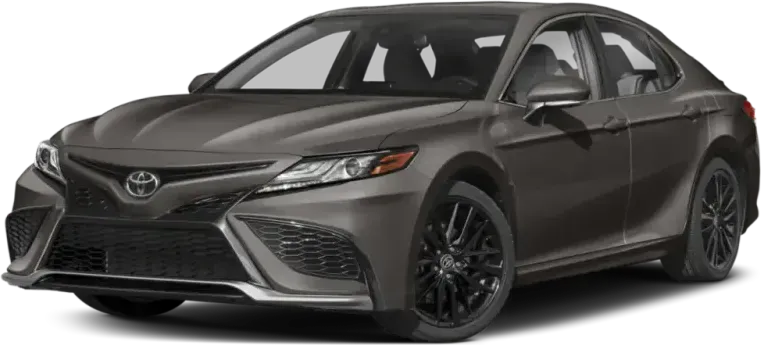
Toyota Camry
Score: 88/100
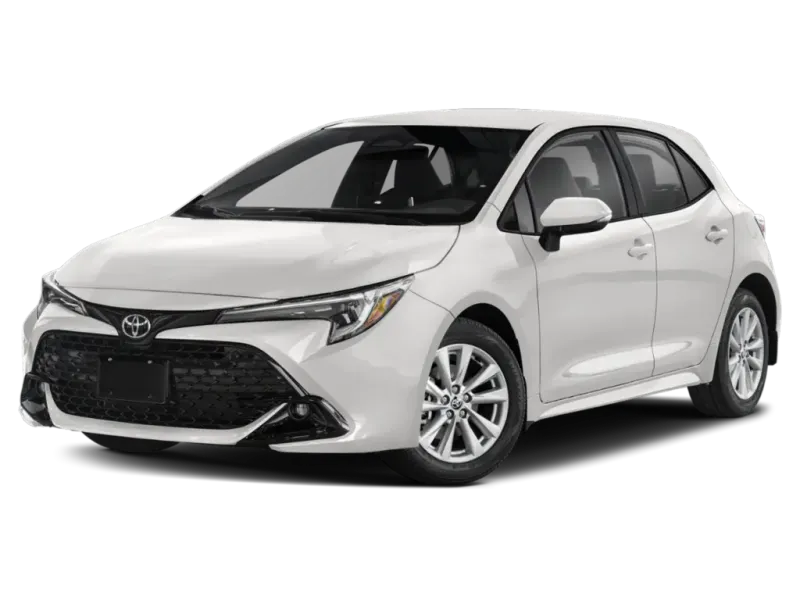
Toyota Corolla
Score: 94/100
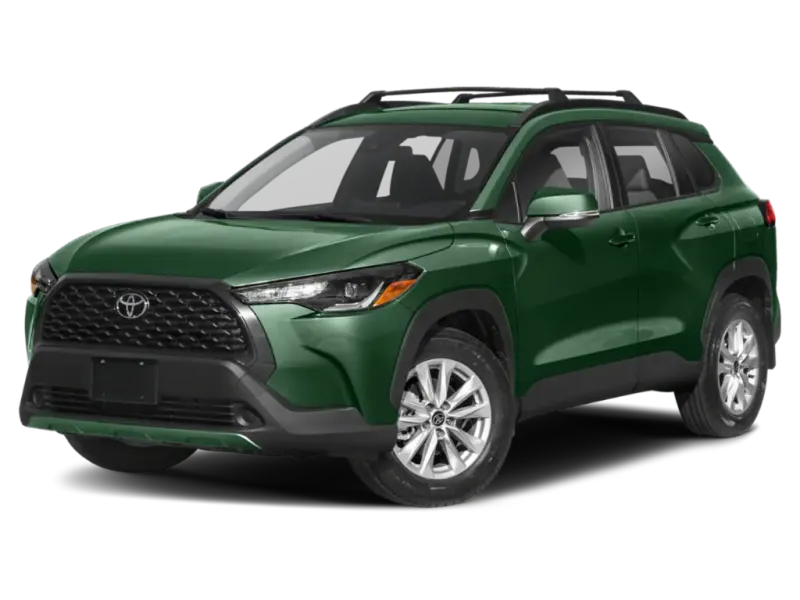
Toyota Corolla Cross
Score: 94/100
Browse More 2019 Vehicles
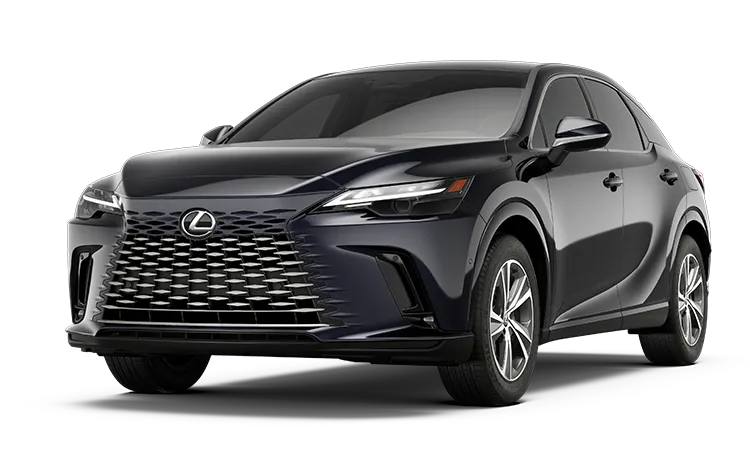
2019 Lexus RX
Score: 82/100
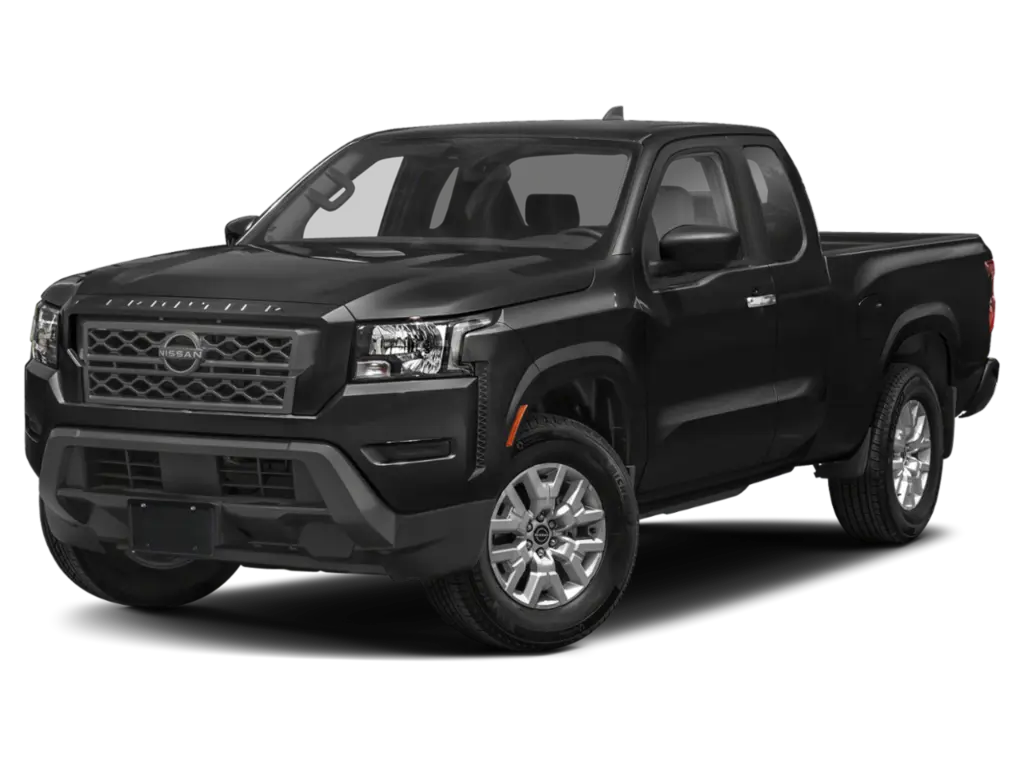
2019 Nissan Frontier
Score: 80/100
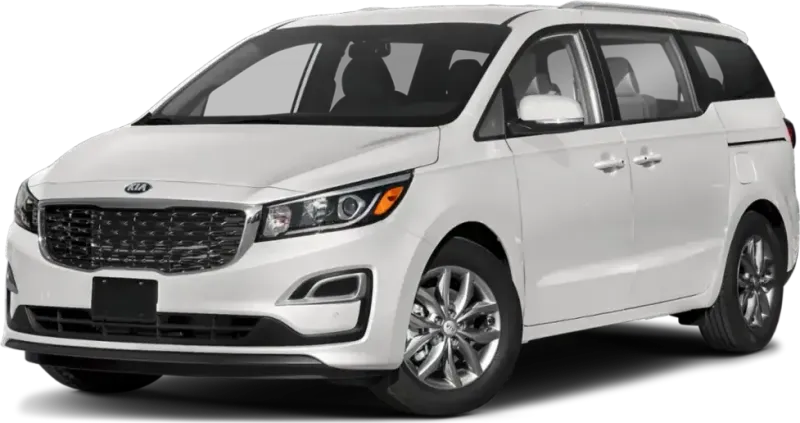
2019 Kia Sedona
Score: 80/100
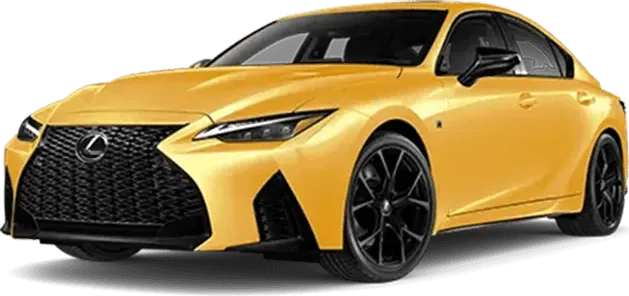
2019 Lexus IS
Score: 79/100
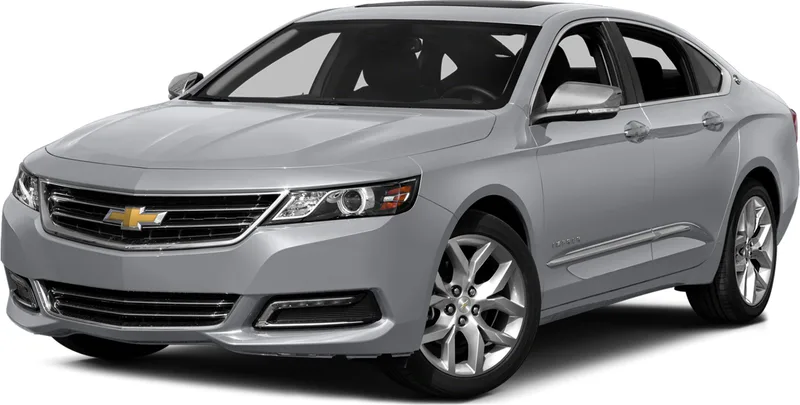
2019 Chevrolet Impala
Score: 79/100
2019 Mazda 3
Score: 78/100
See incorrect data? Report an issue