Last updated: 2026-10-10
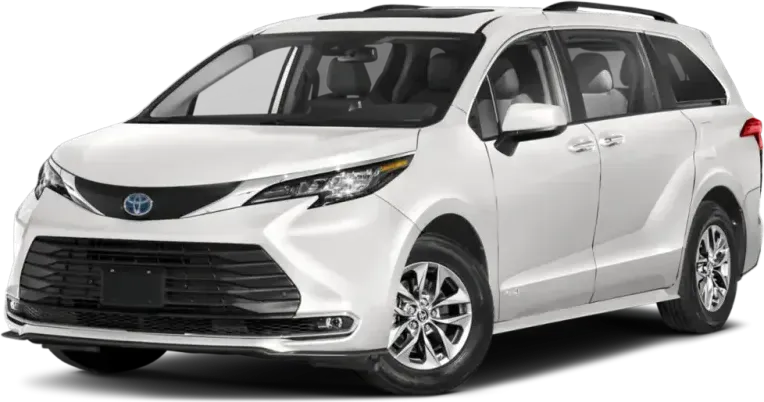
2018 Toyota Sienna Reliability Report
The 2018 Toyota Sienna has good reliability, but owners report transmission whine and hesitation, and its fuel system recalls need checking.
Recalls
7
Complaints
66
Complaint Rate
7.5per 10,000 sold
Est. Repair Cost
$554
Annual Fuel Cost
$2,700–$3,000
Detailed Score Breakdown
Component-weighted complaints normalized by sales volume
Independent repair cost ratings
Recall count weighted by severity
Breadth of reported problem categories
The Verdict
The weakest of nine scored Sienna years, with more complaints than 2019, led by transmission and fuel pump trouble despite a good standing.
Top Issues to Watch
- POWER TRAIN (15)
- FUEL/PROPULSION SYSTEM (7)
- ELECTRICAL SYSTEM (6)
Generation & Refresh (US)
2018 received a facelift update for the Third generation (XL30; 2010).
- Changes: New front grille; Updated headlights; Minor interior updates.
- Year 8 in this generation (2011–2020).
- 3rd generation Sienna (US).
What this means for buyers
Refresh years bring updates but can also introduce new issues. Check early recall data before buying.
2011: Third generation (XL30; 2010) Launch
Generation start — new platform.
2018: This Model Year (Refresh)
2018 received a facelift update for the Third generation (XL30; 2010).
Should You Buy the 2018 Toyota Sienna?
Good, but the weakest of the nine scored Sienna years. Against other 2018 minivans it rates above average, and it earned 5 of 5 stars in federal crash tests. Model-wide repair costs run an estimated $554 a year, under the $647 class figure. The 2019 rates about the same with fewer complaints, 41 against 66.
Transmission trouble leads the owner complaints. Drivers describe a hum under acceleration that grows worse, a pause of 1 to 2 seconds before an abrupt downshift, and slow takeoffs from a stop. Dealers confirmed failed transmissions at about 126,000 and 132,000 miles. Others report stalling, no restart, and leaking gasoline. Federal recall records list 7 recalls, including two for the fuel system and two for hydraulic service brakes.
Ask for proof that every recall was completed. Ask for transmission service records, and verify the odometer, since one owner found a registration showing far more miles than the dealer listed. Look at the 2019 too.
Compared to the 2019 Toyota Sienna, which scored 1 points higher.
Pros
- +Acceptable reliability score
- +$93 cheaper to maintain than avg minivans
- +Low major repair risk (15%)
- +Below-average complaint rate for Minivan
Cons
- −Above-average recall count
- −POWER TRAIN: Transmission whine and hesitation lead these reports (15 complaints)
- −UNKNOWN OR OTHER issues reported (11 complaints)
Compare 2018 Toyota Sienna With
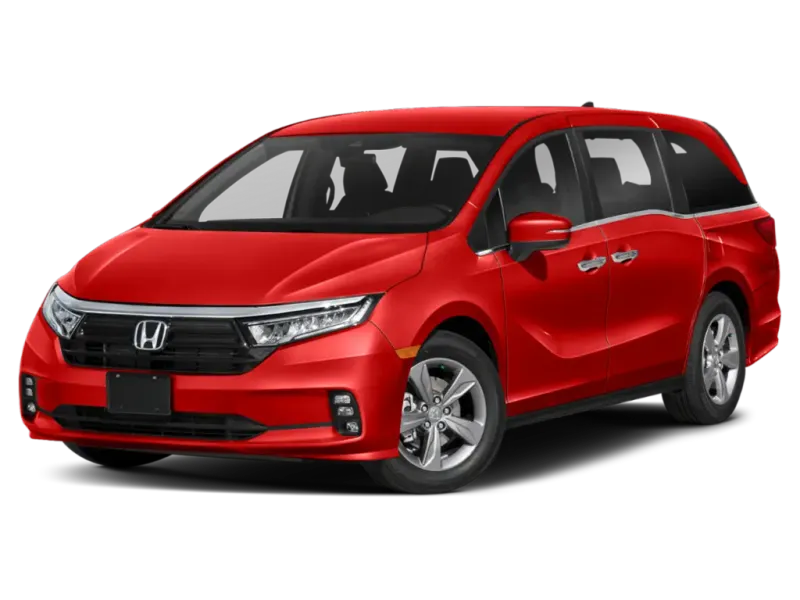
Common Problem Categories
Safety
LOW RISK- 7 manufacturer recalls issued
Other
HIGH RISK- POWER TRAIN (15)
- UNKNOWN OR OTHER (11)
Recall Overview
7
recalls on record
The 2018 Toyota Sienna has 7 recalls on record, which is above average. A high count can flag multiple component concerns, though it also shows the manufacturer is actively addressing known issues.
NHTSA.gov →Complaint Breakdown
7.5
per 10,000 soldSegment avg: 60.4
Safety Incidents
5
Crashes
0
Fires
6
Injuries
0
Deaths
NHTSA 5/5 Stars
Data sourced from NHTSA complaint filings and manufacturer recall notices. Complaint narratives are owner-reported.
2018 Toyota Sienna Recall Details
7 recalls have been issued for the 2018 Toyota Sienna. All recall repairs are performed free of charge at authorized dealerships.
FUEL SYSTEM, GASOLINE
Toyota Motor Engineering & Manufacturing (Toyota) is recalling certain 2018-2019 4Runner, 2019-2020 Avalon, 2019 Corolla Hatchback, 2017-2019 Highlander, 2018-2020 Camry, 2020 Corolla, 2018-2019 Land Cruiser, 2017-2020 Tacoma, 2019-2020 RAV4, 2019-2020 Sequoia, 2017-2020 Sienna, 2019-2020 Tundra, 2018-2020 Lexus ES350, 2017 Lexus GS200t, 2017-2019 Lexus GS350, 2019 Lexus GS300, 2018-2020 Lexus LC500h, 2019-2020 Lexus LS500, 2018-2019 Lexus GX460, 2017 Lexus IS200t, 2019 Lexus IS300, 2019 Lexus IS350, 2018-2020 Lexus LC500, 2018 Lexus LS500, 2019 Lexus LS500h, 2018-2019 Lexus LX570, 2017 Lexus RC200t, 2019 Lexus RC300, RC350, 2017 and 2019-2020 Lexus RX350, 2018-2020 RX350L, 2019 Lexus UX200, 2018-2019 Lexus NX300 vehicles. The low-pressure fuel pump inside the fuel tank may fail.
Consequence
If the fuel pump fails, the engine can stall while driving, increasing the risk of a crash.
Remedy
Toyota will notify owners, and dealers will replace the fuel pump assembly with an improved one, free of charge. Owners of specific models were notified that remedy parts were available starting January 21, 2021. Owners of other models will be notified as remedy parts become available. Remedy parts should be available for all affected vehicles by late March 2021. Owners may contact Toyota customer service at 1-888-270-9371 or Lexus customer service at 1-800-255-3987. Note: This recall is an expansion of recall 20V-012. Toyota's number for this recall is 20TA02. Lexus' number for this recall is 20LA01.
FUEL SYSTEM, GASOLINE
Toyota Motor Engineering & Manufacturing (Toyota) recalled certain 2018-2019 4Runner, Highlander, Camry, Land Cruiser, Sequoia, Sienna, Tacoma and Tundra, and Lexus RC 300, RC 350, GS 350, GX 460, IS 300, LC 500, LS 500, LX 570, RX 350L, and 2019 Toyota Avalon and Corolla, and certain Lexus NX 300, and ES 350 vehicles on January 13, 2020. On March 4, 2020, Toyota expanded the recall to include certain 2014-2015 Toyota 4Runner and Land Cruiser, 2018 Avalon, Corolla, 2014 FJ Cruiser, 2017 Sienna and Lexus 2018 ES 350, 2018-2019 GS 300, 2013-2014 GS350, 2014-2015 GX 460, IS 350 and LX 570, 2014 IS F, 2018-2019 IS 350, LC 500H and LS 500H, 2013-2015 LS 460, 2015 NX 200T and RC350, 2017 RC 200T and RX 350. Toyota also removed the 2018-2019 Toyota 4Runner and Land Cruiser and 2018-2019 Lexus GX 460 and LX 570 and 2019 NX300 from inclusion in this recall. On March 19, 2020, Toyota expanded the recall to include 2015 Lexus GS350 vehicles. The low-pressure fuel pump inside the fuel tank may fail.
Consequence
If the fuel pump fails, the engine can stall while driving, increasing the risk of a crash.
Remedy
Toyota will notify owners, and dealers will replace the fuel pump, free of charge. The recall began May 4, 2020. Owners may contact Toyota customer service at 1-888-270-9371 or Lexus customer service at 1-800-255-3987. Toyota's numbers for this recall are 20TB02 and 20TA02 for Toyota vehicles and 20LB01 and 20LA01 for Lexus vehicles.
SERVICE BRAKES, HYDRAULIC
Vantage Mobility International, LLC (Vantage) is recalling certain 2012-2018 AMS Genesis wheelchair vans, built on a Toyota Sienna vehicles. The rubber brake hoses that attach to the rear wheel assembly may be too short, causing them to rub against the rear axle trailing arm.
Consequence
The contact may cause failure of the rear brake hoses, resulting in a loss of vehicle control and reduced braking ability, increasing the risk of a crash.
Remedy
Vantage will notify owners, and dealers will install a set of rear brake hoses that will provide the proper clearance, free of charge. The recall began December 16, 2019. Owners may contact Vantage customer service at 1-800-488-9082.
Buying a used 2018 Toyota Sienna? Check its history first
Power train problems lead owner complaints about the 2018 Toyota Sienna, and 7 recalls were issued for it. A VIN check shows whether this car's recall work was done, plus accident, title, and odometer history.
- Accidents
- Open Recalls
- Title History
- Odometer Rollback
2018 Toyota Sienna NHTSA Safety Ratings
Overall Safety Rating
Crash Test Results by Configuration (expand)
Gas Powertrain
Rollover risk: 14.0%
Safety Technologies
Toyota SiennaRepair Costs & Maintenance
Maintenance Rating
3.5Maintenance rating: 3.5 out of 5Based on NHTSA complaint patterns, recall severity, and publicly available cost benchmarks.
Est. Annual Maintenance
$554
vs $647 avg for minivans
vs $652 avg for all vehicles
Repair Frequency
0.4
unscheduled repair visits per year
Severe Repair Probability
15%
chance of a major repair
Annual Cost Comparison
Category-level averages derived from publicly available industry reports (AAA, CarMD). Model-level estimates produced by Auto Reliability Index.
Toyota Sienna Resale Value
The Toyota Sienna is estimated to retain about 59.6% of its original value after 5 years, based on observed used-car listings.
This benchmark covers the Toyota Sienna model overall and is not specific to the 2018 model year.
- Value Retained
- 59.6%
- Depreciation
- 40.4%
- Listings Analyzed
- 159
after 5 years
over the same period
U.S. used-car listings
Listings observed in . This is a historical market benchmark, not a current price quote.
Explore Toyota Sienna depreciation and resale value on CarResaleValue.comMPG & Annual Running Costs
Gas
20–22 MPG
Running cost: $3,250–$3,550/yr
Fuel + repair
18–19 city / 24–27 hwy MPG
Running cost includes EPA fuel-cost estimate and independent repair-cost data (repair cost estimated at model level). Excludes routine maintenance, depreciation, and insurance. Data as of 2018 EPA label cycle.
Gas trims
| Trim | Drive | Trans. | City | Hwy | Comb | Fuel Cost |
|---|---|---|---|---|---|---|
| Sienna 2WD 3.5L 6-cyl | Front-Wheel Drive | Automatic (S8) | 19 | 27 | 22 | $2,700 |
| Sienna AWD 3.5L 6-cyl | All-Wheel Drive | Automatic (S8) | 18 | 24 | 20 | $3,000 |
Used Buying Checklist
Key things to inspect or verify before purchasing a 2018 Toyota Sienna.
Accelerate up a hill and onto a highway; listen for transmission whine and feel for a delayed, abrupt downshift.
Have a Toyota dealer check the VIN for completed fuel pump recall work and transmission customer support program eligibility.
After the test drive, smell for gasoline and look under the van for fuel leaks.
Open and close each power sliding door several times; confirm it opens fully, stays open, and closes smoothly.
Fold and raise the third-row power seats, then drive and confirm no seat moves on its own.
Lift on each rear seat and check that the latches hold firm without twisting or sliding.
Compare the odometer reading with the title, the history report, and dated service records.
On a wheelchair-converted van, confirm a Toyota dealer will still perform recall repairs before buying.
2018 Toyota Sienna Common Problems by Component
66 owner complaints grouped by vehicle system.
POWER TRAIN
15 complaintsTransmission whine and hesitation lead these reports. Drivers hear a hum under acceleration that gets worse over time. They also describe a pause of 1 to 2 seconds before an abrupt downshift and sluggish takeoffs from a stop, which they call dangerous when merging. Some get a message telling them to see a dealer. Dealers confirmed failed UA80 transmissions needing replacement at about 126,000 and 132,000 miles. A customer support program covers this transmission, but some owners were told their VIN did not qualify. Others blame Eco mode shift logic, and software updates did not always fix it.
UNKNOWN OR OTHER
11 complaintsAbrupt, unannounced braking by the pre-collision system from 75 mph on cruise control produced the one injury report, a neck injury. Power sliding doors also draw complaints: cables break, and one door snaps shut right after opening. Several owners could not renew their registration because the fuel pump recall had no remedy yet. Dealers refused recall work on vans converted for wheelchair access. Single reports cover weak hill climbing, a cracked windshield, an exploding moonroof, and third-row cup holders heated by rear heater coolant lines.
FUEL/PROPULSION SYSTEM
7 complaintsStalling and hesitation tied to the fuel pump lead this group. Vans sputter and die, refuse to restart, and set a check engine light, or pause after the gas pedal is pressed from a stop. Many reports center on the fuel pump recall, and dealers confirmed parts were not yet available. Leaking gasoline is the fire risk. One van leaked fuel several times after the recall repair, and another had a fuel line rupture at startup. One hesitation case appeared at 35,000 miles.
ELECTRICAL SYSTEM (6 complaints)
ELECTRICAL SYSTEM
6 complaintsThird-row power seats that fold on their own are the most serious hazard here. The seats close on a buckled passenger at highway speed, and then the buttons stop working for several minutes. One van stalled at 20 mph with the master warning light on. That stall is tied to the fuel pump recall, and parts were not available at the time. Other reports cover a dead Safety Connect SOS system that dealer resets did not fix and a tire pressure warning light that stays on. In one case, a dealer sold a van listed at 57,000 miles whose registration showed 175,152.
AIR BAGS (4 complaints)
AIR BAGS
4 complaintsSafety-relatedFront air bags failing to deploy in serious crashes is the pattern. Reports describe frontal impacts at 60 and 74 mph. In a 70 mph rear-end collision that ended in a rollover, the side air bags fired but the front ones did not. Injuries include bruised ribs, a bruised lung, a concussion, and a sore shoulder. In a separate crash where every air bag deployed, interior light covers broke loose and scratched a passenger. All 4 complaints involve crashes, with 5 people injured.
STRUCTURE (4 complaints)
STRUCTURE
4 complaintsPower sliding doors cause most of the trouble. A broken door cable leaves the door unable to open. One report says a closing door did not stop for an obstruction. It caught an adult's arm and nearly trapped a child. Front bumper clips pop loose from airflow at speed and tear the plastic support frame, and the dealer quoted a full bumper replacement. A loose driver-side carpet near the pedals also touched the driver's foot at 4,700 miles and was not repaired.
FUEL SYSTEM (4 complaints)
FUEL SYSTEM
4 complaintsWaiting on parts for the fuel pump recall drives most of these reports. Dealers repeatedly confirmed the remedy parts were unavailable, and owners felt the delay ran too long. Two reports describe real symptoms. In one, the van did not respond to the accelerator at 70 mph with no warning light, and the problem returned after the recall repair. In the other, the van surged forward at idle with a warning light on. Loss of power at highway speed is the main safety risk.
ENGINE (2 complaints)
ENGINE
2 complaintsSudden loss of power and stalling make up the more serious report. The van jerks, loses motive power, and shuts off on its own. The dealer could not reproduce the fault, and it continued even after the fuel pump was replaced under a recall. The other complaint involves the oil warning light coming on during a low-speed turn. The oil level was low and dropped again after the dealer topped it up, first at 3,700 miles. A stall in traffic carries a loss-of-control risk.
VEHICLE SPEED CONTROL (2 complaints)
VEHICLE SPEED CONTROL
2 complaintsSafety-relatedUnintended full-throttle acceleration in reverse, while backing out of a driveway, led to the one crash-related report. The other describes a torque converter clutch pressure control solenoid circuit fault that appeared once the van reached speed. The owner says a friend's van of the same model had the same issue. With only 2 complaints there is no clear pattern, but the surge in reverse is a serious loss-of-control event.
SEATS (2 complaints)
SEATS
2 complaintsRear seats that shift or move on their own are the concern. In one report all four rear seats slid forward by themselves while the van sat still, starting at 1,000 miles. Two dealer repairs to the floor rail caps did not stop it. Another describes third-row seat latches that rotate and let the seats twist and slide. Two dealers called this normal play. These seats anchor child seats and seat belts, so owners worry about how they would hold in a crash.
Best & Worst Toyota Sienna Years
Best Toyota Sienna Years to Buy
Based on reliability index scoreToyota Sienna Years to Avoid
No Toyota Sienna years are statistical outliers in our data.
Scores stay between 70 and 81 across 9 scored model years.
Toyota Sienna Reliability Score Trend
Scores 0–100. Higher is better. Current year highlighted.
| Year | Score | Rating |
|---|---|---|
| 2018 | 70/100 | Good |
| 2019 | 71/100 | Good |
| 2020 | 73/100 | Good |
| 2021 | 72/100 | Good |
| 2022 | 74/100 | Good |
| 2023 | 76/100 | Good |
| 2024 | 74/100 | Good |
| 2025 | 72/100 | Good |
| 2026 | 81/100 | Excellent |
Toyota Sienna Reliability Compared to Other Years
Frequently Asked Questions
Is the 2018 Toyota Sienna reliable?
What are the most common problems with the 2018 Toyota Sienna?
Does the 2018 Toyota Sienna have transmission problems?
How many recalls does the 2018 Toyota Sienna have?
Is the 2018 Toyota Sienna better than the 2019?
Don’t buy a 2018 Toyota Sienna without checking its VIN first — hidden accidents, title issues, and open recalls could cost you thousands.
How we score the 2018 Toyota Sienna
Of the four inputs behind this score, the 2018 Toyota Sienna does best on how many systems draw complaints (84/100) and worst on recall impact (63/100). Scores weight complaint severity at 35%, repair costs at 30%, recall impact at 20%, and the spread of complaints across systems at 15%, with complaint counts adjusted for US sales. Read the full methodology.
Get notified when new recalls or reliability data is added for the Toyota Sienna.
No spam. Only data updates for this model.
Browse More Toyota Models

Toyota 4Runner
Score: 84/100
Toyota Avalon
Score: 80/100
Toyota C-HR
Score: 80/100
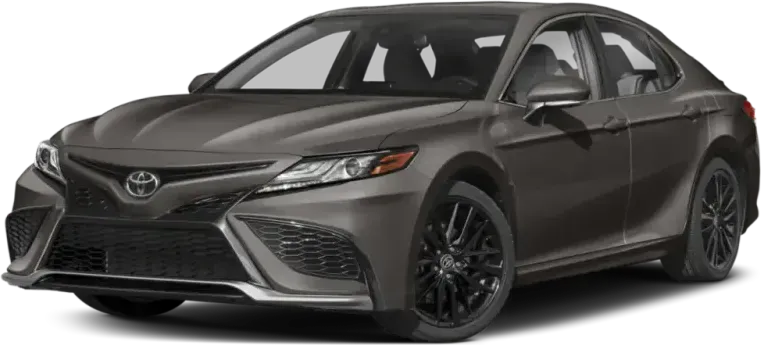
Toyota Camry
Score: 88/100
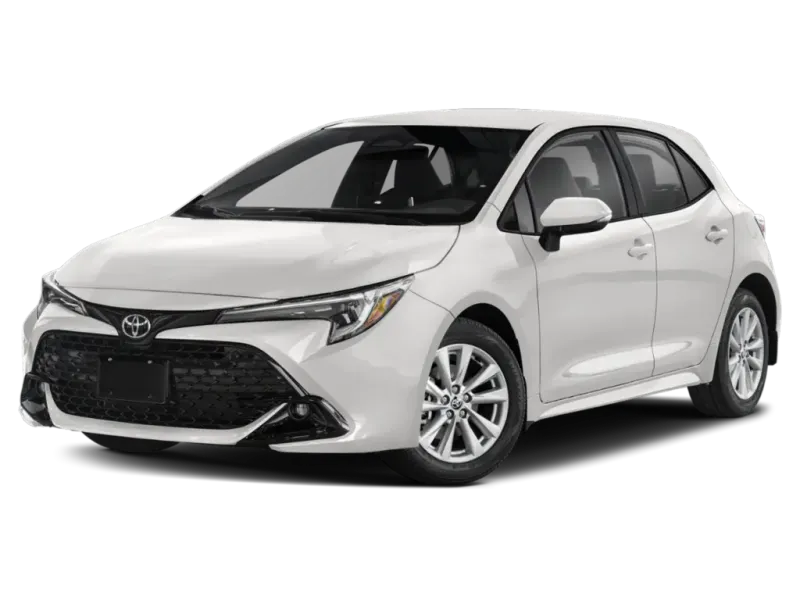
Toyota Corolla
Score: 94/100
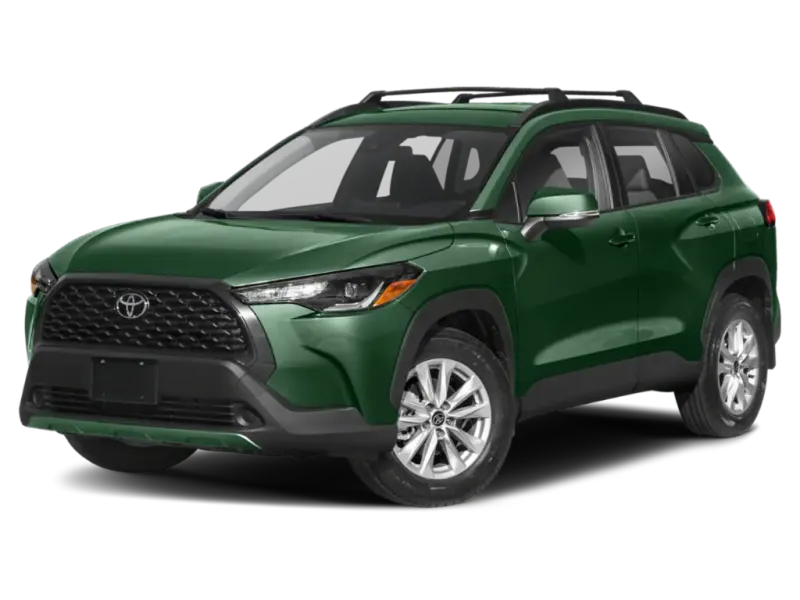
Toyota Corolla Cross
Score: 94/100
Browse More 2018 Vehicles
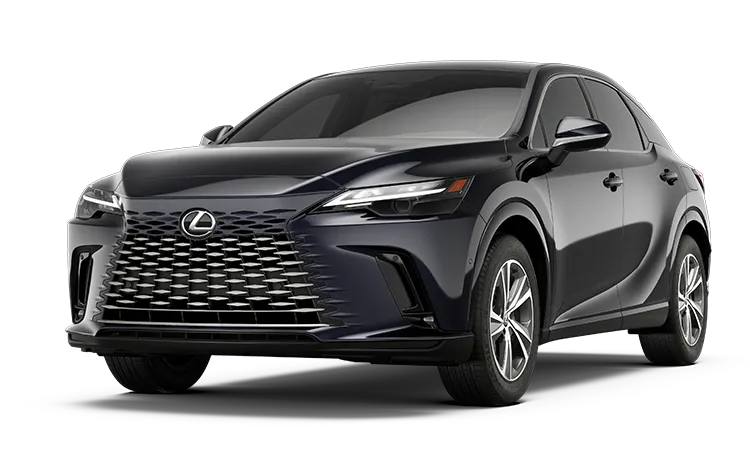
2018 Lexus RX
Score: 85/100
2018 Nissan Murano
Score: 82/100
2018 Lexus IS
Score: 81/100
2018 Lexus ES
Score: 80/100
2018 Toyota Corolla
Score: 80/100
2018 Buick Encore
Score: 80/100
See incorrect data? Report an issue