Last updated: 2026-10-10
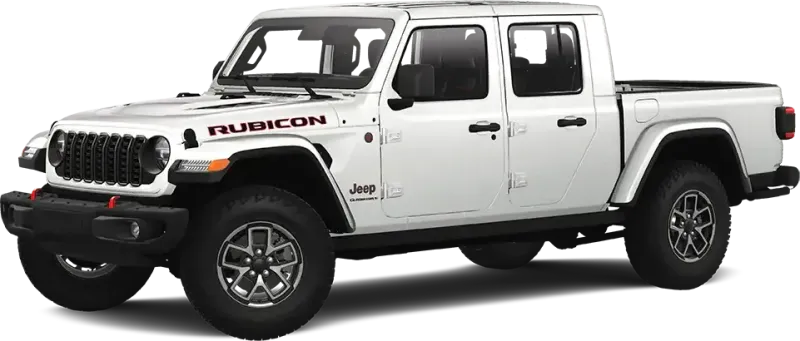
2020 Jeep Gladiator Reliability Report
The 2020 Jeep Gladiator has mixed reliability and ranks well below other 2020 trucks, mainly for loose, wandering steering and death wobble.
Recalls
7
Complaints
461
Complaint Rate
N/A
Est. Repair Cost
N/A
Annual Fuel Cost
$3,150
Detailed Score Breakdown
Component-weighted complaints normalized by sales volume
Independent repair cost ratings
Recall count weighted by severity
Breadth of reported problem categories
The Verdict
Steering is the big issue here: loose handling from early miles, death wobble, blank instrument clusters, and early manual clutch failures.
Top Issues to Watch
- STEERING (179)
- ELECTRICAL SYSTEM (147)
- POWER TRAIN (44)
Should You Buy the 2020 Jeep Gladiator?
Mixed is the fair verdict. Against other 2020 trucks it sits well below average, and it lands in the middle of the seven Gladiator years we score. The 2021 rates about the same, with fewer owner complaints and the same seven recalls.
Steering is the biggest complaint. Owners describe loose, wandering steering from the first few hundred miles, and some report death wobble, a violent front-end shake set off by bumps at highway speed. Dealer fixes often do not help. The instrument cluster going black is the top electrical report. Manual clutch and transmission failures appear at about 16,000 to 35,000 miles, and a few ended in fire. Federal recall records list seven recalls, four of them for the power train.
Ask for records of steering and cluster repairs, and for proof that recall work was done. On a manual, ask about clutch history. Compare a 2021 before deciding.
Compared to the 2021 Jeep Gladiator, which scored the same.
Pros
Cons
- −Below-average reliability score
- −Above-average recall count
- −Above-average complaint volume
- −STEERING: Loose, wandering steering is the main complaint (179 complaints)
- −7 fire incidents reported in owner complaints
Compare 2020 Jeep Gladiator With
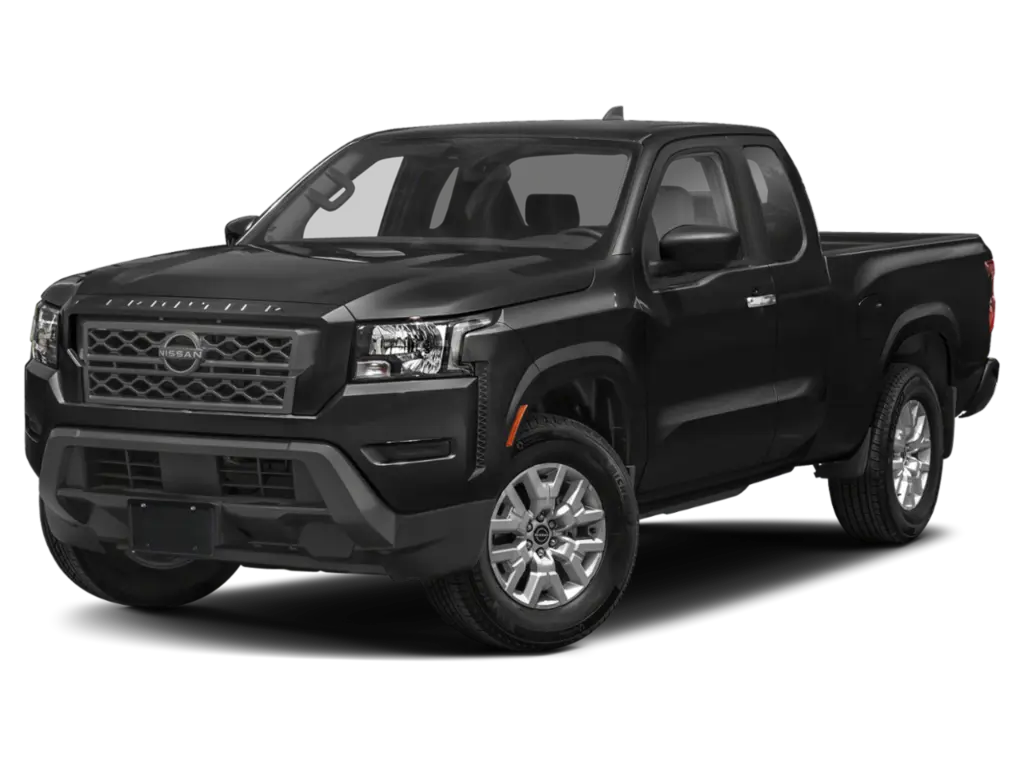
Common Problem Categories
Safety
LOW RISK- 7 manufacturer recalls issued
Other
HIGH RISK- STEERING (179)
- ELECTRICAL SYSTEM (147)
Recall Overview
7
recalls on record
The 2020 Jeep Gladiator has 7 recalls on record, which is above average. A high count can flag multiple component concerns, though it also shows the manufacturer is actively addressing known issues.
NHTSA.gov →Complaint Breakdown
461
complaintsSafety Incidents
10
Crashes
7
Fires
5
Injuries
0
Deaths
Data sourced from NHTSA complaint filings and manufacturer recall notices. Complaint narratives are owner-reported.
2020 Jeep Gladiator Recall Details
7 recalls have been issued for the 2020 Jeep Gladiator. All recall repairs are performed free of charge at authorized dealerships.
SEAT BELTS
Chrysler (FCA US LLC) is recalling certain 2019 Jeep Wrangler and Ram 2500, 2019-2020 Ram 1500 and 2020 Jeep Gladiator vehicles. In the event of a crash, a front seat belt retractor may not properly slow the occupant's forward movement after locking.
Consequence
In the event of a crash, if the front seat belts fail to lock, there is an increased risk of injury.
Remedy
Chrysler will notify owners, and dealers will replace the front seat belt retractors, free of charge. The recall began November 12, 2020. Owners may contact Chrysler customer service at 1-800-853-1403. Chrysler's number for this recall is W67.
ELECTRICAL SYSTEM
Chrysler (FCA US, LLC) is recalling certain 2020-2024 Jeep Gladiator and 2018-2024 Jeep Wrangler vehicles. The instrument panel cluster may experience an internal short circuit and fail. As such, these vehicles fail to comply with the requirements of Federal Motor Vehicle Safety Standard number 101, "Controls and Displays."
Consequence
An instrument panel that fails to display critical safety information, such as the speedometer or warning lights, can increase the risk of a crash.
Remedy
Dealers will replace the instrument panel cluster, free of charge. Owner notification letters were mailed between October 3, 2024, and January 23, 2025. Owners may contact FCA customer service at 1-800-853-1403. FCA's number for this recall is 30B.
POWER TRAIN
Chrysler (FCA US, LLC) is recalling certain 2018-2023 Jeep Wrangler, and 2020-2023 Jeep Gladiator vehicles equipped with manual transmissions. The clutch pressure plate may overheat and fracture.
Consequence
Overheated clutch components may increase the risk of a fire. Additionally, damage to other nearby components can result in debris falling onto the road or a loss of drive, increasing the risk of a crash.
Remedy
Dealers will replace the clutch assembly and update the software, free of charge. Owner notification letters were mailed from November 16, 2023 through July 25, 2024. Owners may contact (FCA US, LLC) customer service at 1-800-853-1403. FCA US LLC's number for this recall is 19A. This recall expands and replaces previous recall 21V-028. Vehicles previously repaired under recall 21V-028 will need to have the new remedy completed.
7 recalls and a score of 49 — check any 2020 Jeep Gladiator before buying
With a below-average reliability score, a VIN check is especially important. Uncover hidden accidents, title problems, odometer rollbacks, and open recalls that data alone can't show you.
- Accidents
- Open Recalls
- Title History
- Odometer Rollback
2020 Jeep Gladiator NHTSA Safety Ratings
Crash Test Results by Configuration (expand)
Gas Powertrain
Rollover risk: 26.7%
Safety Technologies
Jeep GladiatorRepair Costs & Maintenance
Maintenance Rating
2Maintenance rating: 2 out of 5Based on NHTSA complaint patterns, recall severity, and publicly available cost benchmarks.
Category-level averages derived from publicly available industry reports (AAA, CarMD). Model-level estimates produced by Auto Reliability Index.
Jeep Gladiator Resale Value
The Jeep Gladiator is estimated to retain about 100% of its original value after 1 year, based on observed used-car listings.
This benchmark covers the Jeep Gladiator model overall and is not specific to the 2020 model year.
- Value Retained
- 100%
- Depreciation
- 0%
- Listings Analyzed
- 58
after 1 year
over the same period
U.S. used-car listings
Listings observed in . This is a historical market benchmark, not a current price quote.
Explore Jeep Gladiator depreciation and resale value on CarResaleValue.com2020 Jeep Gladiator Example Repair Prices
National average price ranges for common repairs. These are not model-year-specific failure predictions.
| Repair | Estimated Cost |
|---|---|
| Tire Rotation | $49 – $72 |
| Tire & Wheel Assembly Rotate & Balance | $110 – $161 |
| Cabin Air Filter Replacement | $74 – $91 |
| HVAC Blend Door Actuator Replacement | $129 – $163 |
| Parking Brake System Adjust | $61 – $90 |
| Tire Pressure Monitor Control Module Replacement | $340 – $420 |
| Radiator Hose Replacement | $502 – $548 |
| Axle Shaft Seal Replacement | $675 – $954 |
| Catalytic Converter Replacement | $1,948 – $2,103 |
| Steering Knuckle Replacement | $1,058 – $1,149 |
Estimates based on national average repair costs. Actual costs may vary by location and shop.
MPG & Annual Running Costs
Gas
19 MPG
Fuel cost: $3,150/yr
Fuel only
16–17 city / 22–23 hwy MPG
Based on EPA fuel-cost estimates. Excludes routine maintenance, depreciation, and insurance. Data as of 2020 EPA label cycle.
Gas trims
| Trim | Drive | Trans. | City | Hwy | Comb | Fuel Cost |
|---|---|---|---|---|---|---|
| Gladiator Pickup 4WD 3.6L 6-cyl | 4-Wheel Drive | Automatic 8-spd | 17 | 22 | 19 | $3,150 |
| Gladiator Pickup 4WD 3.6L 6-cyl | 4-Wheel Drive | Manual 6-spd | 16 | 23 | 19 | $3,150 |
Used Buying Checklist
Key things to inspect or verify before purchasing a 2020 Jeep Gladiator.
Drive a straight highway stretch and note how much steering correction it takes to hold the lane.
Cross bridge joints and rough pavement at 60 to 70 mph and watch for violent front-end shaking.
Confirm the instrument cluster screen shows fuel level and mileage, and ask whether it was ever replaced.
Start the engine cold and watch for rough idle, a check engine light, or auto start/stop warnings.
On manual trucks, test for clutch slip under acceleration and any burning smell after the drive.
Lower both sun visors and check the mounts for looseness or cracked plastic.
Check the headliner, rear window seal, and carpets for water stains or dampness.
Inspect front axle shock brackets and rear control arm welds for cracks or breaks.
2020 Jeep Gladiator Common Problems by Component
461 owner complaints grouped by vehicle system.
STEERING
179 complaintsSafety-relatedLoose, wandering steering is the main complaint. Drivers describe constant correcting to stay in the lane, dead spots in the wheel, and slow response, often from the first few hundred miles. A second pattern is a violent front-end shake known as death wobble. It is usually set off by a bump or uneven pavement at highway speed. Two complaints involve crashes, including one truck that left the road in snow. Repeat dealer visits, steering box replacements, and a service bulletin repair often bring no improvement. Some owners report waiting months for steering gear parts.
ELECTRICAL SYSTEM
147 complaintsSafety-relatedThe instrument cluster screen goes black without warning. The fuel gauge, odometer, and warning messages disappear with it. This is the most frequent electrical report, at mileages from about 20,500 to 105,000. Owners describe trucks parked for weeks or months while a replacement part is back-ordered, and some out-of-warranty owners pay for the repair themselves. Other reports describe sudden loss of all power at highway speed, throttle control warnings followed by loss of acceleration, and blind-spot lights that stay on. One complaint is fire-related.
POWER TRAIN
44 complaintsSafety-relatedManual transmission and clutch failures lead this category. Owners report slipping, overheating, burning smells, and charred clutches at about 16,000 to 35,000 miles, and some replacement transmissions slip again. Several transmissions fail at speed, with grinding, getting stuck in gear, and in some cases fire under the truck. Four complaints involve fire and two involve crashes. Other reports describe sudden loss of power, braking, and power steering, plus wheel speed sensor faults that disable ABS and 4WD. Repair bills cited run from $3500 to $10,000.
ENGINE (22 complaints)
ENGINE
22 complaintsSafety-relatedMultiple-cylinder misfires with code P0300 show up on nearly new trucks, sometimes within the first few hundred miles. They come with auto start/stop warnings and rough cold starts. Dealers often clear the codes, replace coils and plugs, or update software without curing the problem, and some tear down the engine. Later reports describe ticking, worn intake camshaft lobes, coolant loss, and complete engine failure at roughly 48,000 to 75,000 miles. One engine replacement cost $11916.16. One complaint describes a fire that followed a burning clutch smell.
VISIBILITY/WIPER (18 complaints)
VISIBILITY/WIPER
18 complaintsSun visors break at the mount or slip out of their sockets and drop into the driver's view, often at highway speed. This is the most common complaint in this category. Some failures happen under 3,000 miles, and replacement parts do not always last. Other reports describe defrost air coming only from the center vents, so snow and ice stay on the driver's side. Owners also report washer fluid that barely reaches the windshield at highway speed, a leaking rear window that fogs the glass, and one windshield that cracked without any impact.
SUSPENSION (11 complaints)
SUSPENSION
11 complaintsViolent front-end shaking, called death wobble, starts after bumps, bridges, or rough pavement at speeds around 65 to 70 mph. Reported mileages range from 24,000 to 80,000. Dealers often cannot find a cause, and in one case a replaced stabilizer only delayed the problem's return. Other complaints describe wandering and steering play, rear control arm welds that keep breaking, and a front shock bracket that broke off the axle and cut into the tire. One report concerns aftermarket control arms rather than factory parts.
STRUCTURE (7 complaints)
STRUCTURE
7 complaintsWater leaks through the roof panel seals and around the rear window. One owner was quoted $1800 for a rear window cracking around its frame, with no warranty coverage. Soft-top latches can let go at highway speed and allow the top to fly open. In one report the top tore loose and broke several hinges. Sun visor mounts also fail in this category. One complaint describes the aluminum door skin separating from the steel structure inside, which causes a clicking sound.
SERVICE BRAKES (6 complaints)
SERVICE BRAKES
6 complaintsSafety-relatedSudden braking failures cause crashes in three of the six complaints. Reports describe brakes locking at low speed when a sensor triggers, ABS shutting off after a sensor failure, and a spongy pedal that sinks to the floor. Hardware problems include missing caliper bolts. In another case a brake pad and caliper bracket came loose and punctured a tire at about 33,000 miles. Dealers acknowledge some of these problems without fixing them.
EXTERIOR LIGHTING (4 complaints)
EXTERIOR LIGHTING
4 complaintsSafety-relatedBrakes that fail to stop the truck after the 4WD and ABS warnings come on make up the most serious report. That failure caused a crash at 1,200 miles with two people injured. The other complaints are electrical. They include dash lights going out when the wipers are switched on, a failed center brake light, and reverse lights and backup camera that stopped working after dealer service. One dealer refused to repair the backup lights and camera.
FUEL/PROPULSION SYSTEM (3 complaints)
FUEL/PROPULSION SYSTEM
3 complaintsSafety-relatedFuel leaks and fire top this short list. One truck caught fire under the bed at about 12,900 miles and was declared a total loss. Another sprayed fuel from the top of the tank onto the exhaust, after a fuel smell and hesitation when pulling away. A third logs code P018B and will not accelerate or shift above 5th. After the dealer replaced the fuel pressure sensor and supply line, it still needed a fuel pump that was back-ordered.
When Do 2020 Jeep Gladiator Problems Start?
Based on owner complaint patterns, here's when common issues tend to appear.
Best & Worst Jeep Gladiator Years
Best Jeep Gladiator Years to Buy
Based on reliability index scoreJeep Gladiator Years to Avoid
Jeep Gladiator Reliability Score Trend
Scores 0–100. Higher is better. Current year highlighted.
| Year | Score | Rating |
|---|---|---|
| 2020 | 49/100 | Mixed |
| 2021 | 49/100 | Mixed |
| 2022 | 49/100 | Mixed |
| 2023 | 51/100 | Mixed |
| 2024 | 59/100 | Mixed |
| 2025 | 64/100 | Good |
| 2026 | 64/100 | Good |
Jeep Gladiator Reliability Compared to Other Years
Frequently Asked Questions
Is the 2020 Jeep Gladiator reliable?
What are the most common problems with the 2020 Jeep Gladiator?
Does the 2020 Jeep Gladiator have death wobble?
How many recalls does the 2020 Jeep Gladiator have?
What goes wrong with the manual transmission in the 2020 Jeep Gladiator?
Don’t buy a 2020 Jeep Gladiator without checking its VIN first — hidden accidents, title issues, and open recalls could cost you thousands.
How we score the 2020 Jeep Gladiator
Of the four inputs behind this score, the 2020 Jeep Gladiator does best on recall impact (63/100) and worst on repair costs (40/100). Scores weight complaint severity at 35%, repair costs at 30%, recall impact at 20%, and the spread of complaints across systems at 15%, with complaint counts adjusted for US sales. Read the full methodology.
Get notified when new recalls or reliability data is added for the Jeep Gladiator.
No spam. Only data updates for this model.
Browse More Jeep Models
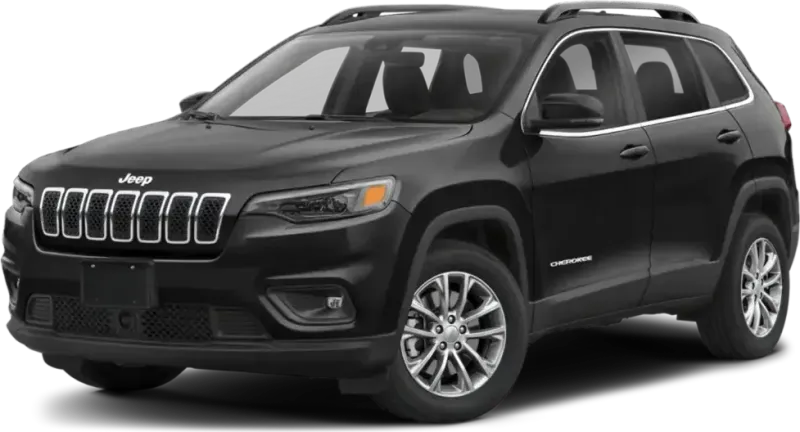
Jeep Cherokee
Score: 76/100
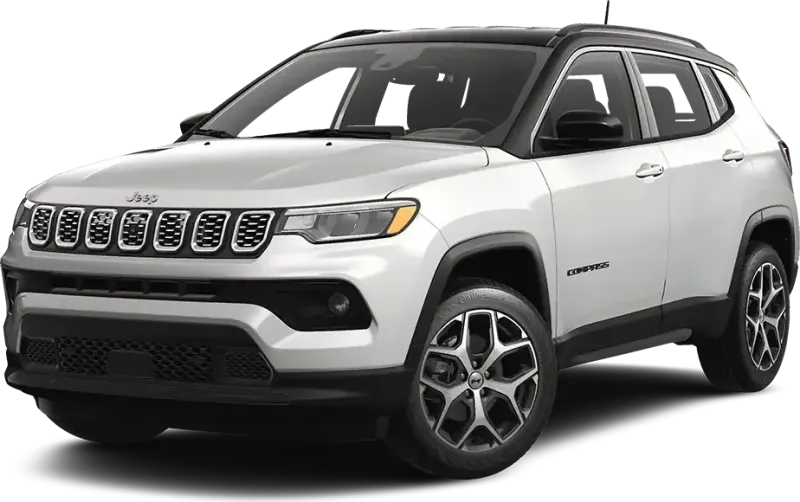
Jeep Compass
Score: 83/100
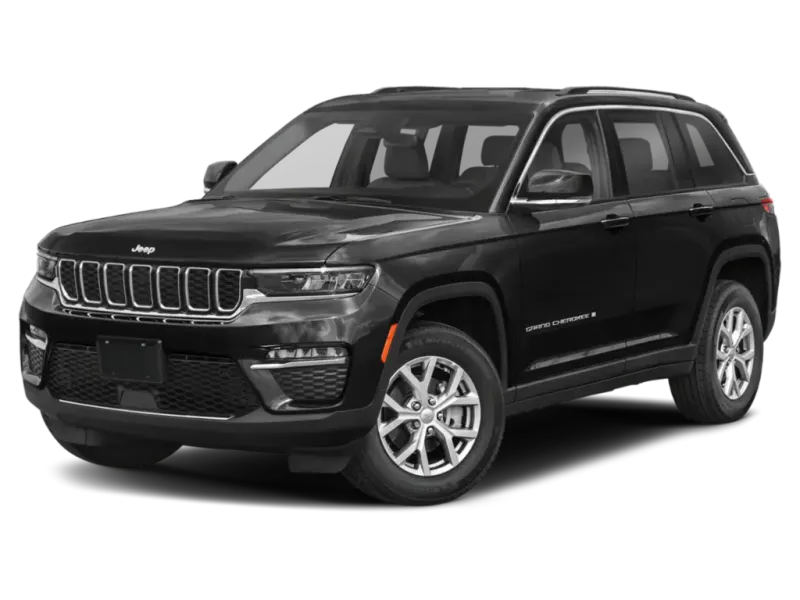
Jeep Grand Cherokee
Score: 70/100
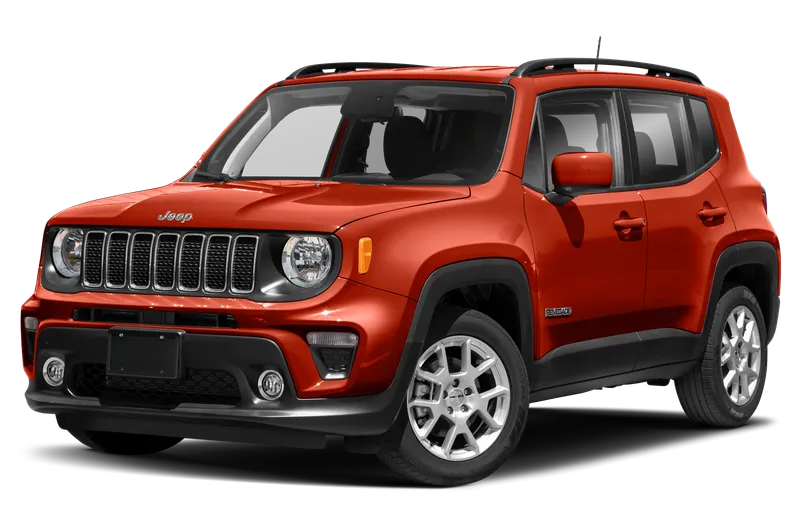
Jeep Renegade
Score: 77/100
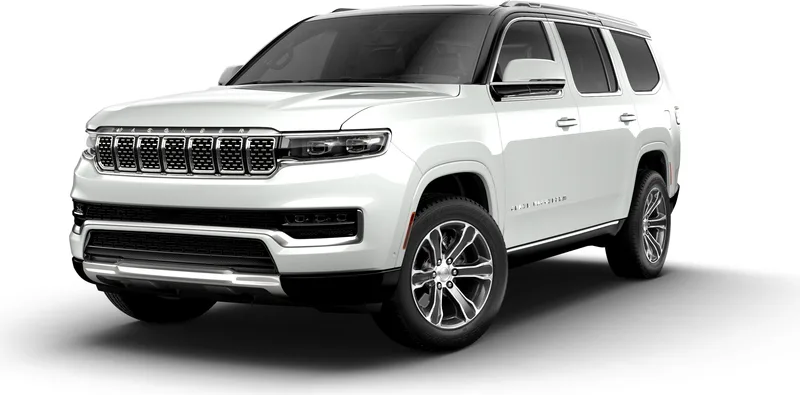
Jeep Wagoneer
Score: 72/100
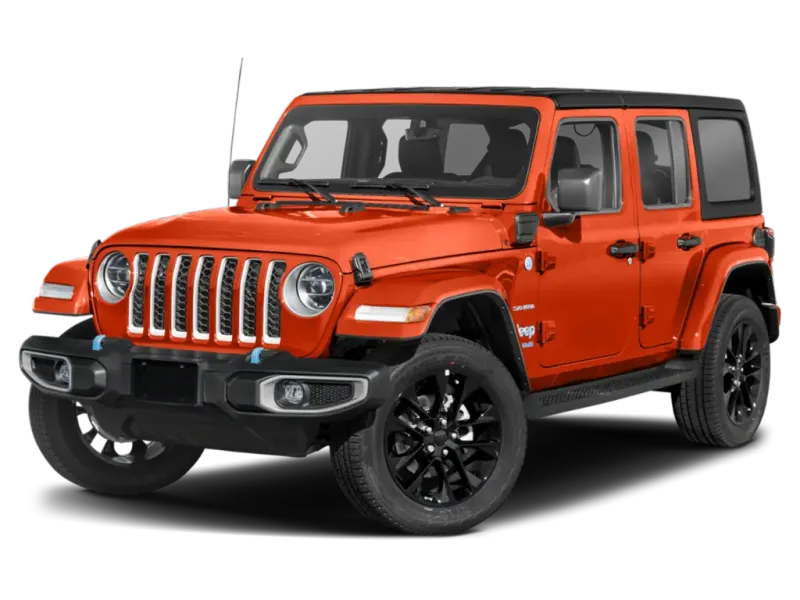
Jeep Wrangler
Score: 82/100
Browse More 2020 Vehicles
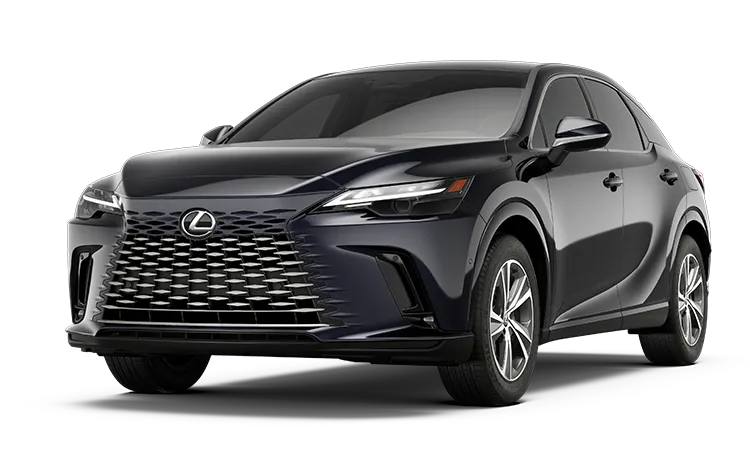
2020 Lexus RX
Score: 86/100

2020 Mazda CX-5
Score: 86/100
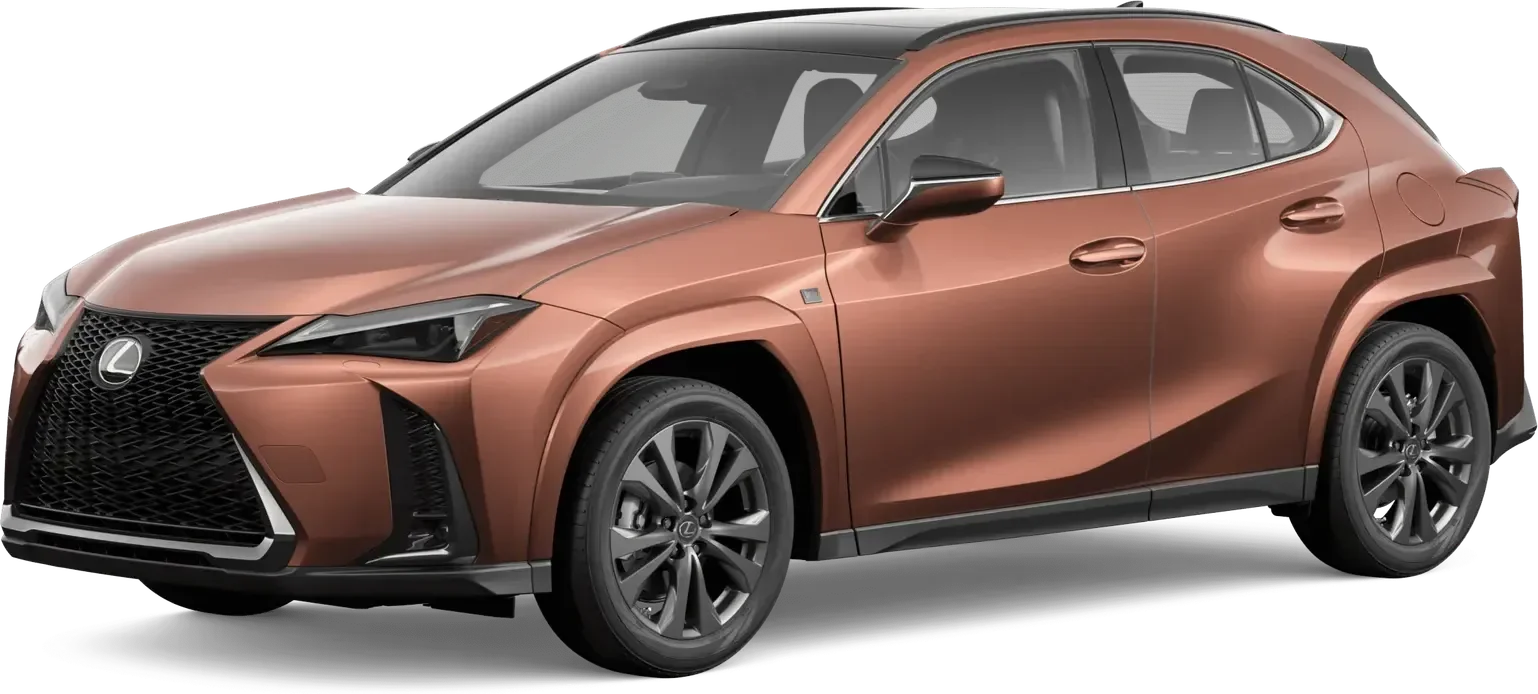
2020 Lexus UX
Score: 84/100

2020 Lexus IS
Score: 83/100
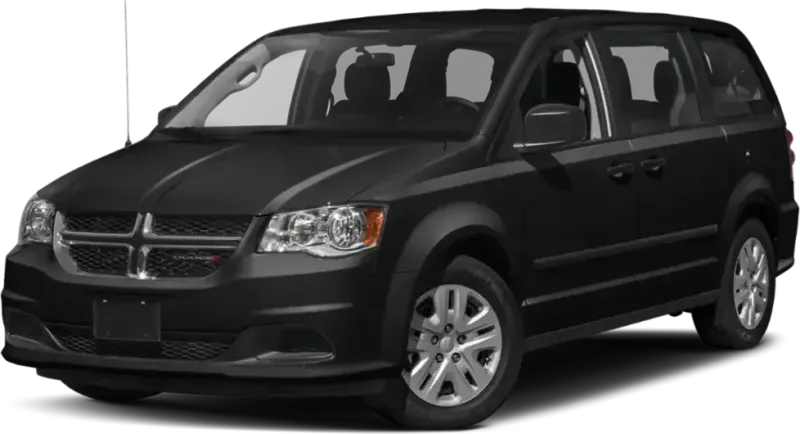
2020 Dodge Grand Caravan
Score: 83/100

2020 Kia Sedona
Score: 83/100
See incorrect data? Report an issue