Last updated: 2026-11-19
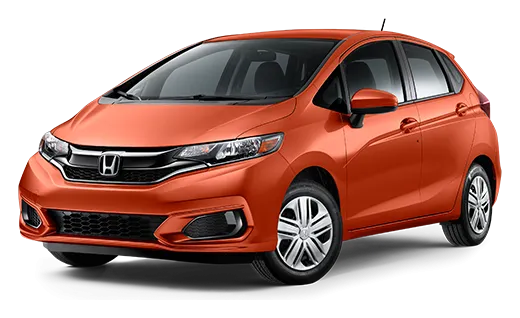
Honda Fit Years to Avoid
6 scored model years (2015–2020) · model average 74/100
Skip the 2015 and 2019 Honda Fit. The 2015 collects no-start and sudden CVT failure complaints, while the 2019 has fuel injectors that fail repeatedly and a gauge display that goes dark. The 2017 is the year to buy instead.
Verdict
- Avoid
- 2015 67/1002019 68/100
- Buy
- 2017 83/100
- Model average
- 74/100
Know which year you're looking at? Check the exact Honda Fit
A good year can still hide accident damage or recall work that was never done. A VIN check shows the history of the car you found.
Honda Fit Years to Avoid
These model years score significantly below the Honda Fit average of 74/100.
Why These Years Should Be Avoided
2015 Honda Fit
Complaints run heaviest here, 272 in all, mostly electrical. Push-button no-starts, a blank gauge display on cold mornings, and the engine shutting off at highway speed all appear. The CVT can fail suddenly between 70,000 and 95,000 miles, with bills in the thousands. One fire report is also on file.
Top issues: Electrical System (107), Engine (31), Power Train (30), Fuel Propulsion System (24), Unknown Or Other (24), Air Bags (14)
View full 2015 reliability report →2019 Honda Fit
Fuel injectors fail here, often more than once, with misfires clustering between 40,000 and 65,000 miles. Dealer carbon cleaning and software updates often bring only a temporary fix, and owners just past warranty report being denied coverage. The right-side display also blanks on cold starts, and the year carries six recalls.
Top issues: Electrical System (44), Fuel Propulsion System (37), Fuel System, Gasoline (13), Unknown Or Other (13), Structure (8), Forward Collision Avoidance (6)
View full 2019 reliability report →What Are Common Honda Fit Problems?
Fit electrical problems
253 complaintsMost reported in 2015, 2016, 2019
2015: Intermittent no-starts dominate.
Fit fuel system problems
105 complaintsMost reported in 2019, 2018, 2015
2019: Fuel injectors fail, often more than once.
ENGINE
71 complaintsMost reported in 2015, 2018, 2016
2015: Cylinder misfires bring on the check engine light, rough running, and sometimes a cluster of dash warnings with a brief jerk while driving.
UNKNOWN OR OTHER
68 complaintsMost reported in 2015, 2019, 2016
2015: The lower engine splash shield keeps coming loose and drags under the car at highway speed, and dealers often blame road debris.
POWER TRAIN
37 complaintsMost reported in 2015, 2016, 2018
2015: The CVT can fail suddenly, usually between 70,000 and 95,000 miles.
STRUCTURE
36 complaintsMost reported in 2015, 2018, 2019
2015: The front splash guard or air deflector falls off and drags on the highway, sometimes again and again, and owners end up zip-tying it or paying for a new one.
Best Honda Fit Year to Buy Instead
2017 Honda Fit
The 2017 has 43 owner complaints and no recalls, against 272 for the 2015 and 139 for the 2019. Its most common complaints are a gauge display that blanks on damp mornings and a short cold-start rattle. Some owners report stalling at freeway speeds, so ask about service history before buying.
Found a Safe Year? Check the Specific Car
Even the 2017 Honda Fit has 0 recalls on file. A VIN check confirms the recall work on the exact car and shows its accident, title, and service history.
- Accidents
- Open Recalls
- Title History
- Odometer Rollback
All Honda Fit Years by Generation
Honda Fit Reliability Scores by Year
Third generation (GK/GH/GP) (2015–2020)
2017 Honda Fit
0 recalls · 43 complaints
2016 Honda Fit
1 recalls · 122 complaints
2020 Honda Fit
4 recalls · 39 complaints
2018 Honda Fit
4 recalls · 117 complaints
2019 Honda Fit
6 recalls · 139 complaints
2015 Honda Fit
4 recalls · 272 complaints
Fourth generation (GR/GS) (2020–2023)
Frequently Asked Questions
Which Honda Fit years should I avoid?
Which Honda Fit years have transmission problems?
Is the 2019 Honda Fit a good used car?
Is the 2016 Honda Fit a safe choice?
Are the 2018 and 2020 Honda Fit better than the 2019?
How we score every Honda Fit model year
Scores weight complaint severity at 35%, repair costs at 30%, recall impact at 20%, and the spread of complaints across systems at 15%, with complaint counts adjusted for US sales. Read the full methodology.
See incorrect data? Report an issue