
Last updated: 2026-11-19

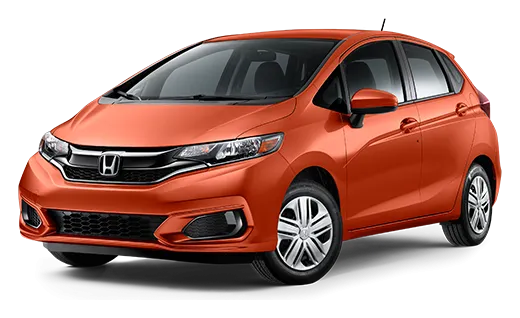
2016 Honda Fit
77
GoodReliability score: 77 out of 100, rated Good

Reliability score

Good · #2 of 6 scored Fit years

2016 Honda Fit Reliability Report

The 2016 Honda Fit has a good reliability standing, well above other 2016 sedans, but watch for blank gauge displays and fuel injector failures.

Recalls

1

Complaints

122

Complaint Rate

21.5per 10,000 sold

Est. Repair Cost

$390

Annual Fuel Cost

$1,650–1,900

Detailed Score Breakdown

Complaint Severity35% of score57/100

Component-weighted complaints normalized by sales volume

Repair Costs30% of score90/100

Independent repair cost ratings

Recall Impact20% of score88/100

Recall count weighted by severity

Issue Diversity15% of score82/100

Breadth of reported problem categories

The verdict

Consider

Rated well above other 2016 sedans, with fewer complaints and recalls than 2015, but blanking gauge displays and fuel injector failures are the recurring trouble.

Looking at a used 2016 Honda Fit? Check that exact car

1 recall covers this year. A VIN check shows whether the car you found had the work done, plus accidents, title and odometer history.

Generation & Refresh (US)

Post-Redesign (Year 2)

2016 is year 2 of the Third generation (GK/GH/GP).

  • Redesigned for the 2015 model year.
  • A refresh arrives in 2018.
  • 3rd generation Fit (US).

What this means for buyers

Year 2 is typically a safer pick than the first model year — early issues are more likely to be identified, but the platform is still new.

If you're comparing prices, check 2015 (redesign year) vs 2016+ pricing and recalls.

2015: Third generation (GK/GH/GP) Launch

Generation start — new platform.

2016: This Model Year

2016 is year 2 of the Third generation (GK/GH/GP).

2018: Mid-Cycle Refresh

Updated features and styling tweaks.

Should You Buy the 2016 Honda Fit?

Good, and a sound used buy. This model year rates well above other 2016 sedans and sits among the stronger of the six scored Fit years. Independent repair-cost data puts yearly repairs at $390 against $456 for the class. The 2015 rates worse, with 272 complaints and four recalls. The 2017 rates better, with 43 complaints and no recalls.

The most common complaint is the right-side display for fuel level and odometer. It goes blank, flickers, or shows garbled characters, mostly in the cold, starting between about 16,000 and 52,000 miles. Fuel injector failure is the more serious one. Owners report misfires, weak acceleration, and sudden power loss on the highway, mostly between roughly 37,000 and 58,000 miles. Several later saw the catalytic converter fail. Some cars would not crank, traced to the starter near 44,000 miles. One federal recall covers structure and air bags.

Ask for proof the recall work was done. Ask whether the injectors, starter, or gauge cluster have been replaced. If the budget allows, a 2017 is worth a look.

Compared to the 2017 Honda Fit, which scored 6 points higher. See also the 2015 Honda Fit for an earlier comparison.

Pros

  • Acceptable reliability score
  • $66 cheaper to maintain than avg subcompact cars
  • Low major repair risk8%
  • Low recall count

Cons

  • ElectricalRight-side display that shows fuel level and the odometer goes blank, flickers,...51 complaints
  • UNKNOWN OR OTHER issues reported12 complaints

Compare 2016 Honda Fit With

Recall Overview

1

recall on record

The 2016 Honda Fit carries 1 recall — a low count. Authorized dealers repair any open recall free of charge, regardless of warranty status.

NHTSA.gov →

Complaint Breakdown

21.5

per 10,000 sold

Segment avg: 59.5

LowAvgHigh
Moderate

Safety Incidents

5

Crashes

0

Fires

3

Injuries

0

Deaths

★★★★★

NHTSA 5/5 Stars

Data sourced from NHTSA complaint filings and manufacturer recall notices. Complaint narratives are owner-reported.

2016 Honda Fit Recall Details

1 recall has been issued for the 2016 Honda Fit. Recall repairs are free at authorized dealers, so check that each one below was done on the car you are looking at.

Body and structureRecall 15V697000Oct 23, 2015

In the affected vehicles, the rear grab handle brackets were not manufactured properly, and as a result, the brackets may puncture the side curtain air bags upon their deployment.

As such, these vehicles fail to comply with Federal Motor Vehicle Safety Standard (FMVSS) number 214, "Side Impact Protection" and number 226, "Ejection Mitigation".

Risk
If the side curtain air bags are punctured upon deployment, the outboard seat occupants may be at a higher risk of injury during a crash.
Fix
Honda will notify owners, and dealers will replace the rear grab handle bracket, free of charge.
Which vehicles are covered

Honda (American Honda Motor Co.) is recalling certain model year 2015-2016 Fit LX-trim vehicles manufactured April 11, 2014, to July 02, 2015 and not equipped with a sunroof.

More about the fix

The recall began on December 18, 2015. Owners may contact Honda customer service at 1-888-234-2138. Honda's number for this recall is JV8.
VIN History Report

Buying a used 2016 Honda Fit? Check its history first

Electrical system problems lead owner complaints about the 2016 Honda Fit, and 1 recall was issued for it. A VIN check shows whether this car's recall work was done, plus accident, title, and odometer history.

No VIN? Just hit “Check VIN” to look one up.

  • Accidents
  • Open Recalls
  • Title History
  • Odometer Rollback

2016 Honda Fit NHTSA Safety Ratings

Overall Safety Rating

Overall safety rating: 5 out of 5
Crash Test Results by Configuration (expand)

Gas Powertrain

Driver: 5/5Passenger: 5/5

Rollover risk: 14.7%

Safety Technologies

Rearview Video Systems (Standard)Dynamic Head Restraints (Not Available)Head Restraint (Driver, Front Passenger, Rear Seat)Advanced Belt Feature (Standard)Adjustable Upper Belt Anchorage (Driver, Front Passenger)Seat Belt Reminder System (Driver, Front Passenger)Frontal Air Bag (Driver, Front Passenger)Curtain (Driver, Front Passenger, Rear Seat)Torso/Pelvis (Driver, Front Passenger)Knee (Not Available)Additional Air Bags (Not Available)Meets Side Air Bag Out-of-Position Requirements (Yes)LATCH Locations (Rear Seat)Safety Power Windows (Anti-Pinch) (Available)Safety Power Windows (Anti-Pinch) locations (Driver)
View full safety data on NHTSA.gov →

Honda Fit Repair Costs & Maintenance

Maintenance Rating

4.5Maintenance rating: 4.5 out of 5

Based on NHTSA complaint patterns, recall severity, and publicly available cost benchmarks.

Est. Annual Maintenance

$390

vs $456 avg for subcompact cars

vs $652 avg for all vehicles

Repair Frequency

0.4

unscheduled repair visits per year

Severe Repair Probability

8%

chance of a major repair

Annual Cost Comparison

Fit
$390
Category Avg
$456
All Vehicles
$652

Category-level averages derived from publicly available industry reports (AAA, CarMD). Model-level estimates produced by Auto Reliability Index.

MPG & Annual Running Costs

Gas

32–36 MPG

Running cost: $2,050–$2,300/yr

Fuel + repair

29–33 city / 36–40 hwy MPG

Running cost includes EPA fuel-cost estimate and independent repair-cost data (repair cost estimated at model level). Excludes routine maintenance, depreciation, and insurance. Data as of 2016 EPA label cycle.

Gas trims
TrimDriveTrans.CityHwyCombFuel Cost
Fit 1.5L 4-cylFront-Wheel DriveAutomatic (variable gear ratios)334036$1,650
Fit 1.5L 4-cylFront-Wheel DriveAutomatic (AV-S7)323734$1,750
Fit 1.5L 4-cylFront-Wheel DriveManual 6-spd293632$1,900

Used Buying Checklist

Key things to inspect or verify before purchasing a 2016 Honda Fit.

  • Start the car cold and watch the right-side fuel and odometer display for blanking, flickering, or garbled characters.

  • Listen at cold start for a rattle or grind lasting a second or two from the engine.

  • Scan for stored misfire codes and ask for records showing fuel injector replacement.

  • Restart the engine several times; any no-crank with dash lights on points to a failing starter.

  • Press on carpets and check the headliner for dampness, mold, or musty smell after rain.

  • Open the hood and look for chewed wiring, missing insulation, or nesting material.

  • Look under the car for a loose or missing engine undercover and transmission fluid leaks.

  • Inspect every tire sidewall for bubbles, bulges, or cracks, and confirm the tire-pressure light behaves normally.

Going to see one? Take the printable 2016 Honda Fit inspection checklist with you.

2016 Honda Fit Common Problems by Component

122 owner complaints grouped by vehicle system.

51
19
ELECTRICAL SYSTEM (51)UNKNOWN OR OTHER (12)FUEL/PROPULSION SYSTEM (11)ENGINE (10)TIRES (7)WHEELS (4)AIR BAGS (4)SERVICE BRAKES (4)Other (19)

ELECTRICAL SYSTEM

51 complaints

Fit electrical problems across all model years

The right-side display that shows fuel level and the odometer goes blank, flickers, or fills with garbled characters. It is worst in cold weather and often recovers as the car warms, though some cars now do it in summer. Dealers point to the gauge cluster itself. Onset runs from about 16,000 to 52,000 miles. A second pattern is a no-crank start: the lights come on but the engine will not turn over, traced to the starter near 44,000 miles. Rodent-chewed engine wiring, a stuck tire-pressure light, and a costly Smart Power Control Unit failure also appear.

51 complaints total

UNKNOWN OR OTHER

12 complaints

Rain leaks into the cabin through the driver and passenger doors and the sunroof area, soaking carpets, fogging windows, and leading to mold and mildew. Dealer seal repairs do not always stop it. Other reports describe the plastic cover under the engine tearing loose in heavy rain and dragging on the road, a rattling driver-side dash panel, and a sunroof that shattered with no impact. Several repeat the blank fuel and odometer display covered under electrical. One injury came from a leg striking the door guard while getting out.

12 complaints total1 injury

FUEL/PROPULSION SYSTEM

11 complaintsSafety-related

Fit fuel system problems across all model years

Fuel injectors fail, causing misfires, a steady check engine light, weak acceleration, lower fuel economy, and sudden loss of power. Several drivers see multiple warning lights at once and have to pull off the highway. One crash-related report describes stalling and lurching with a low fuel rail pressure reading. Failures cluster between roughly 37,000 and 58,000 miles, and the repair replaces all four injectors. Some owners say Honda moved to a revised injector part. One report describes a failing CVT at high mileage despite scheduled service.

11 complaints total1 crash
ENGINE (10 complaints)

ENGINE

10 complaints

Fuel injector failure dominates here too: misfires, hesitation, limp mode, and a dashboard full of warning lights, sometimes at highway speed and sometimes twice on the same car. Several drivers report the catalytic converter failing afterward, and one dealer blamed that damage on the bad injectors. Some owners cite a Honda service bulletin covering injector replacement. A separate pattern is a rattle or grind for a second or two on cold start, blamed on the VTC actuator; one dealer warned it could let the timing jump. Rodents chewing engine insulation and wiring also appear.

10 complaints total
TIRES (7 complaints)

TIRES

7 complaints

Tire sidewalls bubble, bulge, and crack, and one tire blew out at highway speed. Most reports concern the tires themselves rather than the car, naming Nexen, Dextero, and Firestone tires, with the Firestone failing at about 5,400 miles. Several owners describe repeat failures on the same brand of replacement tire, a shortage of replacement stock, and an awkward reimbursement process from the tire maker. A bulge in one tread caused uneven bald wear and a bump felt while driving.

7 complaints total
WHEELS (4 complaints)

WHEELS

4 complaints

The tire-pressure warning light comes on with all tires correctly inflated, in one case roughly every 500 miles, and returns after dealers check, change, and rotate the tires. One report describes the opposite fault: no warning light at all after wheels without pressure sensors were installed. Another notes abnormal tire wear by 24,000 miles and trouble finding matching replacement tires. None of these reports involve a crash or injury.

4 complaints total
AIR BAGS (4 complaints)

AIR BAGS

4 complaintsSafety-related

Airbags failed to deploy in one crash report involving a rear-end collision that totaled the car. Most other reports describe repair delays and parts shortages: separate driver and passenger airbag notices, driver-side parts arriving first, and no firm date for passenger-side parts, with rental coverage ending in between. Other drivers report driver and passenger inflator warning lights, one of which will not reset, and a steering wheel airbag cover that gets very hot after driving. Check federal recall records for any specific car.

4 complaints total1 crash1 injury
SERVICE BRAKES (4 complaints)

SERVICE BRAKES

4 complaintsSafety-related

The brake pedal feels mushy and can sink to the floor, and one dealer found nothing until it agreed to bleed the brake lines. Another report describes deep grooves worn into the front rotors by 10,000 miles, which the dealer called normal. The single crash report filed here actually describes the car accelerating on its own while reversing into a stone wall, matching the speed control complaints. A fourth report describes all dashboard warning lights coming on and the system shutting down while driving.

4 complaints total1 crash
VEHICLE SPEED CONTROL (4 complaints)

VEHICLE SPEED CONTROL

4 complaintsSafety-related

The car accelerates on its own at low speed. In two crash reports it happened while reversing or pulling into a parking spot, sending the car into a brick wall and over a curb into a storefront window. One driver suffered neck and back injuries. Dealers could not find a cause or reproduce the problem. One of the four reports is misfiled and instead describes the fuel, speed, and odometer display failing in cold weather, which a dealer blamed on a loose solder joint.

4 complaints total2 crashes1 injury
POWER TRAIN (3 complaints)

POWER TRAIN

3 complaints

The CVT breather tube clogs, which can push out the rubber fill plug, spill fluid, and let water and dirt into the transmission. The result is slipping and stuttering when pulling away from a stop, including onto busy roads. Another report describes a transmission fluid leak that a new pan gasket did not fix. On the manual 6-speed, a ticking noise on clutch release persisted after the clutch and throwout bearing were replaced, and Honda called it a normal characteristic.

3 complaints total

When Do 2016 Honda Fit Problems Start?

Based on owner complaint patterns, here’s when common issues tend to appear.

30,000–52,000 milesFuel and odometer display blanking
27,000–60,000 milesFuel injector failure and misfires
43,900–44,000 milesStarter failure, no crank

Best & Worst Honda Fit Years

Best Honda Fit years to buy

Top pick: the highest score among years with at least two years on the road; the newest wins a tie.

Honda Fit years to avoid

Still rated good overall, but well below the other Honda Fit years.

Full Honda Fit years-to-avoid analysis →

Honda Fit reliability score trend

Scores 0–100, higher is better. Best and worst years are ringed. This year is highlighted.

Honda Fit reliability scores by year
YearScoreRating
201567/100Good
201677/100Good
201783/100Excellent
201870/100Good
201968/100Good
202077/100Good

Honda Fit Reliability Compared to Other Years

Reliability scores compared across model years
YearScorevs Prior YearRatingRecallsComplaints
202077/100+9Good439
201968/100-2Good6139
201870/100-13Good4117
201783/100+6Excellent043
2016(selected)77/100+10Good1122
201567/100—Good4272

Frequently Asked Questions

Is the 2016 Honda Fit reliable?
Yes, it has a good reliability standing and rates well above other 2016 sedans. It earns 5 of 5 federal crash-test stars. Owners filed 122 complaints, mainly about the electrical system and fuel injectors. It is among the stronger of the six scored Fit years, though the 2017 rates better.
What are the most common problems with the 2016 Honda Fit?
Electrical trouble leads, with 51 complaints, mostly a blank or garbled fuel and odometer display. Fuel injector failure comes next and shows up under both fuel and engine complaints. Tire sidewall bubbles are also reported, though owners mostly blame the tire brands rather than the car.
Does the 2016 Honda Fit have fuel injector problems?
Yes, owners report it often enough to matter. Failed injectors cause misfires, a check engine light, weak acceleration, and sudden power loss, sometimes at highway speed. Failures cluster between roughly 37,000 and 58,000 miles, and the repair replaces all four injectors. Several owners say the catalytic converter failed afterward.
Why does the 2016 Honda Fit fuel gauge display go blank?
Owners say the display goes blank, flickers, or fills with garbled characters, worst in cold weather. It often recovers as the car warms, though some cars now do it in summer. Dealers point to the gauge cluster itself. It begins between about 16,000 and 52,000 miles.
Is the 2016 Honda Fit better than the 2015 or 2017?
It beats the 2015 and trails the 2017. The 2015 rates worse, with 272 complaints and four recalls. The 2016 has 122 complaints and one recall, covering structure and air bags. The 2017 rates better, with 43 complaints and no recalls.

Don’t buy a 2016 Honda Fit without checking its VIN first — hidden accidents, title issues, and open recalls could cost you thousands.

Look Up a VIN →

How we score the 2016 Honda Fit

Of the four inputs behind this score, the 2016 Honda Fit does best on repair costs (90/100) and worst on complaint severity (57/100). Scores weight complaint severity at 35%, repair costs at 30%, recall impact at 20%, and the spread of complaints across systems at 15%, with complaint counts adjusted for US sales. Read the full methodology.

Get notified when new recalls or reliability data is added for the Honda Fit.

No spam. Only data updates for this model.

See incorrect data? Report an issue