Last updated: 2026-11-19
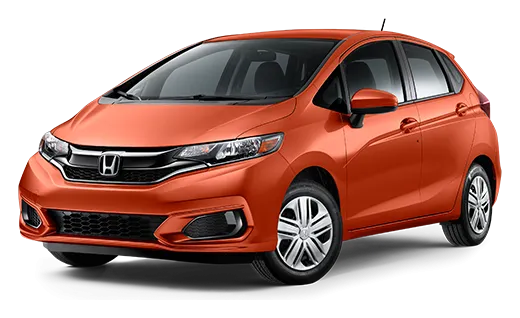
Reliability score
Excellent · best of 6 scored Fit years
2017 Honda Fit Reliability Report
The 2017 Honda Fit rates excellent for reliability, with no recalls. The main issue is a digital display that goes blank on cool, damp mornings.
Recalls
0
Complaints
43
Complaint Rate
9per 10,000 sold
Est. Repair Cost
$390
Annual Fuel Cost
$1,650–1,900
Detailed Score Breakdown
Component-weighted complaints normalized by sales volume
Independent repair cost ratings
Recall count weighted by severity
Breadth of reported problem categories
The verdict
Buy
Best-scoring Fit year, with no recalls and far fewer owner complaints than 2016 or 2018.
Top issues to watch
Looking at a used 2017 Honda Fit? Check that exact car
A VIN check shows the accident, title and odometer history of the car you found, and any open recalls.
Generation & Refresh (US)
2017 is year 3 of the Third generation (GK/GH/GP).
- Redesigned for the 2015 model year.
- Well-established in its generation — most early issues should be resolved.
- A refresh arrives in 2018.
- 3rd generation Fit (US).
What this means for buyers
Well into the generation cycle — most design and manufacturing issues should be resolved by now.
2015: Third generation (GK/GH/GP) Launch
Generation start — new platform.
2017: This Model Year
2017 is year 3 of the Third generation (GK/GH/GP).
2018: Mid-Cycle Refresh
Updated features and styling tweaks.
Should You Buy the 2017 Honda Fit?
Yes, this is the Fit year to look at. Owner complaints and federal records put it at excellent, well above other 2017 sedans and the best of the six Fit years we score. It drew 43 complaints, far fewer than the 122 for 2016 and 117 for 2018, and it has no federal recalls. Crash-test rating is 5 of 5 stars. Model-wide repair costs run about $390 a year against $456 for the class.
The most common complaint is the digital display for fuel level, odometer, and trip data. It goes blank, flickers, or shows jumbled pixels, usually on cool, damp mornings, and often recovers after 10 to 15 minutes of driving. Engine reports are fewer but more serious: stalling and loss of power at freeway speeds, sometimes with a flashing check engine light. Injector and P0420 faults show up between 46,000 and 88,000 miles. Some owners also report paint peeling, mostly on the roof.
Ask for records of injector work or check engine codes. Look at the roof paint, and listen for a rattle on a cold start.
Compared to the 2018 Honda Fit, which scored 13 points lower. See also the 2016 Honda Fit for an earlier comparison.
Pros
- Strong reliability score
- $66 cheaper to maintain than avg subcompact cars
- Low major repair risk8%
- No recalls issued
- Below-average complaint rate for Sedan
Cons
- ElectricalDigital display that shows the fuel gauge, odometer, and trip data goes blank,...12 complaints
- Fuel injector and P0420 faults reported at 46,000–88,000 miles
Compare 2017 Honda Fit With
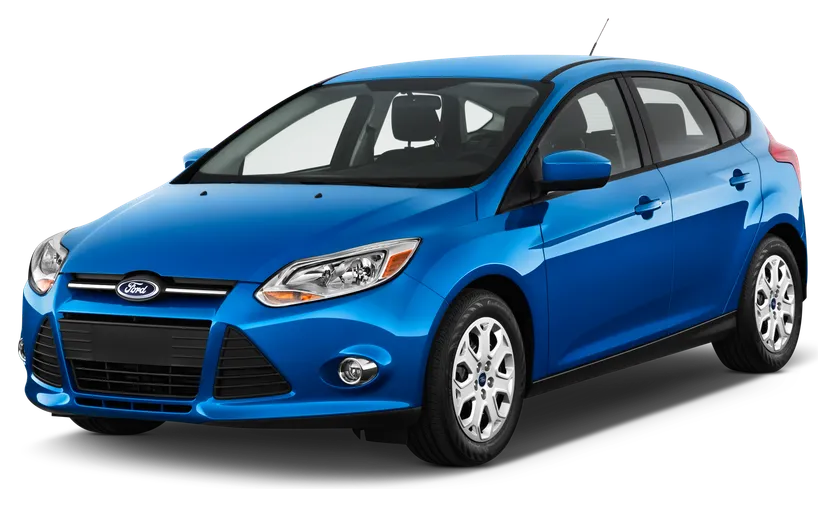
2017 Ford Focus
Reliability: 58/100
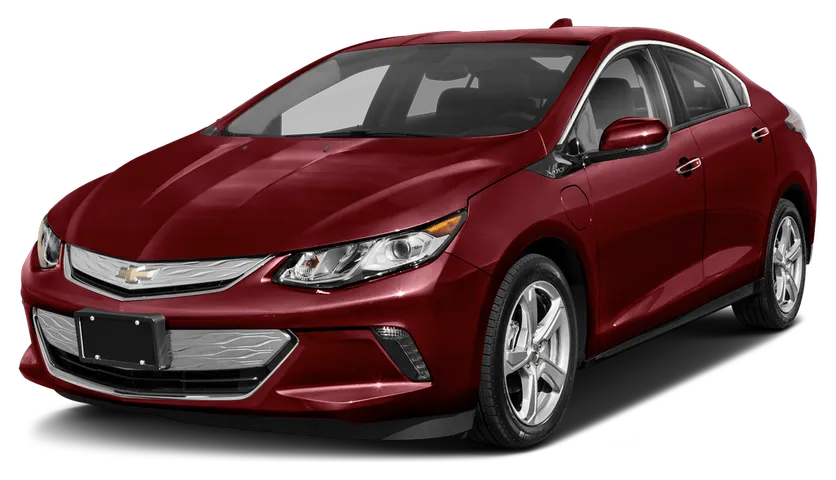
2017 Chevrolet Volt
Reliability: 57/100
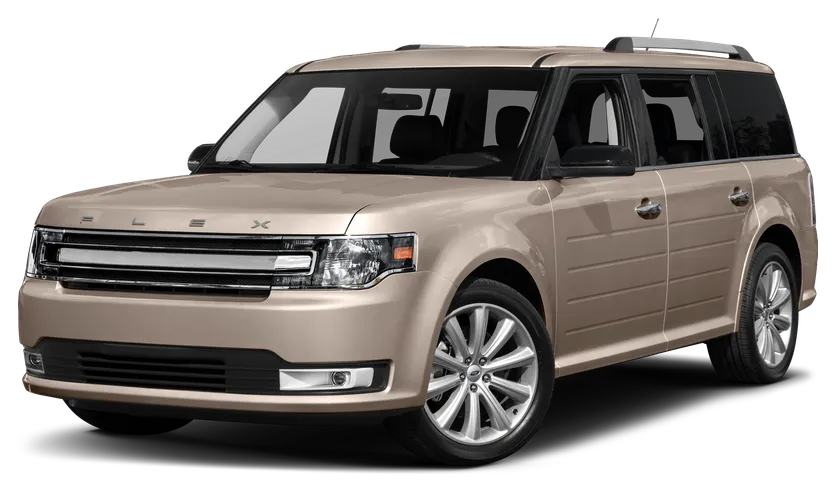
2017 Ford Flex
Reliability: 69/100
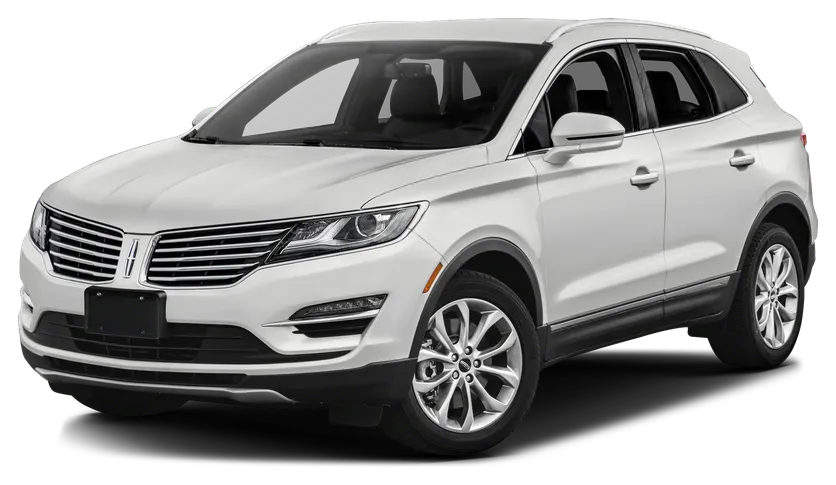
2017 Lincoln MKC
Reliability: 58/100
Top 2017 Honda Fit Problems
The problem areas with the most owner complaints for this model year, out of 43 filed with NHTSA.
- ElectricalElectrical & lighting1228% of complaintsFit electrical problems, all years →
- EngineEngine & powertrain819% of complaintsSee owner reports below →
- Fuel systemEngine & powertrain716% of complaintsFit fuel system problems, all years →
- Body and structureBody & interior512% of complaintsSee owner reports below →
- TransmissionEngine & powertrain25% of complaintsSee owner reports below →
- Wheels and tiresBrakes, steering & tires12% of complaintsSee owner reports below →
Recall Overview
0
recalls on record
No recalls are on record for the 2017 Honda Fit — uncommon, and a strong signal of manufacturing quality.
NHTSA.gov →Complaint Breakdown
9
per 10,000 soldSegment avg: 73.1
Safety Incidents
0
Crashes
0
Fires
1
Injuries
0
Deaths
NHTSA 5/5 Stars
Data sourced from NHTSA complaint filings and manufacturer recall notices. Complaint narratives are owner-reported.
Buying a used 2017 Honda Fit? Check its history first
Electrical system problems lead owner complaints about the 2017 Honda Fit, and 0 recalls were issued for it. A VIN check shows whether this car's recall work was done, plus accident, title, and odometer history.
- Accidents
- Open Recalls
- Title History
- Odometer Rollback
2017 Honda Fit NHTSA Safety Ratings
Overall Safety Rating
Crash Test Results by Configuration (expand)
Gas Powertrain
Rollover risk: 14.7%
Safety Technologies
Honda Fit Repair Costs & Maintenance
Maintenance Rating
4.5Maintenance rating: 4.5 out of 5Based on NHTSA complaint patterns, recall severity, and publicly available cost benchmarks.
Est. Annual Maintenance
$390
vs $456 avg for subcompact cars
vs $652 avg for all vehicles
Repair Frequency
0.4
unscheduled repair visits per year
Severe Repair Probability
8%
chance of a major repair
Annual Cost Comparison
Category-level averages derived from publicly available industry reports (AAA, CarMD). Model-level estimates produced by Auto Reliability Index.
MPG & Annual Running Costs
Gas
32–36 MPG
Running cost: $2,050–$2,300/yr
Fuel + repair
29–33 city / 36–40 hwy MPG
Running cost includes EPA fuel-cost estimate and independent repair-cost data (repair cost estimated at model level). Excludes routine maintenance, depreciation, and insurance. Data as of 2017 EPA label cycle.
Gas trims
| Trim | Drive | Trans. | City | Hwy | Comb | Fuel Cost |
|---|---|---|---|---|---|---|
| Fit 1.5L 4-cyl | Front-Wheel Drive | Automatic (variable gear ratios) | 33 | 40 | 36 | $1,650 |
| Fit 1.5L 4-cyl | Front-Wheel Drive | Automatic (AV-S7) | 32 | 37 | 34 | $1,750 |
| Fit 1.5L 4-cyl | Front-Wheel Drive | Manual 6-spd | 29 | 36 | 32 | $1,900 |
Used Buying Checklist
Key things to inspect or verify before purchasing a 2017 Honda Fit.
Start the engine cold after it has sat overnight and listen for a rattle of about 2 seconds.
Check the fuel and odometer display on a cool morning for blanking, flicker, or scrambled pixels.
Scan for stored codes, especially P0420 and P219A, and ask for any fuel injector repair records.
Drive at freeway speed and accelerate hard, watching for stalling, judder, power loss, or a flashing check engine light.
Look closely at the roof, hood, and doors for peeling clear coat, chips, or rust.
Check under the engine that the panel below the oil pan is present and all its clips are in place.
Lift the floor mats and check the carpet edges for dampness, water stains, or mold.
Shift from Park to Drive several times and feel for jerks, stalling, or slipping into neutral while slowing.
Going to see one? Take the printable 2017 Honda Fit inspection checklist with you.
2017 Honda Fit Common Problems by Component
43 owner complaints grouped by vehicle system.
ELECTRICAL SYSTEM
12 complaintsFit electrical problems across all model years
The digital display that shows the fuel gauge, odometer, and trip data goes blank, flickers, or fills with jumbled pixels. Most reports tie it to cool, damp mornings. The screen often comes back after 10 to 15 minutes of driving. Until it does, drivers cannot see their fuel level or mileage, so they risk running out of gas. Owners say the fault happens more often as the car ages. Other reports cover rodents chewing through engine wiring, every warning light coming on at once, the console dying during Bluetooth use and leaving the car unable to start, and grinding at push-button start.
ENGINE
8 complaintsA loud rattle lasting about 2 seconds on cold start is the most common report. It usually happens after the car has sat for 6 to 8 hours. Owners blame the VTC actuator and worry it could damage the engine if it fails. A second pattern is more serious: stalling, juddering, and loss of power at freeway speeds, sometimes with a flashing check engine light, which forces drivers onto the shoulder. Several owners say new fuel injectors did not stop the stalling or the harsh jerking. Abnormal vibration at idle also appears.
FUEL/PROPULSION SYSTEM
6 complaintsFit fuel system problems across all model years
Check engine lights with code P0420 and failing fuel injectors make up most of these reports. They appear between roughly 46,000 and 88,000 miles. Symptoms include sputtering under acceleration, hard or failed starts, shuddering at a stop, and fuel in the oil. Carbon cleaning did not fix an air-fuel ratio fault, and some owners were quoted a new catalytic converter and oxygen sensors before the cause was found. Reported repairs include new injectors and a new fuel joint pipe. A failing VTC actuator, which causes a cold-start rattle, also shows up here.
STRUCTURE (5 complaints)
STRUCTURE
5 complaintsPaint peels, flakes, and chips, most often on the roof, where the clear coat lifts first. Reports also describe chips on the hood and doors that leave bare metal exposed. In the worst case, paint delaminates and rusts across the whole body and the problem returns after a dealer repaint. Damage can start within months of purchase and gets worse over time. In a separate problem, the panel under the oil pan falls off because its fastening clips go missing, and owners call the design flawed.
UNKNOWN OR OTHER (3 complaints)
UNKNOWN OR OTHER
3 complaintsWater pools on the floorboards during heavy rain, and mold forms along the edges of the carpet. Owners suspect the door seals are leaking. One report describes a serious injury. A passenger's finger was caught as the power windows closed and was broken and nearly severed, with no warning from the car. Peeling paint also shows up in this category, matching the paint complaints under Structure.
POWER TRAIN (2 complaints)
POWER TRAIN
2 complaintsThe CVT stalls or jerks now and then when shifted from Park to Drive. In one report this started after a routine fluid flush at about 36K miles. The same report says the transmission drops into neutral when slowing down, which makes the car unstable at higher speeds, and that fuel economy dropped noticeably. Two dealers could not fix it because no warning lights came on. The other complaint describes the same cold-start engine rattle reported under Engine, which the owner blames on a defective variable valve timing gear.
WHEELS (1 complaints)
WHEELS
1 complaintTAKATA RECALL, ORIGNAL TIRES COME FILLED WITH NITROGEN ON HONDA FIT LEAKING AIR DUE TO DEFECTIVE TIRES HONDA WAS STATIONARY WHEN ALL AIR LEAKED OUT. REGULAR AIR WAS PUT IN ALL TIRES AND CHECKED BY MECHANICS NO NAILS, SLASHES OR ANY PUNCTURES. VEHICLE LOOSES ALL AIR WHEN STATIONED.
SEATS (1 complaints)
SEATS
1 complaintBOTH FRONT SEAT HEAD RESTRAINTS ARE ANGLED TOO FAR FORWARD. I AM 6 FT TALL AND AM NOT ABLE TO REST MY BACK AGAINST THE SEAT WITHOUT THE HEAD RESTRAINT TOUCH MY HEAD FIRST AND PUSH IT DOWNWARD. THIS IS THE CASE, REGARDLESS OF THE HEIGHT OF THE HEAD RESTRAINT. THE MOST NON-UNCOMFORTABLE POSITION IS WITH THE RESTRAINT COMPLETELY DOWN, BUT AT THAT POSITION, IT IS VERY AWKWARD. I AM CONCERNED THAT IF I AM REAR-ENDED, I WILL GET A CERVICAL COMPRESSION OR RELATED FREAK INJURY DUE TO THE UNNATURAL ANGLING.
VEHICLE SPEED CONTROL (1 complaints)
VEHICLE SPEED CONTROL
1 complaintI HAVE A 2017 HONDA FIT LX. AS I WAS DRIVING DOWN A DECLINE ON A CITY STREET I WAS TAPPING THE BRAKES TO SLOW DOWN THE VEHICLE TO KEEP IT AT OR UNDER THE SPEED LIMIT. AS I GOT TO THE BOTTOM OF THE DECLINE THE TRAFFIC LIGHT TURNED RED SO I APPLIED THE BRAKES SIGNIFICANTLY HARDER AND CONSTANT. AS I BRAKED FOR THE STOPLIGHT THE ENGINE REVVED UP AND I HAD A HARD TIME COMING TO A COMPLETE STOP BEFORE THE STOPLIGHT. EVEN AT A COMPLETE STOP THE ENGINE WAS REVVING. I PUT THE CAR IN PARK TO TRY TO STOP THE ENGINE FROM REVVING BUT IT DIDN'T HELP. THE ENGINE CONTINUED TO REV AT A CONSTANT RATE. I TRIED TO TAKE THE CAR OUT OF PARK AND PUT IT IN A LOW GEAR TO GET THE SYSTEM TO RESET BUT I COULD NOT GET THE VEHICLE OUT OF PARK. THE ONLY THING THAT STOPPED THE ENGINE FROM REVVING WAS TURNING THE CAR OFF. I HAVE NO IDEA WHAT CAUSED THE SUDDEN ACCELERATION OF THE ENGINE AS I STOPPED AND WHY IT CONTINUED IN PARK BUT I FIGURED IF IT HAPPENED TO ME THAT IT COULD ALSO HAPPEN TO SOMEONE ELSE IN THE FUTURE SO IT SHOULD BE REPORTED
SUSPENSION (1 complaints)
SUSPENSION
1 complaintI brought my Honda in to Easy Honda in Spring branch Texas for some electrical problems. Turned out to be a fuse but I had to wait two extra hours until a mechanic who could use the computer came in.The front tie rod ends are completely shot on a well cared for car after only 17000 miles. And they want $250 to fix it. My son is a licensed mechanic and let me know that on a Honda those should never wear out and even in a GM product they are good for 80,000 miles. I also had the rubber shield around the oil drain area and I had to cut most of it away so I could drive it. The service writer said it was unnecessary so they would remove the rest. Well of course they lied and did not. What is really incredible is after he did what he need to do my gas mileage increased 10%! So what was wrong before that the computer fixed that I didn't know and still don't. Everyone their is a BS artist out to rip you off. When Penske owned the dealership it was great now they lie cheat and doubled the prices. I wish there was someone at Honda with a brain and cared about there formerly great reputation I could speak to.
When Do 2017 Honda Fit Problems Start?
Based on owner complaint patterns, here’s when common issues tend to appear.
Best & Worst Honda Fit Years
Best Honda Fit years to buy
- 2017Top pickThis year0 recalls · 43 complaints83ExcellentReliability score: 83 out of 100, rated Excellent
- 20204 recalls · 39 complaints77GoodReliability score: 77 out of 100, rated Good
- 20161 recalls · 122 complaints77GoodReliability score: 77 out of 100, rated Good
Top pick: the highest score among years with at least two years on the road; the newest wins a tie.
Honda Fit years to avoid
- 2015Weakest of 6 years4 recalls · 272 complaints67GoodReliability score: 67 out of 100, rated Good
- 2019Below this model's norm6 recalls · 139 complaints68GoodReliability score: 68 out of 100, rated Good
Still rated good overall, but well below the other Honda Fit years.
Full Honda Fit years-to-avoid analysis →Honda Fit reliability score trend
Scores 0–100, higher is better. Best and worst years are ringed. This year is highlighted.
| Year | Score | Rating |
|---|---|---|
| 2015 | 67/100 | Good |
| 2016 | 77/100 | Good |
| 2017 | 83/100 | Excellent |
| 2018 | 70/100 | Good |
| 2019 | 68/100 | Good |
| 2020 | 77/100 | Good |
Honda Fit Reliability Compared to Other Years
Frequently Asked Questions
Is the 2017 Honda Fit reliable?
What are the most common problems with the 2017 Honda Fit?
Does the 2017 Honda Fit have dashboard display problems?
Does the 2017 Honda Fit have engine or fuel injector problems?
Is the 2017 Honda Fit better than the 2016 or 2018?
Don’t buy a 2017 Honda Fit without checking its VIN first — hidden accidents, title issues, and open recalls could cost you thousands.
How we score the 2017 Honda Fit
Of the four inputs behind this score, the 2017 Honda Fit does best on recall impact (100/100) and worst on complaint severity (66/100). Scores weight complaint severity at 35%, repair costs at 30%, recall impact at 20%, and the spread of complaints across systems at 15%, with complaint counts adjusted for US sales. Read the full methodology.
Get notified when new recalls or reliability data is added for the Honda Fit.
No spam. Only data updates for this model.
Browse More Honda Models
Honda Accord
Score: 84/100
Honda CR-V
Score: 71/100
Honda Civic
Score: 94/100
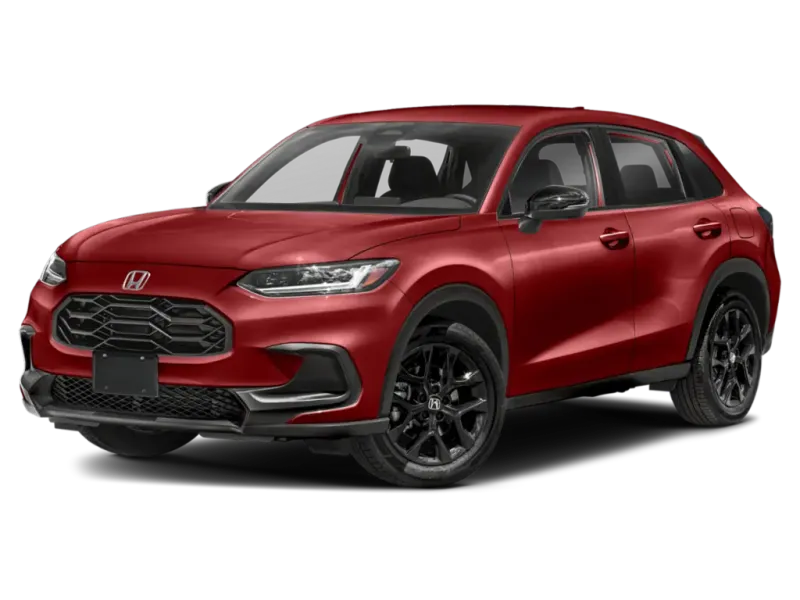
Honda HR-V
Score: 100/100
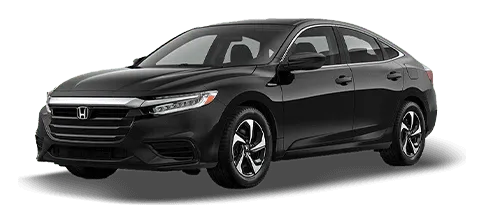
Honda Insight
Score: 71/100
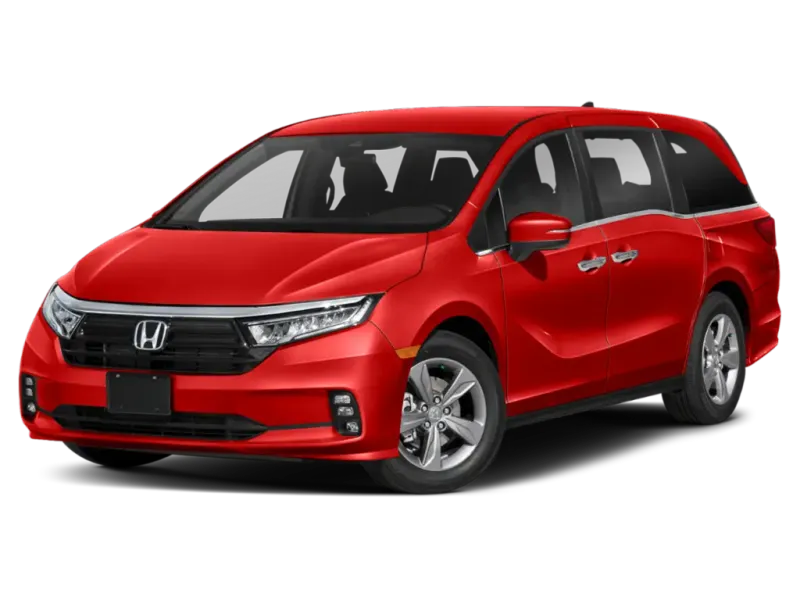
Honda Odyssey
Score: 74/100
Browse More 2017 Vehicles
2017 Ford Flex
Score: 69/100
2017 Ford Focus
Score: 58/100
2017 Lincoln MKC
Score: 58/100
2017 Chevrolet Volt
Score: 57/100
See incorrect data? Report an issue