Last updated: 2026-11-19
Reliability score
Mixed · lowest of 4 scored Volt years
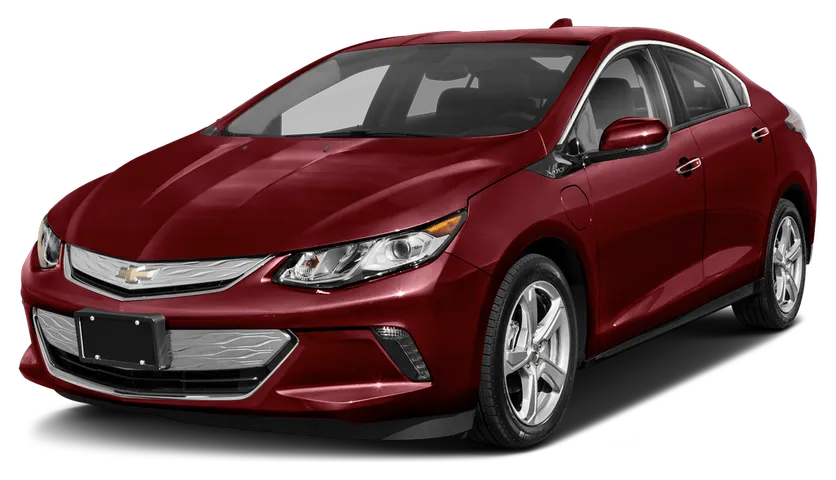
2017 Chevrolet Volt Reliability Report
The 2017 Chevrolet Volt is the weakest Volt year in our data, with sudden power loss and stalling the main complaint. The 2016 and 2018 models fare better.
Recalls
0
Complaints
703
Complaint Rate
345.5per 10,000 sold
Est. Repair Cost
$550
Annual Fuel Cost
$1,450
Detailed Score Breakdown
Component-weighted complaints normalized by sales volume
Independent repair cost ratings
Recall count weighted by severity
Breadth of reported problem categories
The verdict
Caution
The weakest Volt year in our data, with far more complaints than 2016 or 2018, led by sudden power loss, stalling, and EGR valve failures.
Top issues to watch
Looking at a used 2017 Chevrolet Volt? Check that exact car
A VIN check shows the accident, title and odometer history of the car you found, and any open recalls.
Generation & Refresh (US)
2017 received a 2017 chevrolet volt update for the Second generation (2016–2019).
- Changes: Facelift with updated features and improved fuel economy..
- Year 2 in this generation (2016–2023).
- 2nd generation Volt (US).
What this means for buyers
Refresh years bring updates but can also introduce new issues. Check early recall data before buying.
2016: Second generation (2016–2019) Launch
Generation start — new platform.
2017: This Model Year (Refresh)
2017 received a 2017 chevrolet volt update for the Second generation (2016–2019).
Should You Buy the 2017 Chevrolet Volt?
Buy with caution. Owner complaints put this year at the bottom of the Volt lineup and well below other 2017 sedans. The 2016 and 2018 model years both hold up better, with far fewer complaints. Estimated annual repair cost for the Volt is $550, against $471 for its class.
The main trouble is sudden power loss. Owners describe "Propulsion Power Reduced" and "Shift to Park" warnings, followed by stalling, sometimes at highway speed. A false Shift to Park message often starts between about 31,000 and 45,000 miles. The battery energy control module fails between about 32,000 and 56,500 miles. EGR valve failures show up from about 15,000 to 60,600 miles. Owners report waiting weeks or months for parts. Federal recall records show none for this year, and it earns 5 of 5 federal crash-test stars.
If you are set on a Volt, look at 2016 or 2018 first. If you shop this year, ask for records of battery energy control module, EGR valve, and shift controller repairs.
Compared to the 2018 Chevrolet Volt, which scored 3 points higher. See also the 2016 Chevrolet Volt for an earlier comparison.
Pros
- Low major repair risk9%
- No recalls issued
Cons
- Below-average reliability score
- Above-average repair costs for its class
- Above-average complaint rate for Sedan
- ElectricalSudden loss of power while driving leads this category243 complaints
Compare 2017 Chevrolet Volt With
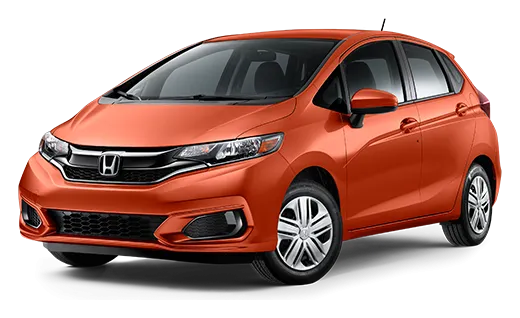
2017 Honda Fit
Reliability: 83/100
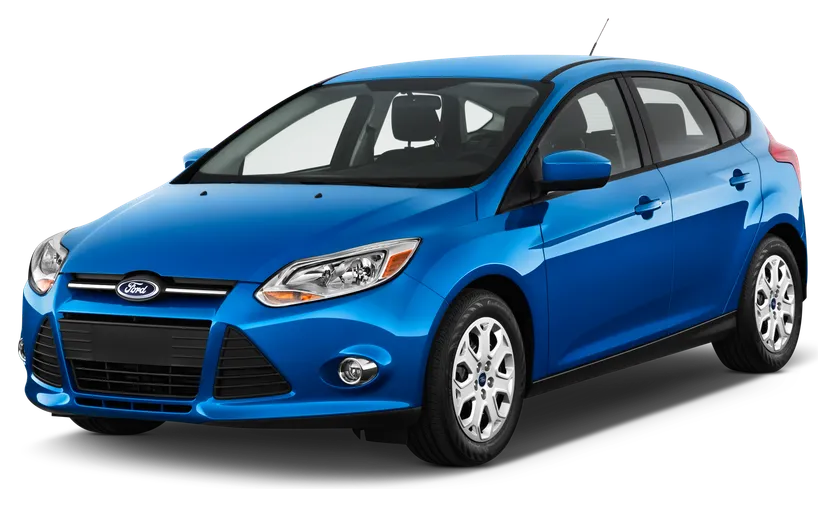
2017 Ford Focus
Reliability: 58/100

2017 Ford Flex
Reliability: 69/100

2017 Lincoln MKC
Reliability: 58/100
Top 2017 Chevrolet Volt Problems
The problem areas with the most owner complaints for this model year, out of 703 filed with NHTSA.
- ElectricalElectrical & lighting24335% of complaintsVolt electrical problems, all years →
- TransmissionEngine & powertrain12418% of complaintsVolt transmission problems, all years →
- Fuel systemEngine & powertrain11216% of complaintsVolt fuel system problems, all years →
- EngineEngine & powertrain9714% of complaintsVolt engine problems, all years →
- BrakesBrakes, steering & tires264% of complaintsSee owner reports below →
- AirbagsAirbags & seat belts101% of complaintsSee owner reports below →
Recall Overview
0
recalls on record
No recalls are on record for the 2017 Chevrolet Volt — uncommon, and a strong signal of manufacturing quality.
NHTSA.gov →Complaint Breakdown
345.5
per 10,000 soldSegment avg: 73.1
Safety Incidents
8
Crashes
9
Fires
11
Injuries
0
Deaths
NHTSA 5/5 Stars
Data sourced from NHTSA complaint filings and manufacturer recall notices. Complaint narratives are owner-reported.
Buying a used 2017 Chevrolet Volt? Check its history first
Electrical system problems lead owner complaints about the 2017 Chevrolet Volt, and 0 recalls were issued for it. A VIN check shows whether this car's recall work was done, plus accident, title, and odometer history.
- Accidents
- Open Recalls
- Title History
- Odometer Rollback
2017 Chevrolet Volt NHTSA Safety Ratings
Overall Safety Rating
Crash Test Results by Configuration (expand)
Gas Powertrain
Rollover risk: 9.3%
Safety Technologies
Chevrolet Volt Repair Costs & Maintenance
Maintenance Rating
4Maintenance rating: 4 out of 5Based on NHTSA complaint patterns, recall severity, and publicly available cost benchmarks.
Est. Annual Maintenance
$550
vs $471 avg for alternative fuel vehicles
vs $652 avg for all vehicles
Repair Frequency
0.4
unscheduled repair visits per year
Severe Repair Probability
9%
chance of a major repair
Annual Cost Comparison
Category-level averages derived from publicly available industry reports (AAA, CarMD). Model-level estimates produced by Auto Reliability Index.
MPG & Annual Running Costs
Plug-in Hybrid
42 MPG
Running cost: $2,000/yr
Fuel + repair
43 city / 42 hwy MPG
Running cost includes EPA fuel-cost estimate and independent repair-cost data (repair cost estimated at model level). Excludes routine maintenance, depreciation, and insurance. Data as of 2017 EPA label cycle.
Plug-in Hybrid trims
| Trim | Drive | Trans. | City | Hwy | Comb | Fuel Cost |
|---|---|---|---|---|---|---|
| Volt 1.5L 4-cyl | Front-Wheel Drive | Automatic (variable gear ratios) | 43 | 42 | 42 | $1,450 |
Used Buying Checklist
Key things to inspect or verify before purchasing a 2017 Chevrolet Volt.
Shift into Park and press the power button several times; walk away if "Shift to Park" appears or the car stays on.
Ask for service records showing battery energy control module, EGR valve, or shift controller repairs.
Drive at highway speed in Hold mode and watch for "Propulsion Power Reduced", a check engine light, or rough running.
Confirm the airbag warning light goes out and the passenger airbag status light works with someone in the seat.
Inspect the charging cord handle and connector for melting, scorching, or a burnt smell.
Turn the wheel fully both ways at parking speed and watch for heavy steering or a power steering message.
Brake firmly from moderate speed several times and feel for a delay or a sinking pedal.
Lift the rear hatch fully and make sure it stays open on its own.
Going to see one? Take the printable 2017 Chevrolet Volt inspection checklist with you.
2017 Chevrolet Volt Common Problems by Component
703 owner complaints grouped by vehicle system.
ELECTRICAL SYSTEM
243 complaintsSafety-relatedVolt electrical problems across all model years
Sudden loss of power while driving leads this category. Drivers see "Propulsion Power Reduced" or "Shift to Park" warnings, then the car stalls, sometimes at highway speed. Some cars refuse to shut off, rev the engine in electric mode, or overheat on long trips in gas mode. Seven reports involve fire, including fires under the hood while driving on gas, a melted charging-cord connector, and a burned door panel while parked. Dealers replace the battery energy control module or engine control module, and repairs can keep cars in the shop for weeks.
POWER TRAIN
124 complaintsVolt transmission problems across all model years
A false "Shift to Park" message is the most common complaint. The car is already in Park but will not shut off or lock until the driver cycles the shifter, often many times. It tends to start between about 31,000 and 45,000 miles and gets worse over time. Dealers replace the shift controller and cable. Battery energy control module failures are the other big pattern. Symptoms include no charging, a false zero EV range, reduced power, and stalling. One owner was injured when the car rolled backward while in Park.
FUEL/PROPULSION SYSTEM
110 complaintsSafety-relatedVolt fuel system problems across all model years
Total power loss happens without warning on freeways and surface streets, even with both a charged battery and gas in the tank. Some cars do it within the first 1,000 miles. Many reports also describe "Propulsion Power Reduced" warnings tied to a failed EGR valve that blows a fuse, or to a failed battery energy control module. Owners report long waits for both parts, with no delivery dates. Some cars spill gas at the pump and will not fill. Two reports involve crashes.
ENGINE (93 complaints)
ENGINE
93 complaintsVolt engine problems across all model years
EGR valve failure dominates this category. A shorted valve blows a fuse, triggers "Propulsion Power Reduced" or "engine unavailable" warnings, and leaves the car running rough, lurching, or limited to low speeds on battery power. Some cars overheat. Repairs include the EGR valve, EGR cooler, thermostat, and fuse, and back-ordered parts leave owners waiting months. Failures range from about 15,000 to 60,600 miles. Very new cars also stall on the highway when switching from electric to gas, and one dealer replaced the drive motor.
UNKNOWN OR OTHER (59 complaints)
UNKNOWN OR OTHER
59 complaintsSafety-relatedFires are the most serious reports here. One car burned at highway speed in gas mode and another while parked, both without warning. Many owners describe the false "Shift to Park" message that keeps the car from shutting off. In one crash, a driver thought the car was off when it was still moving. Liftgate struts fail and let the hatch fall, with two injuries reported. Other complaints include the key fob not being recognized, which locked occupants in a hot car, repeated tire sidewall blowouts, and battery control module failures waiting on parts.
SERVICE BRAKES (26 complaints)
SERVICE BRAKES
26 complaintsSafety-relatedBrakes briefly stop working while slowing down. Owners describe a delay of up to a second, a pedal that goes soft and sinks, or a feeling of sliding on ice before braking resumes. Pedal effort can also change suddenly from one stop to the next. Adaptive cruise control drops out at random, sometimes while coming to a stop. The regenerative braking paddle does not turn on the brake lights. One electric brake booster failure went unrepaired because no parts were available. In one crash, a car rolled backward and pinned the driver against a wall.
AIR BAGS (10 complaints)
AIR BAGS
10 complaintsSafety-relatedA constant airbag warning light is the main pattern, usually caused by a failed passenger presence or occupant detection sensor. While the fault is active, the front passenger airbag, or in some reports every airbag, will not deploy. It appears between about 20,000 and 41,000 miles. Quoted repairs run from $800 to more than $1,100, with parts out of stock and some dealers refusing warranty coverage. Two crash reports describe sudden acceleration into a garage wall and a side impact with no airbag deployment.
ELECTRONIC STABILITY CONTROL (ESC) (7 complaints)
ELECTRONIC STABILITY CONTROL (ESC)
7 complaintsFew of these reports involve stability control itself. Most describe the car asking to be shifted into Park while moving, refusing to shut down, or losing propulsion on the freeway. Some reports pair power loss with "Service StabiliTrak" and "Service Power Steering" warnings and loss of steering assist. Lane keeping stopped centering the car after a dealer reprogramming in one case. One owner paid about $1,260 to replace a failed module that left the center screen and backup camera blank, and the part was back-ordered.
VEHICLE SPEED CONTROL (7 complaints)
VEHICLE SPEED CONTROL
7 complaintsSafety-relatedAdaptive cruise control fails to engage or shuts off without warning. In L mode, that makes the car slow sharply in traffic. Cruise also cancels when the brake pedal sags slightly, and dealers often cannot find the fault. One crash report describes the automatic parking assist accelerating hard in reverse and hitting a pole. Other reports repeat the false "Shift to Park" problem, reduced propulsion with a check engine light, and the car failing to switch to gas when the battery runs empty.
STEERING (6 complaints)
STEERING
6 complaintsPower steering assist cuts out while driving, and the wheel suddenly becomes very hard to turn, including on curves and in turns. A "Service Power Steering" message may appear afterward. Failures are reported as early as 2,043 miles and around 28,000 miles, and one dealer called for a full steering assembly replacement. Other reports describe steering that chatters, then wanders and will not stay centered, a grinding noise that leaves the car undriveable, and a failed steering column latch.
When Do 2017 Chevrolet Volt Problems Start?
Based on owner complaint patterns, here’s when common issues tend to appear.
Best & Worst Chevrolet Volt Years
Best Chevrolet Volt years to buy
- 2019Top pick2 recalls · 35 complaints68GoodReliability score: 68 out of 100, rated Good
- 20161 recalls · 171 complaints66GoodReliability score: 66 out of 100, rated Good
- 20182 recalls · 229 complaints60GoodReliability score: 60 out of 100, rated Good
Top pick: the highest score among years with at least two years on the road; the newest wins a tie.
Chevrolet Volt years to avoid
- 2017Weakest of 4 yearsThis year0 recalls · 703 complaints57MixedReliability score: 57 out of 100, rated Mixed
Chevrolet Volt reliability score trend
Scores 0–100, higher is better. Best and worst years are ringed. This year is highlighted.
| Year | Score | Rating |
|---|---|---|
| 2016 | 66/100 | Good |
| 2017 | 57/100 | Mixed |
| 2018 | 60/100 | Good |
| 2019 | 68/100 | Good |
Chevrolet Volt Reliability Compared to Other Years
Frequently Asked Questions
Is the 2017 Chevrolet Volt reliable?
What are the most common problems with the 2017 Chevrolet Volt?
Does the 2017 Chevrolet Volt have Shift to Park problems?
Does the 2017 Chevrolet Volt have recalls?
Is the 2017 Chevrolet Volt better or worse than the 2018?
Don’t buy a 2017 Chevrolet Volt without checking its VIN first — hidden accidents, title issues, and open recalls could cost you thousands.
How we score the 2017 Chevrolet Volt
Of the four inputs behind this score, the 2017 Chevrolet Volt does best on recall impact (100/100) and worst on complaint severity (10/100). Scores weight complaint severity at 35%, repair costs at 30%, recall impact at 20%, and the spread of complaints across systems at 15%, with complaint counts adjusted for US sales. Read the full methodology.
Get notified when new recalls or reliability data is added for the Chevrolet Volt.
No spam. Only data updates for this model.
Browse More Chevrolet Models
Chevrolet Blazer
Score: 88/100
Chevrolet Blazer EV
Score: 56/100
Chevrolet Bolt
Score: 63/100
Chevrolet Camaro
Score: 77/100

Chevrolet Colorado
Score: 88/100
Chevrolet Corvette
Score: 76/100
Browse More 2017 Vehicles
2017 Honda Fit
Score: 83/100
2017 Ford Flex
Score: 69/100
2017 Ford Focus
Score: 58/100
2017 Lincoln MKC
Score: 58/100
See incorrect data? Report an issue