Last updated: 2026-11-19
Chevrolet · Compact Sedan · 2016–2019
Chevrolet Volt Reliability by Year
Chevrolet Volt owners mostly report electrical faults, led by a false Shift to Park message. The 2019 and 2016 model years rate best.
Average reliability score across 4 scored model years
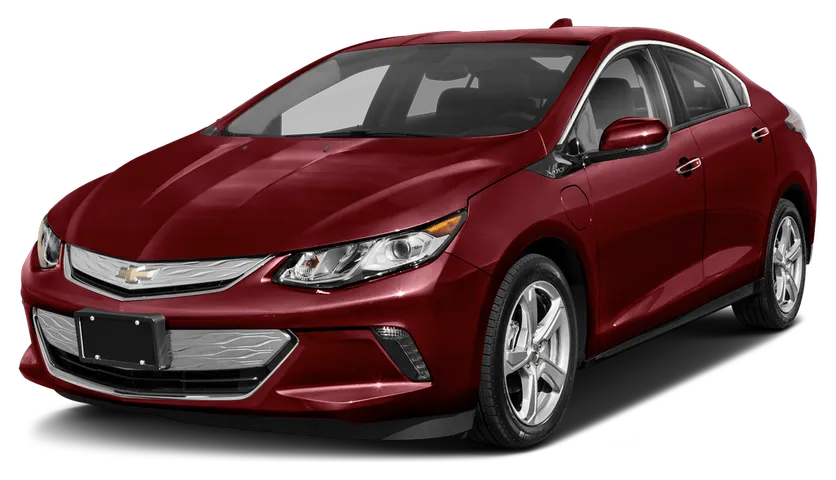
Overview
Chevrolet Volt Reliability Overview
Reliability is good overall for this hybrid sedan, though it sits well below average among sedans on the site. The most common complaints are a false "Shift to Park" message that keeps the car running and sudden "Propulsion Power Reduced" power loss. Model year 2019 is the pick, while 2017 draws the most complaints and is the year to avoid.
Chevrolet sold 24,739 Volts in the U.S. in 2016, the first year of the second generation. Sales fell to 18,306 in 2018, and GM ended Volt production in 2019.
Current generation: 2nd gen (2016–2023), facelifted 2017
Best & Worst Chevrolet Volt Years
Best Chevrolet Volt years to buy
The 2019 has far fewer complaints per car sold than the 2017, and most of them describe the Shift to Park message rather than stalling. The data shows no fire reports for it. A few owners still report sudden power or braking loss. The 2016 is close on complaint rate, but 2019 is the site's pick.
- 2019Top pick2 recalls · 35 complaints · 71.3 per 10k sold68GoodReliability score: 68 out of 100, rated Good
- 20161 recalls · 171 complaints · 69.1 per 10k sold66GoodReliability score: 66 out of 100, rated Good
- 20182 recalls · 229 complaints · 125.1 per 10k sold60GoodReliability score: 60 out of 100, rated Good
Top pick: the highest score among years with at least two years on the road; the newest wins a tie.
Chevrolet Volt years to avoid
Owners of 2017 cars report sudden power loss, with "Propulsion Power Reduced" warnings and stalls, sometimes at highway speed. Others say the car will not shut off because of a false "Shift to Park" message. Nine fire reports appear, and owners describe long waits for backordered parts.
Full Chevrolet Volt years-to-avoid analysis →Chevrolet Volt reliability score trend
Chevrolet Volt reliability has remained consistent across model years, averaging 63/100.
Scores 0–100, higher is better. Best and worst years are ringed.
| Year | Score | Rating |
|---|---|---|
| 2016 | 66/100 | Good |
| 2017 | 57/100 | Mixed |
| 2018 | 60/100 | Good |
| 2019 | 68/100 | Good |
Found a used Chevrolet Volt? Check that exact car
Model years differ a lot, and the 2019 rates best. A VIN check confirms the car's year, open recalls, accidents and title history.
Year-by-Year Reliability
Every Chevrolet Volt model year we track, newest first, grouped by generation. Bars compare complaints per 10,000 cars sold.
- 2019 Chevrolet Volt2 recalls · 35 complaints · 71.3/10kThe best-rated Volt year of the four scored, with far fewer complaints than 2018, though the park-shifter fault and brake loss reports remain.71.3 per 10k68GoodReliability score: 68 out of 100, rated Good
- 2018 Chevrolet Volt2 recalls · 229 complaints · 125.1/10kMiddle of the four scored Volt years: better than 2017, behind 2019, with false shift-to-park alerts, propulsion loss and EGR valve failures.125.1 per 10k60GoodReliability score: 60 out of 100, rated Good
- 2017 Chevrolet Volt0 recalls · 703 complaints · 345.5/10kThe weakest Volt year in our data, with far more complaints than 2016 or 2018, led by sudden power loss, stalling, and EGR valve failures.345.5 per 10k57MixedReliability score: 57 out of 100, rated Mixed
- 2016 Chevrolet Volt1 recalls · 171 complaints · 69.1/10kFirst year of the second generation and among the stronger Volts, with far fewer complaints than 2017, though battery module failures start near 84,000 miles.69.1 per 10k66GoodReliability score: 66 out of 100, rated Good
Common Chevrolet Volt problems
Problem areas with the most owner complaints, each with the years affected, symptoms, and fixes.
Viewing a Chevrolet Volt soon? Use a printable inspection checklist for its model year.
Found Your Chevrolet Volt? Check Its History
Power train (12) problems come up most in Chevrolet Volt owner complaints, and 5 recalls cover the years we track. A VIN check shows whether the car you found had its recall work done, plus accident and title history.
- Accidents
- Open Recalls
- Title History
- Odometer Rollback
Chevrolet Volt Repair Costs
Reliability Rating
4/5
Annual Repair Cost
$550
Repair Frequency
0.4/yr
Major Repair Risk
9%
$79 a year more to keep running than the average for alternative fuel vehicles.
- Chevrolet Volt
- $550/yr
- Alternative fuel vehicles average
- $471/yr
Ranked #2 of 4 among alternative fuel vehicles.
Chevrolet Volt Years to Avoid
See which model years have the most problems
Most Reliable Chevrolet Models
Compare all Chevrolet models by reliability
Compare Chevrolet Volt With Similar Sedans
The Chevrolet Volt competes with other compact sedans such as Ford Fusion, Chevrolet Bolt, and Nissan Leaf.
 Volt vsFord FusionVolt63/100Fusion68/100Fusion scores higher · 3 years tracked · 1,222 complaints
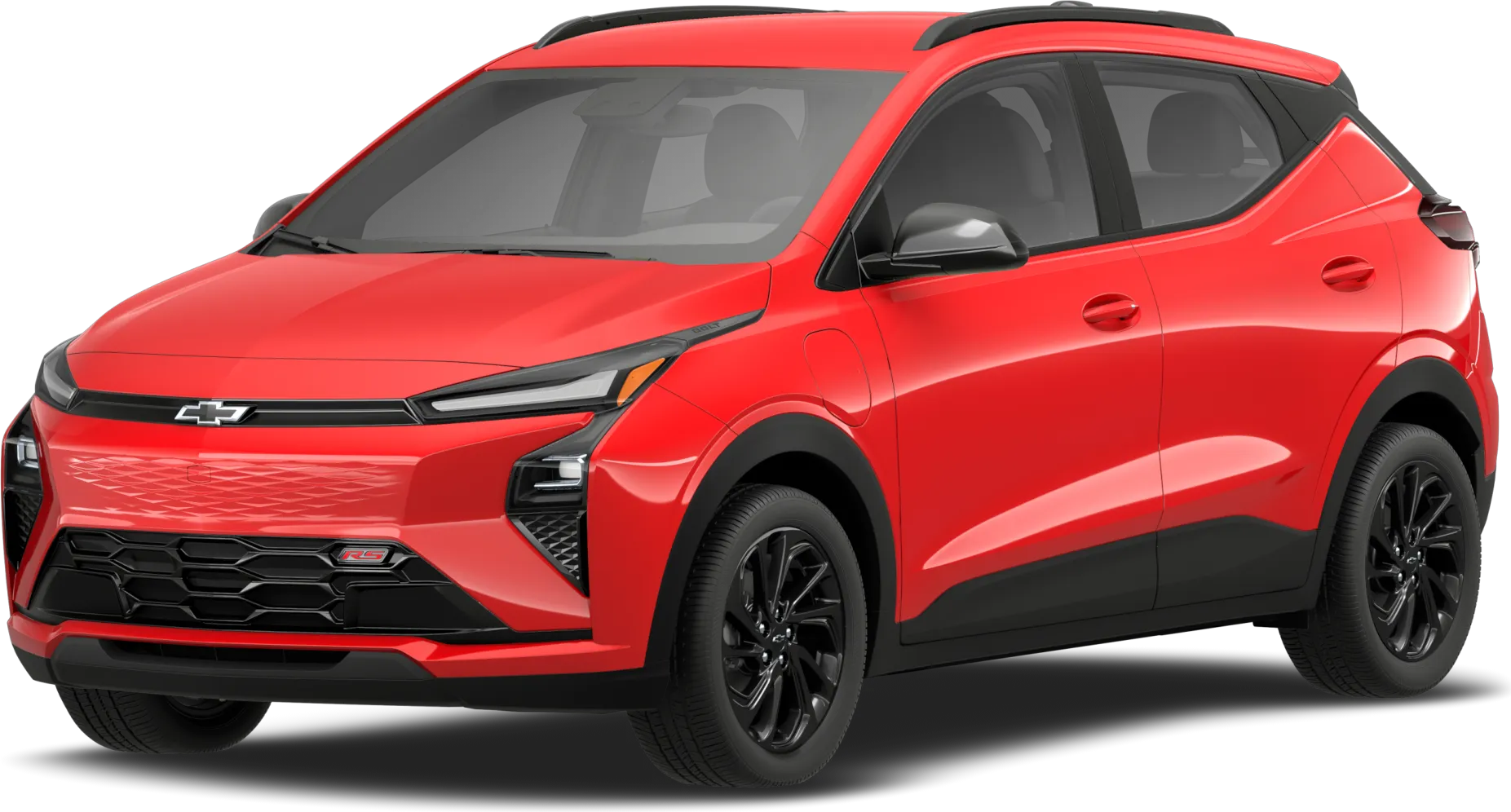 Volt vsChevrolet BoltVolt63/100Bolt59/100Volt scores higher · 5 years tracked · 603 complaints
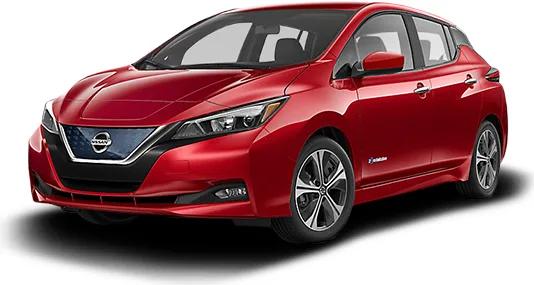 Volt vsNissan LeafVolt63/100Leaf66/100Leaf scores higher · 5 years tracked · 565 complaints
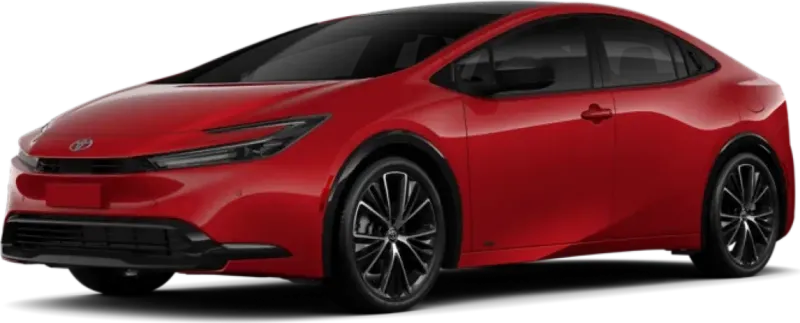 Volt vsToyota PriusVolt63/100Prius78/100Prius scores higher · 9 years tracked · 264 complaints
Frequently Asked Questions
- What is the best year for the Chevrolet Volt?
- The 2019 is the best year, and the 2016 is the runner-up. Both rate good and have the lowest complaint rates per car sold. The 2019 is the site's pick because it has been on the road long enough to judge. The 2017 is the weakest year.
- Is the Chevrolet Volt reliable long term?
- Battery energy control module failures are the main long-term risk, reported at roughly 87,000 to 110,000 miles. They cause no-starts, no-charge faults, and sudden loss of electric range. Reliability rates good, but the Volt sits well below average among sedans on the site. Dealers sometimes cannot reproduce faults that come and go.
- What are the most common Chevrolet Volt problems?
- Electrical complaints lead, followed by power train and fuel/propulsion complaints. The top symptom is a "Shift to Park" message while the shifter is already in Park, so the car will not shut off. Next is a sudden "Propulsion Power Reduced" warning, which dealers often trace to the battery energy control module or the EGR valve.
- How much does it cost to maintain a Chevrolet Volt?
- Independent repair-cost data puts the estimated annual repair cost at $550. That is above the $471 average for alternative fuel vehicles. One owner report cites a $5,005.58 repair estimate that included corroded battery connectors. Another says a battery module quote was $2500 outside special coverage.
- Have there been recalls on the Chevrolet Volt?
- Federal recall records show one recall for the 2016, none for the 2017, and two each for the 2018 and 2019. Check a specific car's VIN with the manufacturer or NHTSA before buying. Owner complaints mention recalls loosely, so they are not a reliable guide to what was covered.
How we score the Chevrolet Volt
Scores weight complaint severity at 35%, repair costs at 30%, recall impact at 20%, and the spread of complaints across systems at 15%, with complaint counts adjusted for US sales. Read the full methodology.
Get notified when new recalls or reliability data is added for the Chevrolet Volt.
No spam. Only data updates for this model.
See incorrect data? Report an issue