Last updated: 2026-11-19
Electrical & lighting
Chevrolet Volt Electrical Problems
Chevrolet Volt electrical problems center on battery control module failure that cuts drive power without warning, most often in the 2017.
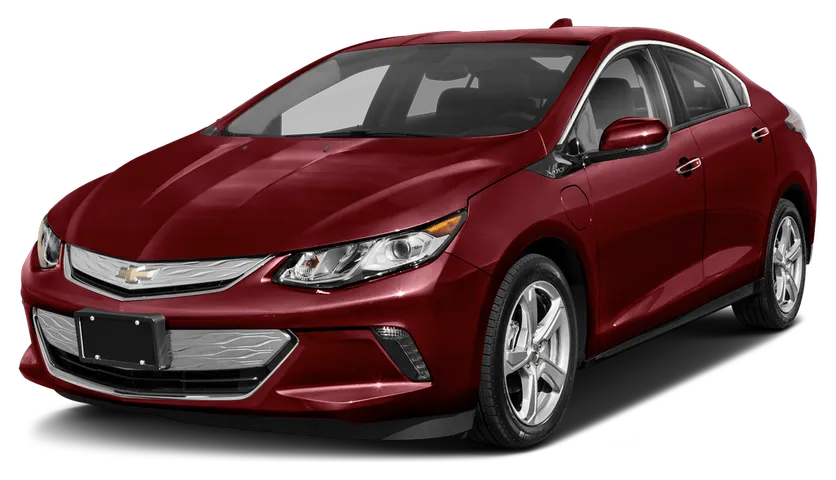
- Owner complaints
- 375
- Share of all complaints
- 33%
- Crash / fire / injury reports
- 4 / 7 / 4
- Related recalls
- 0
Chevrolet Volt electrical complaints by model year
The 2017 model year leads by a wide margin, with 243 electrical complaints and the highest rate per 10,000 sold. It is also the only year with fire reports. The 2018 and 2016 model years follow with 70 and 53 complaints, mostly BECM failures. The 2019 has only 9, but it is the newest year and has had the least time to collect complaints, so that low count does not make it safer. One 2019 report describes a crash with weak braking.
| Model year | Complaints | Per 10,000 sold | Crash, fire, injury reports |
|---|---|---|---|
| 2016 | 53 | 21.4 | 2, 0, 0 |
| 2017 | 243 | 119.4 | 1, 7, 4 |
| 2018 | 70 | 38.2 | 0, 0, 0 |
| 2019 | 9 | 18.3 | 1, 0, 0 |
Owner complaints filed with NHTSA under electrical system. Newer model years have had less time to collect complaints.
What goes wrong
The most common electrical complaint is a sudden loss of drive power. The dash shows "Propulsion Power Reduced," the car may read zero electric range on a full battery, and it can refuse to start or charge. Dealers often point to the battery energy control module, known as the BECM. A second pattern is a false "Shift to Park" message that keeps the car from shutting off even when it is already in Park.
Safety is the real concern. Power has cut out at highway speed, and a few owners lost power steering and assisted braking at the same time. Complaints include crashes, and the 2017 model year has seven fire reports, among them cars that burned while driving and charging plugs that caught fire. Some cars sat at the dealer for weeks. The Shift to Park fault can also drain the battery and strand the driver.
Symptoms owners report
Sudden loss of drive power
The car shows "Propulsion Power Reduced" and may stall at highway speed. Some owners say it will not restart, move, or charge. Owners describe being stopped in a live lane or pushing the car off the road.
Zero range on a full battery
The gauge shows a full charge but zero electric miles. The car may sit still in Drive, or the gas engine takes over suddenly. Some owners also report electric range that fell sharply after a repair.
False "Shift to Park" warning
The dash says to shift to Park when the car is already there. The car will not shut off or lock, and the lights stay on. Jiggling the shifter sometimes clears it, but a car left on can drain its battery.
Fires while driving, parked, or charging
Owners describe fires that started under the hood on the highway, inside a door panel on a parked car, and in the charging plug or handle. One owner put out a plug fire with an extinguisher.
Lost braking and steering assist
When power drops, some owners say power steering and assisted braking went with it. Reports include a car that rolled into a utility pole in reverse, a rainy-day crash at 45 mph, and a 2019 crash with weak brakes.
When the problems start
Owners report trouble at widely different mileages. One Shift to Park fault began around 5,000 miles. Power loss was reported at 22,000 miles and BECM failure at 61,500. A cluster of 2016 BECM failures falls between about 71,000 and 110,000 miles. A failed high-voltage relay in a 2019 was reported at 80,000 miles.
Repairs and recalls
Dealers most often name the BECM, and owners quote about $3,500 to replace it. Some say the fault returned after the swap. Many report that GM's extended BECM coverage did not apply to their VIN, in some cases because the car was first registered in California. Owners also describe backordered parts, weeks at the dealer, and warranty refusals for the Shift to Park repair. Federal recall records list no recalls in this area.
Checking a used Volt for electrical problems
- Ask a Chevrolet dealer to check the VIN for GM's BECM special coverage, and get the answer in writing before you buy.
- Shut the car off several times in Park and watch for a "Shift to Park" message.
- Request service records showing any BECM replacement, and whether the fault came back afterward.
- Drive at highway speed and watch for "Propulsion Power Reduced" or a sudden drop to zero electric range.
- Charge the car fully and confirm the range reads normally, then inspect the charging handle and cord for melting or scorch marks.
- Be extra cautious with 2017 cars, which have the most complaints and every fire report.
For the rest of the car, use a full Chevrolet Volt inspection checklist.
A VIN check shows whether the car you're looking at had its recall work done, plus accident and title history.
Chevrolet Volt Electrical Problems: common questions
- Which Chevy Volt years have the most electrical problems?
- The 2017 has the most by far, with 243 electrical complaints and the highest rate per 10,000 sold. The 2018 has 70 and the 2016 has 53. The 2019 has only 9, but it is the newest year and has had less time to collect complaints.
- Is it safe to drive a Volt with electrical problems?
- Not when the warnings are active. Owners report power loss at highway speed, lost steering and braking assist, and fires in the 2017 model year. A Volt showing "Propulsion Power Reduced" should be pulled over and diagnosed before further driving.
- Is there a recall for Volt electrical problems?
- Federal recall records list no recalls in this area for the Volt. Some owners mention GM extended BECM coverage, but they also say it did not apply to every VIN. Ask a dealer to check your specific car.
- How much does it cost to fix a Volt BECM?
- Owners report about $3,500 for a dealer BECM replacement. Some say the fault came back afterward. Others faced backordered parts or were denied extended coverage on their VIN, so the final bill varies by car and coverage.
- What does the Volt "Shift to Park" message mean?
- Owners see it when the car is already in Park. It stops the car from shutting off or locking, and the battery can run down if the car stays on. Shifting through the gears sometimes clears it. One owner says GM refused warranty coverage for the repair.
Other Chevrolet Volt problems
More on the Chevrolet Volt
See incorrect data? Report an issue