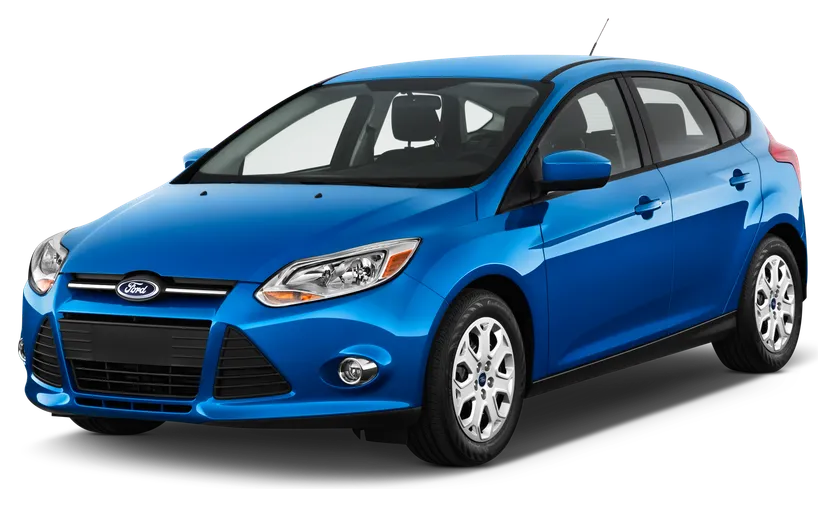


Last updated: 2026-11-19

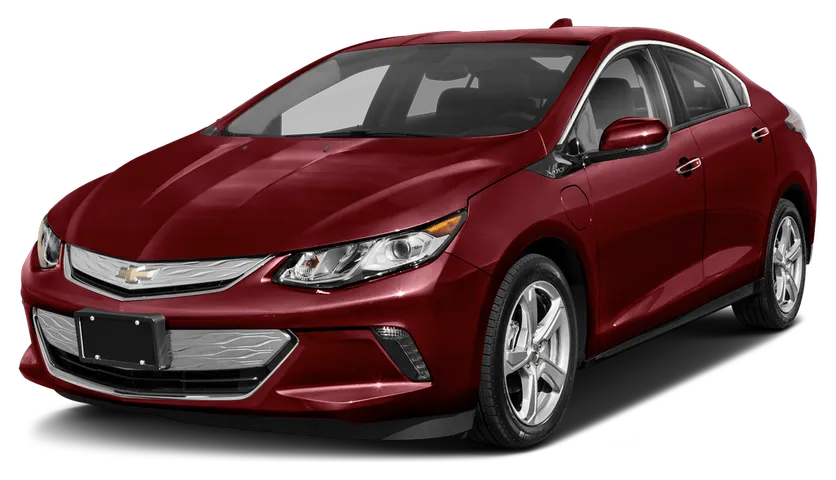
2016 Chevrolet Volt
66
GoodReliability score: 66 out of 100, rated Good

Reliability score

Good · #2 of 4 scored Volt years

2016 Chevrolet Volt Reliability Report

The 2016 Chevrolet Volt rates good, but battery control module failures can cut power or block starting from about 84,000 miles.

Recalls

1

Complaints

171

Complaint Rate

69.1per 10,000 sold

Est. Repair Cost

$550

Annual Fuel Cost

$1,450

Detailed Score Breakdown

Complaint Severity35% of score33/100

Component-weighted complaints normalized by sales volume

Repair Costs30% of score80/100

Independent repair cost ratings

Recall Impact20% of score88/100

Recall count weighted by severity

Issue Diversity15% of score85/100

Breadth of reported problem categories

The verdict

Consider

First year of the second generation and among the stronger Volts, with far fewer complaints than 2017, though battery module failures start near 84,000 miles.

Looking at a used 2016 Chevrolet Volt? Check that exact car

1 recall covers this year. A VIN check shows whether the car you found had the work done, plus accidents, title and odometer history.

Generation & Refresh (US)

Redesign Year

2016 is the first model year of the Second generation (2016–2019).

  • First-year models may have unresolved issues from the new design.
  • Redesigned for the 2016 model year.
  • Refreshed in 2017.
  • 2nd generation Volt (US).

What this means for buyers

First-year models carry more risk — early production issues are common. Consider waiting for the second year if reliability is a priority.

Compare 2016 pricing and recall counts against 2017+ before deciding.

2016: Second generation (2016–2019) Launch

Generation start — new platform.

2017: Mid-Cycle Refresh

Updated features and styling tweaks.

Should You Buy the 2016 Chevrolet Volt?

Good is the standing here, and it is among the stronger of the four scored Volt years. Against other 2016 sedans it sits close to average. The 2017 Volt rates worse, with 703 complaints to this year's 171. Independent repair-cost data puts model-wide upkeep at $550 a year, above $471 for the class.

The biggest issue is the battery energy control module (BECM). Owners report no-starts, no-charge faults and sudden power loss at freeway speed, mostly from 84,000 miles up. A failed EGR valve brings a "Propulsion Power Reduced" warning as early as 40,000 miles. Some owners waited weeks or months for parts. Another common complaint is a "Shift to Park" message that keeps the car from shutting off. Federal recall records show one recall, for air bags.

Ask for repair records covering the BECM and EGR valve, and confirm the air bag recall was completed. On a test drive, shut the car off in Park and see whether it turns off cleanly.

Compared to the 2017 Chevrolet Volt, which scored 9 points lower.

Pros

  • Acceptable reliability score
  • Low major repair risk9%
  • Low recall count
  • Below-average complaint rate for Sedan

Cons

  • Above-average repair costs for its class
  • ElectricalCar won't power down because it shows "Shift to Park" while the shifter is...53 complaints
  • Fuel systemPower drops suddenly with a "Propulsion Power Reduced" warning and a check...36 complaints

Compare 2016 Chevrolet Volt With

Recall Overview

1

recall on record

The 2016 Chevrolet Volt carries 1 recall — a low count. Authorized dealers repair any open recall free of charge, regardless of warranty status.

NHTSA.gov →

Complaint Breakdown

69.1

per 10,000 sold

Segment avg: 59.5

LowAvgHigh
High

Safety Incidents

3

Crashes

1

Fires

1

Injuries

0

Deaths

Data sourced from NHTSA complaint filings and manufacturer recall notices. Complaint narratives are owner-reported.

2016 Chevrolet Volt Recall Details

1 recall has been issued for the 2016 Chevrolet Volt. Recall repairs are free at authorized dealers, so check that each one below was done on the car you are looking at.

AirbagsRecall 17V621000Oct 5, 2017

The driver's frontal air bag may improperly inflate during second-stage deployment in the event of a high speed crash.

Risk
An improperly inflated air bag increases the risk of injury in a crash.
Fix
GM will notify owners, and dealers will replace the driver's frontal air bag module, free of charge.
Which vehicles are covered

General Motors LLC (GM) is recalling certain 2015-2016 GMC Canyon and Chevrolet Colorado, and 2016 Chevrolet Volt vehicles.

More about the fix

The recall began November 8, 2017. Owners may contact Chevrolet customer service at 1-800-222-1020, or GMC customer service at 1-800-462-8782. GM's number for this recall is 17387.
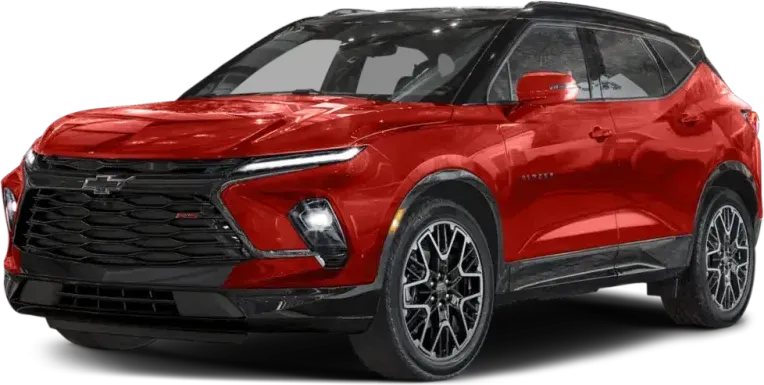
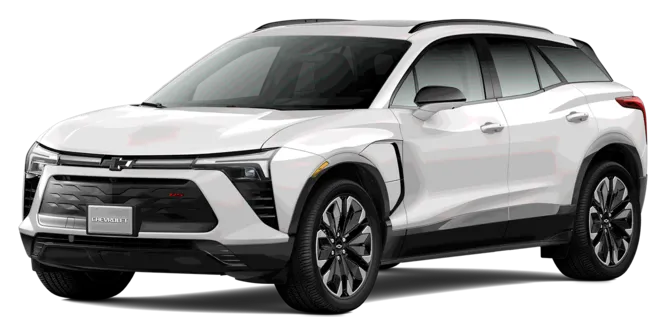
VIN History Report

Buying a used 2016 Chevrolet Volt? Check its history first

Electrical system problems lead owner complaints about the 2016 Chevrolet Volt, and 1 recall was issued for it. A VIN check shows whether this car's recall work was done, plus accident, title, and odometer history.

No VIN? Just hit “Check VIN” to look one up.

  • Accidents
  • Open Recalls
  • Title History
  • Odometer Rollback

2016 Chevrolet Volt NHTSA Safety Ratings

Crash Test Results by Configuration (expand)

Gas Powertrain

Rollover risk: 0.0%

Safety Technologies

Rearview Video Systems (Standard)Dynamic Head Restraints (Not Available)Head Restraint (Driver, Front Passenger, Rear Seat)Advanced Belt Feature (Standard)Adjustable Upper Belt Anchorage (Not Available)Seat Belt Reminder System (Driver, Front Passenger, Rear Seat)Frontal Air Bag (Driver, Front Passenger)Curtain (Driver, Front Passenger, Rear Seat)Torso (Rear Seat)Pelvis/Torso (Driver, Front Passenger)Knee (Driver, Front Passenger)Additional Air Bags (Not Available)Meets Side Air Bag Out-of-Position Requirements (Yes)LATCH Locations (Rear Seat)Safety Power Windows (Anti-Pinch) (Available)Safety Power Windows (Anti-Pinch) locations (Driver)
View full safety data on NHTSA.gov →

Chevrolet Volt Repair Costs & Maintenance

Maintenance Rating

4Maintenance rating: 4 out of 5

Based on NHTSA complaint patterns, recall severity, and publicly available cost benchmarks.

Est. Annual Maintenance

$550

vs $471 avg for alternative fuel vehicles

vs $652 avg for all vehicles

Repair Frequency

0.4

unscheduled repair visits per year

Severe Repair Probability

9%

chance of a major repair

Annual Cost Comparison

Volt
$550
Category Avg
$471
All Vehicles
$652

Category-level averages derived from publicly available industry reports (AAA, CarMD). Model-level estimates produced by Auto Reliability Index.

MPG & Annual Running Costs

Plug-in Hybrid

42 MPG

Running cost: $2,000/yr

Fuel + repair

43 city / 42 hwy MPG

Running cost includes EPA fuel-cost estimate and independent repair-cost data (repair cost estimated at model level). Excludes routine maintenance, depreciation, and insurance. Data as of 2016 EPA label cycle.

Plug-in Hybrid trims
TrimDriveTrans.CityHwyCombFuel Cost
Volt 1.5L 4-cylFront-Wheel DriveAutomatic (variable gear ratios)434242$1,450

Used Buying Checklist

Key things to inspect or verify before purchasing a 2016 Chevrolet Volt.

  • Shift to Park and turn the car off several times; walk away if "Shift to Park" appears or it won't shut off.

  • Ask a Chevrolet dealer whether this VIN is covered under special coverage N232432680 for the BECM.

  • Have a shop scan for stored codes, including P1E00 and U2619 through U2624, before you buy.

  • Ask for records of any BECM or EGR valve replacement and any visits for reduced-propulsion warnings.

  • Drive on the highway in gas mode and watch for "Propulsion Power Reduced," rough running or rising engine temperature.

  • Plug in the charger and confirm charging starts with no "Not able to Charge" or charging-system fault message.

  • Restart the car several times and confirm the center display and backup camera come on every time.

  • Lift the front passenger floor mat and carpet edge to check for water or dampness.

Going to see one? Take the printable 2016 Chevrolet Volt inspection checklist with you.

2016 Chevrolet Volt Common Problems by Component

171 owner complaints grouped by vehicle system.

53
36
31
29
ELECTRICAL SYSTEM (53)FUEL/PROPULSION SYSTEM (36)ENGINE (31)POWER TRAIN (29)UNKNOWN OR OTHER (14)SERVICE BRAKES (3)VEHICLE SPEED CONTROL (2)AIR BAGS (2)Other (1)

ELECTRICAL SYSTEM

53 complaintsSafety-related

Volt electrical problems across all model years

The car won't power down because it shows "Shift to Park" while the shifter is already in Park. It keeps running, and sometimes the doors won't lock. Battery energy control module (BECM) failures cause no-starts, no-charge faults and a "High Voltage Charging System Fault" warning. EV range can also drop suddenly to zero. These failures are reported at about 87,000 to 110,000 miles. Two complaints involve crashes, including propulsion and power steering loss while reversing. The center display also goes blank, taking the backup camera with it. Dealers often cannot reproduce faults that come and go.

53 complaints total2 crashes

FUEL/PROPULSION SYSTEM

36 complaints

Volt fuel system problems across all model years

Power drops suddenly with a "Propulsion Power Reduced" warning and a check engine light, sometimes at highway speed. The car slows sharply or stalls in traffic. Dealers most often blame a failed BECM, reported from about 84,000 to 126,500 miles, or a failed EGR valve, reported near 40,000 to 47,000 miles. Some owners waited on backordered EGR valves. Others were quoted $2500 for a BECM after being told their VIN fell outside GM's special coverage. Shift to Park errors and blank center screens also appear in this category.

36 complaints total

ENGINE

31 complaints

Volt engine problems across all model years

Reduced-propulsion warnings come with rough running, surging, overheating and sometimes engine shutdown on the highway. Dealers trace most cases to a failed EGR valve, which owners say can lead to overheating. Others trace it to a failed BECM, which drops EV range to zero and leaves the gas engine unable to push past 30 to 40 mph. Several owners waited weeks or months for backordered EGR valves or BECM units. Shift to Park errors that keep the car from turning off are common too, including one report at 104,000 miles.

31 complaints total
POWER TRAIN (29 complaints)

POWER TRAIN

29 complaints

Volt transmission problems across all model years

Shift to Park complaints dominate. The dash shows Park, but the car won't shut off until the driver jiggles the shifter, moves it through L, or presses the power button repeatedly. Owners say it gets worse over time, from monthly to several times a week. BECM failures also cause sudden power loss at freeway speed and no-start, no-charge conditions. One repair estimate of $5,005.58 included corroded battery connectors. Another report describes uncommanded acceleration in electric mode at freeway speed, and one cites a leaking transmission coolant line.

29 complaints total
UNKNOWN OR OTHER (14 complaints)

UNKNOWN OR OTHER

14 complaintsSafety-related

Shift to Park errors make up most of these reports. The car refuses to power down until the shifter is cycled, sometimes daily, and owners say it gets worse over time. In one case it came back after the shift assembly was replaced. One report describes a fire that started at the rear passenger floor during freeway driving. Other reports cite EGR valve failures with overheating and backordered parts, sudden highway power loss that required a tow, a recurring water leak under the floor from a bad weld, keyless remote failures and glare off the dashboard.

14 complaints total1 fire
SERVICE BRAKES (3 complaints)

SERVICE BRAKES

3 complaintsSafety-related

A "Service StabiliTrak" warning appears, along with ABS, traction control and check engine lights. One crash-related report says the warning came on at about 35 mph, the brakes and steering stopped responding, and the car crashed, injuring the driver. That car had 177,000 miles. A shop found metal debris on a tone ring in another case. The third complaint here describes the Shift to Park error, not a brake fault. Three reports are too few to show a pattern.

3 complaints total1 crash1 injury
VEHICLE SPEED CONTROL (2 complaints)

VEHICLE SPEED CONTROL

2 complaints

Acceleration fades behind a "Propulsion Reduced" error. One report says it began around 40,000 miles and came back after the accelerator was replaced, and toggling a fuse cleared it only briefly. The other complaint describes the car accelerating on its own in electric mode over bumpy pavement, when the driver wants to slow down. Both raise loss-of-control concerns. Only two reports exist, and neither names a confirmed cause.

2 complaints total
AIR BAGS (2 complaints)

AIR BAGS

2 complaints

A warning says the airbag system is not working correctly, and a passenger sensor shows the airbag as off even with an adult in the seat. One owner was told to see a dealer within 1 day, and the dealer refused to pay for a repair tied to the seat system. If the sensor misreads, the passenger airbag may not deploy in a crash. Only two complaints are on file, so no pattern is established.

2 complaints total
ELECTRONIC STABILITY CONTROL (ESC) (1 complaints)

ELECTRONIC STABILITY CONTROL (ESC)

1 complaint
09/08/2016

THE ENTIRE CONTROL WINDOW WAS BLANK AND I COULDN'T GET IT TO COME BACK AFTER RESTARTING THE CAR. THE RADIO AND FUNCTIONS STILL WORKED, JUST COULDN'T SEE ANY OF THE FUNCTIONS TO OPERATE THEM. THIS WAS WHEN THE VEHICLE WAS STARTED, AND DURING THE ENTIRE DRIVE ON CITY STREETS AND A HIGHWAY

When Do 2016 Chevrolet Volt Problems Start?

Based on owner complaint patterns, here’s when common issues tend to appear.

84,000–152,400 milesBECM failure, no-start or power loss
40,000–47,000 milesEGR valve failure

Best & Worst Chevrolet Volt Years

Best Chevrolet Volt years to buy

Top pick: the highest score among years with at least two years on the road; the newest wins a tie.

Chevrolet Volt years to avoid

Full Chevrolet Volt years-to-avoid analysis →

Chevrolet Volt reliability score trend

Scores 0–100, higher is better. Best and worst years are ringed. This year is highlighted.

Chevrolet Volt reliability scores by year
YearScoreRating
201666/100Good
201757/100Mixed
201860/100Good
201968/100Good

Chevrolet Volt Reliability Compared to Other Years

Reliability scores compared across model years
YearScorevs Prior YearRatingRecallsComplaints
201968/100+8Good235
201860/100+3Good2229
201757/100-9Mixed0703
2016(selected)66/100—Good1171

Frequently Asked Questions

Is the 2016 Chevrolet Volt reliable?
Yes, it has a good reliability standing and is among the stronger of the four scored Volt years. Against other 2016 sedans it is close to average. Owners filed 171 complaints, and the main concerns are battery control module failures and EGR valve failures.
What are the most common problems with the 2016 Chevrolet Volt?
Electrical faults lead, with 53 complaints, followed by fuel/propulsion (36), engine (31) and power train (29). The recurring themes are a "Shift to Park" error that keeps the car running, BECM failures, and reduced-propulsion warnings from a failed EGR valve.
Does the 2016 Chevrolet Volt have BECM problems?
Yes, BECM failures show up across several complaint categories. Owners describe no-starts, no-charge faults, a "High Voltage Charging System Fault" warning, and EV range dropping to zero. They are reported from about 84,000 to 152,400 miles. One owner was quoted $2500 for a replacement.
Has the 2016 Chevrolet Volt been recalled?
Federal recall records list one recall for this model year, in the air bag area. Check the VIN with the dealer or NHTSA to confirm the repair was done. The recall record does not cover the BECM or EGR valve complaints owners report.
Is the 2016 Chevrolet Volt better than the 2017?
By the data, yes. The 2017 Volt has mixed reliability and rates worse, with 703 complaints against 171 for the 2016. The 2017 has no recalls on record, while the 2016 has one for air bags.

Don’t buy a 2016 Chevrolet Volt without checking its VIN first — hidden accidents, title issues, and open recalls could cost you thousands.

Look Up a VIN →

How we score the 2016 Chevrolet Volt

Of the four inputs behind this score, the 2016 Chevrolet Volt does best on recall impact (88/100) and worst on complaint severity (33/100). Scores weight complaint severity at 35%, repair costs at 30%, recall impact at 20%, and the spread of complaints across systems at 15%, with complaint counts adjusted for US sales. Read the full methodology.

Get notified when new recalls or reliability data is added for the Chevrolet Volt.

No spam. Only data updates for this model.

See incorrect data? Report an issue