Last updated: 2026-10-10
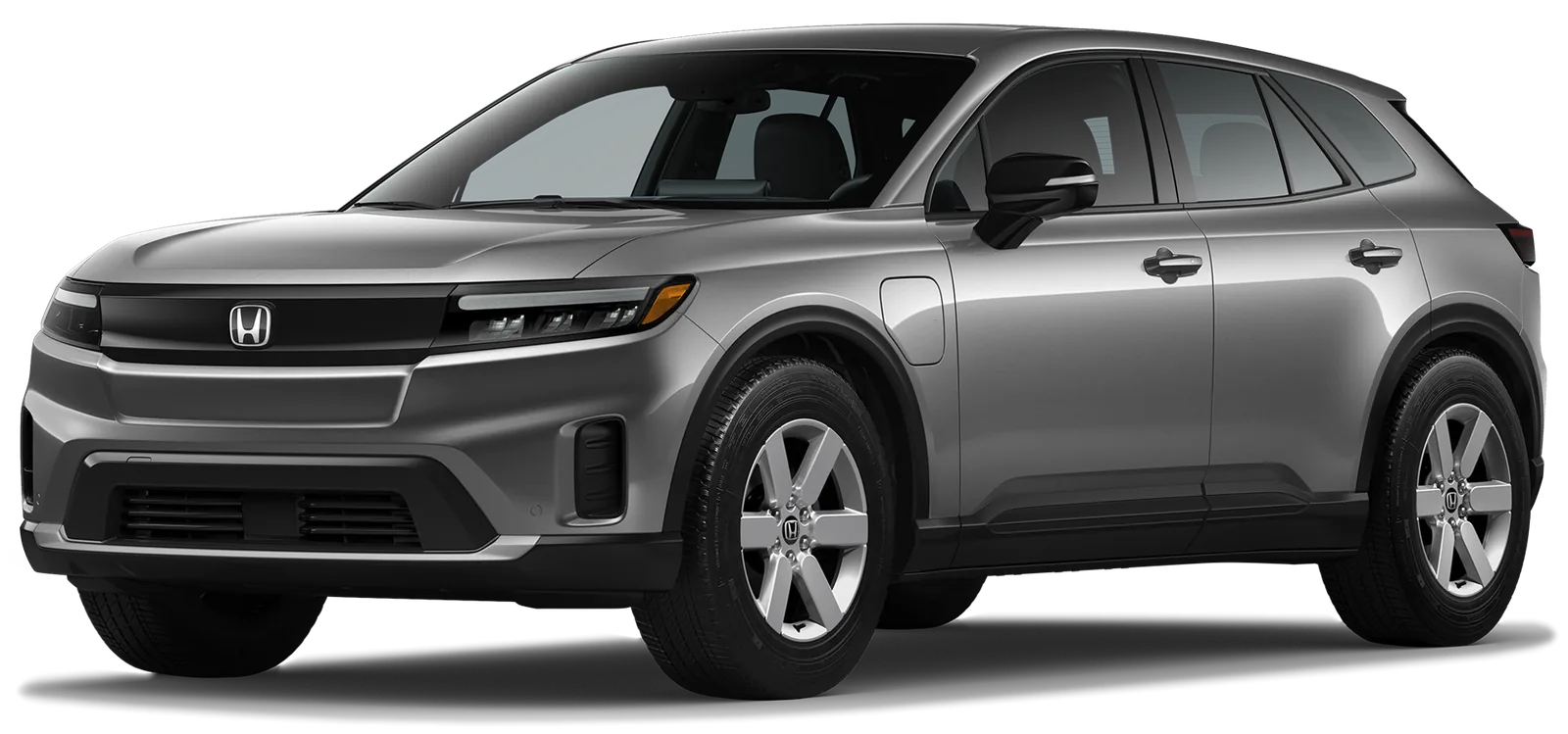
Honda Prologue Years to Avoid
3 scored model years (2024–2026) · model average 66/100
No Prologue year is one to avoid, since none falls well below the model's own average. What varies is complaint history: the 2025 has plenty, while the 2024 and the very new 2026 have none on file. The 2024 is the year to buy.
Verdict
- Avoid
- No outlier years
- Buy
- 2024 72/100
- Model average
- 66/100
What Are Common Honda Prologue Problems?
STEERING
29 complaintsMost reported in 2025
2025: Front axles click or clunk when the wheel is turned near full lock, during U-turns, or when accelerating through a turn from a stop.
ELECTRICAL SYSTEM
17 complaintsMost reported in 2025
2025: A "Service High Voltage System" warning can appear while driving or charging, sometimes after cold weather.
POWER TRAIN
12 complaintsMost reported in 2025
2025: Front CV axles click during slow turns and when accelerating out of a turn.
UNKNOWN OR OTHER
10 complaintsMost reported in 2025
2025: Most of these reports say the backup camera is too dark to use at night, even at maximum brightness and with working reverse lights.
EXTERIOR LIGHTING
7 complaintsMost reported in 2025
2025: Reverse lights are too dim to light the area behind the car, so the backup camera image is nearly black at night.
SUSPENSION
6 complaintsMost reported in 2025
2025: This category mixes several problems.
Best Honda Prologue Year to Buy Instead
2024 Honda Prologue
The 2024 has been on the road longest and shows no recalls in federal recall records and no owner complaints on file. The 2025 has 94 complaints about steering, electrical faults and power train noise. The 2026 is too new to judge. A clean record does not prove the 2024 is free of axle noise.
Found a Safe Year? Check the Specific Car
Even the 2024 Honda Prologue has 0 recalls on file. A VIN check confirms the recall work on the exact car and shows its accident, title, and service history.
- Accidents
- Open Recalls
- Title History
- Odometer Rollback
All Honda Prologue Years by Generation
Honda Prologue Reliability Scores by Year
Frequently Asked Questions
Which Honda Prologue years should I avoid?
Is the 2025 Honda Prologue a bad year?
Is the 2026 Honda Prologue a good buy?
Which Honda Prologue years have transmission problems?
Why is the 2024 Honda Prologue the recommended year?
How we score every Honda Prologue model year
Scores weight complaint severity at 35%, repair costs at 30%, recall impact at 20%, and the spread of complaints across systems at 15%, with complaint counts adjusted for US sales. Read the full methodology.
See incorrect data? Report an issue