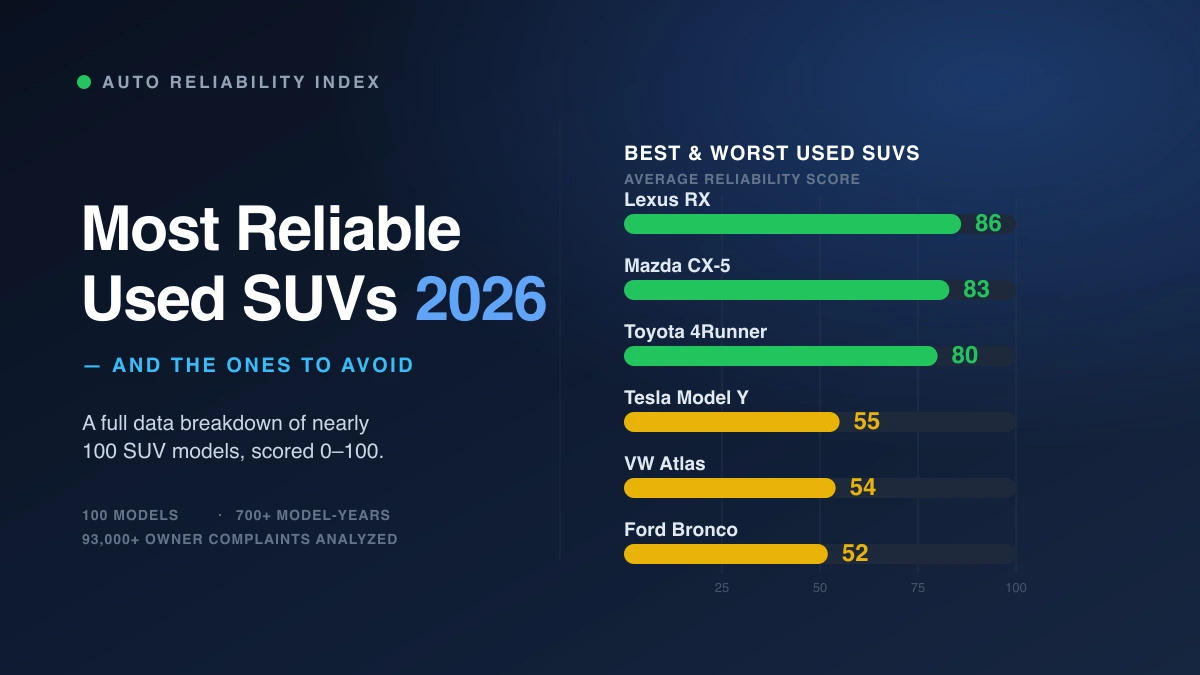
The SUV is the default American vehicle. It outsells sedans, coupes, minivans, and — in most months — pickup trucks. Walk any dealer lot and the crossovers stretch to the horizon. But "most popular" and "most reliable" are not the same thing, and nowhere is that gap wider than in the SUV aisle.
We scored every major used SUV on a 0-100 reliability scale, then dug into where the segment's reputation matches the data and where it falls apart. The short version: the spread between the best and worst used SUVs is enormous — wider than in any other body style we track — and several of the SUVs Americans buy most are among the least reliable you can put in your driveway.
This is the full breakdown. The best picks by use case, the brands that build dependable SUVs (and the ones that don't), the popular models to avoid, and a clear method for using this data the next time you shop.
The dataset
Every number on this page is computed live from our database and refreshes as new recalls and complaints are filed with NHTSA. Here's the scope of what's behind the SUV rankings:
- SUV models
- 131
- model-years scored
- 882
- recall campaigns
- 3,932
- owner complaints analyzed
- 103,541
- average reliability score
- 70.3
SUV models
model-years scored
recall campaigns
owner complaints analyzed
average reliability score
Live figures from NHTSA recall and complaint records, refreshed as new data is filed.
That's the raw material: nearly 100 distinct SUV models, hundreds of individual model-years, thousands of recall campaigns, and tens of thousands of owner complaints — all normalized by how many of each vehicle were actually sold, so a high-volume seller isn't punished for sheer scale.
The headline stat: the average used SUV scores right around the fleet-wide average across all body styles. SUVs aren't inherently more or less reliable than sedans as a class. But that average hides a brutal distribution — the best SUV in our database scores in the mid-80s, the worst in the high 40s. Which one you buy matters far more than the fact that it's an SUV.
Five things the data shows
- Lexus is in a league of its own. It's the highest-scoring SUV brand we track, and the Lexus RX is the single most reliable used SUV in the database.
- Japanese and Korean SUVs dominate the top half. Lexus, Toyota, Honda, Mazda, Subaru, and Acura cluster near the top; Kia and Hyundai land solidly mid-pack with a few standouts.
- First-generation EVs are the riskiest SUVs on the market. Nearly every electric SUV — the VW ID.4, Audi e-tron, Hyundai Ioniq 5, Tesla Model Y — sits in the bottom quartile.
- German luxury badges don't buy reliability. The BMW X5, Porsche Cayenne, and Mercedes-Benz GLE all score below mainstream Toyotas and Hondas that cost half as much to maintain.
- The first model year after a redesign is where reliability goes to die. The worst single years in our database are almost all launch years and first-generation introductions.
How we score SUVs
Each vehicle gets a 0-100 score built from four weighted factors: complaint severity normalized by sales volume (35%), independent repair-cost data (30%), recall impact weighted by how serious each recall is (20%), and issue diversity across complaint categories (15%). A score of 80+ is excellent, 60-79 is good, 40-59 is mixed, and below 40 is poor.
The sales-normalization step matters more for SUVs than anything else. The best-selling crossovers move hundreds of thousands of units a year, so they naturally accumulate big raw complaint counts. We divide by sales so a popular vehicle with proportionally few problems scores well — and a niche model with a high problem rate can't hide behind a small absolute number. For the complete formula, see our methodology.
The most reliable used SUVs right now
These are the top-scoring SUVs in the segment, ranked by their best representative model-year. The leaders are overwhelmingly Japanese, built on proven platforms that have been refined across multiple generations.
| # | Vehicle | Best Year | Score | Rating | Recalls | Complaints / 10k | Maint. Rating | Est. Repair Cost |
|---|---|---|---|---|---|---|---|---|
| 1 | Lexus RX | 2022 | 90/100 | Excellent | 0 | 3.7 | 5 | |
| 2 | Kia Sedona | 2021 | 88/100 | Excellent | 0 | — | 4 | |
| 3 | Mazda CX-5 | 2022 | 87/100 | Excellent | 0 | 3.3 | 4.5 | |
| 4 | Honda HR-V | 2021 | 86/100 | Excellent | 3 | 3.8 | 5 | |
| 5 | Mitsubishi Outlander | 2021 | 84/100 | Excellent | 0 | 0.0 | 4 | |
| 6 | Lexus UX | 2020 | 84/100 | Excellent | 0 | 0.0 | 4 | |
| 7 | Nissan Kicks | 2022 | 82/100 | Excellent | 0 | 3.5 | 4 | |
| 8 | Nissan Murano | 2021 | 82/100 | Excellent | 0 | — | 3.5 | |
| 9 | Lexus NX | 2020 | 82/100 | Excellent | 0 | 4.7 | 4 | |
| 10 | Toyota 4Runner | 2020 | 82/100 | Excellent | 1 | 2.3 | 4 |
A few of these deserve a closer look.
Lexus RX — the benchmark
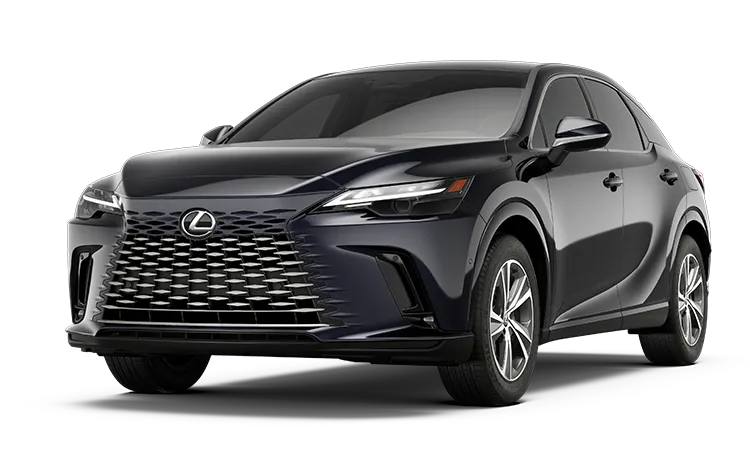
The Lexus RX averages 86.3 across nine model-years — the highest of any SUV we track, and one of the highest scores in the entire database, period. It's a Excellent result built on the boring-in-the-best-way recipe Lexus has used for two decades: a Toyota-derived platform, conservative engineering, available hybrid powertrains, and almost nothing that breaks. If you want the safest used-SUV bet money can buy, this is it.
Honda HR-V and the compact champions
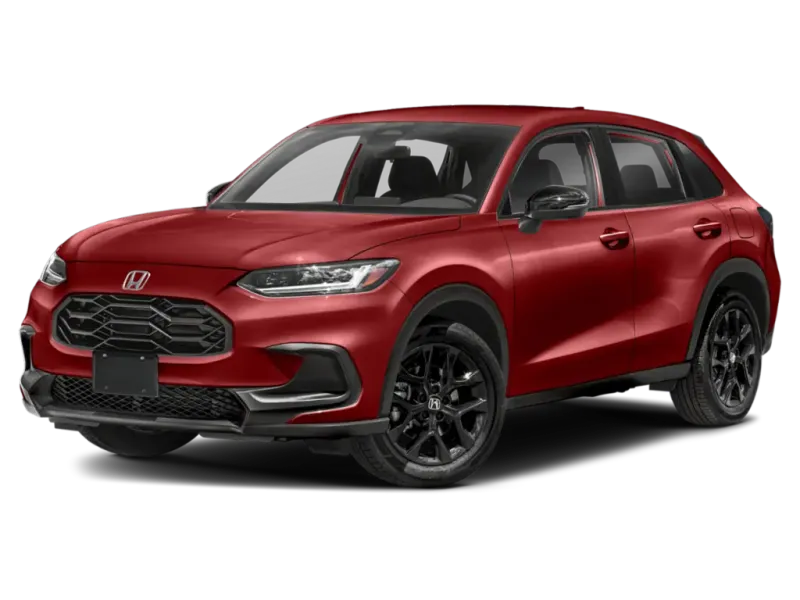
The Honda HR-V averages 82.9, the Mazda CX-5 averages 82.6, and the Toyota Corolla Cross averages 82.2 — all Excellent territory. The pattern is unmistakable: smaller, simpler crossovers with naturally-aspirated engines and modest electronics consistently outscore their larger, more complex siblings. Less to go wrong means fewer complaints.
Toyota 4Runner — old-school durability

The Toyota 4Runner averages 80.3 — remarkable for a body-on-frame off-roader. It ran the same proven platform for well over a decade, and the data rewards that conservatism. While newer, flashier off-roaders launched with electrical and powertrain gremlins, the 4Runner just kept scoring in the Excellent range. The Lexus GX, its luxury cousin, does the same at 79.7.
The dependable mainstream
The volume sellers most families actually cross-shop hold up well, too. The Toyota RAV4 averages 76.1, the Honda CR-V 74.8, the Subaru Forester 74.0, and the Nissan Rogue 75.1. None are flashy. All are safe used buys.
Which brands build the most reliable SUVs
Individual models tell one story; brand-wide consistency tells another. A great model on an otherwise shaky brand can be a fluke. A brand that scores well across its entire SUV lineup is showing you something structural about its engineering and quality control.
Here's every brand in our database ranked by its average SUV reliability score:
| Rank | Brand | Models | Avg Score | Reliability Tier |
|---|---|---|---|---|
| 1 | Lexus | 5 | 81.4 | Excellent |
| 2 | Buick | 5 | 77.0 | Good |
| 3 | Nissan | 6 | 76.7 | Good |
| 4 | Toyota | 9 | 76.5 | Good |
| 5 | Acura | 3 | 75.6 | Good |
| 6 | Mitsubishi | 1 | 75.6 | Good |
| 7 | Infiniti | 1 | 74.9 | Good |
| 8 | Honda | 5 | 74.1 | Good |
| 9 | Mazda | 5 | 73.0 | Good |
| 10 | Subaru | 5 | 72.1 | Good |
| 11 | Kia | 9 | 71.7 | Good |
| 12 | Chevrolet | 10 | 71.4 | Good |
| 13 | Cadillac | 5 | 70.5 | Good |
| 14 | GMC | 3 | 70.4 | Good |
| 15 | Dodge | 3 | 70.1 | Good |
| 16 | Volvo | 3 | 69.7 | Good |
| 17 | Jeep | 6 | 68.8 | Good |
| 18 | Mercedes-Benz | 3 | 68.4 | Good |
| 19 | Hyundai | 6 | 68.0 | Good |
| 20 | Lincoln | 3 | 66.2 | Good |
| 21 | Audi | 7 | 65.6 | Good |
| 22 | Genesis | 3 | 65.0 | Good |
| 23 | Ford | 8 | 64.2 | Good |
| 24 | BMW | 6 | 64.1 | Good |
| 25 | Porsche | 2 | 61.1 | Good |
| 26 | Land Rover | 1 | 60.3 | Good |
| 27 | Volkswagen | 4 | 60.0 | Good |
| 28 | Rivian | 1 | 58.5 | Mixed |
| 29 | Tesla | 2 | 55.8 | Mixed |
The top of this table is the real takeaway. Lexus leads at an average that no other brand comes close to — and it does it across multiple models, not on the back of one standout. Toyota follows, then a tight pack of Nissan, Acura, Honda, Mazda, and Subaru. This isn't brand mythology; it's a consistent, lineup-wide pattern across hundreds of model-years.
The bottom of the table is just as instructive. Tesla ranks last among SUV makers, dragged down by Model Y and Model X complaint rates. Rivian, Volkswagen, Porsche, and BMW round out the bottom — a mix of EV-heavy lineups and complex German luxury. The lesson repeats: complexity and newness are the enemies of reliability, and a premium price tag does not protect you from either.
The best reliable SUV for every use case
"Most reliable SUV" depends on what you actually need. Here's the data-backed pick in each major category.
Best subcompact / compact SUV
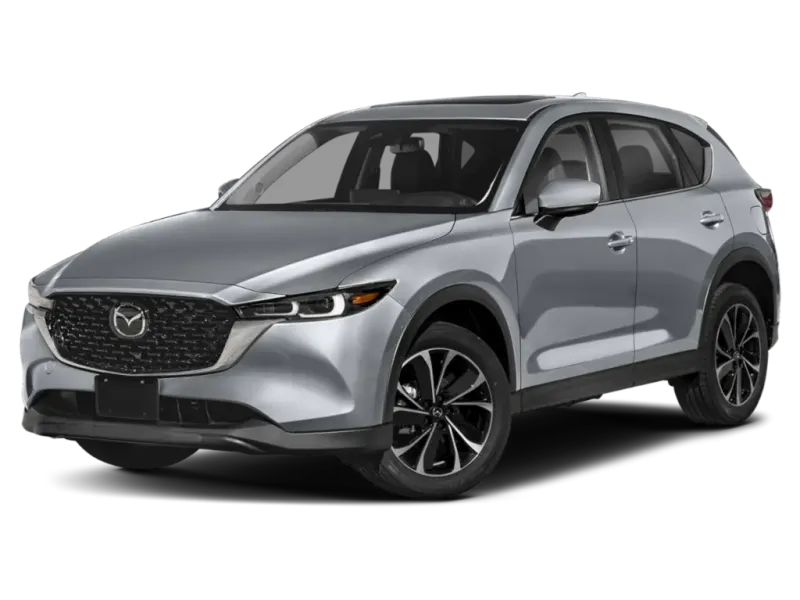
For buyers who want maximum dependability per dollar, the small crossovers are unbeatable. The Honda HR-V (82.9), Mazda CX-5 (82.6), Toyota Corolla Cross (82.2), and Lexus UX (80.3) all score in excellent territory. Even the humble Chevrolet Trax, at 80.8, punches well above its price.
Best midsize SUV
The heart of the market. The Toyota RAV4, Honda CR-V, Nissan Rogue, Subaru Forester, and Hyundai Tucson (73.3) are all safe, sensible, and well above the segment average. Cross-shop them on price and features — the reliability data says you can't really go wrong.
Best three-row family SUV
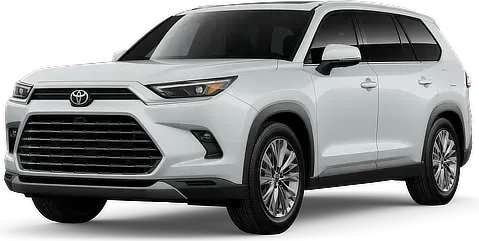
This is where families get burned most often, because three-row SUVs pile on size, weight, and complexity. The standouts are the Toyota Grand Highlander (79.0) and Toyota Highlander (73.0). The popular Kia Telluride (66.0) and Hyundai Palisade (64.6) are class-leading on features but land merely average on reliability. Avoid the Volkswagen Atlas — at 53.8, it's one of the weakest mainstream three-rows we track.
Best off-road / body-on-frame SUV
If you actually leave the pavement, the Toyota 4Runner (80.3) and Lexus GX (79.7) are the dependable choices. The headline-grabbing alternatives — the Ford Bronco at 52.0 and Jeep Wrangler at 63.2 — score far lower. Capability and reliability are not the same purchase.
Best luxury SUV
Luxury is the segment where the badge fools buyers most. The Lexus RX (86.3), Lexus NX (79.3), and Acura RDX (77.6) deliver genuine luxury and genuine reliability. The German alternatives don't: the BMW X5 (59.2), Porsche Cayenne (59.1), and Audi Q5 (69.4) all score lower and cost dramatically more to keep running once the warranty expires.
Best hybrid SUV
Here's a critical distinction: hybrids are reliable, full EVs (so far) are not. Hybrid versions of the Toyota RAV4, Honda CR-V, Toyota Highlander, and the Lexus RX and Lexus NX score among the best in the segment. Hybrid systems are now a mature, two-decade-old technology. Battery-electric SUVs, as the next section shows, are a different story.
The used SUVs to avoid
These are popular, heavily-marketed SUVs whose reliability data does not justify the demand. The table compares how buyers perceive each one against how it actually scores:
| Vehicle | Perceived Reliability | ARI Score | ARI Tier | Verdict |
|---|---|---|---|---|
| Ford Bronco | High | 52.0 | Mixed | Overrated |
| Volkswagen Atlas | High | 53.8 | Mixed | Overrated |
| Tesla Model Y | High | 54.7 | Mixed | Overrated |
| Ford Explorer | High | 66.7 | Good | Overrated |
| Jeep Wrangler | High | 63.2 | Good | Overrated |
| Jeep Grand Cherokee | High | 66.4 | Good | Overrated |
| BMW X5 | High | 59.2 | Mixed | Overrated |
The Ford Bronco launched to sold-out reservations and dealer markups, but early model years generated some of the highest complaint rates in our database — see which Bronco years to avoid. The Volkswagen Atlas rides on a "German engineering" reputation that its electrical-complaint history doesn't support (Atlas years to avoid). The Tesla Model Y, one of the best-selling vehicles on earth, is dragged down by forward-collision and steering complaints unique to Tesla in our data (Model Y years to avoid).
The Ford Explorer — America's long-running default family hauler — was sunk by a troubled 2020 redesign that produced over a thousand complaints in a single year (Explorer years to avoid). And the Jeep Wrangler and Jeep Grand Cherokee ask their devoted buyers to tolerate steering and electrical issues that simply don't appear on the segment leaders.
We covered several of these in depth in 10 Best-Selling Cars That Aren't Actually Reliable. The pattern is the same across the board: enthusiasm, marketing, and brand loyalty drive sales, not engineering quality.
The hidden gems: reliable SUVs nobody talks about
For every overhyped SUV, there's an overlooked one. These models score well above the fleet average but sell in modest numbers and rarely top a shopping list — which usually means softer used prices and less buyer competition for you.
| Vehicle | Perceived Reliability | ARI Score | ARI Tier | Verdict |
|---|---|---|---|---|
| Lexus UX | Low | 80.3 | Excellent | Underrated |
| Chevrolet Trax | Low | 80.8 | Excellent | Underrated |
| Nissan Murano | Low | 79.4 | Good | Underrated |
| Buick Enclave | Low | 75.9 | Good | Underrated |
| Toyota Corolla Cross | Low | 82.2 | Excellent | Underrated |
| Lexus GX | Low | 79.7 | Good | Underrated |
The Lexus UX and Toyota Corolla Cross are small, simple, and built on bulletproof platforms. The Nissan Murano and Buick Enclave are comfortable, unfashionable, and quietly dependable. Even the budget-friendly Chevrolet Trax outscores SUVs that cost twice as much. None of them generate buzz — which is precisely why they're worth a serious look.
The popularity trap
Zoom out to the whole database and a striking pattern emerges: across all body styles, the most popular vehicles are disproportionately not the most reliable. Each dot below is a model — popularity on one axis, reliability on the other.
This chart shows 201 vehicle models. The most reliable are Lexus RX (90/100), Mazda CX-5 (87/100), Honda HR-V (86/100). The most popular by sales are GMC Canyon, Kia Carnival, Chevrolet Silverado.
For SUVs specifically, the trap is acute. Three of the best-selling SUVs in America — the Model Y, the Explorer, and the Grand Cherokee — all sit below the reliability median. Meanwhile genuinely excellent SUVs like the Lexus UX and Toyota 4Runner sell in a fraction of the volume. The crowd is not a reliable guide. We unpack this full phenomenon in The Reliability Gap.
Country patterns: who actually builds reliable SUVs
The brand leaderboard hinted at it; grouping by country of origin makes it undeniable.
| Brand | Country | Avg Score | Repair Rating (out of 5) | Reliability Tier |
|---|---|---|---|---|
| Lexus (7) | Japan | 81.8 | 4.2 | Excellent |
| Nissan (12) | Japan | 76.6 | 3.8 | Good |
| Mitsubishi (1) | Japan | 75.6 | 4.0 | Good |
| Toyota (19) | Japan | 75.6 | 3.9 | Good |
| Infiniti (1) | Japan | 74.9 | 3.5 | Good |
| Mazda (7) | Japan | 74.7 | 3.4 | Good |
| Acura (5) | Japan | 74.6 | 4.1 | Good |
| Honda (9) | Japan | 74.1 | 4.1 | Good |
| Subaru (8) | Japan | 73.0 | 3.6 | Good |
| Kia (13) | South Korea | 72.6 | 3.5 | Good |
| Hyundai (10) | South Korea | 69.8 | 3.4 | Good |
| Genesis (6) | South Korea | 64.6 | 2.8 | Good |
| Audi (10) | Germany | 67.6 | 3.0 | Good |
| Volkswagen (8) | Germany | 67.1 | 3.1 | Good |
| BMW (11) | Germany | 65.7 | 2.8 | Good |
| Porsche (5) | Germany | 63.6 | 2.2 | Good |
| Mercedes-Benz (10) | Germany | 60.0 | 2.6 | Good |
| Buick (7) | USA | 76.7 | 3.7 | Good |
| Chevrolet (17) | USA | 73.0 | 3.3 | Good |
| Dodge (6) | USA | 72.7 | 3.4 | Good |
| GMC (5) | USA | 70.6 | 3.3 | Good |
| Cadillac (5) | USA | 70.5 | 3.1 | Good |
| Chrysler (3) | USA | 69.8 | 3.5 | Good |
| Jeep (7) | USA | 66.9 | 3.4 | Good |
| Lincoln (3) | USA | 66.2 | 3.2 | Good |
| Ford (16) | USA | 65.1 | 3.4 | Good |
| Ram (3) | USA | 55.7 | 2.8 | Mixed |
| Tesla (5) | USA | 52.2 | 2.0 | Mixed |
Japan: 75.7 avg across 69 models
Excellent: 1 · Good: 8· Mixed: 0 · Poor: 0
South Korea: 69.0 avg across 29 models
Excellent: 0 · Good: 3· Mixed: 0 · Poor: 0
Germany: 64.8 avg across 44 models
Excellent: 0 · Good: 5· Mixed: 0 · Poor: 0
USA: 67.2 avg across 77 models
Excellent: 0 · Good: 9· Mixed: 2 · Poor: 0
Japanese manufacturers dominate the SUV reliability rankings, with Korean brands close behind and improving fast. German SUVs — despite commanding premium prices and "engineering" marketing — consistently land lower, weighed down by complex turbocharged powertrains, intricate electronics, and expensive failure modes. American SUVs are a wide mixed bag: strong full-size trucks-turned-SUVs alongside troubled redesigns and first-gen EVs. We dig into the why behind this in Japanese vs German Car Reliability.
How SUV reliability changes year to year
A model's average can hide enormous year-to-year swings. The single most important thing the data teaches is this: avoid the first model year of a new generation. Reliability almost always dips at a redesign, then climbs as the manufacturer irons out production issues.
Take the Toyota RAV4: its 2019 full redesign and the model-years immediately after it score noticeably lower than the mature years that followed, once Toyota had worked the new generation's early bugs out of the production line. The actionable rule: when a model is fully redesigned, wait two to three model years before buying used. Let someone else own the launch-year problems. This single habit will do more for your ownership experience than picking any one "reliable" badge.
The cautionary extreme is the Ford Explorer: its 2020 redesign year alone generated over a thousand complaints and nearly thirty recalls, even though the model's pre-2020 and post-2022 years are far more respectable. One bad launch year can define a vehicle's reputation for a decade.
What actually makes an SUV reliable
Pull the threads together and a clear engineering picture emerges. The SUVs that score well share four traits — and the ones that score poorly violate them.
Proven platforms beat new ones. The 4Runner, RX, and CR-V have been refined across multiple generations. Every iteration fixes the last one's weaknesses. A brand-new platform, however impressive on paper, hasn't had that shakedown — and the early owners are the test fleet.
Simpler powertrains beat complex ones. Naturally-aspirated engines and mature hybrid systems generate far fewer complaints than small turbocharged engines working hard to move heavy SUVs, or first-generation electric drivetrains. Every turbo, every extra electronic system, every novel drivetrain adds failure points.
Hybrids are mature; EVs are not — yet. Hybrid SUVs score with the best in the segment. Battery-electric SUVs cluster at the bottom, hit by software, charging, electrical, and drivetrain complaints that come with any first-generation technology. This will change as EV platforms mature. It hasn't changed yet, and buying a used first-gen electric SUV means accepting that risk.
Volume and complexity raise the stakes, not just the totals. Three-row family SUVs combine the most size, weight, towing hardware, and electronics — and as a group they score lower than compact crossovers. More vehicle means more to break.
None of these traits correlate with sales volume, brand prestige, or sticker price. They're engineering choices, and the complaint data sees right through the marketing.
How to use this data to buy
Here's the practical playbook the numbers support:
- Start with the brand, then the model. A top-scoring brand stacks the odds in your favor before you've even picked a trim. Lexus, Toyota, Honda, Mazda, Subaru, and Acura are the safe starting points for SUVs.
- Skip the launch year. Whatever model you choose, avoid the first year of a new generation. Check the model's year-by-year scores and buy a mature year.
- Match the body to your need without over-buying complexity. If you don't need three rows or serious off-road hardware, a compact crossover will be both cheaper and more reliable.
- Be skeptical of hype and badges. A sold-out reservation list or a luxury logo is a marketing signal, not a reliability one.
- Verify the specific vehicle. Pull the exact model and year you're considering on our site to see its recall history, complaint breakdown, and which years to avoid before you sign anything.
Ready to shop? Browse the full live rankings on our most reliable used SUVs page, or answer a few questions and let our reliable car finder match you to the right vehicle.
Frequently asked questions
What is the most reliable used SUV?
Which used SUVs should I avoid?
Are Japanese SUVs really more reliable?
Are hybrid SUVs reliable?
What is the best three-row SUV for reliability?
Is a used luxury SUV worth it?
How many miles should a reliable used SUV last?
How is the reliability score calculated?
Methodology
Every SUV is scored on a 0-100 scale using four weighted factors: complaint severity normalized by sales volume (35%), independent repair-cost data (30%), recall impact weighted by severity (20%), and issue diversity across complaint categories (15%). Complaint counts are normalized by U.S. sales volume so high-volume models aren't penalized for sheer scale — a model with millions of sales and a few thousand complaints is treated very differently from a niche model with the same raw count. Too-new model-years without meaningful data are excluded from brand and segment averages so unscored new launches don't distort the rankings. See our About page for the complete formula.
Scores in the tables and badges reflect model averages across all indexed years and update automatically as new recalls and complaints are filed with NHTSA. The figures you see reflect the latest available data at the time of your visit.
Sources: NHTSA recall and complaint records, independent repair-cost data, and U.S. sales figures. Data from autoreliabilityindex.com.