Last updated: 2026-11-26
Driver-assist tech
Tesla Model Y Lane Keeping Problems
Tesla Model Y owners report Autosteer and Full Self-Driving steering across lane lines and toward nearby traffic.
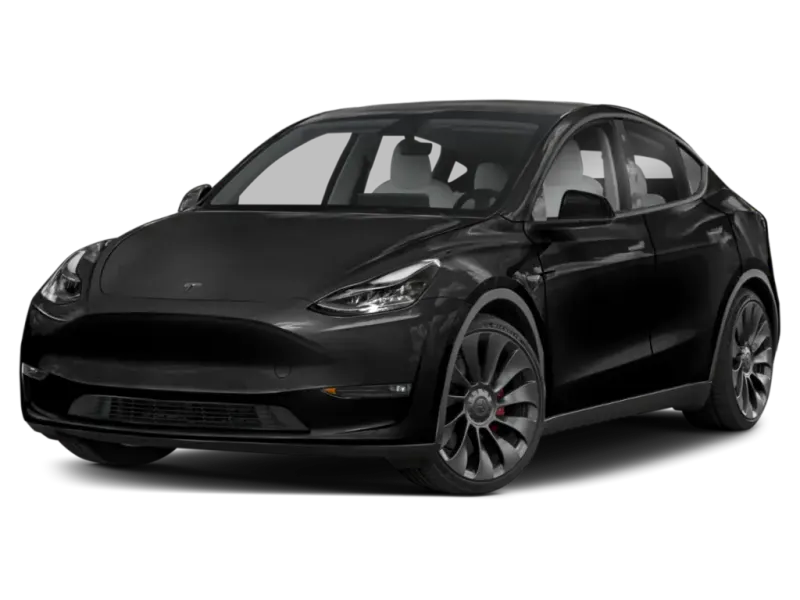
- Owner complaints
- 87
- Share of all complaints
- 2%
- Crash / fire / injury reports
- 15 / 2 / 4
- Related recalls
- 0
Tesla Model Y lane keeping complaints by model year
Complaints appear for every listed model year from 2020 through 2025. The 2023 Model Y has the largest raw count, with 27 reports, followed by 2021 with 18. The 2020, 2022, and 2024 years have between 8 and 14 reports; 2025 has 6. Rates per 10,000 sold range from 0.2 to 1.2 where sales are known. Newer years have had less time to collect complaints, so their lower counts do not show they are more reliable.
| Model year | Complaints | Per 10,000 sold | Crash, fire, injury reports |
|---|---|---|---|
| 2020 | 8 | 1.2 | 2, 0, 1 |
| 2021 | 18 | 0.9 | 2, 0, 0 |
| 2022 | 14 | 0.6 | 2, 1, 2 |
| 2023 | 27 | 0.7 | 5, 0, 0 |
| 2024 | 14 | 0.4 | 1, 0, 1 |
| 2025 | 6 | 0.2 | 3, 1, 0 |
Owner complaints filed with NHTSA under lane departure. Newer model years have had less time to collect complaints.
What goes wrong
Autosteer and Full Self-Driving reports describe the Model Y crossing lane lines, steering toward adjacent traffic, or leaving the road during turns and lane changes. Some drivers say lane-departure avoidance pulled toward a wall or overcorrected. Other complaints mention blind-spot warnings that did not alert, camera glare or faults, and driver aids shutting off. These are owner reports, not confirmed defects in every vehicle.
The records include sideswipes, roadway departures, and collisions with barriers, trees, and other vehicles. Crash reports appear for every listed model year; fire reports appear for 2022 and 2025, and injury reports for some years. Some camera and computer complaints describe impaired visibility or disabled safety features, with service delays. One 2022 summary says a service center offered no repair for a camera-glass issue. The records do not establish how often cars become undrivable.
Symptoms owners report
Automation crosses lane lines
Reports describe Autosteer or Full Self-Driving steering into an adjacent lane, sometimes when another vehicle is already there, or crossing the center line during a turn. Some drivers say the car continued its maneuver despite their attempts to correct it. Complaints include sideswipes and near misses.
Steering toward road edges
Drivers report unexpected movements toward highway ramps, concrete barriers, walls, or off the road. One account describes a car drifting toward the shoulder in heavy rain while Autopilot was engaged. These reports do not establish one cause or show that every car will behave this way.
Warnings or avoidance fail
Some owners say blind-spot or lane-related warnings did not alert them to nearby vehicles. Others describe lane-departure avoidance pulling toward a wall or overcorrecting. Reports also say a computer fault can disable lane-departure features along with cameras and other driver aids.
Camera visibility and outages
Owners report red glare in side-camera views when turn signals are on, and condensation or dirt inside front-camera glass that triggers camera-blocked alerts. Other complaints describe cameras stopping after software updates, which can also disable Autopilot or other safety features.
Driver aids switch off
Some reports say driver assistance shut down after software updates or when driver monitoring became stricter. One 2025 account describes assistance disengaging during a turn after the driver shifted position in the seat. Complaints vary and do not confirm a defect in every vehicle.
When the problems start
Some camera and computer complaints describe faults at low mileage or within the first few thousand miles. These examples show that reported problems sometimes appeared early. Most lane-keeping accounts do not give an odometer reading, so the records cannot establish a usual mileage for onset.
Repairs and recalls
The supplied recall records list no recalls for lane keeping. Repair reports vary: some owners say a service center identified a computer replacement, while others describe delayed appointments or unavailable parts. A 2022 summary says one service center called an internal camera-glass issue known but offered no repair. The reports do not establish a typical cost. Ask for records showing whether faults were resolved.
Checking a used Model Y for lane keeping problems
- Review service records for camera, computer, lane-warning, or driver-assistance faults and whether repairs were completed.
- Check for warning messages and confirm that camera views and lane-related displays appear to work.
- Inspect side-camera views in daylight and with turn signals on for glare or obstruction.
- Ask whether software updates were followed by camera, navigation, or driver-assistance outages.
- Check federal recall records by VIN; the supplied lane-keeping records list no recalls.
For the rest of the car, use a full Tesla Model Y inspection checklist.
A VIN check shows whether the car you're looking at had its recall work done, plus accident and title history.
Tesla Model Y Lane Keeping Problems: common questions
- Which Tesla Model Y years have lane-keeping complaints?
- The supplied owner complaints cover every listed year from 2020 through 2025. The 2023 year has the highest raw count, while 2025 has the fewest. Newer cars have had less time to collect complaints, so a lower count for a recent year is not proof that it is safer or more reliable.
- Is it safe to drive a Model Y with lane-keeping problems?
- Reports describe sudden steering across lane lines, toward barriers, and off the roadway, as well as crashes. Some owners also report camera or computer faults that disable driver aids or impair visibility. The records cannot determine whether an individual car is safe. Treat active warnings or impaired visibility seriously, and do not rely on an affected feature until it has been checked.
- Is there a lane-keeping recall for the Model Y?
- The supplied federal recall records list zero recalls in the lane-keeping problem area. That does not establish whether a particular vehicle has an open recall for another issue. Check the VIN in federal recall records and ask a Tesla service center about vehicle-specific campaigns.
- What does it cost to fix Model Y lane-keeping problems?
- The reports do not establish a typical repair cost. Some describe computer replacement, delayed parts, or no repair offered for a camera-glass issue. Request a diagnosis and written estimate for the specific vehicle.
- What should I check before buying a used Model Y?
- Review service history for camera, computer, or driver-assistance complaints and ask whether each was resolved. Check that camera views and lane-related displays work, including with turn signals on, and look for warning messages. Verify open recalls by VIN. Do not rely on Autosteer or Full Self-Driving during a test drive to prove a reported fault is fixed.
Other Tesla Model Y problems
Driver-assist tech
Brakes, steering & tires
Electrical & lighting
Engine & powertrain
Body & interior
Airbags & seat belts
More on the Tesla Model Y
See incorrect data? Report an issue