Last updated: 2026-04-20

2023 Tesla Model Y Reliability Report
The 2023 Tesla Model Y scores 53/100 ("Mixed"). With 15 recalls and 997 owner complaints, buyers should proceed with caution.
Recalls
15
Complaints
997
Complaint Rate
25.8per 10,000 sold
Est. Repair Cost
$832
EV Range
279–330 mi
Detailed Score Breakdown
Component-weighted complaints normalized by sales volume
Independent repair cost ratings
Recall count weighted by severity
Breadth of reported problem categories
The Verdict
Mixed reliability — proceed with caution and budget for repairs.
Top Issues to Watch
- FORWARD COLLISION AVOIDANCE (206)
- STEERING (171)
- VEHICLE SPEED CONTROL (130)
Generation & Refresh (US)
2023 is year 4 of the First generation.
- Redesigned for the 2020 model year.
- Well-established in its generation — most early issues should be resolved.
- A refresh arrives in 2025.
- 1st generation Model Y (US).
What this means for buyers
Well into the generation cycle — most design and manufacturing issues should be resolved by now.
2020: First generation Launch
Generation start — new platform.
2023: This Model Year
2023 is year 4 of the First generation.
2025: Mid-Cycle Refresh
Updated features and styling tweaks.
Should You Buy the 2023 Tesla Model Y?
A 53/100 score puts the 2023 Tesla Model Y in the "Mixed" tier. Buyers should approach with eyes open. 2023 is year 4 of the First generation.
Complaint volume sits above average at 997 owner complaints alongside 15 recalls. Issues in forward collision avoidance (206) tend to be the costly ones.
Treat an extended warranty as non-negotiable and put forward collision avoidance (206) at the top of the inspection checklist.
Compared to the 2024 Tesla Model Y, which scored 10 points higher. See also the 2022 Tesla Model Y for an earlier comparison.
Pros
- +5-star NHTSA crash rating
- +Well-established generation
Cons
- −Below-average reliability score
- −Above-average recall count
- −Above-average complaint rate for SUV
- −FORWARD COLLISION AVOIDANCE issues reported (206 complaints)
- −1 fatality report in owner complaints
- −3 fire incidents reported in owner complaints
Compare 2023 Tesla Model Y With
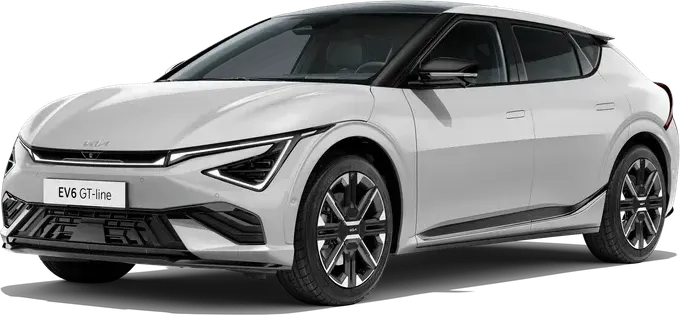
2023 KIA EV6
Reliability: 52/100
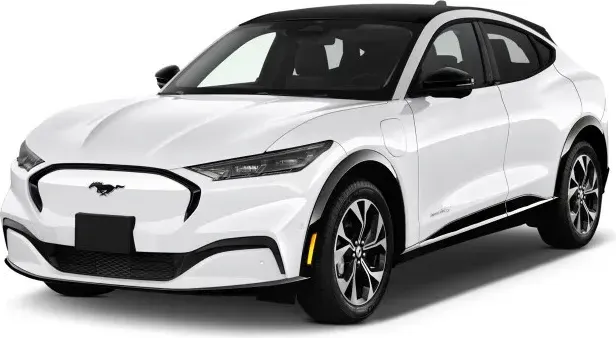
2023 Ford Mustang Mach-E
Reliability: 66/100
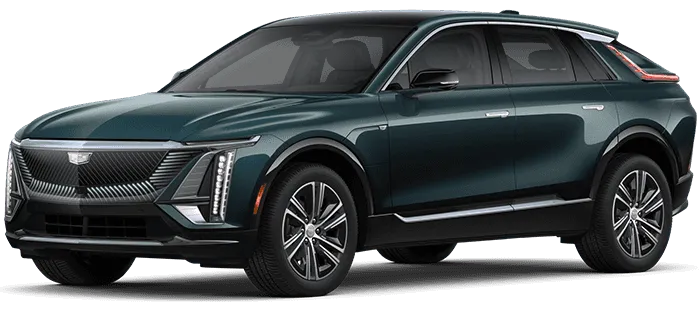
2023 Cadillac Lyriq
Reliability: 67/100
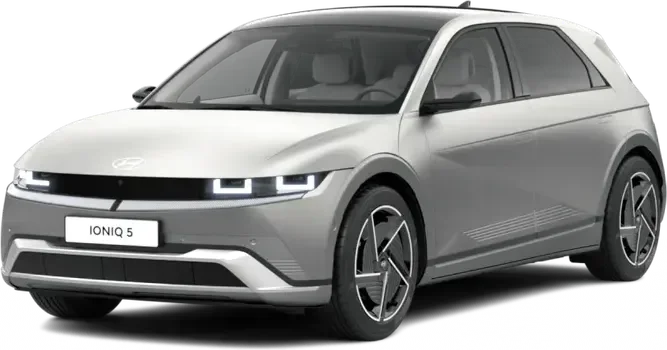
2023 Hyundai Ioniq 5
Reliability: 50/100

2023 BMW X3
Reliability: 67/100
Common Problem Categories
Safety
LOW RISK- 15 manufacturer recalls issued
Other
HIGH RISK- FORWARD COLLISION AVOIDANCE (206)
- STEERING (171)
Recall Overview
15
recalls on record
The 2023 Tesla Model Y has 15 recalls on record, which is above average. A high count can flag multiple component concerns, though it also shows the manufacturer is actively addressing known issues.
NHTSA.gov →Complaint Breakdown
25.8
per 10,000 soldSegment avg: 11.3
Safety Incidents
128
Crashes
3
Fires
63
Injuries
1
Deaths
NHTSA 5/5 Stars
Data sourced from NHTSA complaint filings and manufacturer recall notices. Complaint narratives are owner-reported.
2023 Tesla Model Y Recall Details
15 recalls have been issued for the 2023 Tesla Model Y. All recall repairs are performed free of charge at authorized dealerships.
STEERING
Tesla, Inc. (Tesla) is recalling certain 2023 Model 3 and Model Y vehicles operating software prior to 2023.38.4. The printed circuit board for the electronic power steering assist may experience an overstress condition, causing a loss of power steering assist when the vehicle reaches a stop and then accelerates again.
Consequence
A loss of power steering assist can require greater steering effort, especially at low speeds, increasing the risk of a crash.
Remedy
Tesla has released an over-the-air (OTA) software update, free of charge. Owner notification letters were mailed March 25, 2025. Owners may contact Tesla customer service at 1-877-798-3752. Tesla's number for this recall is SB-25-00-004.
BACK OVER PREVENTION, ELECTRICAL SYSTEM
Tesla, Inc. (Tesla) is recalling certain 2024-2025 Model 3, Model S, 2023-2025 Model X, and Model Y vehicles. The computer circuit board may short, resulting in the loss of the rearview camera image. As such, these vehicles fail to comply with the requirements of Federal Motor Vehicle Safety Standard (FMVSS) number 111, "Rear Visibility."
Consequence
A rearview camera that does not display an image reduces the driver's rear view, increasing the risk of a crash.
Remedy
Tesla released an over-the-air (OTA) software update, free of charge. Tesla will also identify any vehicles that experienced a circuit board failure, or stress that may lead to a circuit board failure, and replace the affected computers, free of charge. Owner notification letters were mailed March 7, 2025. Owners may contact Tesla customer service at 1-877-798-3752. Tesla's number for this recall is SB-25-00-001.
TIRES
Tesla, Inc. (Tesla) is recalling certain 2024 Cybertruck, 2017-2025 Model 3, and 2020-2025 Model Y vehicles. The tire pressure monitoring system (TPMS) warning light may not remain illuminated between drive cycles, failing to warn the driver of low tire pressure. As such, these vehicles fail to comply with the requirements of Federal Motor Vehicle Safety Standard number 138, "Tire Pressure Monitoring Systems."
Consequence
Driving with improperly inflated tires increases the risk of a crash.
Remedy
Tesla released an over-the-air (OTA) software update, free of charge. Owner notification letters were mailed February 15, 2025. Owners may contact Tesla customer service at 1-877-798-3752. Tesla's number for this recall is SB-24-00-018.
Showing 10 of 15 recalls. View all on NHTSA.gov →
Buying a used 2023 Tesla Model Y? Check its history first
Every 2023 Tesla Model Y has a different past. A VIN check reveals hidden accidents, title problems, odometer rollbacks, and open recalls that reliability scores can't show you.
- Accidents
- Open Recalls
- Title History
- Odometer Rollback
2023 Tesla Model Y NHTSA Safety Ratings
Overall Safety Rating
Crash Test Results by Configuration (expand)
Gas Powertrain
Rollover risk: 7.9%
Safety Technologies
Tesla Model YRepair Costs & Maintenance
Maintenance Rating
2Maintenance rating: 2 out of 5Based on NHTSA complaint patterns, recall severity, and publicly available cost benchmarks.
Est. Annual Maintenance
$832
Category-level averages derived from publicly available industry reports (AAA, CarMD). Model-level estimates produced by Auto Reliability Index.
Tesla Model Y Resale Value
The Tesla Model Y is estimated to retain about 48.4% of its original value after 5 years, based on observed used-car listings.
This benchmark covers the Tesla Model Y model overall and is not specific to the 2023 model year.
- Value Retained
- 48.4%
- Depreciation
- 51.6%
- Listings Analyzed
- 420
after 5 years
over the same period
U.S. used-car listings
Listings observed in . Actual resale value varies by trim, mileage, condition, and location.
Explore Tesla Model Y depreciation and resale value on CarResaleValue.com2023 Tesla Model Y Example Repair Prices
National average price ranges for common repairs. These are not model-year-specific failure predictions.
| Repair | Estimated Cost |
|---|---|
| Engine Oil Light Diagnosis | $122 – $179 |
| Air Conditioning System Leak Inspection | $122 – $179 |
| Pre-Purchase Car Inspection | $183 – $269 |
| Check Engine Light Diagnosis & Testing | $122 – $179 |
| Engine Oil Light Diagnosis | $122 – $179 |
| Vibration Diagnosis | $122 – $179 |
| Pre-Purchase Car Inspection | $183 – $269 |
| Noise Diagnosis | $122 – $179 |
| Tire Pressure Monitor Lamp Diagnosis | $122 – $179 |
| AC Diagnosis | $122 – $179 |
Estimates based on national average repair costs. Actual costs may vary by location and shop.
MPG & Annual Running Costs
Electric
279–330 mi range
Fuel cost: $600–$700/yr
Fuel only
27.512–30.494 kWh/100mi · 9.4–11.8 hrs @ 240V
Based on EPA fuel-cost estimates. Excludes routine maintenance, depreciation, and insurance. Data as of 2023 EPA label cycle.
Electric trims
| Trim | Drive | Trans. | Range | kWh/100mi | Fuel Cost |
|---|---|---|---|---|---|
| Model Y AWD | All-Wheel Drive | Automatic (A1) | 279 mi | 27.5 | $600 |
| Model Y Long Range AWD | All-Wheel Drive | Automatic (A1) | 330 mi | 27.6 | $600 |
| Model Y Performance AWD | All-Wheel Drive | Automatic (A1) | 303 mi | 30.5 | $700 |
Used Buying Checklist
Key things to inspect or verify before purchasing a 2023 Tesla Model Y.
Inspect front suspension components for loose or missing bolts
Test autopilot and cruise control for phantom braking
Check infotainment screen for responsiveness and functionality
Verify that all safety features, including emergency braking, are operational
Inspect tires for uneven wear due to potential camber issues
Test drive at highway speeds to check for steering vibrations or noises
Ensure all software updates are installed and functioning correctly
2023 Tesla Model Y Common Problems by Component
997 owner complaints grouped by vehicle system.
FORWARD COLLISION AVOIDANCE
206 complaintsSafety-relatedOwners report that the 2023 Tesla Model Y frequently experiences issues with forward collision avoidance systems, notably phantom braking and unexpected vehicle behavior when driver-assistance features are enabled. Complaints often mention sudden, hard braking without clear obstacles and erratic steering responses, which can lead to rear-end collisions or loss of control, with some incidents resulting in crashes and injuries. These issues are reported across various driving conditions, including clear weather and different road types, and can occur both with and without cruise control engaged. Additionally, owners describe problems with camera and sensor functionality, which may exacerbate these safety concerns. Patterns suggest these issues can arise relatively early in the vehicle's life, with some reports indicating problems starting at around 65,000 miles, and they pose significant safety risks, including documented crashes and injuries.
STEERING
171 complaintsSafety-relatedOwners report frequent issues with the 2023 Tesla Model Y's steering, particularly involving the front suspension's lateral link bolts loosening or detaching. Complaints often mention a loss of steering control, sometimes accompanied by metallic noises or a sudden "BANG" sound. These failures typically occur around 20,000 to 54,000 miles, with some incidents resulting in crashes and injuries. Multiple owners describe the steering becoming unresponsive, leading to collisions or near-misses, especially at highway speeds. Buyers should be aware of these potential safety risks, as the issues can lead to sudden loss of vehicle control.
VEHICLE SPEED CONTROL
130 complaintsSafety-relatedOwners report frequent issues with the vehicle speed control system of the 2023 Tesla Model Y, particularly involving unexpected braking events known as "phantom braking." These incidents often occur when using cruise control or autopilot features, where the vehicle abruptly slows down or brakes without apparent cause, even in clear conditions. Complaints frequently mention scenarios such as driving on highways or encountering oncoming traffic, leading to potential rear-end collision risks. Some reports include incidents of unintended acceleration, with a few resulting in crashes and injuries. These issues appear across various mileage ranges, and multiple owners express concerns over the safety implications, particularly the risk of loss of control or accidents due to sudden speed changes.
UNKNOWN OR OTHER (88 complaints)
UNKNOWN OR OTHER
88 complaintsSafety-relatedOwners report several issues with the 2023 Tesla Model Y, primarily related to the Full Self-Driving (FSD) system and connectivity. Complaints frequently mention unintended acceleration, failure of emergency braking, and path selection errors while using FSD, with some incidents leading to crashes. Connectivity issues, such as problems accessing Supercharging and software updates, are also noted. Additionally, there are reports of mechanical noises and battery charging failures. Safety implications include crashes and a reported injury, with some incidents occurring shortly after software updates. These issues appear across various mileage ranges, often without warning signs, and may impact vehicle reliability and safety features.
ELECTRICAL SYSTEM (73 complaints)
ELECTRICAL SYSTEM
73 complaintsSafety-relatedOwners report that the 2023 Tesla Model Y frequently experiences sudden power loss and electrical system failures, often without warning. These issues typically manifest as a complete shutdown of the vehicle, blank or unresponsive screens, and loss of essential functions such as speedometer and gear selection. Complaints often occur at various mileage points, with some incidents leading to crashes and injuries due to loss of control. Additionally, some owners describe problems with overheating components and unexpected vehicle behavior following software updates. These patterns suggest potential safety risks, including crashes and fires, which prospective buyers should consider.
SERVICE BRAKES (64 complaints)
SERVICE BRAKES
64 complaintsSafety-relatedOwners of the 2023 Tesla Model Y frequently report issues with the service brakes, particularly sudden and unexpected braking while using cruise control or autopilot. Complaints often describe the vehicle decelerating without apparent cause, sometimes leading to near-misses or actual collisions. Several reports involve crashes where the braking system failed to respond adequately, even when manually applied, and some incidents resulted in injuries. These issues are noted across various mileage ranges, with some owners experiencing problems shortly after purchase. Buyers should be aware of potential safety implications, including loss of control and failure of collision-avoidance features, as evidenced by multiple crash reports.
SUSPENSION (52 complaints)
SUSPENSION
52 complaintsSafety-relatedOwners report recurring issues with the suspension system of the 2023 Tesla Model Y, particularly involving the detachment or loosening of bolts in the front lower control arm and lateral link assemblies. Complaints frequently mention symptoms such as loud clunking or grinding noises, unstable steering, and noticeable misalignment, often occurring when driving over bumps or making turns. Many incidents occur at various mileage ranges, with some as early as 33,000 miles. Safety implications are significant, as several complaints describe the loss of steering control, with one incident involving a crash. These patterns suggest potential risks for used car buyers to consider, especially regarding the structural integrity of the suspension system.
AIR BAGS (25 complaints)
AIR BAGS
25 complaintsSafety-relatedOwners report frequent issues with the airbag systems in the 2023 Tesla Model Y, with a significant number of complaints involving airbag non-deployment during crashes. Typical symptoms include persistent error messages related to the safety restraint system, such as "front right safety restraint system fault" and "front passenger safety restraint system fault," which some owners describe as recurring despite multiple service attempts. Several reports indicate airbag failures occur during collisions, sometimes resulting in injuries, with failure mileage ranging from as low as 7,000 miles to higher mileages like 45,000 miles. Complaints also highlight potential safety risks, with incidents of airbags failing to deploy in high-impact collisions and associated injuries, underscoring the importance of thorough inspection for prospective buyers.
POWER TRAIN (19 complaints)
POWER TRAIN
19 complaintsSafety-relatedOwners of the 2023 Tesla Model Y frequently report issues with the power train, including sudden loss of power and unexpected acceleration. Complaints often describe phantom acceleration incidents leading to crashes, as well as abrupt deceleration on highways, which can result in hazardous conditions. These issues often occur at low mileages, sometimes as early as 12 miles, and are linked to failures in the drive units or inverters. Safety implications are significant, with reports of crashes, one fire, and two injuries. Used car buyers should be aware of these patterns, particularly the potential for sudden loss of control and the need for frequent service interventions.
STRUCTURE (17 complaints)
STRUCTURE
17 complaintsSafety-relatedOwners report several structural issues with the 2023 Tesla Model Y, with a notable number of complaints about the rear liftgate unexpectedly closing. This issue has resulted in injuries, as the liftgate closes with force and lacks a functioning safety mechanism to detect obstructions. Complaints frequently mention problems with the vehicle's glass components, including fragile roof glass that cracks easily and rear passenger windows that shatter unexpectedly. Additionally, some owners experience water leaks through the liftgate and other areas, with issues appearing as early as 10 miles on the odometer. Safety implications are significant, with three incidents involving crashes and four reported injuries related to these structural failures.
When Do 2023 Tesla Model Y Problems Start?
Based on owner complaint patterns, here's when common issues tend to appear.
Best & Worst Tesla Model Y Years
Comprehensive reliability analysis based on NHTSA data, owner complaints, and historical performance.
Best Tesla Model Y Years to Buy
Based on reliability index scoreThe best Tesla Model Y year is 2025 with a reliability score of 70/100, rated good. Other strong picks include 2024 (63/100) and 2023 (53/100).
2025
2024
2023
(Current Model)
Tesla Model Y Years to Avoid
The worst Tesla Model Y year is 2021 with a score of 46/100, primarily due to forward collision avoidance (313) issues. Also avoid 2020 (46/100).
Tesla Model Y Reliability Score Trend
Tesla Model Y reliability has improved in recent years, with newer models scoring an average of 62/100 compared to 47/100 for older years.
Scores 0–100. Higher is better. Current year highlighted.
| Year | Score | Rating |
|---|---|---|
| 2020 | 46/100 | Mixed |
| 2021 | 46/100 | Mixed |
| 2022 | 50/100 | Mixed |
| 2023 | 53/100 | Mixed |
| 2024 | 63/100 | Good |
| 2025 | 70/100 | Good |
Tesla Model Y Reliability Compared to Other Years
2023 Tesla Model Y Common Questions
2 questions from 2023 Tesla Model Y owners.
wipers are not working
Can you tell me if you can switch the 3 antennas in your old side mirrors to your new side mirrors that don't come with them?
2018 Tesla model 3 Can you tell me if you can switch the 3 antennas in your old side mirrors to your new side mirrors that don't come with them? Comes with blue connector but not the 2 antenna connectors in the RH mirror and the 1 antennas connector in the LH mirror. Wanting to use these antennas on new mirror. Are they easy to switch to new mirrors that do not come with the antennas?
Frequently Asked Questions
Is the 2023 Tesla Model Y reliable?
What are the most common problems with the 2023 Tesla Model Y?
How many recalls does the 2023 Tesla Model Y have?
Is the 2023 Tesla Model Y expensive to maintain?
Don’t buy a 2023 Tesla Model Y without checking its VIN first — hidden accidents, title issues, and open recalls could cost you thousands.
How We Calculate Reliability Scores
Auto Reliability Index scores are calculated on a 0–100 scale using a weighted formula that combines multiple public data sources. Each factor is weighted based on its predictive value for real-world ownership experience.
Key Ranking Factors
Complaint Severity
NHTSA owner complaints weighted by component category (e.g., powertrain, safety systems, electronics, cosmetic) — safety-critical issues carry more weight than cosmetic ones. Adjusted for sales volume so high-volume models aren't unfairly penalized.
Repair Costs
Independent reliability ratings based on repair frequency, average repair costs, and severity of typical repairs for each model.
Recall Impact
Number of NHTSA recalls weighted by severity. “Stop driving” and fire-risk recalls are penalized more heavily than minor software or labeling recalls.
Issue Diversity
Measures how many major vehicle systems (engine, transmission, electrical, braking, etc.) have recorded complaints. A vehicle with issues spread across many systems may indicate systemic quality issues.
Scores are grouped into four tiers:
- 80–100: Excellent— Top-tier reliability, minimal issues
- 60–79: Good— Reliable with some minor concerns
- 40–59: Mixed— Notable issues, research before buying
- 0–39: Risky— Significant problems, proceed with caution
Data is sourced from NHTSA recall records, owner complaint filings, and independent repair databases via vehicles.dev. Scores are recalculated as new data becomes available. While the weighting model is proprietary, all underlying data sources are public and traceable.
Get notified when new recalls or reliability data is added for the Tesla Model Y.
No spam. Only data updates for this model.
Browse More Tesla Models
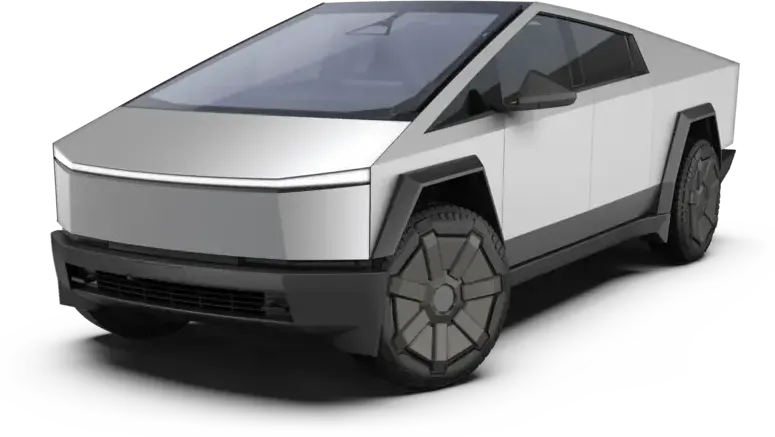
Tesla Cybertruck
Score: 59/100

Tesla Model 3
Score: 59/100
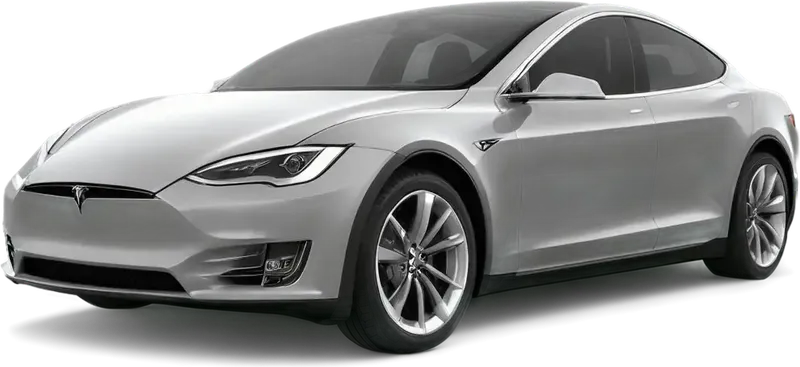
Tesla Model S
Score: 50/100
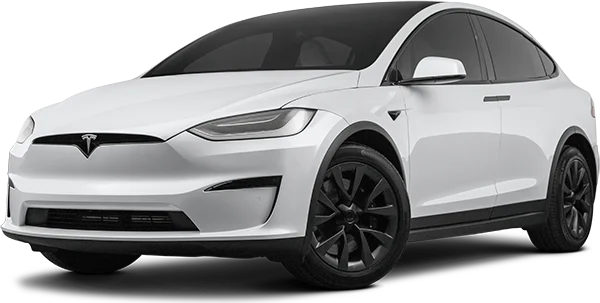
Tesla Model X
Score: 66/100
Browse More 2023 Vehicles
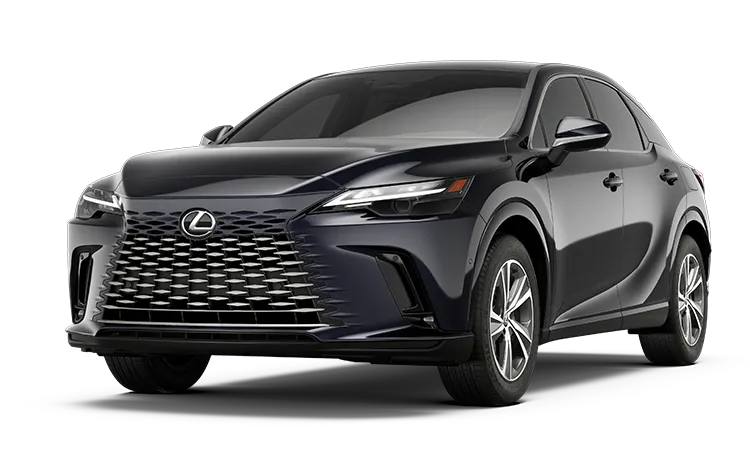
2023 Lexus RX
Score: 85/100
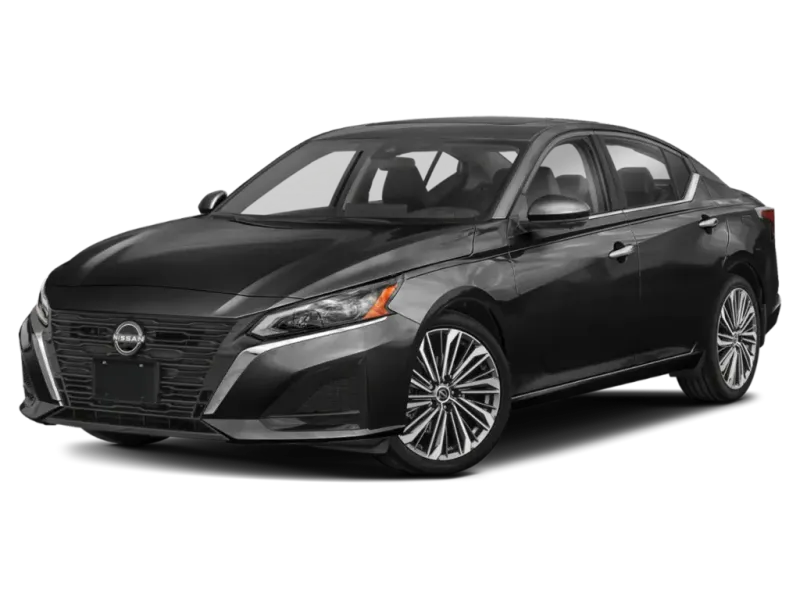
2023 Nissan Altima
Score: 84/100
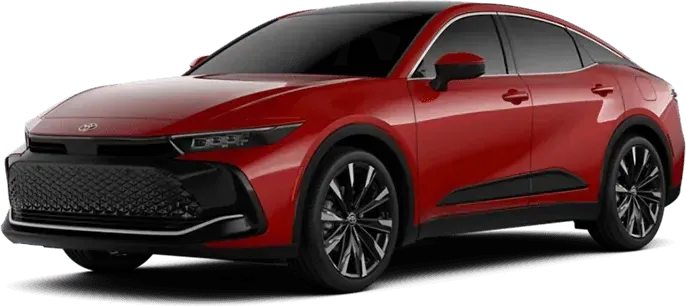
2023 Toyota Crown
Score: 84/100
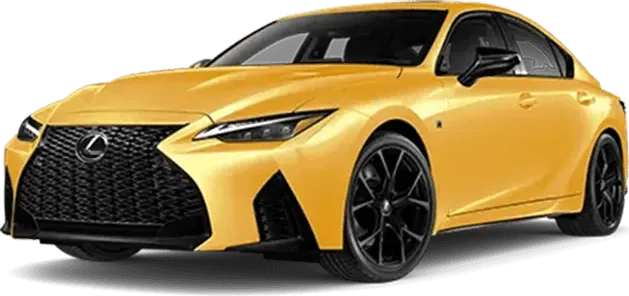
2023 Lexus IS
Score: 83/100

2023 Toyota 4RUNNER
Score: 82/100

2023 Acura RDX
Score: 82/100
See incorrect data? Report an issue