Last updated: 2026-10-10

2020 Mazda CX-30 Reliability Report
The 2020 Mazda CX-30 rates good for reliability, but owners report sudden electrical power loss. It ranks below average among 2020 SUVs.
Recalls
3
Complaints
31
Complaint Rate
8.1per 10,000 sold
Est. Repair Cost
N/A
Annual Fuel Cost
$2,150–$2,300
Detailed Score Breakdown
Component-weighted complaints normalized by sales volume
Independent repair cost ratings
Recall count weighted by severity
Breadth of reported problem categories
The Verdict
First year of the generation, with reports of sudden power loss, transmission failures, and unexpected emergency braking, and one of the weaker records among CX-30 years.
Top Issues to Watch
- ELECTRICAL SYSTEM (5)
- STRUCTURE (3)
- POWER TRAIN (3)
Generation & Refresh (US)
2020 is the first model year of the First generation (DM).
- First-year models may have unresolved issues from the new design.
- Redesigned for the 2020 model year.
- 1st generation CX-30 (US).
What this means for buyers
First-year models carry more risk — early production issues are common. Consider waiting for the second year if reliability is a priority.
Compare 2020 pricing and recall counts against 2021+ before deciding.
2020: First generation (DM) Launch
Generation start — new platform.
Should You Buy the 2020 Mazda CX-30?
Reliability stands at good, but this is one of the weaker years for the CX-30. Against other 2020 SUVs it rates below average. Owners filed 31 complaints, and the federal crash-test rating is 5 of 5 stars. The 2021 model also rates good, yet it rates worse than this year and has 94 complaints, so stepping up a year does not get you a cleaner record.
Electrical trouble leads the complaints. Owners describe the car losing all power without warning, with a dark dashboard and no response to the key fob. Some say it kept happening after a new battery and several dealer visits. One transmission began shifting roughly and failed at 66,000 miles, and the dealer condemned it. Automatic emergency braking can stop the car with nothing ahead, and one owner reports it 11 times. Some doors and the rear hatch are hard to open from inside. Federal records show 3 recalls, covering structure, hydraulic service brakes, and the gasoline fuel system.
Ask the seller for proof that every recall was completed. Request records of any battery, key fob, or transmission work. On a test drive, open the doors and hatch from inside and watch for warning lights.
Compared to the 2021 Mazda CX-30, which scored 4 points lower.
Pros
- +Acceptable reliability score
- +Below-average complaint rate for SUV
- +5-star NHTSA crash rating
Cons
- −Moderate recall count
- −UNKNOWN OR OTHER: Loud static or whistling can blast from the speakers and refuse to shut off,... (7 complaints)
- −ELECTRICAL SYSTEM issues reported (5 complaints)
Compare 2020 Mazda CX-30 With
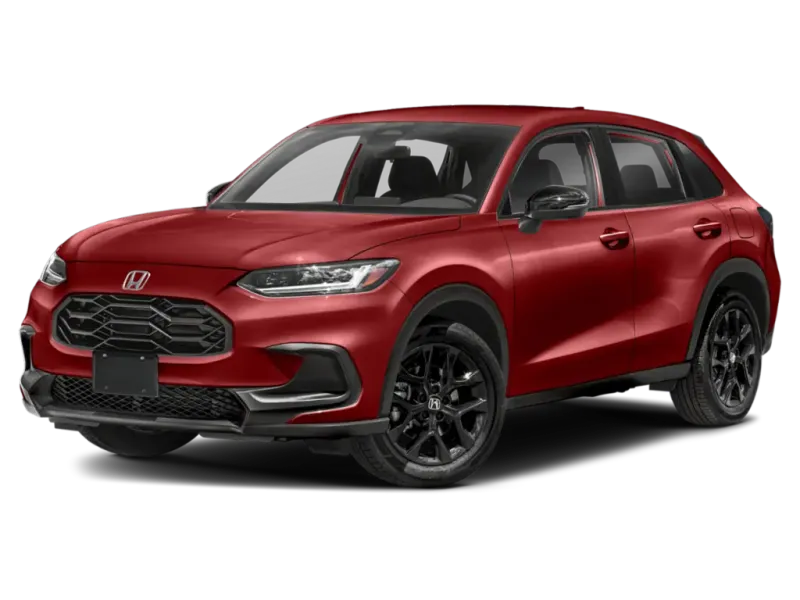
2020 Honda HR-V
Reliability: 80/100
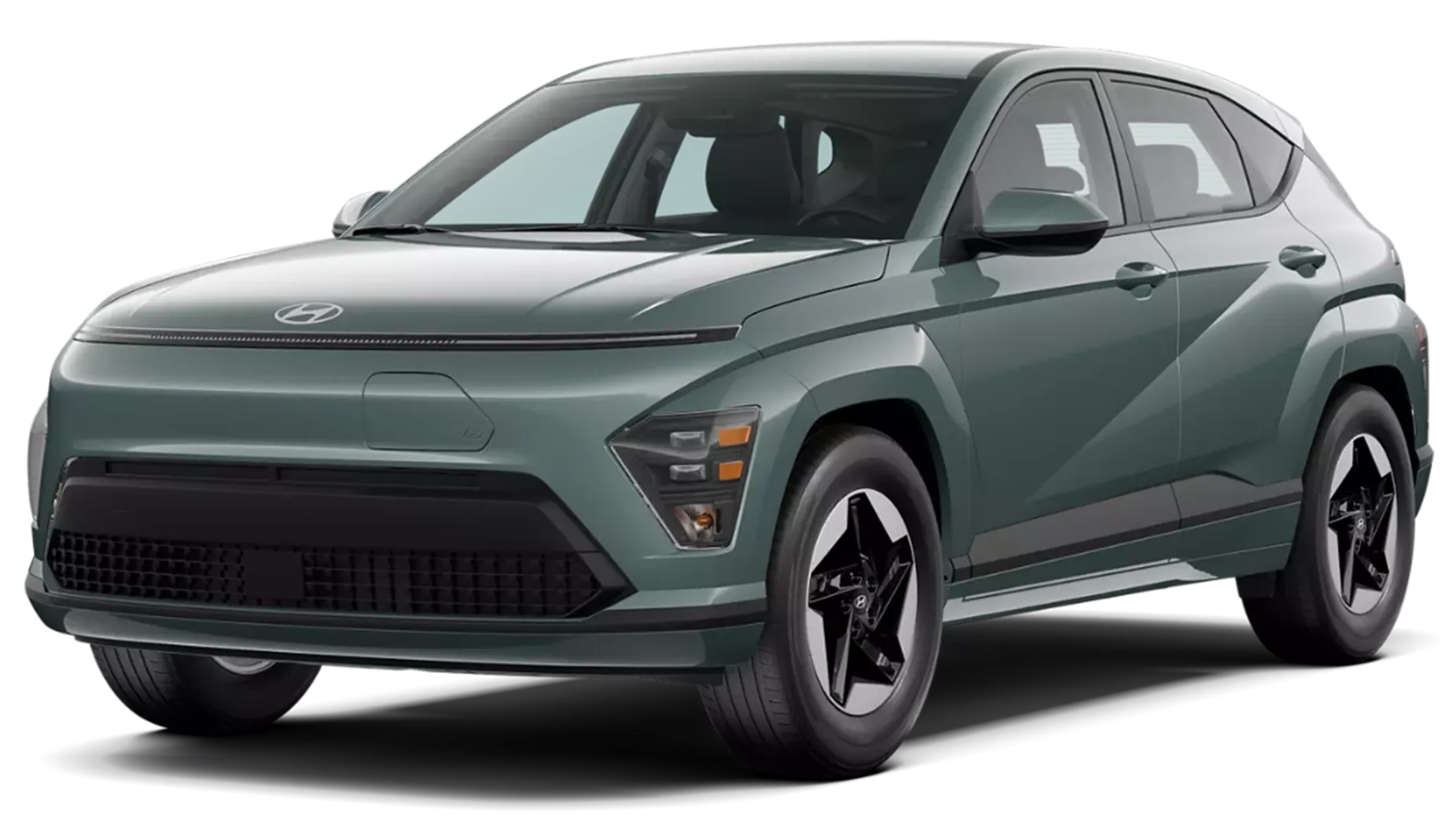
2020 Hyundai Kona
Reliability: 57/100

2020 Buick Encore GX
Reliability: 70/100

2020 Chevrolet Trax
Reliability: 81/100
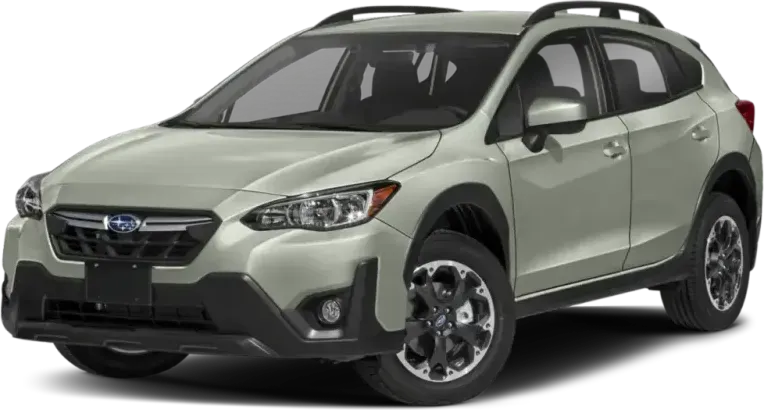
2020 Subaru Crosstrek
Reliability: 72/100
Common Problem Categories
Safety
LOW RISK- 3 manufacturer recalls issued
Other
HIGH RISK- UNKNOWN OR OTHER (7)
- ELECTRICAL SYSTEM (5)
Recall Overview
3
recalls on record
A moderate 3 recalls are on file for the 2020 Mazda CX-30. Each one points to a specific safety or compliance issue identified by the manufacturer or NHTSA — check the list below before buying.
NHTSA.gov →Complaint Breakdown
8.1
per 10,000 soldSegment avg: 20.2
Safety Incidents
1
Crashes
0
Fires
0
Injuries
0
Deaths
NHTSA 5/5 Stars
Data sourced from NHTSA complaint filings and manufacturer recall notices. Complaint narratives are owner-reported.
2020 Mazda CX-30 Recall Details
3 recalls have been issued for the 2020 Mazda CX-30. All recall repairs are performed free of charge at authorized dealerships.
STRUCTURE
Mazda North American Operations (Mazda) is recalling certain 2020-2021 CX-30 vehicles. When fully opened, the power liftgate may partially lower unexpectedly when the vehicle is parked facing uphill on a slope.
Consequence
If the power liftgate unexpectedly lowers while a person is accessing the rear storage area of the vehicle, it can increase their risk of injury.
Remedy
Mazda will notify owners, and dealers will update the power liftgate control module software and inspect the serial number of the power liftgate drive unit, replacing it if necessary, free of charge. The recall began April 8, 2021. Owners may contact Mazda customer service at 1-800-222-5500 option 4. Mazda's number for this recall is 4621B.
SERVICE BRAKES, HYDRAULIC
Mazda North American Operations (Mazda) is recalling certain 2020 CX-30 and Mazda3 vehicles. The front brake caliper mounting bolts may not have been tightened properly during assembly, possibly allowing the calipers to loosen.
Consequence
Loose brake calipers can reduce braking performance or interfere with wheel rotation, affecting vehicle handling. Either of these scenarios can increase the risk of a crash.
Remedy
Mazda will notify owners, and dealers will inspect the front brake caliper bolts, tightening them as necessary. If bolts are missing, the affected brake caliper will be replaced. Repairs will be performed free of charge. The recall began July 24, 2020. Owners may contact Mazda customer service at 1-800-222-5500, Option 4. Mazda's number for this recall is 4420F.
FUEL SYSTEM, GASOLINE
Mazda North American Operations (Mazda) is recalling certain 2020 CX-30 vehicles equipped with all-wheel drive. The evaporative vent hose for the fuel tank may be disconnected, possibly allowing fuel to leak from the charcoal canister vent at the rear of the vehicle.
Consequence
A fuel leak in the presence of an ignition source may increase the risk of a fire. Additionally, the engine may stall while driving, increasing the risk of a crash.
Remedy
Mazda will notify owners, and dealers will inspect the evaporative vent hose in the fuel tank. If the hose is disconnected, it will be reconnected and the charcoal canister with some related parts will be replaced. Repairs will be performed free of charge. The recall began July 29, 2020. Owners may contact Mazda customer service at 1-800-222-5500, Option 4. Mazda's number for this recall is 4520F.
Buying a used 2020 Mazda CX-30? Check its history first
Electrical system problems lead owner complaints about the 2020 Mazda CX-30, and 3 recalls were issued for it. A VIN check shows whether this car's recall work was done, plus accident, title, and odometer history.
- Accidents
- Open Recalls
- Title History
- Odometer Rollback
2020 Mazda CX-30 NHTSA Safety Ratings
Overall Safety Rating
Crash Test Results by Configuration (expand)
Gas Powertrain
Rollover risk: 15.5%
Safety Technologies
Mazda CX-30Repair Costs & Maintenance
Maintenance Rating
2Maintenance rating: 2 out of 5Based on NHTSA complaint patterns, recall severity, and publicly available cost benchmarks.
Category-level averages derived from publicly available industry reports (AAA, CarMD). Model-level estimates produced by Auto Reliability Index.
Mazda CX-30 Resale Value
The Mazda CX-30 is estimated to retain about 72.7% of its original value after 5 years, based on observed used-car listings.
This benchmark covers the Mazda CX-30 model overall and is not specific to the 2020 model year.
- Value Retained
- 72.7%
- Depreciation
- 27.3%
- Listings Analyzed
- 420
after 5 years
over the same period
U.S. used-car listings
Listings observed in . Actual resale value varies by trim, mileage, condition, and location.
Explore Mazda CX-30 depreciation and resale value on CarResaleValue.com2020 Mazda CX-30 Example Repair Prices
National average price ranges for common repairs. These are not model-year-specific failure predictions.
| Repair | Estimated Cost |
|---|---|
| Battery Cable Battery Terminal End Service | $37 – $54 |
| Alternator Voltage Regulator Replacement | $545 – $659 |
| Brake Master Cylinder Replacement | $430 – $538 |
| Brake Booster Replacement | $558 – $740 |
| Oil Pump Replacement | $615 – $729 |
| Ignition Switch Replacement | $317 – $425 |
| Valve Cover Gasket Replacement | $290 – $392 |
| Backup Warning System Sensor Replacement | $1,144 – $1,230 |
| Horn Replacement | $327 – $441 |
| Axle Shaft Seal Replacement | $196 – $281 |
Estimates based on national average repair costs. Actual costs may vary by location and shop.
MPG & Annual Running Costs
Gas
26–28 MPG
Fuel cost: $2,150–$2,300/yr
Fuel only
24–25 city / 31–33 hwy MPG
Based on EPA fuel-cost estimates. Excludes routine maintenance, depreciation, and insurance. Data as of 2020 EPA label cycle.
Gas trims
| Trim | Drive | Trans. | City | Hwy | Comb | Fuel Cost |
|---|---|---|---|---|---|---|
| CX-30 2WD 2.5L 4-cyl | Front-Wheel Drive | Automatic (S6) | 25 | 33 | 28 | $2,150 |
| CX-30 2WD 2.5L 4-cyl | Front-Wheel Drive | Automatic (S6) | 25 | 33 | 28 | $2,150 |
| CX-30 4WD 2.5L 4-cyl | 4-Wheel Drive | Automatic (S6) | 25 | 32 | 27 | $2,200 |
| CX-30 4WD 2.5L 4-cyl | 4-Wheel Drive | Automatic (S6) | 24 | 31 | 26 | $2,300 |
Used Buying Checklist
Key things to inspect or verify before purchasing a 2020 Mazda CX-30.
Drive on a busy multi-lane road with open space ahead and watch for automatic emergency braking with nothing in front.
Try the driver door handle from inside several times, and find and test the interior rear hatch release.
Look at both rear coil springs on a lift for cracks or broken coils.
Check front and rear brake pads and rotors for heavy or metal-on-metal wear.
Check the oil level on the dipstick and ask the seller how often they add oil between changes.
Drive through every gear and watch for jerky shifts. Ask for any transmission repair or replacement records.
Play the audio system for several minutes and listen for static or whistling that will not turn off.
Ask whether the car has ever had a dead no-start with a dark dashboard, or had its battery or key fob replaced.
2020 Mazda CX-30 Common Problems by Component
31 owner complaints grouped by vehicle system.
UNKNOWN OR OTHER
7 complaintsLoud static or whistling can blast from the speakers and refuse to shut off, even while the car sits parked. The glass sunroof panel can shatter while the car is stopped. Other reports describe the engine running or racing on its own, a brake malfunction message with no drive, and a check engine light. Smaller problems include a sharp edge on the driver window switch where the plating wears off, a scratched gauge cover that makes the speedometer hard to read, and weak heating and air conditioning.
ELECTRICAL SYSTEM
5 complaintsThe car can lose all electrical power without warning and fail to start, with no response to the key fob and a dark dashboard. In some cases this keeps happening after a new battery and several dealer visits. Battery and engine warning lights can come on while driving, and the car can stop in the middle of the road. Repeated key fob failures are blamed for draining the battery and requiring jump starts. Loud speaker static that will not shut off shows up here too, and one report describes the odometer resetting to 9,999 miles.
STRUCTURE
3 complaintsDoors and the rear hatch can be hard to open from inside. The driver door can stay stuck from the inside for several minutes with the engine on or off, and it has happened to the same car more than once. Opening the rear hatch from inside takes a flathead screwdriver. One report says the hatch release module is listed as retired with no replacement part available. The concern is that this could block escape after a crash.
POWER TRAIN (3 complaints)
POWER TRAIN
3 complaintsThe automatic transmission can start shifting with jerky motions and then fail completely. One reported failure, at 66,000 miles, ended with the dealer condemning the unit. Another transmission failed at 6 months old, and its replacement also began failing within 4 years. A separate report describes a low oil pressure warning, strange noises, and the engine quitting within an hour during a long trip. These failures carry a loss-of-power risk and can leave a driver stranded far from help.
SERVICE BRAKES (3 complaints)
SERVICE BRAKES
3 complaintsAutomatic emergency braking can bring the car to a full stop with nothing ahead, including in the middle of busy multi-lane roads. One owner reports it happening 11 times. Dealers often cannot reproduce the fault, and the sudden stops create a clear risk of being hit from behind. A separate complaint describes the brakes taking about 2 seconds to engage when slowing for a highway exit, along with hesitation on acceleration, within weeks of purchase.
ENGINE (2 complaints)
ENGINE
2 complaintsThe low oil warning light comes on, sometimes along with real oil loss. One car with 24,000 miles needs a quart added every 1,000 to 2,000 miles. In other cases the light appears at random points during a drive, sometimes 10 to 20 minutes in and sometimes not at all on longer trips. No engine damage is reported in this group, but running low on oil is a risk if the level is not watched.
SUSPENSION (2 complaints)
SUSPENSION
2 complaintsRear coil springs can snap during normal driving on flat roads with no warning light. One broke at about 33,000 miles, and the car could not be driven safely until it was replaced. Another spring failure came just outside the warranty. Front and rear brakes have also been reported worn to metal on metal before 30,000 miles, again found just after the warranty ended.
EXTERIOR LIGHTING (1 complaints)
EXTERIOR LIGHTING
1 complaintSafety-relatedThe front camera didn't operate properly The brakes have an elongated stopping distance
VISIBILITY/WIPER (1 complaints)
VISIBILITY/WIPER
1 complaintDefective windshield. There is visible warping in the windshield and Mazda won't cover the cost of the replacement. This is a known issue.
STEERING (1 complaints)
STEERING
1 complaintThe contact owns a 2020 Mazda CX-30. The contact stated while driving out of the driveway, the steering wheel became firm. The contact stated that the power steering warning light was illuminated. The vehicle was towed to the dealer. The dealer diagnosed the vehicle and determined that the power steering unit needed to be replaced. The vehicle was not repaired. The manufacturer was contacted but no assistance was provided. The failure mileage was 66,000.
Best & Worst Mazda CX-30 Years
Best Mazda CX-30 Years to Buy
Based on reliability index scoreMazda CX-30 Years to Avoid
Mazda CX-30 Reliability Score Trend
Scores 0–100. Higher is better. Current year highlighted.
| Year | Score | Rating |
|---|---|---|
| 2020 | 64/100 | Good |
| 2021 | 60/100 | Good |
| 2022 | 67/100 | Good |
| 2023 | 68/100 | Good |
| 2024 | 68/100 | Good |
| 2025 | 68/100 | Good |
| 2026 | 72/100 | Good |
Mazda CX-30 Reliability Compared to Other Years
Frequently Asked Questions
Is the 2020 Mazda CX-30 reliable?
What are the most common problems with the 2020 Mazda CX-30?
Does the 2020 Mazda CX-30 have automatic emergency braking problems?
Does the 2020 Mazda CX-30 have transmission problems?
Is the 2021 Mazda CX-30 more reliable than the 2020?
Don’t buy a 2020 Mazda CX-30 without checking its VIN first — hidden accidents, title issues, and open recalls could cost you thousands.
How we score the 2020 Mazda CX-30
Of the four inputs behind this score, the 2020 Mazda CX-30 does best on how many systems draw complaints (84/100) and worst on repair costs (40/100). Scores weight complaint severity at 35%, repair costs at 30%, recall impact at 20%, and the spread of complaints across systems at 15%, with complaint counts adjusted for US sales. Read the full methodology.
Get notified when new recalls or reliability data is added for the Mazda CX-30.
No spam. Only data updates for this model.
Browse More Mazda Models
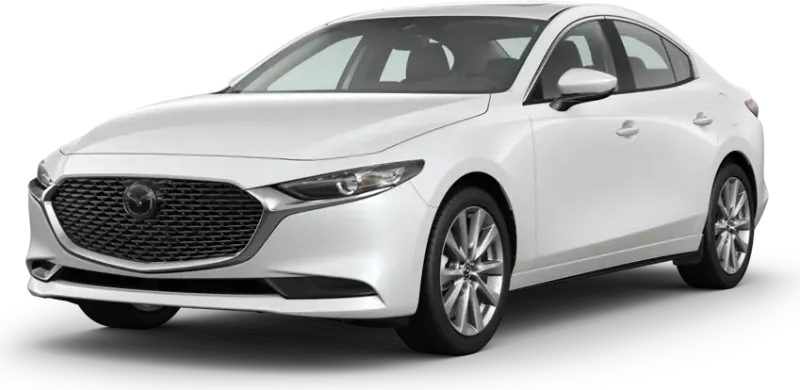
Mazda 3
Score: 84/100
Mazda 5
Score: 88/100

Mazda CX-5
Score: 94/100
Mazda CX-50
Score: 76/100
Mazda CX-9
Score: 81/100
Mazda CX-90
Score: 72/100
Browse More 2020 Vehicles
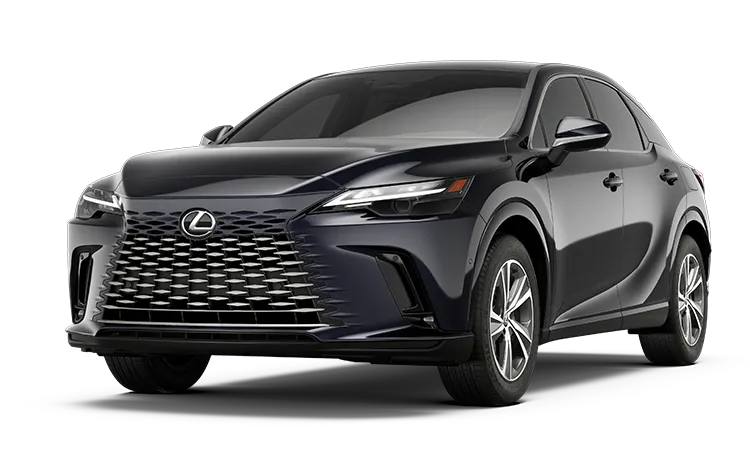
2020 Lexus RX
Score: 86/100
2020 Mazda CX-5
Score: 86/100
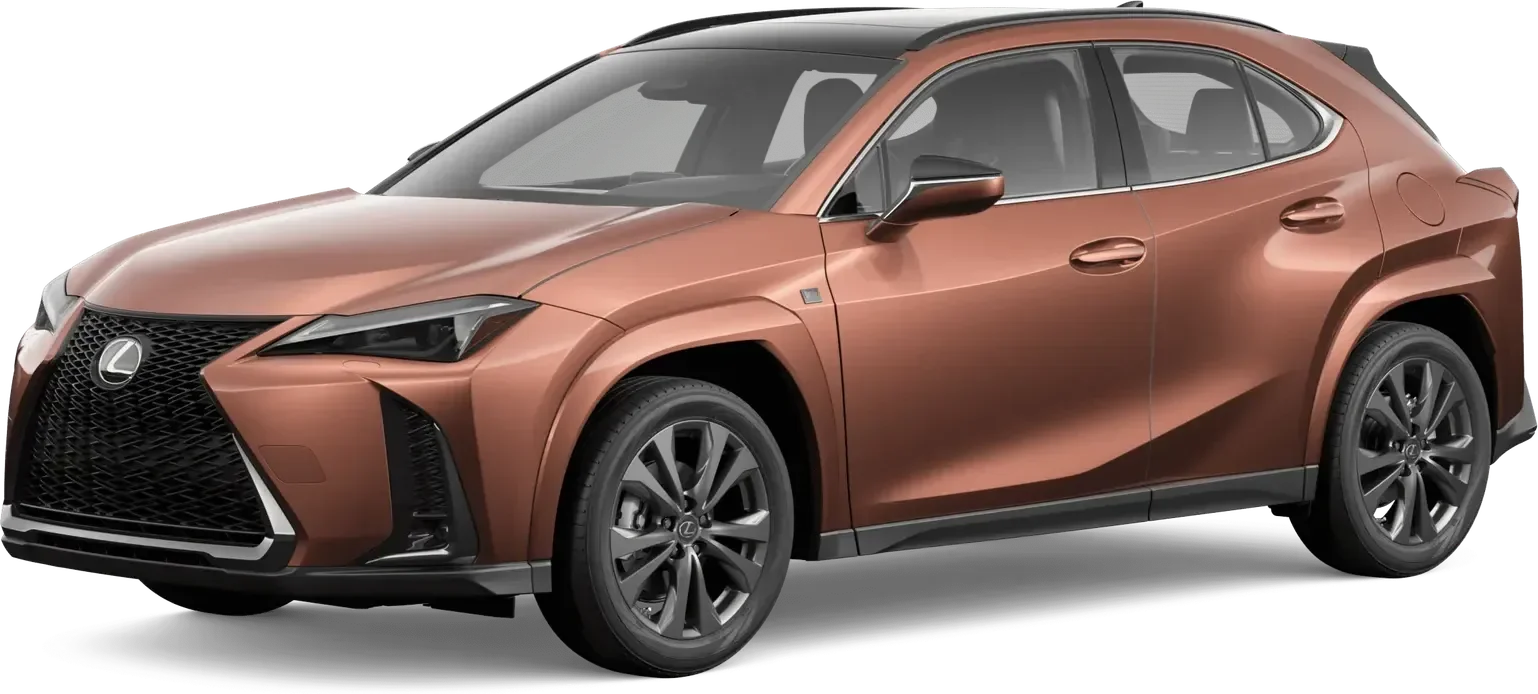
2020 Lexus UX
Score: 84/100

2020 Kia Sedona
Score: 83/100

2020 Lexus IS
Score: 83/100
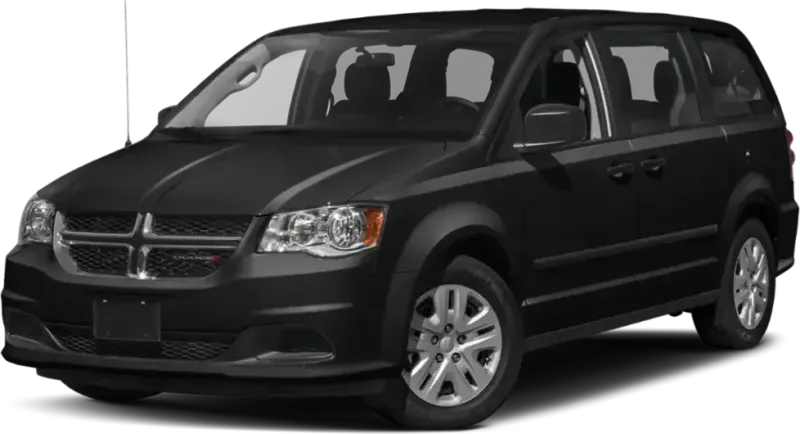
2020 Dodge Grand Caravan
Score: 83/100
See incorrect data? Report an issue