Last updated: 2026-10-10

2023 Mazda CX-30 Reliability Report
The 2023 Mazda CX-30 rates good for reliability, but owners report brake problems and low-speed lurching that are worth checking before you buy.
Recalls
1
Complaints
20
Complaint Rate
2.6per 10,000 sold
Est. Repair Cost
N/A
Annual Fuel Cost
$2,050–$2,400
Detailed Score Breakdown
Component-weighted complaints normalized by sales volume
Independent repair cost ratings
Recall count weighted by severity
Breadth of reported problem categories
The Verdict
Rated good and among the stronger CX-30 years, with one brake recall and owner reports of braking trouble and low-speed lurching.
Top Issues to Watch
- SERVICE BRAKES (3)
- SUSPENSION (2)
- VEHICLE SPEED CONTROL (2)
Generation & Refresh (US)
2023 is year 4 of the First generation (DM).
- Redesigned for the 2020 model year.
- Well-established in its generation — most early issues should be resolved.
- 1st generation CX-30 (US).
What this means for buyers
Well into the generation cycle — most design and manufacturing issues should be resolved by now.
2020: First generation (DM) Launch
Generation start — new platform.
2023: This Model Year
2023 is year 4 of the First generation (DM).
Should You Buy the 2023 Mazda CX-30?
Reliability is good, and this is among the stronger of the seven scored CX-30 years. Against other 2023 SUVs it lands close to average. The 2022 and 2024 models rate about the same, so neither neighbor has a clear edge. It also earned 5 of 5 stars in federal crash testing.
The complaints that matter involve braking and speed control. Owners say the car keeps rolling with the pedal fully pressed, and two of three brake reports end in a crash into the vehicle ahead. Others describe the car lurching forward at low speed when they brake, in parking lots and while backing into a space. Dealers who inspected these cars found nothing. One driver reported phantom braking on the highway. Federal recall records list one recall for the hydraulic service brakes.
Ask the seller for proof that the brake recall was done, plus any dealer visits for braking or acceleration. On a test drive, make slow stops in a parking lot.
Compared to the 2024 Mazda CX-30, which scored the same. See also the 2022 Mazda CX-30 for an earlier comparison.
Pros
- +Acceptable reliability score
- +Low recall count
- +Below-average complaint rate for SUV
Cons
- −SERVICE BRAKES issues reported (3 complaints)
- −UNKNOWN OR OTHER: Brakes fail to respond and the car surges forward in one report, causing a... (3 complaints)
Compare 2023 Mazda CX-30 With
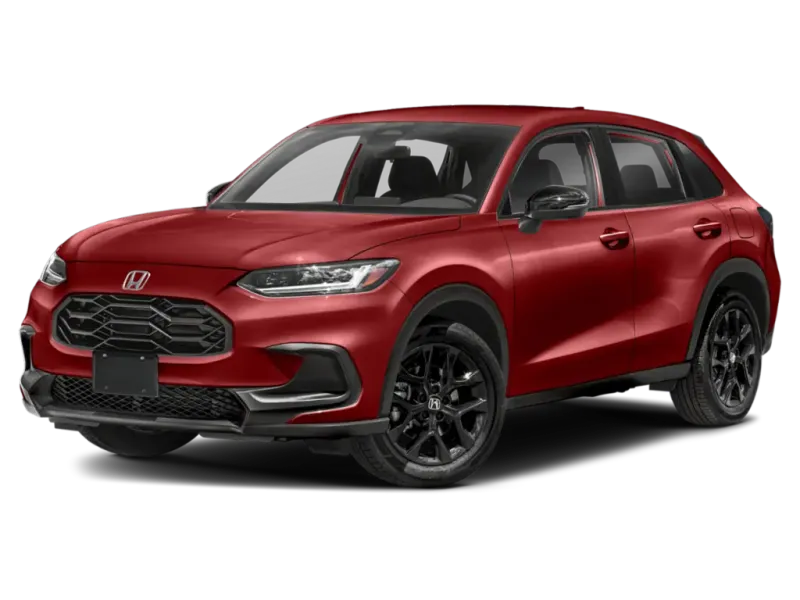
2023 Honda HR-V
Reliability: 73/100
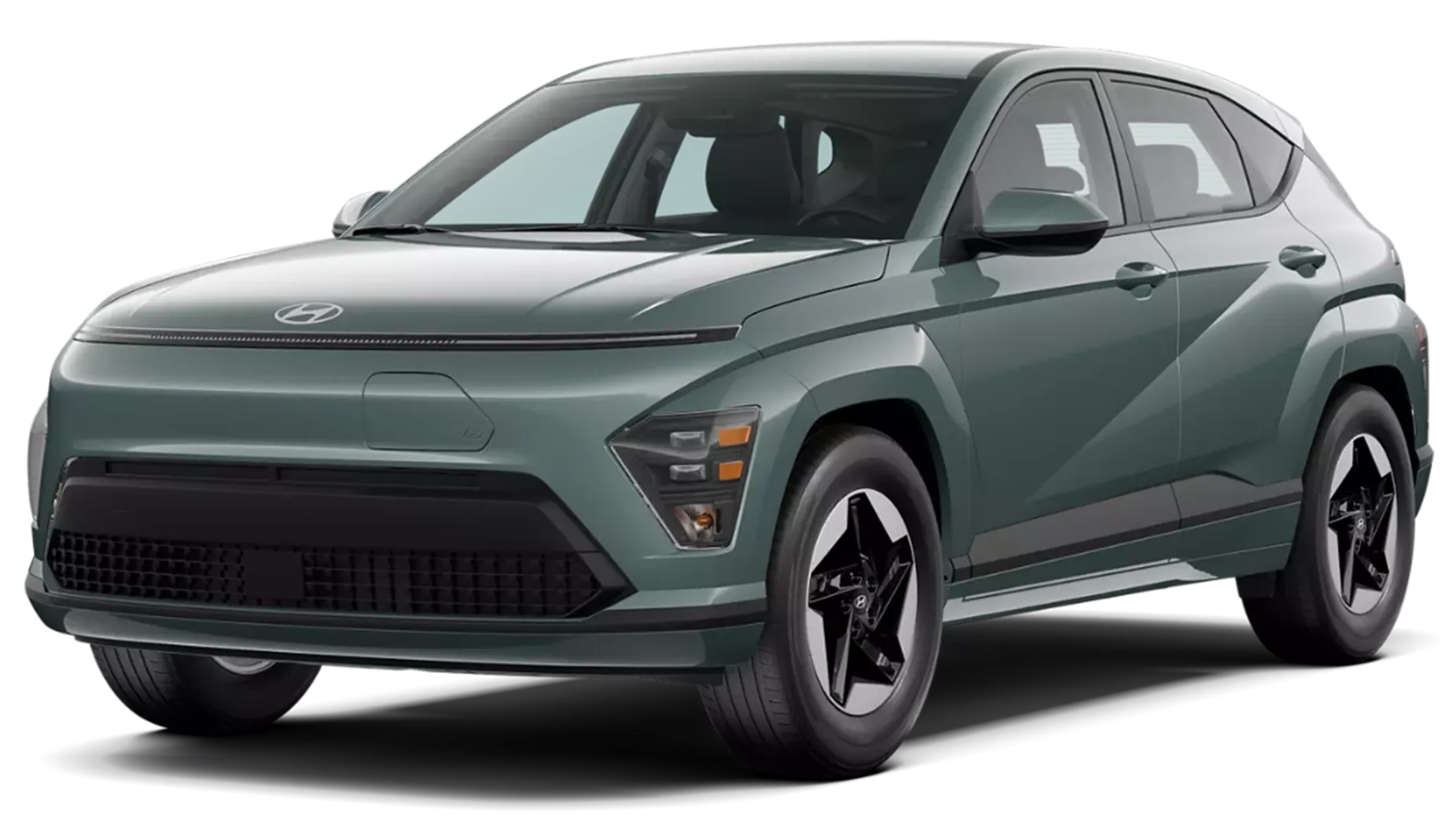
2023 Hyundai Kona
Reliability: 66/100
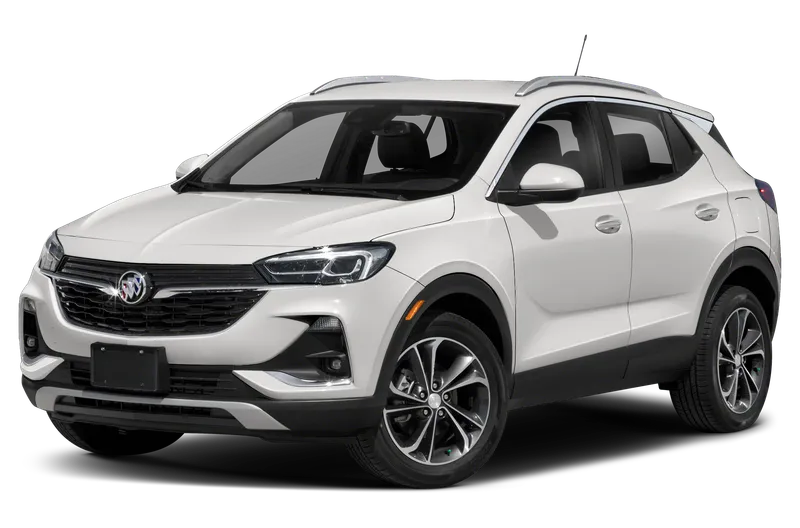
2023 Buick Encore GX
Reliability: 79/100
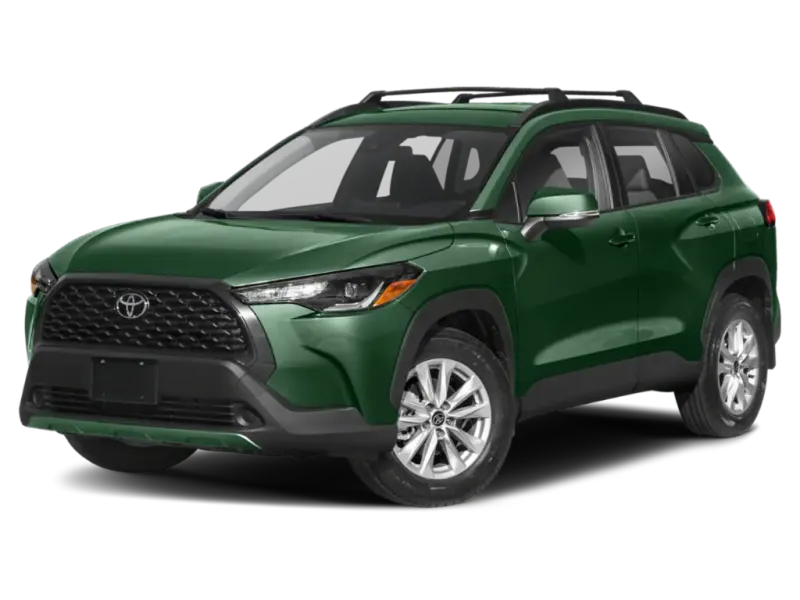
2023 Toyota Corolla Cross
Reliability: 69/100
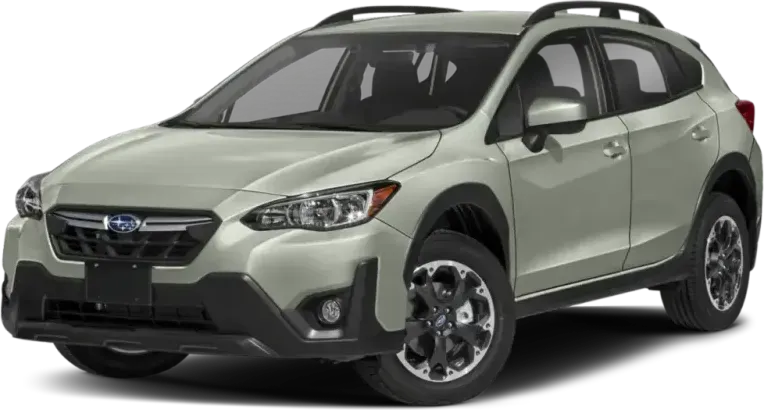
2023 Subaru Crosstrek
Reliability: 81/100
Common Problem Categories
Safety
LOW RISK- 1 manufacturer recall issued
Other
HIGH RISK- UNKNOWN OR OTHER (3)
- SERVICE BRAKES (3)
Recall Overview
1
recall on record
The 2023 Mazda CX-30 carries 1 recall — a low count. Authorized dealers repair any open recall free of charge, regardless of warranty status.
NHTSA.gov →Complaint Breakdown
2.6
per 10,000 soldSegment avg: 11.3
Safety Incidents
5
Crashes
0
Fires
2
Injuries
0
Deaths
NHTSA 5/5 Stars
Data sourced from NHTSA complaint filings and manufacturer recall notices. Complaint narratives are owner-reported.
2023 Mazda CX-30 Recall Details
1 recall has been issued for the 2023 Mazda CX-30. All recall repairs are performed free of charge at authorized dealerships.
SERVICE BRAKES, HYDRAULIC
Mazda North American Operations (Mazda) is recalling certain 2022-2023 CX-30 and 2023 CX-50 vehicles. The anti-lock brake system (ABS) Hydraulic Control Unit (HCU) may be damaged, which can result in reduced braking ability.
Consequence
Reduced braking ability can increase the distance required to stop the vehicle, increasing the risk of a crash.
Remedy
Dealers will inspect and replace the ABS HCU, as necessary, free of charge. Owner notification letters were mailed June 12, 2023. Owners may contact Mazda customer service at 1-800-222-5500 Option 6. Mazda's number for this recall is 5823D.
Buying a used 2023 Mazda CX-30? Check its history first
Service brakes problems lead owner complaints about the 2023 Mazda CX-30, and 1 recall was issued for it. A VIN check shows whether this car's recall work was done, plus accident, title, and odometer history.
- Accidents
- Open Recalls
- Title History
- Odometer Rollback
2023 Mazda CX-30 NHTSA Safety Ratings
Overall Safety Rating
Crash Test Results by Configuration (expand)
Gas Powertrain
Rollover risk: 14.7%
Safety Technologies
Mazda CX-30Repair Costs & Maintenance
Maintenance Rating
2Maintenance rating: 2 out of 5Based on NHTSA complaint patterns, recall severity, and publicly available cost benchmarks.
Category-level averages derived from publicly available industry reports (AAA, CarMD). Model-level estimates produced by Auto Reliability Index.
Mazda CX-30 Resale Value
The Mazda CX-30 is estimated to retain about 72.7% of its original value after 5 years, based on observed used-car listings.
This benchmark covers the Mazda CX-30 model overall and is not specific to the 2023 model year.
- Value Retained
- 72.7%
- Depreciation
- 27.3%
- Listings Analyzed
- 420
after 5 years
over the same period
U.S. used-car listings
Listings observed in . Actual resale value varies by trim, mileage, condition, and location.
Explore Mazda CX-30 depreciation and resale value on CarResaleValue.com2023 Mazda CX-30 Example Repair Prices
National average price ranges for common repairs. These are not model-year-specific failure predictions.
| Repair | Estimated Cost |
|---|---|
| Battery Cable Battery Terminal End Service | $37 – $54 |
| Alternator Voltage Regulator Replacement | $545 – $659 |
| Brake Master Cylinder Replacement | $430 – $538 |
| Brake Booster Replacement | $558 – $740 |
| Oil Pump Replacement | $615 – $729 |
| Ignition Switch Replacement | $317 – $425 |
| Valve Cover Gasket Replacement | $290 – $392 |
| Backup Warning System Sensor Replacement | $1,144 – $1,230 |
| Horn Replacement | $327 – $441 |
| Axle Shaft Seal Replacement | $196 – $281 |
Estimates based on national average repair costs. Actual costs may vary by location and shop.
MPG & Annual Running Costs
Gas
25–29 MPG
Fuel cost: $2,050–$2,400/yr
Fuel only
22–26 city / 30–33 hwy MPG
Based on EPA fuel-cost estimates. Excludes routine maintenance, depreciation, and insurance. Data as of 2023 EPA label cycle.
Gas trims
| Trim | Drive | Trans. | City | Hwy | Comb | Fuel Cost |
|---|---|---|---|---|---|---|
| CX-30 4WD 2.5L 4-cyl | 4-Wheel Drive | Automatic (S6) | 26 | 33 | 29 | $2,050 |
| CX-30 4WD 2.5L 4-cyl | 4-Wheel Drive | Automatic (S6) | 22 | 30 | 25 | $2,400 |
Used Buying Checklist
Key things to inspect or verify before purchasing a 2023 Mazda CX-30.
Run the VIN through the federal recall database and get the brake service history from the dealer.
Creep through a parking lot at low speed, tap the brake, and confirm the car slows without lurching forward.
Hold the brake while shifting out of Park and into Reverse, and confirm the car does not surge.
Check the dash for ActiveSense malfunction warnings and have a shop scan for stored driver-assist error codes.
Run the fan on high with AC and heat, and check the vents for white particles.
Look through the windshield at signs and lane lines for wavy or orange-peel distortion.
Spray washer fluid and confirm the driver's side wiper clears the glass completely.
Ask whether the curtain airbags have ever deployed and check the vehicle history for a total-loss record.
2023 Mazda CX-30 Common Problems by Component
20 owner complaints grouped by vehicle system.
UNKNOWN OR OTHER
3 complaintsSafety-relatedBrakes fail to respond and the car surges forward in one report, causing a crash with an injury. Afterward the car shows logged errors for the ActiveSense driver assist system. Another complaint describes white chemical particles blowing through the HVAC vents. The dealer confirmed a failed evaporator coating, and the car sat out of service for 103 days during the warranty repair. A third owner reports an inaccurate, nonlinear fuel gauge that led to running out of gas.
SERVICE BRAKES
3 complaintsSafety-relatedThe car keeps rolling forward with the brake pedal fully pressed, and two of three reports end in a crash into the vehicle ahead. Drivers say pressing harder does not stop the car and brake assist does not engage. Dealers who inspect these cars report finding nothing and cannot reproduce the problem. A separate complaint describes phantom braking: the automatic emergency braking system stops the car on the highway with nothing ahead, then lights the brake warning. Both patterns create a real crash risk.
SUSPENSION
2 complaintsSafety-relatedSudden acceleration with the foot on the brake, preceded by an ActiveSense system malfunction warning, leads to a collision in a parking garage in one report. The dealer had blamed the earlier warning on sensors overheating in hot weather. The other complaint describes front-end noise and a shifting problem on a nearly new car with about 4,014 miles. The dealer called the noise normal and said the transmission needed to learn the driver's habits. Neither report describes a confirmed suspension part failure.
VEHICLE SPEED CONTROL (2 complaints)
VEHICLE SPEED CONTROL
2 complaintsPressing the brake at low speed makes the car lurch and accelerate as if the gas pedal were down. Reports describe it while coasting through a parking lot, shifting out of Park, and backing into a space. Drivers have to press the brake hard again to regain control, and one near miss involves a gate. One complaint also says the car does not stop right away when braking on the freeway. This is a loss-of-control risk in tight spaces.
AIR BAGS (2 complaints)
AIR BAGS
2 complaintsSide curtain airbags deploy without a crash while the car travels at about 20 mph on slushy roads. Both reports describe no collision, no impact, and no rollover, and one includes a police report noting no crash occurred. The deployment damages the interior, and one car is declared a total loss by insurance. Mazda attributes the deployment to connected data suggesting a possible rollover but refuses to share the Event Data Recorder information.
VISIBILITY/WIPER (2 complaints)
VISIBILITY/WIPER
2 complaintsThe driver's side wiper fails to clear rain from the windshield, and the problem comes back after the dealer replaces the blades and arms. That report puts the failure at about 30,000 miles. A separate complaint describes a windshield with a wavy, orange-peel distortion across the whole glass. The distortion makes road signs and lane lines look warped and causes dizziness after extended driving. A warranty replacement windshield turned out worse than the original.
STEERING (1 complaints)
STEERING
1 complaintSafety-relatedWhile attempting a left-hand turn, the steering wheel suddenly became stiff and unresponsive, as if the mechanical gear had bound. This sudden resistance made it impossible to complete the turn, causing the vehicle to strike a curb at low speed. A post-accident inspection at Lee Johnson Mazda (RO# 649854) confirmed extensive damage, including a bent inner tie rod, a damaged front wheel bearing/hub assembly, and wheel/tire damage totaling over $6,500. The dealership stated no electronic fault codes were present in the computer, but the physical behavior matches the 'sticky steering' symptoms currently under federal investigation for other Mazda models (Recall 24V022 / RQ26002). I believe a mechanical failure in the steering gear caused the collision.
ENGINE (1 complaints)
ENGINE
1 complaintOne day after oil and filter change, engine LOW OIL LEVEL light illuminated on dash. Engine oil dipstick displays full oil level; no signs on oil leaks under the vehicle. Appears to be failed oil level sensor. Upon restarting the vehicle, LOW OIL LEVEL light is turned off. Intermittently returns after some time of driving. Have not observed light turning itself off without shutting down the vehicle.
LATCHES/LOCKS/LINKAGES (1 complaints)
LATCHES/LOCKS/LINKAGES
1 complaintOthers are at risk and below details how my safety was compromised. Powerlift gate/ trunk closed on my head and did not stop. It knocked me onto the ground and opened up a bloody gash on my head. Went to emergency room in the hospital to have them treat me with my head injury as I was bleeding with a head wound laceration. They sealed the wound with glue as it was in my hairline and gave aspirin for the head pain. There should be a safety feature on the power liftgate that alerts it if person or object is in the way. Other brands of vehicles have this safety feature. It is liability and there is concern for others of this happening that could potentially result in death. My injury has not fully healed as I know have recurring headaches and there will be a large scar left on my head. The vehicle is available for inspection.
STRUCTURE (1 complaints)
STRUCTURE
1 complaintThin paint peeling off plastic surfaces
Best & Worst Mazda CX-30 Years
Best Mazda CX-30 Years to Buy
Based on reliability index score2024
2023
(Current Model)
2022
Mazda CX-30 Years to Avoid
Mazda CX-30 Reliability Score Trend
Scores 0–100. Higher is better. Current year highlighted.
| Year | Score | Rating |
|---|---|---|
| 2020 | 64/100 | Good |
| 2021 | 60/100 | Good |
| 2022 | 67/100 | Good |
| 2023 | 68/100 | Good |
| 2024 | 68/100 | Good |
| 2025 | 68/100 | Good |
| 2026 | 72/100 | Good |
Mazda CX-30 Reliability Compared to Other Years
Frequently Asked Questions
Is the 2023 Mazda CX-30 reliable?
What are the most common problems with the 2023 Mazda CX-30?
Does the 2023 Mazda CX-30 have brake problems?
Has the 2023 Mazda CX-30 been recalled?
Is the 2023 Mazda CX-30 better than the 2022 or 2024?
Don’t buy a 2023 Mazda CX-30 without checking its VIN first — hidden accidents, title issues, and open recalls could cost you thousands.
How we score the 2023 Mazda CX-30
Of the four inputs behind this score, the 2023 Mazda CX-30 does best on recall impact (88/100) and worst on repair costs (40/100). Scores weight complaint severity at 35%, repair costs at 30%, recall impact at 20%, and the spread of complaints across systems at 15%, with complaint counts adjusted for US sales. Read the full methodology.
Get notified when new recalls or reliability data is added for the Mazda CX-30.
No spam. Only data updates for this model.
Browse More Mazda Models
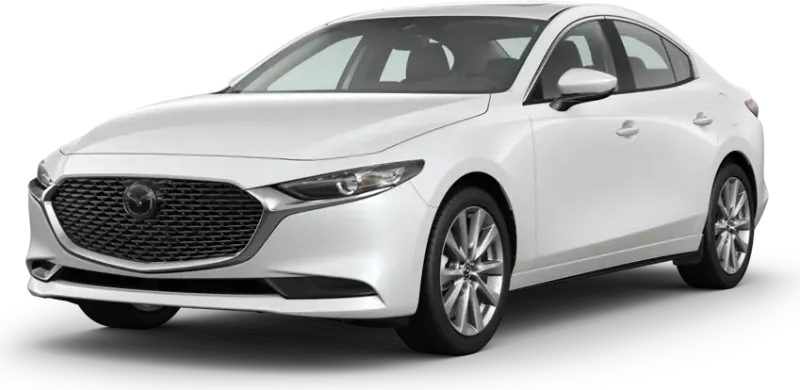
Mazda 3
Score: 84/100
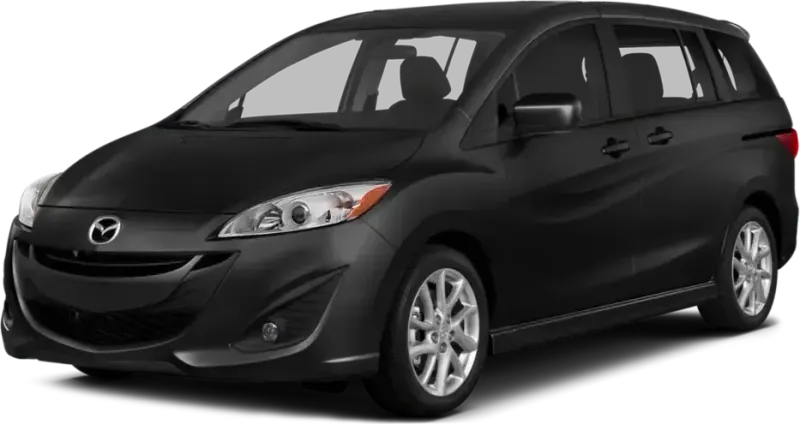
Mazda 5
Score: 88/100
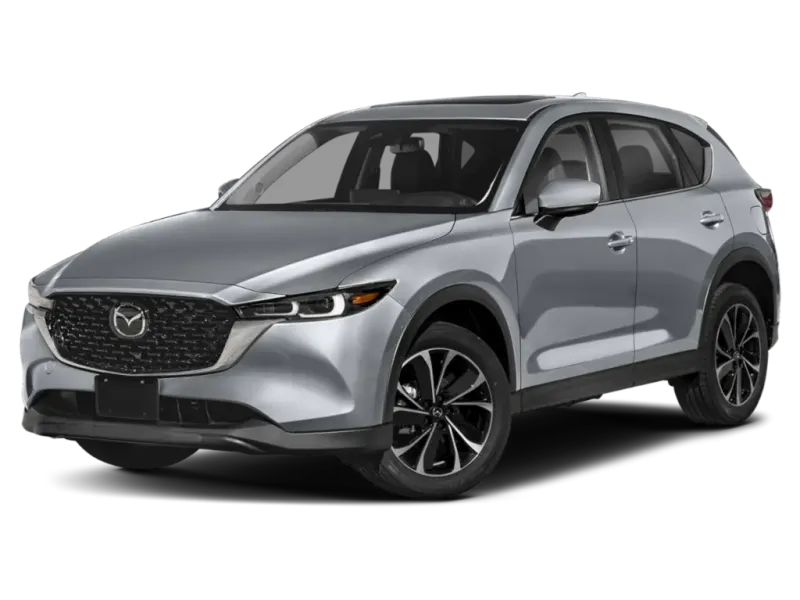
Mazda CX-5
Score: 94/100
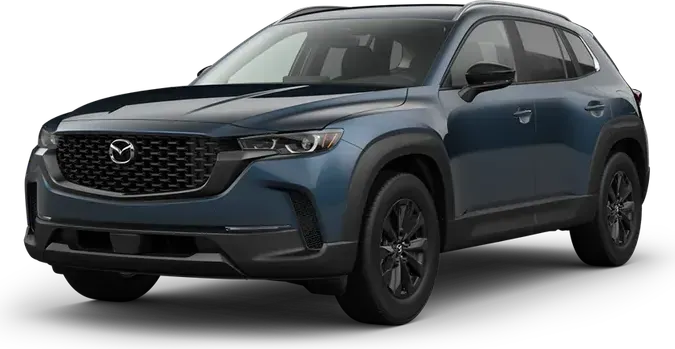
Mazda CX-50
Score: 76/100
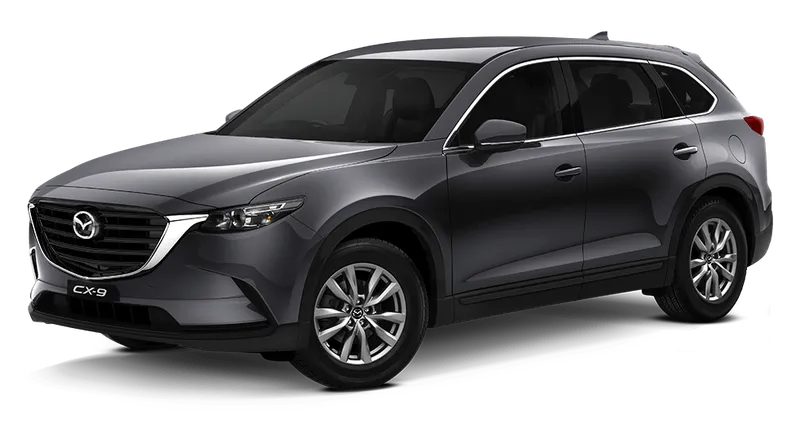
Mazda CX-9
Score: 81/100
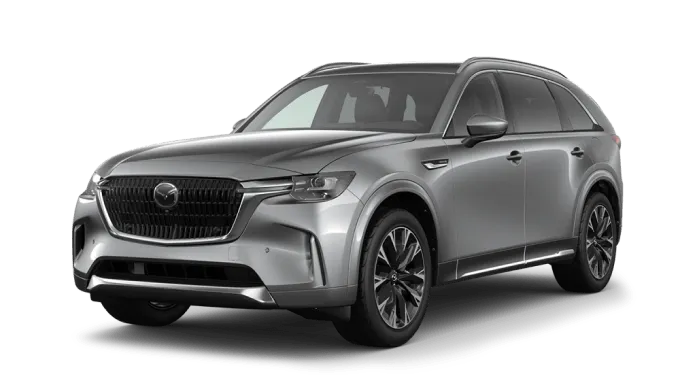
Mazda CX-90
Score: 72/100
Browse More 2023 Vehicles
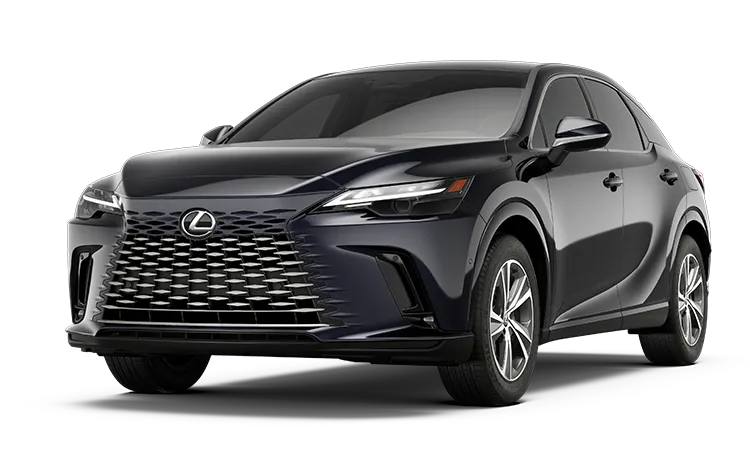
2023 Lexus RX
Score: 85/100
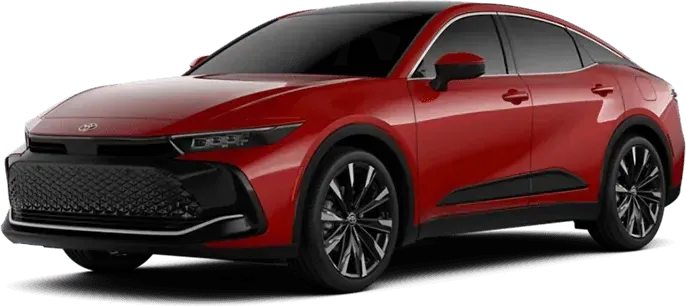
2023 Toyota Crown
Score: 84/100
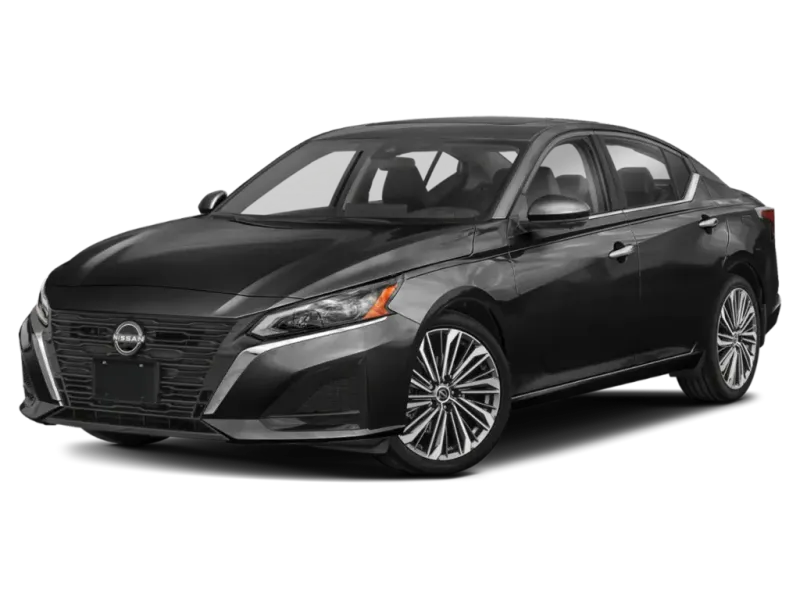
2023 Nissan Altima
Score: 84/100
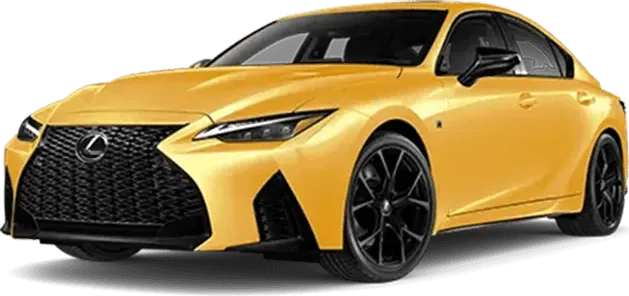
2023 Lexus IS
Score: 83/100

2023 Toyota 4Runner
Score: 82/100
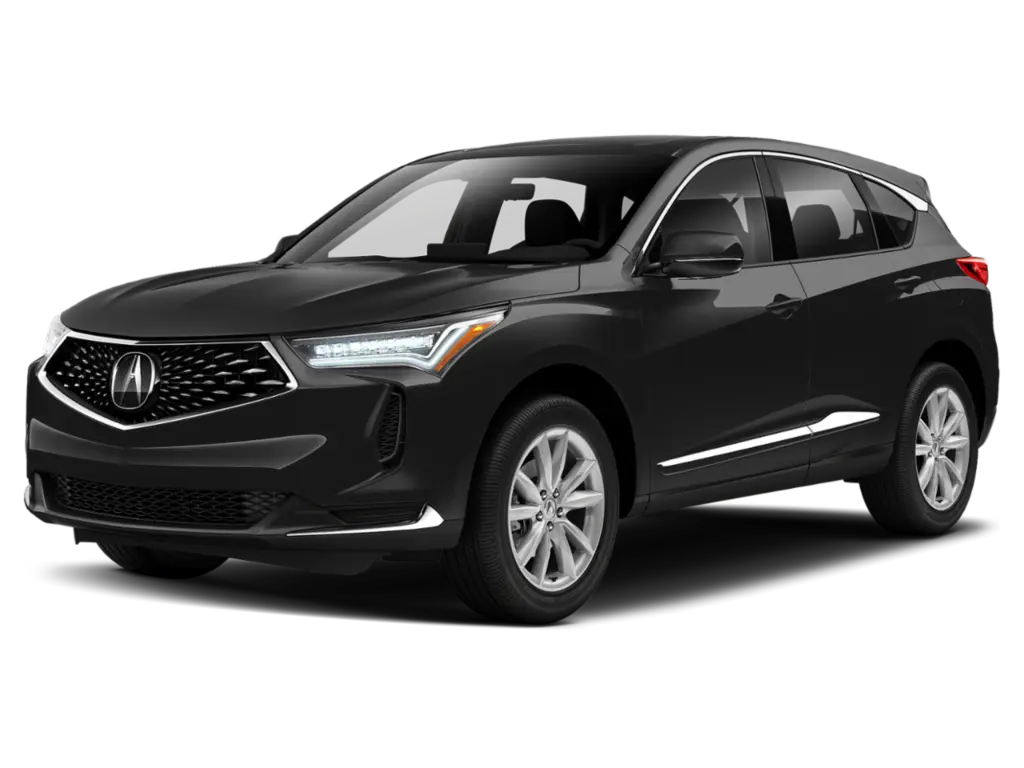
2023 Acura RDX
Score: 82/100
See incorrect data? Report an issue