Last updated: 2026-10-10
Lexus ES vs Volvo S60: Reliability Compared
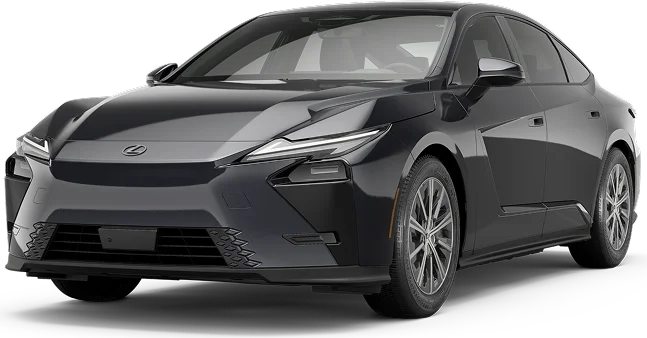
Lexus ES

Volvo S60
Lexus ES beats Volvo S60 on reliability by a large margin. The ES rates excellent and the S60 good. The S60 has more federal recalls, 23 across six model years against 15 across eight for the ES, and a highway vibration problem dealers have not fixed.
How Do the Lexus ES and Volvo S60 Generations Compare?
Verdict
The Lexus ES is more reliable than the Volvo S60, scoring 83/100 vs 72/100.
Reliability favors the Lexus by a large margin. It rates excellent, while the Volvo rates good. The Lexus also has fewer federal recalls, 15 against 23, spread over more model years. The Volvo is a sound used buy, but it has a known highway vibration problem and an electrical fault that can kill the wipers, signals, and steering wheel buttons at once. The Lexus has serious complaints of its own, mainly airbags and fuel pump stalling, so check recall status on any car you consider.
Key Differences
- 1Lexus ES scores 11 points higher in reliability
- 2Lexus ES has 8 fewer total recalls
Category Scoreboard
Lexus ES vs Volvo S60: Which Is More Reliable?
What Are the Common Problems With the Lexus ES and Volvo S60?
The Volvo's complaints are mostly nuisance and drivability faults. Highway shake from 65 to 75 mph that dealers cannot fix, separating foam in factory Pirelli tires, and a rearview camera that cuts out in reverse lead the list. Its crash-linked reports sit in the brakes, including false crash detection that stops the car hard on the highway. The Lexus profile is more severe. Airbags failing to deploy account for five crash-linked complaints, and the Volvo has no crash-linked airbag area. Stalling tied to a low-pressure fuel pump, plus automatic braking that fires on its own, round out the Lexus list.
| Component | Lexus ES | Volvo S60 |
|---|---|---|
| ELECTRICAL SYSTEM | 4 | 14 |
| UNKNOWN OR OTHER | 6 | 4 |
| SERVICE BRAKES | 5 | 5 |
| FUEL/PROPULSION SYSTEM | 7 | 2 |
| AIR BAGS | 8 | — |
| ENGINE | 6 | — |
| TIRES | 2 | 4 |
| STEERING | — | 6 |
| POWER TRAIN | 3 | 2 |
| FUEL SYSTEM | 3 | — |
| LANE DEPARTURE | 2 | — |
| WHEELS | 2 | — |
| STRUCTURE | 2 | — |
| VEHICLE SPEED CONTROL | 2 | — |
| BACK OVER PREVENTION | — | 2 |
| SEATS | — | 2 |
| EXTERIOR LIGHTING | — | 2 |
| FORWARD COLLISION AVOIDANCE | — | 2 |
Raw complaint counts aggregated across all tracked model years from NHTSA owner reports. Counts vary with sales volume.
How Does Lexus ES vs Volvo S60 Reliability Compare by Year?
| Year | Lexus ES | Volvo S60 | Edge |
|---|---|---|---|
| 2025 | 83/1001R / 4C | 76/1003R / 0C | Lexus ES |
| 2024 | 80/1004R / 9C | 72/1003R / 16C | Lexus ES |
| 2023 | 80/1004R / 18C | 70/1006R / 3C | Lexus ES |
| 2022 | 88/1000R / 16C | 70/1004R / 14C | Lexus ES |
| 2020 | 83/1001R / 5C | 72/1003R / 9C | Lexus ES |
| 2019 | 78/1003R / 33C | 72/1004R / 23C | Lexus ES |
Best years to cross-shop: The 2022 Lexus ES scored 88/100 and the 2024 Volvo S60 scored 72/100 — the strongest shared model years that have been on the road for at least two years, where available.
Who Should Buy the Lexus ES vs the Volvo S60?
Lexus ES vs Volvo S60: Common Questions
- Is the Volvo S60 more reliable than the Lexus ES?
- No. The Lexus ES leads by a large margin, with an excellent standing against good for the Volvo S60. The Volvo also has more recalls, and its owners report highway vibration that dealers could not cure. The Lexus still has serious complaints, including airbags and fuel pump stalling.
- Which has more recalls, the S60 or the ES?
- The Volvo S60 has more. Federal recall records show 23 recalls across six model years for the S60. The Lexus ES has 15 across eight model years. Check any specific car by VIN, since recall counts do not show whether a given car was fixed.
- Which is cheaper to repair, the S60 or the ES?
- This page can only price the Volvo. Independent repair-cost data puts the S60 at about $750 a year, with 0.5 unscheduled shop visits and an 8% chance a repair is major. Repair-cost data for the Lexus ES is missing here, so no cost comparison is possible.
- What is wrong with the Volvo S60 at highway speed?
- Owners report steering wheel vibration from about 65 to 75 mph. New rotors, tires, balancing, and alignments did not stop it, and some dealers declined further work. Separately, foam separating inside factory Pirelli P Zero 235/40R19 tires caused severe vibration, and dealers advised replacing all four.
- Are Lexus ES airbag and stalling complaints a reason to skip it?
- They are a reason to check, not to skip. Owners report airbags not deploying in crashes and stalling tied to a low-pressure fuel pump. Confirm that the fuel pump recall remedy was done and that no airbag recall is open. Avoid 2018 and 2019, the weakest years.
Related Reliability Comparisons
More Lexus ES comparisons
Decided between Lexus ES and Volvo S60? Run a VIN check before you buy — uncover hidden accidents, title issues, and open recalls.
How we score the Lexus ES and Volvo S60
Scores weight complaint severity at 35%, repair costs at 30%, recall impact at 20%, and the spread of complaints across systems at 15%, with complaint counts adjusted for US sales. Read the full methodology.
See incorrect data? Report an issue