Last updated: 2026-04-20
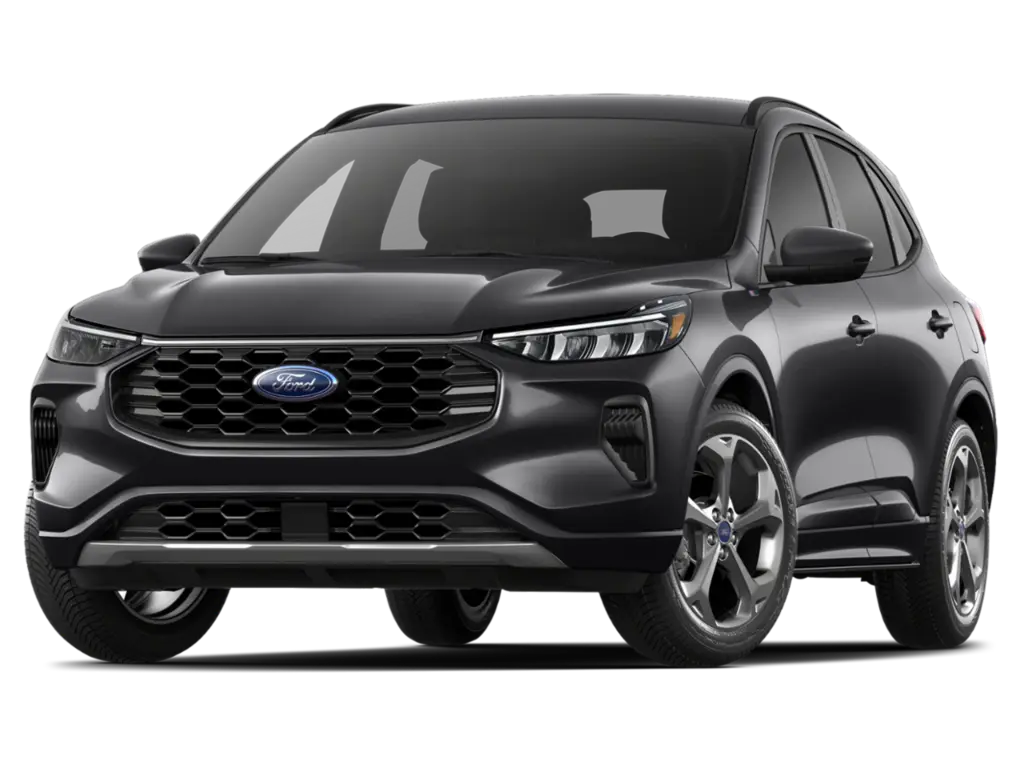
2023 Ford Escape Reliability Report
The 2023 Ford Escape scores 72/100 ("Good"). With 13 recalls and 107 owner complaints, reliability is acceptable but not class-leading.
Recalls
13
Complaints
107
Complaint Rate
7.6per 10,000 sold
Est. Repair Cost
$600
Annual Fuel Cost
$2,000–$2,300
Detailed Score Breakdown
Component-weighted complaints normalized by sales volume
Independent repair cost ratings
Recall count weighted by severity
Breadth of reported problem categories
The Verdict
Acceptable reliability — worth considering with a pre-purchase inspection.
Top Issues to Watch
- ELECTRICAL SYSTEM (40)
- POWER TRAIN (16)
- ENGINE (15)
Generation & Refresh (US)
2023 received a 2023 facelift update for the Fourth generation (2020).
- Changes: Updated front grille and headlights; New infotainment system features.
- Year 4 in this generation (2020–present).
- 4th generation Escape (US).
What this means for buyers
Refresh years bring updates but can also introduce new issues. Check early recall data before buying.
2020: Fourth generation (2020) Launch
Generation start — new platform.
2023: This Model Year (Refresh)
2023 received a 2023 facelift update for the Fourth generation (2020).
Should You Buy the 2023 Ford Escape?
At 72/100, the 2023 Ford Escape lands in "Good" territory — acceptable, but not class-leading. 2023 received a 2023 facelift update for the Fourth generation (2020).
Owners log 107 complaints on this model year — enough to suggest attention is needed, but no single failure mode dominates yet.
Get a pre-purchase inspection on any used example, with extra attention to electrical system (40). An extended warranty is worth pricing out.
Compared to the 2024 Ford Escape, which scored 3 points higher. See also the 2022 Ford Escape for an earlier comparison.
Pros
- +Acceptable reliability score
- +Infrequent unscheduled repairs
- +Low major repair risk (11%)
- +Below-average complaint rate for SUV
Cons
- −Above-average repair costs for its class
- −Above-average recall count
- −ELECTRICAL SYSTEM issues reported (40 complaints)
Compare 2023 Ford Escape With

2023 Honda CR-V
Reliability: 72/100
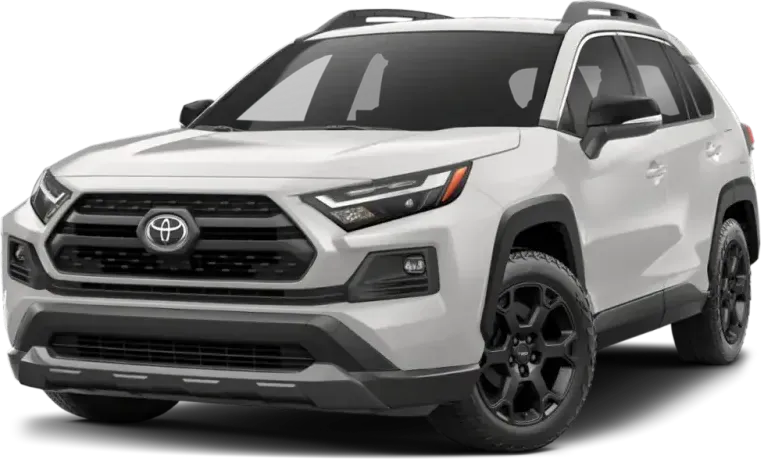
2023 Toyota RAV4
Reliability: 80/100
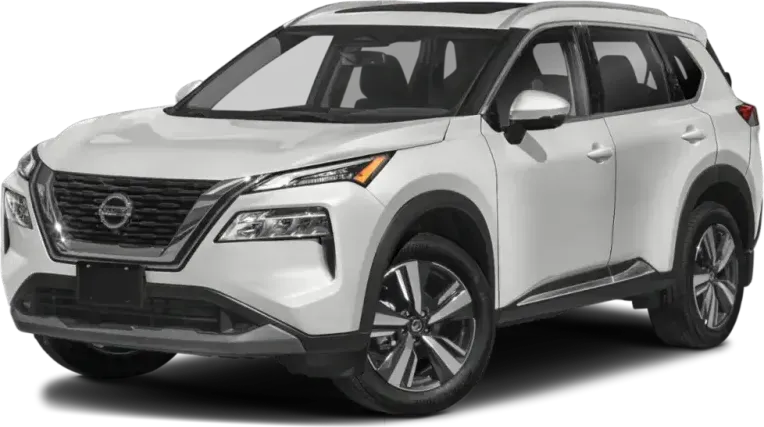
2023 Nissan Rogue
Reliability: 68/100
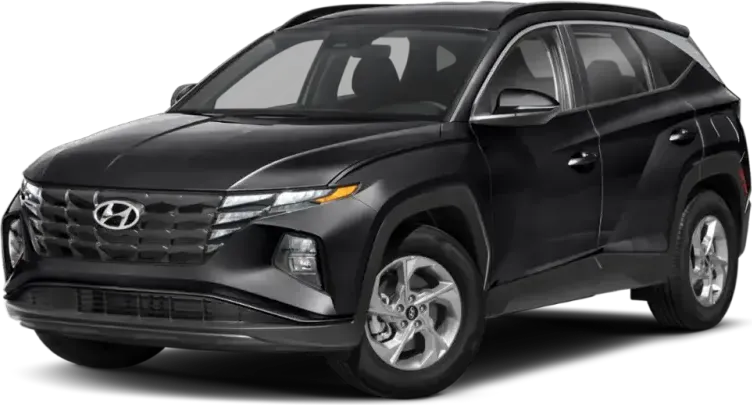
2023 Hyundai Tucson
Reliability: 75/100
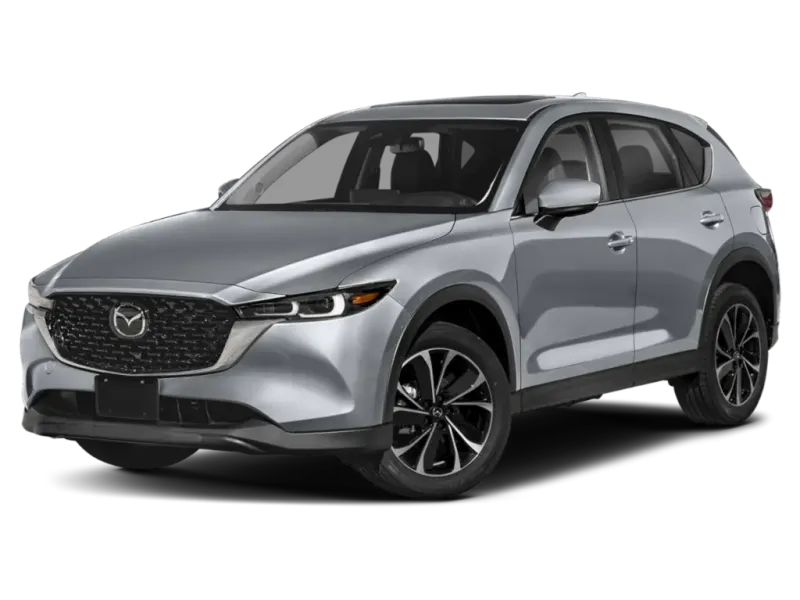
2023 Mazda CX-5
Reliability: 81/100
Common Problem Categories
Safety
LOW RISK- 13 manufacturer recalls issued
Other
HIGH RISK- ELECTRICAL SYSTEM (40)
- POWER TRAIN (16)
Recall Overview
13
recalls on record
The 2023 Ford Escape has 13 recalls on record, which is above average. A high count can flag multiple component concerns, though it also shows the manufacturer is actively addressing known issues.
NHTSA.gov →Complaint Breakdown
7.6
per 10,000 soldSegment avg: 11.3
Safety Incidents
3
Crashes
3
Fires
3
Injuries
0
Deaths
NHTSA 5/5 Stars
Data sourced from NHTSA complaint filings and manufacturer recall notices. Complaint narratives are owner-reported.
2023 Ford Escape Recall Details
13 recalls have been issued for the 2023 Ford Escape. All recall repairs are performed free of charge at authorized dealerships.
FUEL SYSTEM, GASOLINE
Ford Motor Company (Ford) is recalling certain 2023 Lincoln Corsair, 2023-2024 Escape, 2024 Mustang, and 2025 Explorer vehicles. The fuel injectors may have been assembled without O-ring support discs, which can result in a fuel leak.
Consequence
A fuel leak in the presence of an ignition source increases the risk of a fire.
Remedy
Dealers will install new fuel injector O-rings and O-ring support discs, free of charge. Owner notification letters were mailed on October 7, 2024. Owners may contact Ford customer service at 1-866-436-7332. Ford's number for this recall is 24S54.
ELECTRICAL SYSTEM
Ford Motor Company (Ford) is recalling certain 2024-2025 Lincoln Nautilus, 2023-2025 Escape, 2023 Lincoln Corsair, 2025 Lincoln Corsair, Maverick, and Bronco Sport vehicles equipped with a 1.5L or 2.0L MPC engine and an engine block heater. The engine block heater may overheat when the vehicle is parked with the block heater plugged in.
Consequence
An overheated engine block heater can increase the risk of a fire.
Remedy
Dealers will replace the block heater element and inspect the electrical cord, replacing it if necessary, free of charge. Owners will also have a alternative option to replace engine block heater element with a threaded blanking plug coupled, and remove the block heater electrical cord. Interim letters, notifying owners of the safety risk, were mailed June 11, 2025. A second notice will be sent once the final remedy is available. The parts are anticipated to be available April 2026. Owners may contact Ford customer service at 1-866-436-7332. Ford's number for this recall is 25S52.
ENGINE
Ford Motor Company (Ford) is recalling certain 2020-2023 Escape, 2021-2023 Corsair, and 2022-2023 Maverick vehicles equipped with 2.5L HEV or PHEV engines that were repaired incorrectly under recall 23V380. In the event of an engine failure, engine oil and fuel vapor may be released into the engine compartment and accumulate near ignition sources such as hot engine or exhaust components, possibly resulting in an engine compartment fire.
Consequence
An engine compartment fire increases the risk of injury.
Remedy
Owners are advised to park and shut off the engine as quickly as possible if they hear unexpected engine noises, notice a reduction in vehicle power, or see smoke. Dealers will update the powertrain control module software, free of charge. Owner notification letters were mailed June 27, 2025. Owners may contact Ford customer service at 1-866-436-7332. Ford's number for this recall is 25S54.
Showing 10 of 13 recalls. View all on NHTSA.gov →
Buying a used 2023 Ford Escape? Check its history first
Every 2023 Ford Escape has a different past. A VIN check reveals hidden accidents, title problems, odometer rollbacks, and open recalls that reliability scores can't show you.
- Accidents
- Open Recalls
- Title History
- Odometer Rollback
2023 Ford Escape NHTSA Safety Ratings
Overall Safety Rating
Crash Test Results by Configuration (expand)
Gas Powertrain
Rollover risk: 16.9%
Safety Technologies
HEV Powertrain
Rollover risk: 16.9%
Safety Technologies
PHEV Powertrain
Rollover risk: 14.3%
Safety Technologies
Ford EscapeRepair Costs & Maintenance
Maintenance Rating
4Maintenance rating: 4 out of 5Based on NHTSA complaint patterns, recall severity, and publicly available cost benchmarks.
Est. Annual Maintenance
$600
vs $521 avg for compact SUVs
vs $652 avg for all vehicles
Repair Frequency
0.3
unscheduled repair visits per year
Severe Repair Probability
11%
chance of a major repair
Annual Cost Comparison
Category-level averages derived from publicly available industry reports (AAA, CarMD). Model-level estimates produced by Auto Reliability Index.
Ford Escape Resale Value
The Ford Escape is estimated to retain about 59.5% of its original value after 5 years, based on observed used-car listings.
This benchmark covers the Ford Escape model overall and is not specific to the 2023 model year.
- Value Retained
- 59.5%
- Depreciation
- 40.5%
- Listings Analyzed
- 720
after 5 years
over the same period
U.S. used-car listings
Listings observed in . Actual resale value varies by trim, mileage, condition, and location.
Explore Ford Escape depreciation and resale value on CarResaleValue.comMPG & Annual Running Costs
Gas
26–30 MPG
Running cost: $2,600–$2,900/yr
Fuel + repair
23–27 city / 31–34 hwy MPG
Plug-in Hybrid
39–40 MPG
Running cost: $2,100–$2,150/yr
Fuel + repair
42 city / 36–37 hwy MPG
Running cost includes EPA fuel-cost estimate and independent repair-cost data (repair cost estimated at model level). Excludes routine maintenance, depreciation, and insurance. Data as of 2023 EPA label cycle.
Gas trims
| Trim | Drive | Trans. | City | Hwy | Comb | Fuel Cost |
|---|---|---|---|---|---|---|
| Escape FWD 1.5L 3-cyl | Front-Wheel Drive | Automatic 8-spd | 27 | 34 | 30 | $2,000 |
| Escape AWD 1.5L 3-cyl | All-Wheel Drive | Automatic 8-spd | 26 | 32 | 28 | $2,150 |
| Escape AWD 2.0L 4-cyl | All-Wheel Drive | Automatic 8-spd | 23 | 31 | 26 | $2,300 |
Plug-in Hybrid trims
| Trim | Drive | Trans. | City | Hwy | Comb | Fuel Cost |
|---|---|---|---|---|---|---|
| Escape FWD PHEV 2.5L 4-cyl | Front-Wheel Drive | Automatic (variable gear ratios) | 42 | 37 | 40 | $1,500 |
Used Buying Checklist
Key things to inspect or verify before purchasing a 2023 Ford Escape.
Inspect transmission for metal shavings in fluid
Test engine for overheating issues during a long drive
Check 12-Volt battery health and charging system
Verify infotainment system and instrument cluster functionality
Test adaptive cruise control and lane keeping systems
Inspect for any unresolved recalls related to battery and engine
2023 Ford Escape Common Problems by Component
107 owner complaints grouped by vehicle system.
ELECTRICAL SYSTEM
40 complaintsSafety-relatedOwners report several electrical system issues with the 2023 Ford Escape, including frequent battery-related problems and instrument cluster malfunctions. Complaints frequently mention dead or inoperable 12-Volt batteries leading to starting issues, with some vehicles requiring jump starts and battery replacements at mileages as low as 8,000. Multiple owners describe the instrument cluster going dark while driving, affecting visibility of critical information such as speed and fuel levels. Two complaints involve fires, one resulting in a total vehicle loss, and one injury is noted due to seat heater malfunctions. These issues occur across a range of mileages and often involve unresolved recalls, highlighting potential safety risks for prospective buyers.
POWER TRAIN
16 complaintsOwners report multiple issues with the 2023 Ford Escape's power train, primarily involving transmission failures and acceleration hesitations. Complaints frequently mention symptoms such as the vehicle hesitating during acceleration from a stop, unexpected downshifting, and the transmission failing to engage gears, often accompanied by metal shavings in the transmission fluid. These issues appear at various mileage ranges, with some occurring as early as 3,000 miles and others at higher mileages around 70,000 to 150,000 miles. Safety implications include the risk of being rear-ended due to hesitation when accelerating and potential loss of vehicle control due to transmission failures. These patterns suggest potential reliability concerns for prospective used car buyers.
ENGINE
15 complaintsSafety-relatedOwners report several recurring engine issues with the 2023 Ford Escape, including overheating problems and sudden loss of power. Complaints frequently mention engine overheating, often accompanied by warning lights and limp mode activation, with some incidents leading to the vehicle stalling or requiring towing. The overheating issue is sometimes linked to faulty cylinder heads or sensor problems, with repairs delayed due to parts backorders. Sudden power loss, stalling, and hesitation during acceleration are also commonly described, posing potential safety risks when merging or crossing traffic. Notably, one report involves a fire originating from the engine compartment. These issues appear across various mileage ranges, with some occurring as early as 1,000 miles.
UNKNOWN OR OTHER (10 complaints)
UNKNOWN OR OTHER
10 complaintsOwners report several issues with the 2023 Ford Escape, primarily involving electronic and structural components. Complaints frequently mention problems with the navigation system, where the instrument cluster displays incorrect directions at roundabouts, potentially leading to dangerous driving situations. Additionally, multiple owners describe unexpected sunroof glass explosions and persistent battery-related issues, such as the vehicle entering "Deep Sleep" mode and requiring frequent battery replacements. There are also reports of loud, injurious noises from the stereo system and structural noises from the underbody near the gas tank and hybrid battery. These issues typically begin within a few months of ownership, with some occurring immediately after purchase, raising concerns about the vehicle's reliability and safety.
FORWARD COLLISION AVOIDANCE (8 complaints)
FORWARD COLLISION AVOIDANCE
8 complaintsSafety-relatedOwners of the 2023 Ford Escape frequently report issues related to the Adaptive Cruise Control and Lane Keeping systems. Common symptoms include unintended acceleration and deceleration, with some owners noting that the vehicle accelerates unexpectedly after detecting road signs or when another vehicle pulls in front. The Lane Keeping system is also reported to veer the vehicle too close to the left lane marker, causing potential safety concerns. Complaints span various mileages, with issues noted as early as 4,850 miles. Notably, there are reports of crashes where the emergency braking system failed to engage, though no injuries were reported. These patterns suggest potential safety implications, particularly regarding control and collision avoidance.
STRUCTURE (3 complaints)
STRUCTURE
3 complaintsOwners of the 2023 Ford Escape report several structural issues. Commonly mentioned problems include the left rear liftgate hinge cover detaching during car washes and a recurring issue with the driver's side rear door handle, which sometimes does not open from either side, posing a potential safety risk. Another report describes an incident where the vehicle's hood unexpectedly opened while driving over a railroad track, obstructing visibility and leading to a loss of control. These complaints occur in vehicles with varied usage timelines, with one owner experiencing door handle issues within six months of ownership. The reported issues have safety implications, particularly the door handle malfunction and the hood opening unexpectedly while driving.
SERVICE BRAKES (2 complaints)
SERVICE BRAKES
2 complaintsSafety-relatedOwners report issues with the braking system in the 2023 Ford Escape, specifically involving brake pedal positioning and loss of braking power. One complaint describes a low-speed crash where the driver's foot became caught between the accelerator and brake pedals due to the pedal height, resulting in an inability to stop the vehicle in time. Another owner mentions a loss of braking power, where the brake pedal went to the floor and required multiple presses to regain brake power assist, occurring three times within a 100-mile drive. These issues suggest potential safety implications, including crashes and temporary loss of control, though no specific mileage range is mentioned.
BACK OVER PREVENTION (2 complaints)
BACK OVER PREVENTION
2 complaintsOwners of the 2023 Ford Escape report issues with the back over prevention camera, primarily involving failure to display images and the screen turning blue. Typical symptoms include the camera not functioning as intended while reversing and intermittent activation while driving, with messages instructing contact with a dealer. These issues appear at various mileages, with one report at approximately 55,000 miles and another at 10,668 miles. Safety implications are noted, as one owner nearly struck a pedestrian due to the camera's failure. Buyers should be aware that some cases required software updates or resets, and recurrence of the issue has been reported even after attempted repairs.
ENGINE AND ENGINE COOLING (2 complaints)
ENGINE AND ENGINE COOLING
2 complaintsOwners of the 2023 Ford Escape report issues with the engine and cooling system, particularly involving engine overheating and subsequent diagnostic findings of faulty engines. Symptoms commonly described include sudden deceleration, activation of limp mode, and warning messages such as "Engine Overheated" and "low engine coolant." These issues typically occur at low mileage, around 3,900 to 4,200 miles. Both complaints involve significant diagnostic outcomes, indicating the need for engine and head gasket replacements, though no repairs have been completed. There are no reports of crashes, fires, or loss of control associated with these complaints.
SEATS (2 complaints)
SEATS
2 complaintsOwners of the 2023 Ford Escape report issues with seat design, specifically related to headrest positioning and seat railing. One owner describes difficulty with the headrest being uncomfortable for shorter drivers, particularly when the seat is adjusted forward, leading to poor fit and discomfort, especially with certain hairstyles. Another owner reports a safety concern where contact with the seat railing caused a minor injury, prompting a temporary fix with padding. These issues are noted at low mileage, around 600 miles, and highlight potential discomfort and minor injury risks associated with the seat design.
When Do 2023 Ford Escape Problems Start?
Based on owner complaint patterns, here's when common issues tend to appear.
Best & Worst Ford Escape Years
Comprehensive reliability analysis based on NHTSA data, owner complaints, and historical performance.
Best Ford Escape Years to Buy
Based on reliability index scoreThe best Ford Escape year is 2026 with a reliability score of 77/100, rated good. Other strong picks include 2024 (75/100) and 2025 (74/100).
Ford Escape Years to Avoid
The worst Ford Escape year is 2020 with a score of 52/100, primarily due to structure (655) issues.
Ford Escape Reliability Score Trend
Ford Escape reliability has improved in recent years, with newer models scoring an average of 75/100 compared to 61/100 for older years.
Scores 0–100. Higher is better. Current year highlighted.
| Year | Score | Rating |
|---|---|---|
| 2018 | 60/100 | Good |
| 2019 | 69/100 | Good |
| 2020 | 52/100 | Mixed |
| 2022 | 62/100 | Good |
| 2023 | 72/100 | Good |
| 2024 | 75/100 | Good |
| 2025 | 74/100 | Good |
| 2026 | 77/100 | Good |
Ford Escape Reliability Compared to Other Years
2023 Ford Escape Reliability by Powertrain
The 2023 Ford Escape is available with 3powertrain options. Here's how they compare on reliability.
| Powertrain | Complaints | Recalls | Incidents* | Crash Rating |
|---|---|---|---|---|
| Gas | 81 | 11 | 4 | 5 out of 5 |
| HEV | 22 | 0 | 2 | 5 out of 5 |
| PHEV | 4 | 2 | 0 | 5 out of 5 |
| Total | 107 | 13 | 6 |
NHTSA tracks complaints by vehicle configuration when that detail is available. Model-level reports that do not identify a specific powertrain are included in Total but not assigned to a row. A plus sign indicates a confirmed minimum; — means no complaints could be attributed to that specific powertrain. N/T = Not tested by NHTSA.
* Incidents = crash + fire reports. A single complaint can include multiple incident types.
Frequently Asked Questions
Is the 2023 Ford Escape reliable?
What are the most common problems with the 2023 Ford Escape?
How many recalls does the 2023 Ford Escape have?
Is the 2023 Ford Escape expensive to maintain?
Don’t buy a 2023 Ford Escape without checking its VIN first — hidden accidents, title issues, and open recalls could cost you thousands.
How We Calculate Reliability Scores
Auto Reliability Index scores are calculated on a 0–100 scale using a weighted formula that combines multiple public data sources. Each factor is weighted based on its predictive value for real-world ownership experience.
Key Ranking Factors
Complaint Severity
NHTSA owner complaints weighted by component category (e.g., powertrain, safety systems, electronics, cosmetic) — safety-critical issues carry more weight than cosmetic ones. Adjusted for sales volume so high-volume models aren't unfairly penalized.
Repair Costs
Independent reliability ratings based on repair frequency, average repair costs, and severity of typical repairs for each model.
Recall Impact
Number of NHTSA recalls weighted by severity. “Stop driving” and fire-risk recalls are penalized more heavily than minor software or labeling recalls.
Issue Diversity
Measures how many major vehicle systems (engine, transmission, electrical, braking, etc.) have recorded complaints. A vehicle with issues spread across many systems may indicate systemic quality issues.
Scores are grouped into four tiers:
- 80–100: Excellent— Top-tier reliability, minimal issues
- 60–79: Good— Reliable with some minor concerns
- 40–59: Mixed— Notable issues, research before buying
- 0–39: Risky— Significant problems, proceed with caution
Data is sourced from NHTSA recall records, owner complaint filings, and independent repair databases via vehicles.dev. Scores are recalculated as new data becomes available. While the weighting model is proprietary, all underlying data sources are public and traceable.
Get notified when new recalls or reliability data is added for the Ford Escape.
No spam. Only data updates for this model.
Browse More Ford Models
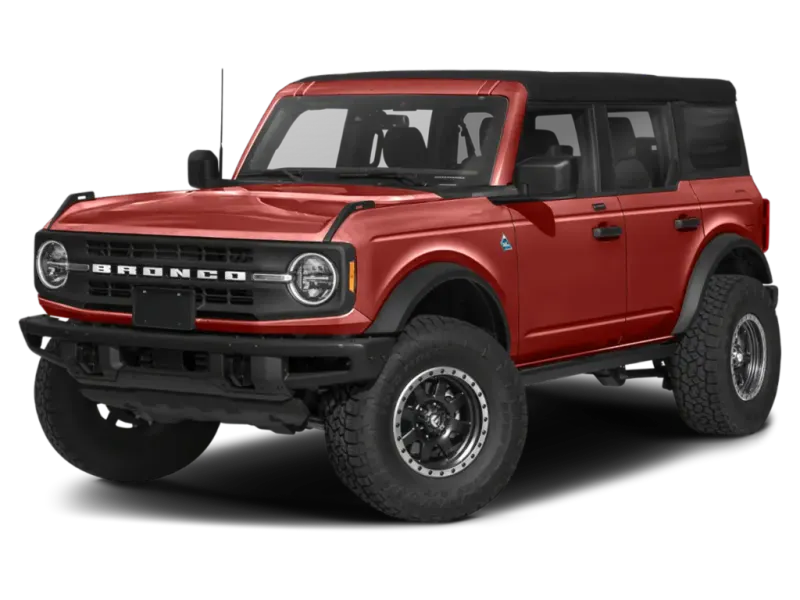
Ford Bronco
Score: 59/100
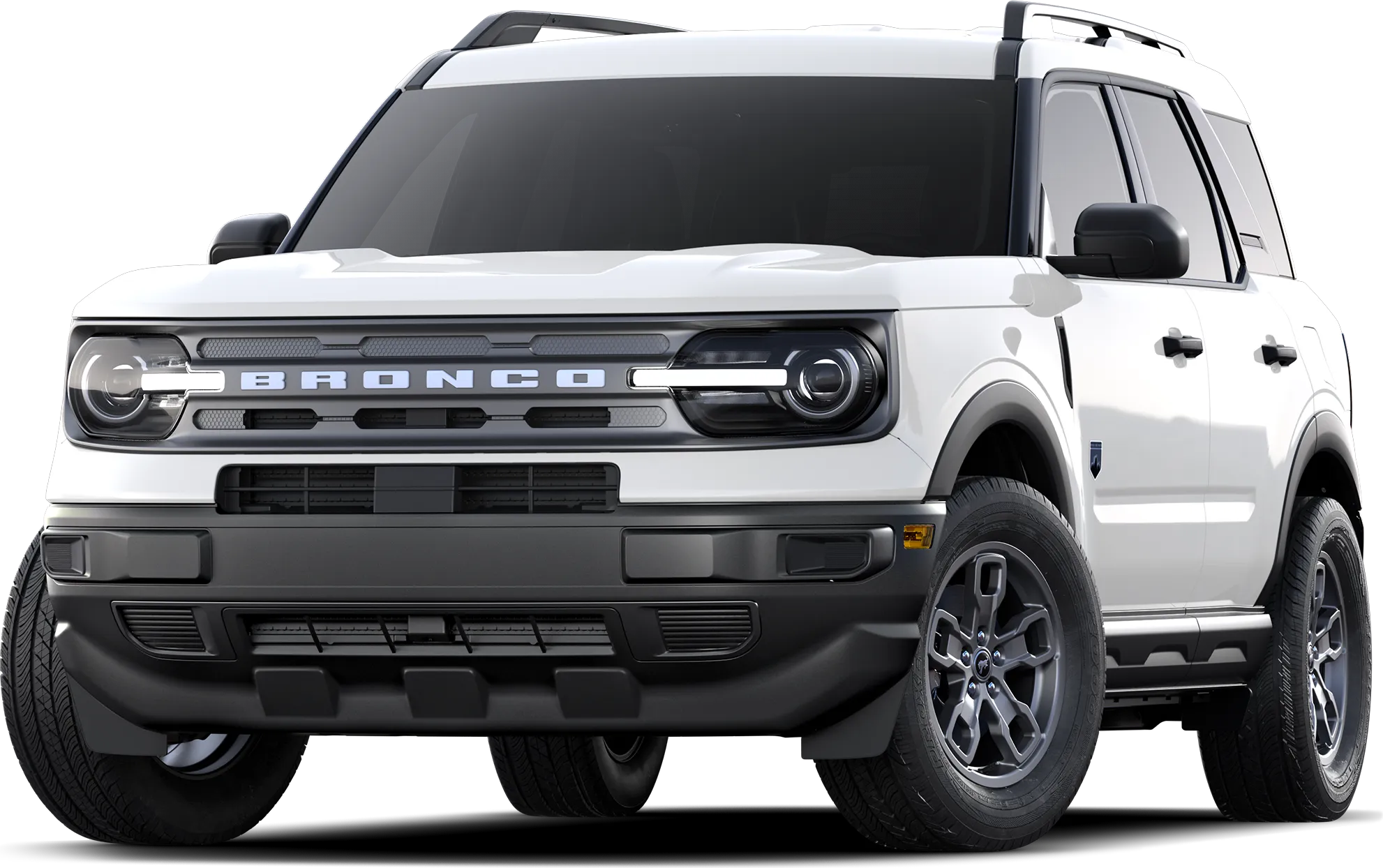
Ford Bronco-Sport
Score: 77/100
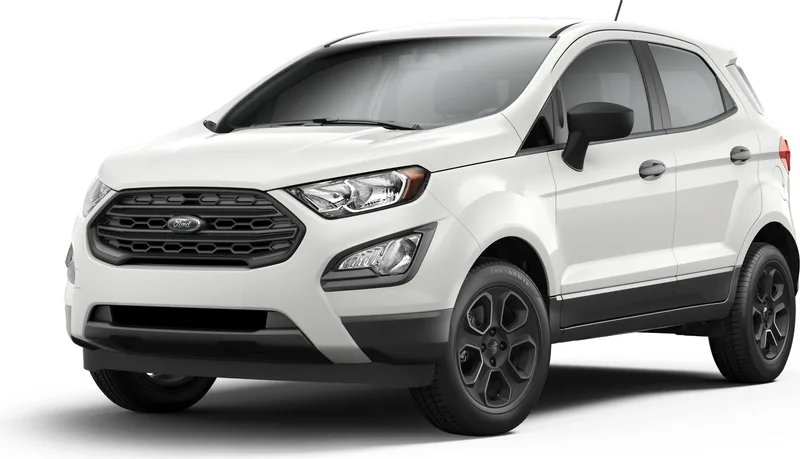
Ford Ecosport
Score: 74/100
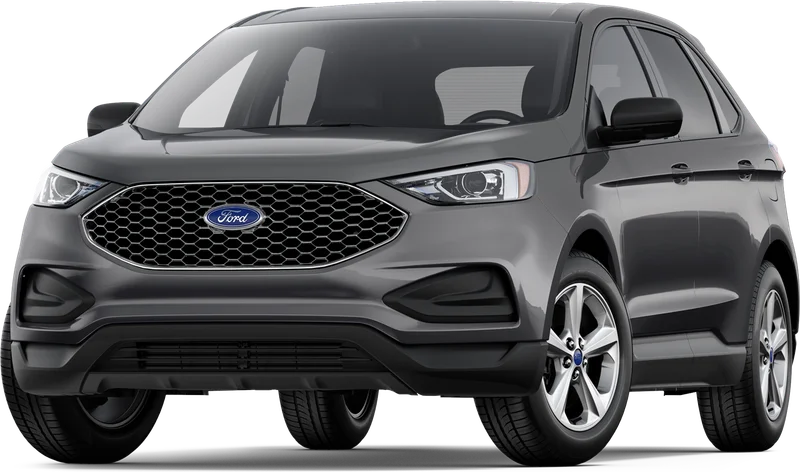
Ford Edge
Score: 76/100
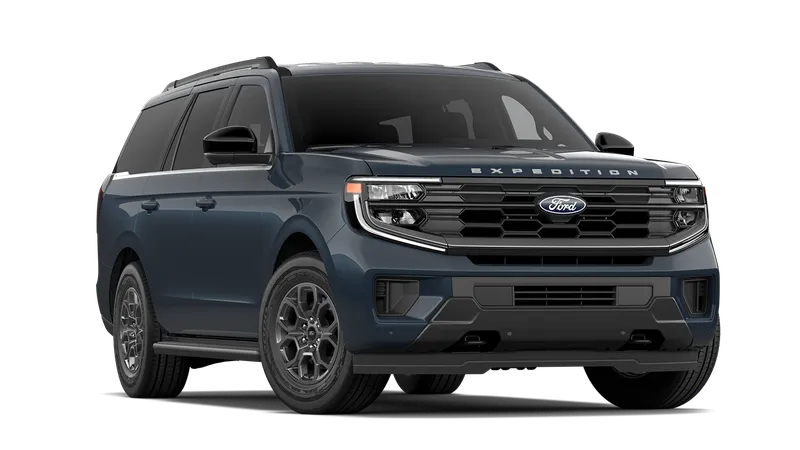
Ford Expedition
Score: 71/100

Ford Explorer
Score: 70/100
Browse More 2023 Vehicles
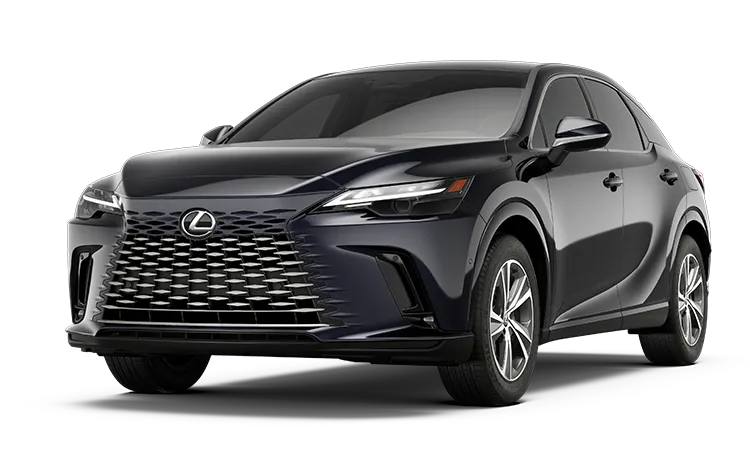
2023 Lexus RX
Score: 85/100
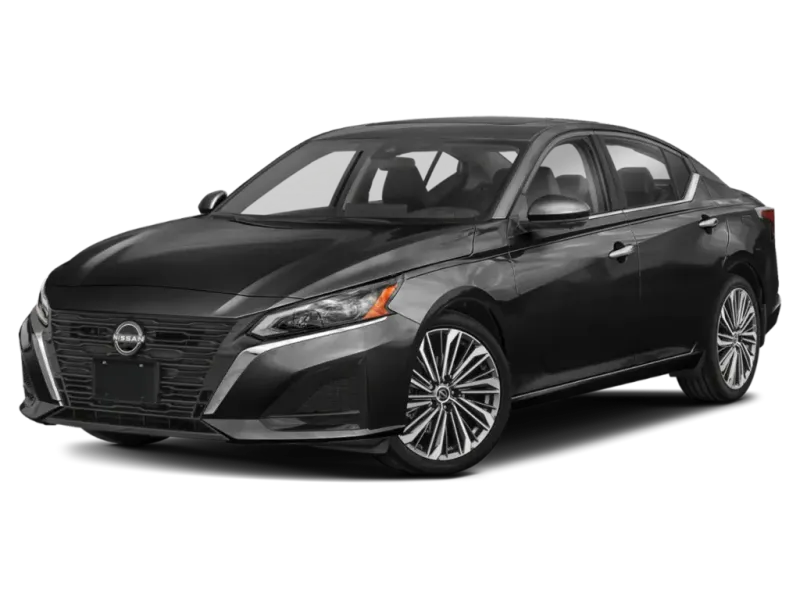
2023 Nissan Altima
Score: 84/100
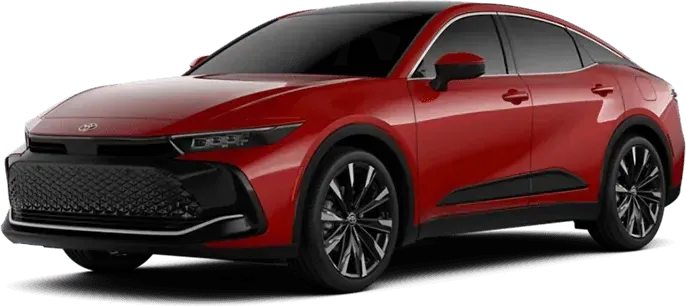
2023 Toyota Crown
Score: 84/100
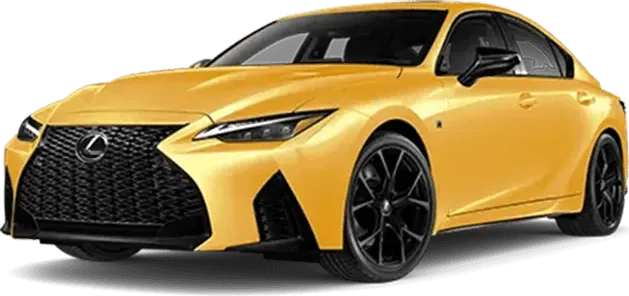
2023 Lexus IS
Score: 83/100

2023 Toyota 4RUNNER
Score: 82/100
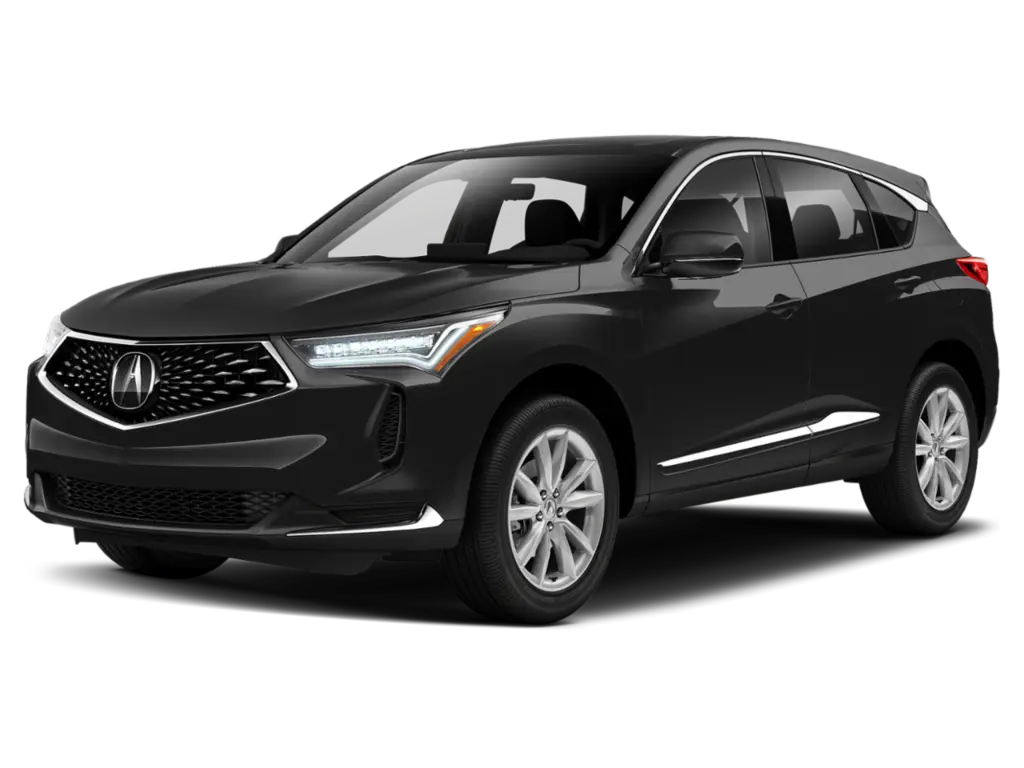
2023 Acura RDX
Score: 82/100
See incorrect data? Report an issue