Last updated: 2026-10-10
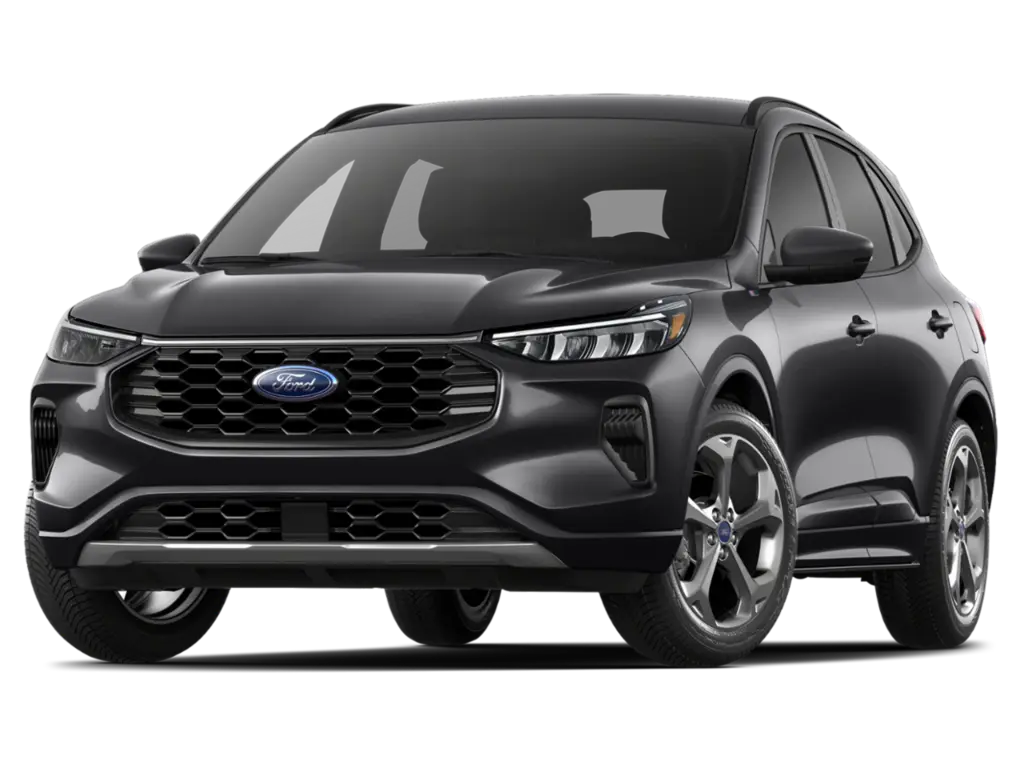
2019 Ford Escape Reliability Report
The 2019 Ford Escape has good reliability, but coolant leaking into the cylinders can destroy the engine, often between 51,000 and 94,000 miles.
Recalls
3
Complaints
506
Complaint Rate
21per 10,000 sold
Est. Repair Cost
$600
Annual Fuel Cost
$2,300–$2,600
Detailed Score Breakdown
Component-weighted complaints normalized by sales volume
Independent repair cost ratings
Recall count weighted by severity
Breadth of reported problem categories
The Verdict
Final year of the third generation, with far fewer complaints and recalls than 2018 or 2020, though coolant leaking into the cylinders still dominates owner reports.
Top Issues to Watch
- ENGINE (190)
- POWER TRAIN (102)
- ENGINE AND ENGINE COOLING (78)
Generation & Refresh (US)
2019 is the last model year of the Third generation (2013).
- Final-year models are typically the most refined version of a generation.
- 2 years after the last refresh (2017).
- 3rd generation Escape (US).
What this means for buyers
Final-year models are usually the most polished version of a generation, but resale value may dip as buyers anticipate the next redesign.
2013: Third generation (2013) Launch
Generation start — new platform.
2017: Mid-Cycle Refresh
Updated features and styling tweaks.
2019: This Model Year
2019 is the last model year of the Third generation (2013).
Should You Buy the 2019 Ford Escape?
Reliability is good for this year. It sits close to average among 2019 SUVs and in the middle of the eight scored Escape years. Both neighbors rate worse. The 2018 is also good but rates lower, and the 2020 slips to mixed with 25 recalls. Owners filed 506 complaints, about 21 per 10,000 sold. Federal crash testing gave 5 of 5 stars. Independent repair-cost data puts yearly repairs at $600, above the $521 class figure.
The engine is the main worry. Owners describe coolant leaking into the cylinders, starting with a check engine light and a misfire, often in cylinder 3. White smoke at cold start, rough idle and low coolant follow. New spark plugs and coils rarely help. Most failures land between about 51,000 and 94,000 miles, and shops quote $5,000 to almost $15,000 for a new engine or short block. Some owners also report cars rolling after being put in Park or going into Reverse when Drive is selected. Federal records list 3 recalls, covering equipment, power train and tires.
Ask for service records showing coolant top-ups and any engine work. Confirm all three recalls were completed, and test that the car stays put in Park.
Compared to the 2020 Ford Escape, which scored 17 points lower. See also the 2018 Ford Escape for an earlier comparison.
Pros
- +Acceptable reliability score
- +Infrequent unscheduled repairs
- +Low major repair risk (11%)
- +Below-average complaint rate for SUV
Cons
- −Above-average repair costs for its class
- −Moderate recall count
- −ENGINE: Coolant leaks into the cylinders and eventually destroys the engine, and that... (190 complaints)
Compare 2019 Ford Escape With
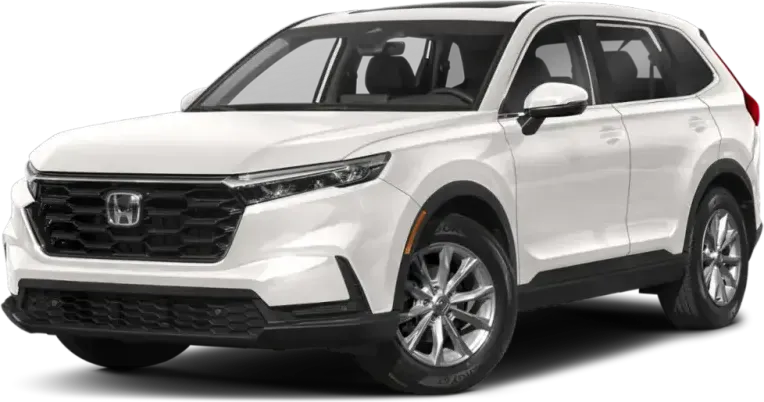
2019 Honda CR-V
Reliability: 69/100
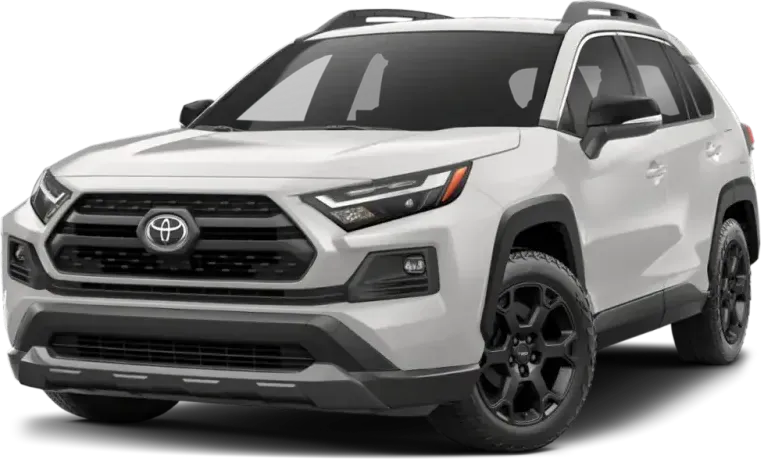
2019 Toyota RAV4
Reliability: 66/100
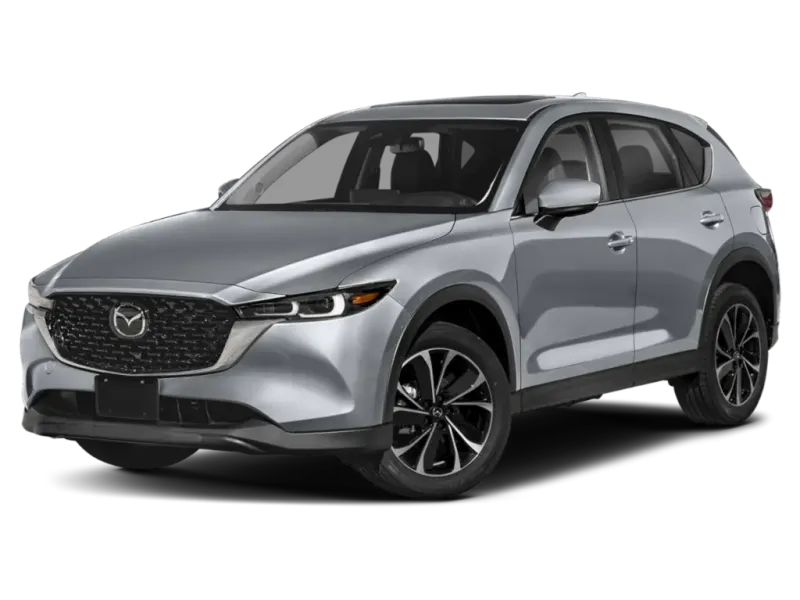
2019 Mazda CX-5
Reliability: 75/100
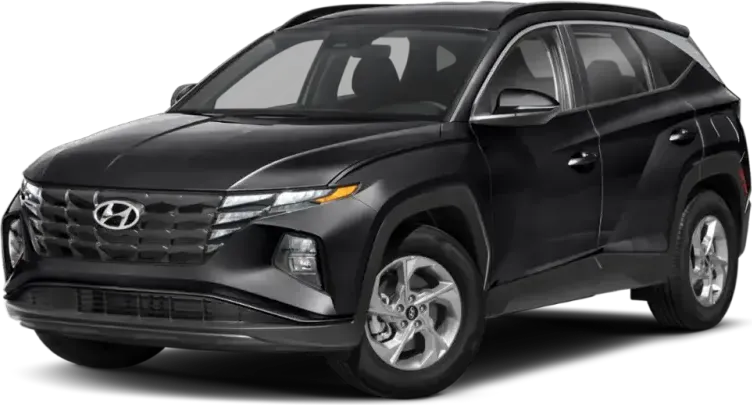
2019 Hyundai Tucson
Reliability: 68/100
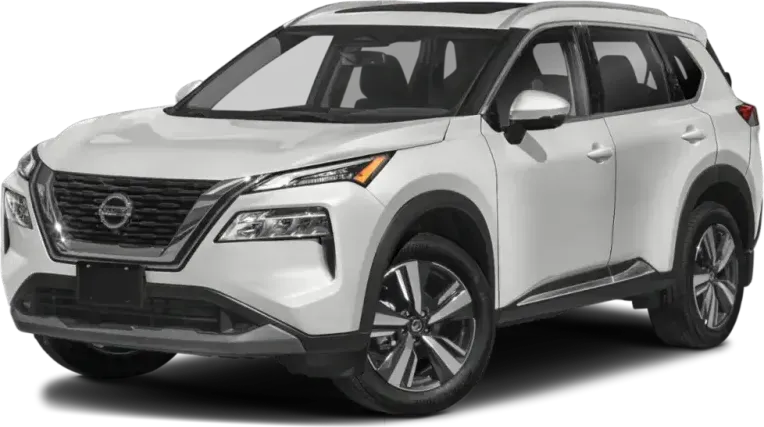
2019 Nissan Rogue
Reliability: 73/100
Common Problem Categories
Safety
LOW RISK- 3 manufacturer recalls issued
Other
HIGH RISK- ENGINE (190)
- POWER TRAIN (102)
Recall Overview
3
recalls on record
A moderate 3 recalls are on file for the 2019 Ford Escape. Each one points to a specific safety or compliance issue identified by the manufacturer or NHTSA — check the list below before buying.
NHTSA.gov →Complaint Breakdown
21
per 10,000 soldSegment avg: 21.2
Safety Incidents
22
Crashes
3
Fires
27
Injuries
0
Deaths
NHTSA 5/5 Stars
Data sourced from NHTSA complaint filings and manufacturer recall notices. Complaint narratives are owner-reported.
2019 Ford Escape Recall Details
3 recalls have been issued for the 2019 Ford Escape. All recall repairs are performed free of charge at authorized dealerships.
EQUIPMENT
Ford Motor Company (Ford) is recalling certain 2013-2018 Focus, 2013-2019 Escape, and 2015-2016 MKC vehicles equipped with a 2.0L engine. The engine block heater may crack and develop a coolant leak, causing it to short circuit when the block heater is plugged in.
Consequence
An electrical short circuit can increase the risk of a fire.
Remedy
Owners are advised not to plug in their block heater until the vehicle is remedied. Dealers will replace the block heater, free of charge. Owners will also have a alternative option to replace engine block heater element with a threaded plug, and remove the block heater electrical cord. Interim letters, notifying owners of the safety risk, were mailed March 6, 2026. Additional letters will be sent once the final remedy is available. Owners may contact Ford customer service at 1-866-436-7332. Ford's number for this recall is 26S01. Vehicle Identification Numbers (VINs) involved in this recall became searchable on NHTSA.gov on January 16, 2026.
POWER TRAIN
Ford Motor Company (Ford) is recalling certain 2013-2019 Escape, 2013-2018 C-Max, 2013-2016 Fusion, 2013-2021 Transit Connect, and 2015-2018 Edge vehicles. The bushing that attaches the shifter cable to the transmission may degrade or detach.
Consequence
A damaged or missing bushing may prevent the vehicle from shifting into the intended gear, and cause the vehicle to move in an unexpected direction. Additionally, the vehicle may roll after the driver selects the 'Park' position. Either scenario increases the risk of a crash or injury.
Remedy
Dealers will replace the under hood shift bushing and add a protective cap over the shift cable bushing, free of charge. Interim owner notification letters, informing owners of the safety risk, were mailed July 1, 2022. Remedy parts are expected to be available in 4th Quarter 2022. Owner notification letters were mailed October 27, 2022. Owners may contact Ford customer service at 1-866-436-7332. Ford's number for this recall is 22S43.
TIRES
Ford Motor Company (Ford) is recalling certain 2018 F-150, 2018-2020 F-250, F-350, and 2019 Escape vehicles equipped with Continental tires. On the affected vehicles, it is possible that one or more tires were cured for too long during tire production.
Consequence
Over cured tires may develop a break in the sidewall, resulting in sudden air loss or belt edge separation which could lead to tread/belt loss. Either condition can cause a loss of vehicle control, increasing the risk of a crash.
Remedy
Ford will notify owners, and dealers will inspect the tires, and replace them as necessary, free of charge. The recall began on March 27, 2021. Owners may contact Ford customer service at 1-866-436-7332. Ford's number for this recall is 21S10.
Buying a used 2019 Ford Escape? Check its history first
Engine problems lead owner complaints about the 2019 Ford Escape, and 3 recalls were issued for it. A VIN check shows whether this car's recall work was done, plus accident, title, and odometer history.
- Accidents
- Open Recalls
- Title History
- Odometer Rollback
2019 Ford Escape NHTSA Safety Ratings
Overall Safety Rating
Crash Test Results by Configuration (expand)
Gas Powertrain
Rollover risk: 19.1%
Safety Technologies
Ford EscapeRepair Costs & Maintenance
Maintenance Rating
4Maintenance rating: 4 out of 5Based on NHTSA complaint patterns, recall severity, and publicly available cost benchmarks.
Est. Annual Maintenance
$600
vs $521 avg for compact SUVs
vs $652 avg for all vehicles
Repair Frequency
0.3
unscheduled repair visits per year
Severe Repair Probability
11%
chance of a major repair
Annual Cost Comparison
Category-level averages derived from publicly available industry reports (AAA, CarMD). Model-level estimates produced by Auto Reliability Index.
Ford Escape Resale Value
The Ford Escape is estimated to retain about 59.5% of its original value after 5 years, based on observed used-car listings.
This benchmark covers the Ford Escape model overall and is not specific to the 2019 model year.
- Value Retained
- 59.5%
- Depreciation
- 40.5%
- Listings Analyzed
- 720
after 5 years
over the same period
U.S. used-car listings
Listings observed in . Actual resale value varies by trim, mileage, condition, and location.
Explore Ford Escape depreciation and resale value on CarResaleValue.comMPG & Annual Running Costs
Gas
23–26 MPG
Running cost: $2,900–$3,200/yr
Fuel + repair
21–23 city / 27–30 hwy MPG
Running cost includes EPA fuel-cost estimate and independent repair-cost data (repair cost estimated at model level). Excludes routine maintenance, depreciation, and insurance. Data as of 2019 EPA label cycle.
Gas trims
| Trim | Drive | Trans. | City | Hwy | Comb | Fuel Cost |
|---|---|---|---|---|---|---|
| Escape FWD 1.5L 4-cyl | Front-Wheel Drive | Automatic (S6) | 23 | 30 | 26 | $2,300 |
| Escape FWD 2.0L 4-cyl | Front-Wheel Drive | Automatic (S6) | 22 | 29 | 25 | $2,400 |
| Escape AWD 1.5L 4-cyl | All-Wheel Drive | Automatic (S6) | 22 | 28 | 24 | $2,500 |
| Escape FWD 2.5L 4-cyl | Front-Wheel Drive | Automatic (S6) | 21 | 29 | 24 | $2,500 |
| Escape FWD FFV 2.5L 4-cyl | Front-Wheel Drive | Automatic (S6) | 21 | 29 | 24 | $2,500 |
| Escape AWD 2.0L 4-cyl | All-Wheel Drive | Automatic (S6) | 21 | 27 | 23 | $2,600 |
Used Buying Checklist
Key things to inspect or verify before purchasing a 2019 Ford Escape.
Start the engine cold and watch for white exhaust smoke, rough idle, or shaking in the first few minutes.
Scan for stored misfire codes, especially cylinder 3, and check whether the coolant reservoir is low.
Ask for records of any engine, short block, or coolant leak repair and how often coolant was topped up.
Shift between Park, Reverse, and Drive several times and confirm the car engages the selected gear without lurching.
Run the VIN through federal recall records and get dealer proof that any open recalls are completed.
Turn the wheel fully both ways while stopped and watch for stiff steering or a power steering warning.
Have a shop measure rear brake pads and rotors and compare wear between left and right sides.
Operate the power liftgate several times and open each rear door fully to check for snagging door panels.
2019 Ford Escape Common Problems by Component
506 owner complaints grouped by vehicle system.
ENGINE
190 complaintsSafety-relatedEscape engine problems across all model years
Coolant leaks into the cylinders and eventually destroys the engine, and that is the theme of these 190 reports. It usually starts with a check engine light and a misfire, often in cylinder 3. White smoke at cold start, rough idle, shaking, low coolant, or an overheating warning follow. New spark plugs and coils rarely fix it. Shops usually call for a new engine or short block, with quotes from $5,000 to almost $15,000. Most failures fall between about 51,000 and 94,000 miles. Some engines shut down on the highway.
POWER TRAIN
102 complaintsSafety-relatedEscape transmission problems across all model years
The car moves when it should not. It rolls away after being put in Park, goes into Reverse when Drive is selected, or surges into walls and garages. In several cases a rolling car ran over its own driver, and this category includes 6 crashes and 4 injuries. Some owners say the problem continued after a dealer repair. The transmission can also fail outright. It slips, whines, shifts late, or will not accelerate at intersections. Metal shavings turned up in the fluid at 86,000 and 112,000 miles.
ENGINE AND ENGINE COOLING
78 complaintsEscape engine problems across all model years
Almost every report here describes coolant getting into the cylinders and the engine needing replacement. Warning signs include a check engine light, misfires, rough idle at startup, white exhaust smoke, low coolant, and "Engine Overheating" or "Engine Fault - Coolant" messages. Some cars get new spark plugs or ignition coils first, and the light comes back within days. Failures are reported anywhere from 27,000 to 133,000 miles. At least one replacement engine failed the same way. One separate report describes a failed turbo with a rattle on cold starts at 101,000 miles.
ELECTRICAL SYSTEM (25 complaints)
ELECTRICAL SYSTEM
25 complaintsSafety-relatedThe most serious problem is a sudden loss of all power. Cars go completely dead or stall in traffic. Causes found include a loose battery terminal, a wiring harness clipped by the serpentine belt, and a harness short after an alternator replacement. Some engines shut off when pulling away from a stop. Smaller faults include headlights failing because of the body control module, a black backup camera, wrong gauge readings, a liftgate that will not open or close, and an alternator replaced at 11,376 miles. One crash followed hill assist braking on its own.
UNKNOWN OR OTHER (24 complaints)
UNKNOWN OR OTHER
24 complaintsSafety-relatedThis mixed category repeats two themes found elsewhere. In several reports a parked car left in Park engages or rolls and runs over or pins its owner, causing serious injuries such as a broken hip and pelvis. Many others describe coolant leaking into the engine, with replacement costs of $7,000 to $8,500. Smaller complaints include backup cameras that flicker or quit, broken door panel clips that leave a door unopenable, and missing spot welds in a new car's frame. One brief report describes a fire while driving.
STEERING (16 complaints)
STEERING
16 complaintsPower steering assist cuts out and the wheel becomes very hard to turn. A "power steering assist failure" warning often appears at startup or while driving. Some cars recover after a restart, then fail again. Dealers usually blame the electric steering rack and quote about $2,000 to $3,000 for it. Failures appear as early as 27,000 and 35,000 miles and as late as 83,000. A few owners say coolant intrusion damaged the steering gear or module along with the engine. One report also describes heavy wheel vibration at 35 to 45 mph.
STRUCTURE (8 complaints)
STRUCTURE
8 complaintsSafety-relatedEscape body and structure problems across all model years
Most of these complaints are about the rear doors and liftgate. Interior panel clips fail, so a rear door panel catches on the frame and the door opens only a few inches. One case appeared at 50,000 miles. The power liftgate closes but does not latch, and one dealer fix lasted less than a week. A failed roof rack seal let water into the cabin at about 70,000 miles. Two reports stand alone: a fire that started under the hood while parked overnight, and a parked car that rolled into a pole.
AIR BAGS (7 complaints)
AIR BAGS
7 complaintsSafety-relatedAll 7 reports involve crashes, with 11 injuries. They describe two opposite failures. In several front and side impacts, the airbags do not deploy, and occupants suffer head, face, chest, neck, and back injuries. In other crashes the airbags deploy but tear, burn holes, or set a sleeve on fire, leaving burns on the arm and side. One report says a curtain airbag came loose right after impact. Another describes a seat back bending in a rear-end collision.
FUEL SYSTEM (6 complaints)
FUEL SYSTEM
6 complaintsSafety-relatedThe evaporative emissions system causes stalls and fuel smells. Cars fail to accelerate or stall at highway speed, and one stalled at 75 mph. Some also show a restart message, and in one case the steering wheel locked afterward. Another owner reports a strong fuel smell in the cabin. Mechanics point to a failed purge valve or evap valve. One car needed a high-pressure fuel pump twice and then fuel injectors. In one report, smoke and fire near the rear driver's side damaged a home, and the cause was not determined.
SERVICE BRAKES (6 complaints)
SERVICE BRAKES
6 complaintsSafety-relatedRear brakes wear out early. Owners report worn rear pads and rotors at 10,800, about 11,000, 14,500, and 20,863 miles. Symptoms include grinding, metal-on-metal contact, a dragging feel, and uneven wear from one side to the other. Dealers called it normal wear and refused warranty coverage. In a separate report, the car surged forward when the brake was applied while parking and hit a building, injuring the driver.
When Do 2019 Ford Escape Problems Start?
Based on owner complaint patterns, here's when common issues tend to appear.
Best & Worst Ford Escape Years
Best Ford Escape Years to Buy
Based on reliability index score2024
2023
2019
(Current Model)
Ford Escape Years to Avoid
Ford Escape Reliability Score Trend
Scores 0–100. Higher is better. Current year highlighted.
| Year | Score | Rating |
|---|---|---|
| 2018 | 60/100 | Good |
| 2019 | 69/100 | Good |
| 2020 | 52/100 | Mixed |
| 2022 | 62/100 | Good |
| 2023 | 72/100 | Good |
| 2024 | 75/100 | Good |
| 2025 | 74/100 | Good |
| 2026 | 77/100 | Good |
Ford Escape Reliability Compared to Other Years
Frequently Asked Questions
Is the 2019 Ford Escape reliable?
What are the most common problems with the 2019 Ford Escape?
Does the 2019 Ford Escape have engine problems?
Does the 2019 Ford Escape have recalls?
How much does the 2019 Ford Escape cost to repair?
Don’t buy a 2019 Ford Escape without checking its VIN first — hidden accidents, title issues, and open recalls could cost you thousands.
How we score the 2019 Ford Escape
Of the four inputs behind this score, the 2019 Ford Escape does best on repair costs (80/100) and worst on complaint severity (50/100). Scores weight complaint severity at 35%, repair costs at 30%, recall impact at 20%, and the spread of complaints across systems at 15%, with complaint counts adjusted for US sales. Read the full methodology.
Get notified when new recalls or reliability data is added for the Ford Escape.
No spam. Only data updates for this model.
Browse More Ford Models
Ford Bronco
Score: 59/100
Ford Bronco Sport
Score: 77/100
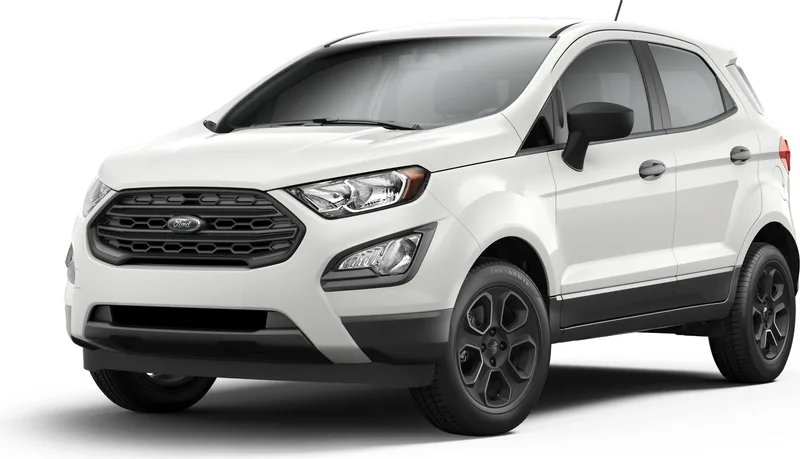
Ford EcoSport
Score: 74/100
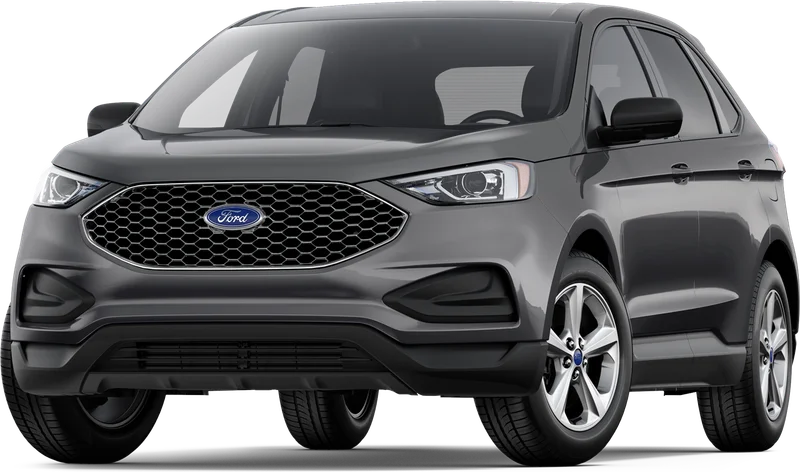
Ford Edge
Score: 76/100
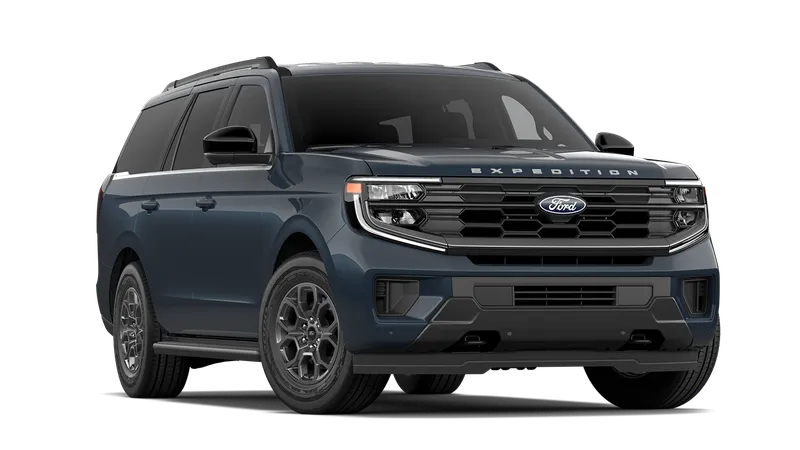
Ford Expedition
Score: 71/100
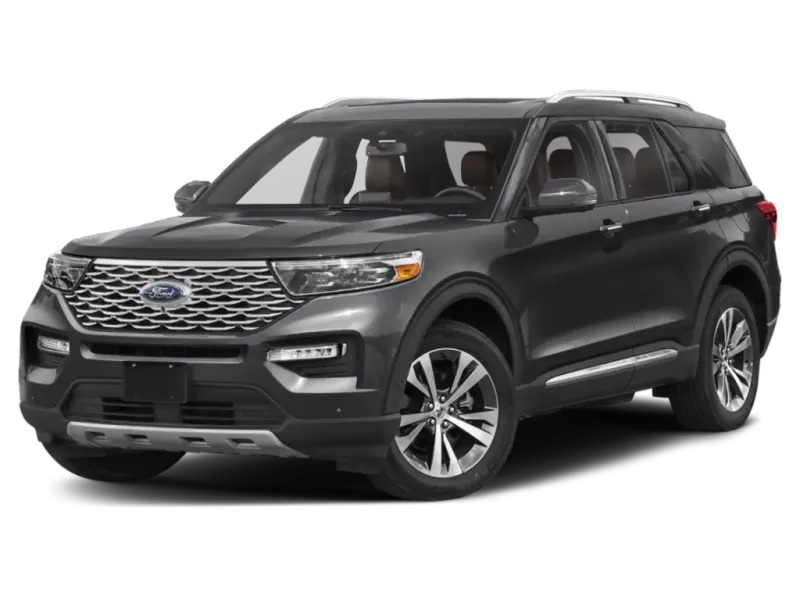
Ford Explorer
Score: 70/100
Browse More 2019 Vehicles
2019 Lexus RX
Score: 82/100
2019 Kia Sedona
Score: 80/100
2019 Nissan Frontier
Score: 80/100
2019 Lexus IS
Score: 79/100
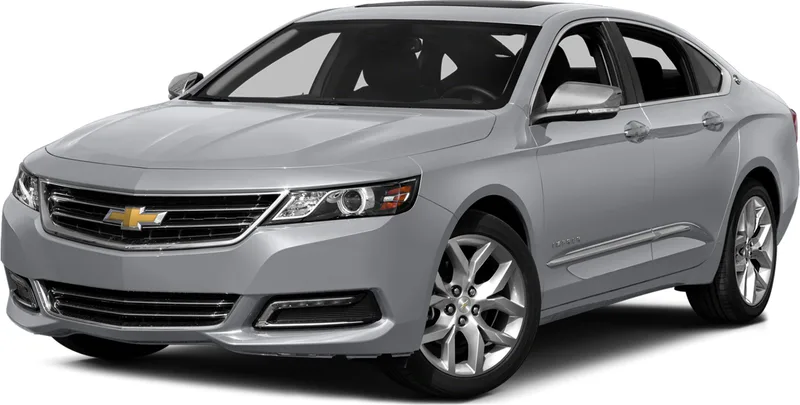
2019 Chevrolet Impala
Score: 79/100
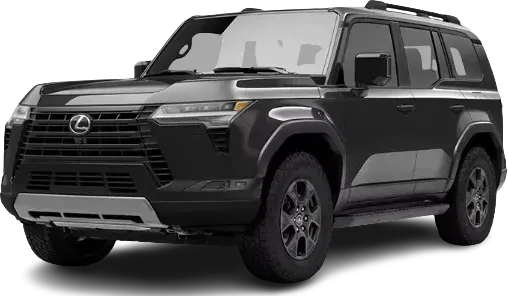
2019 Lexus GX
Score: 78/100
See incorrect data? Report an issue