Last updated: 2026-10-10
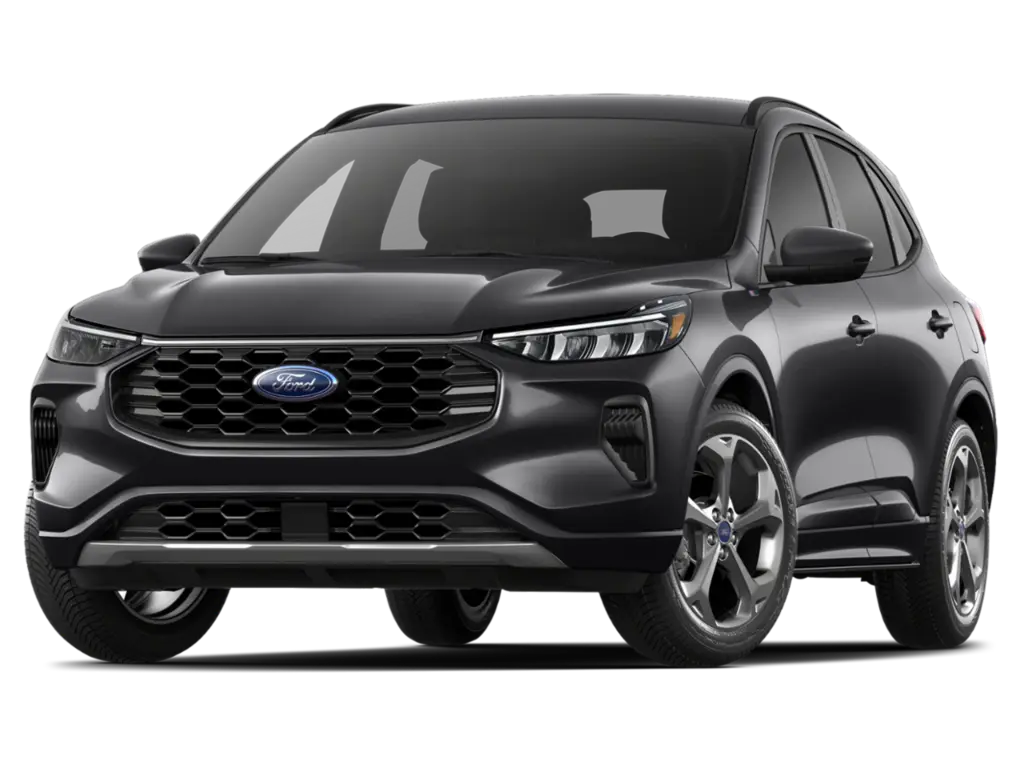
2018 Ford Escape Reliability Report
The 2018 Ford Escape rates good for reliability, but it trails other 2018 SUVs because of coolant leaking into the engine cylinders.
Recalls
4
Complaints
1597
Complaint Rate
58.7per 10,000 sold
Est. Repair Cost
$600
Annual Fuel Cost
$2,300–$2,600
Detailed Score Breakdown
Component-weighted complaints normalized by sales volume
Independent repair cost ratings
Recall count weighted by severity
Breadth of reported problem categories
The Verdict
Among the weaker Escape years, with many reports of coolant leaking into the cylinders and cars rolling after being put in park, while the 2019 rates better.
Top Issues to Watch
- ENGINE (789)
- ENGINE AND ENGINE COOLING (307)
- POWER TRAIN (233)
Generation & Refresh (US)
2018 is 1 year after the 2017 facelift refresh.
- Year 6 in the Third generation (2013) (2013–2019).
- Well-established in its generation — most early issues should be resolved.
- 3rd generation Escape (US).
What this means for buyers
Post-refresh years tend to be among the most refined — updates have been applied and early kinks worked out.
2013: Third generation (2013) Launch
Generation start — new platform.
2017: Mid-Cycle Refresh
Updated features and styling tweaks.
2018: This Model Year
2018 is 1 year after the 2017 facelift refresh.
Should You Buy the 2018 Ford Escape?
This is a good-rated Escape that sits among the weaker of the model's eight scored years. It falls below average against other 2018 SUVs, and the 2019 rates better, with far fewer complaints and one fewer recall. Crash-test results are strong at 5 of 5 stars. Model-wide repair costs run $600 a year against $521 for the class.
Engine trouble drives the complaints. Coolant leaks into the cylinders, usually starting with a check engine light and misfires on cylinder 2 or 3. Failures run from 22,000 to 150,000 miles, and some engines die at highway speed. Three reports involve fire. Owners past Ford's extended coverage report paying $7,300 to $9,100 for a new engine. Separately, owners say the car moved on its own after being put in park, and some with a recall notice waited on parts.
Ask for engine repair records and proof that every recall was completed. Check that the SYNC screen works, since that module fails around 55,000 to 65,000 miles. Compare the 2019 as well.
Compared to the 2019 Ford Escape, which scored 9 points higher.
Pros
- +Acceptable reliability score
- +Infrequent unscheduled repairs
- +Low major repair risk (11%)
Cons
- −Above-average repair costs for its class
- −Moderate recall count
- −Above-average complaint rate for SUV
Compare 2018 Ford Escape With
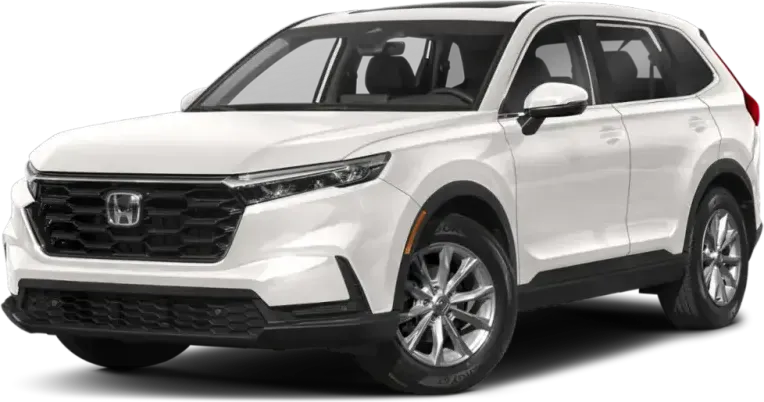
2018 Honda CR-V
Reliability: 65/100
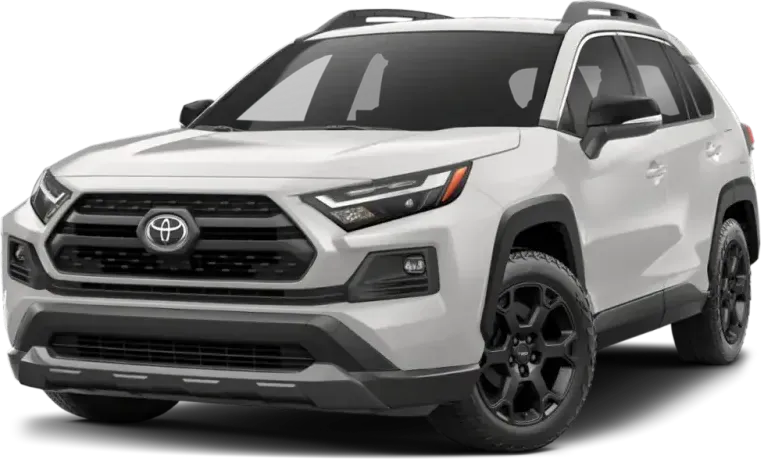
2018 Toyota RAV4
Reliability: 76/100
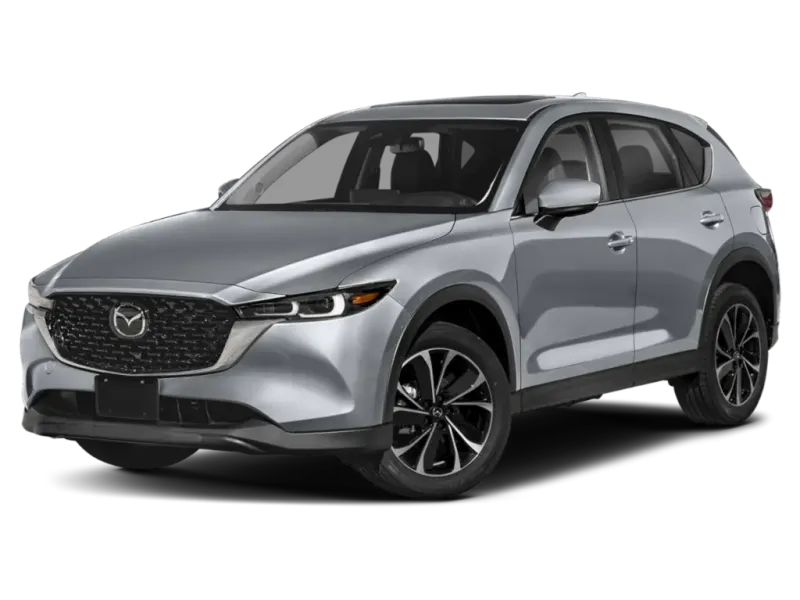
2018 Mazda CX-5
Reliability: 71/100
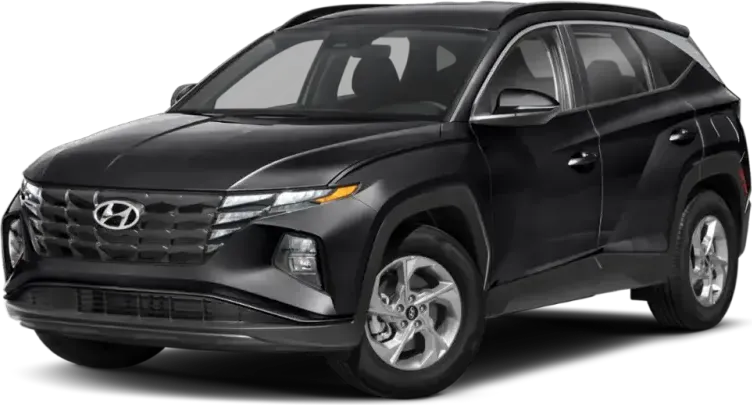
2018 Hyundai Tucson
Reliability: 68/100
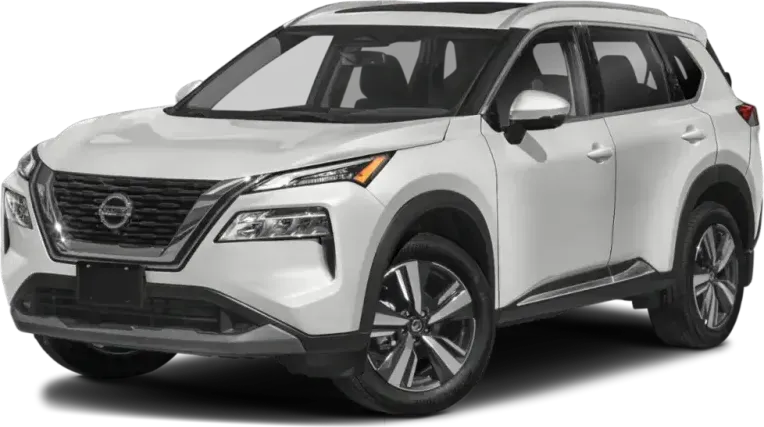
2018 Nissan Rogue
Reliability: 70/100
Common Problem Categories
Safety
LOW RISK- 4 manufacturer recalls issued
Other
HIGH RISK- ENGINE (789)
- ENGINE AND ENGINE COOLING (307)
Recall Overview
4
recalls on record
A moderate 4 recalls are on file for the 2018 Ford Escape. Each one points to a specific safety or compliance issue identified by the manufacturer or NHTSA — check the list below before buying.
NHTSA.gov →Complaint Breakdown
58.7
per 10,000 soldSegment avg: 27.1
Safety Incidents
25
Crashes
5
Fires
28
Injuries
0
Deaths
NHTSA 5/5 Stars
Data sourced from NHTSA complaint filings and manufacturer recall notices. Complaint narratives are owner-reported.
2018 Ford Escape Recall Details
4 recalls have been issued for the 2018 Ford Escape. All recall repairs are performed free of charge at authorized dealerships.
EQUIPMENT
Ford Motor Company (Ford) is recalling certain 2013-2018 Focus, 2013-2019 Escape, and 2015-2016 MKC vehicles equipped with a 2.0L engine. The engine block heater may crack and develop a coolant leak, causing it to short circuit when the block heater is plugged in.
Consequence
An electrical short circuit can increase the risk of a fire.
Remedy
Owners are advised not to plug in their block heater until the vehicle is remedied. Dealers will replace the block heater, free of charge. Owners will also have a alternative option to replace engine block heater element with a threaded plug, and remove the block heater electrical cord. Interim letters, notifying owners of the safety risk, were mailed March 6, 2026. Additional letters will be sent once the final remedy is available. Owners may contact Ford customer service at 1-866-436-7332. Ford's number for this recall is 26S01. Vehicle Identification Numbers (VINs) involved in this recall became searchable on NHTSA.gov on January 16, 2026.
POWER TRAIN
Ford Motor Company (Ford) is recalling certain 2013-2019 Escape, 2013-2018 C-Max, 2013-2016 Fusion, 2013-2021 Transit Connect, and 2015-2018 Edge vehicles. The bushing that attaches the shifter cable to the transmission may degrade or detach.
Consequence
A damaged or missing bushing may prevent the vehicle from shifting into the intended gear, and cause the vehicle to move in an unexpected direction. Additionally, the vehicle may roll after the driver selects the 'Park' position. Either scenario increases the risk of a crash or injury.
Remedy
Dealers will replace the under hood shift bushing and add a protective cap over the shift cable bushing, free of charge. Interim owner notification letters, informing owners of the safety risk, were mailed July 1, 2022. Remedy parts are expected to be available in 4th Quarter 2022. Owner notification letters were mailed October 27, 2022. Owners may contact Ford customer service at 1-866-436-7332. Ford's number for this recall is 22S43.
SERVICE BRAKES, HYDRAULIC
Ford Motor Company (Ford) is recalling certain 2018 Ford Escape and Lincoln MKC vehicles. These vehicles may be equipped with incorrect front brake hoses that may chafe against other components, possibly resulting in a brake fluid leak.
Consequence
A brake fluid leak may lengthen the distance needed to stop the vehicle, increasing the risk of a crash.
Remedy
Ford will notify owners, and dealers will inspect the brake hoses, replacing any that are incorrect, free of charge. The recall is expected to begin March 2018. Owners may contact Ford customer service at 1-866-436-7332. Ford's number for this recall is 18S04.
Buying a used 2018 Ford Escape? Check its history first
Engine problems lead owner complaints about the 2018 Ford Escape, and 4 recalls were issued for it. A VIN check shows whether this car's recall work was done, plus accident, title, and odometer history.
- Accidents
- Open Recalls
- Title History
- Odometer Rollback
2018 Ford Escape NHTSA Safety Ratings
Overall Safety Rating
Crash Test Results by Configuration (expand)
Gas Powertrain
Rollover risk: 19.1%
Safety Technologies
Ford EscapeRepair Costs & Maintenance
Maintenance Rating
4Maintenance rating: 4 out of 5Based on NHTSA complaint patterns, recall severity, and publicly available cost benchmarks.
Est. Annual Maintenance
$600
vs $521 avg for compact SUVs
vs $652 avg for all vehicles
Repair Frequency
0.3
unscheduled repair visits per year
Severe Repair Probability
11%
chance of a major repair
Annual Cost Comparison
Category-level averages derived from publicly available industry reports (AAA, CarMD). Model-level estimates produced by Auto Reliability Index.
Ford Escape Resale Value
The Ford Escape is estimated to retain about 59.5% of its original value after 5 years, based on observed used-car listings.
This benchmark covers the Ford Escape model overall and is not specific to the 2018 model year.
- Value Retained
- 59.5%
- Depreciation
- 40.5%
- Listings Analyzed
- 720
after 5 years
over the same period
U.S. used-car listings
Listings observed in . Actual resale value varies by trim, mileage, condition, and location.
Explore Ford Escape depreciation and resale value on CarResaleValue.comMPG & Annual Running Costs
Gas
23–26 MPG
Running cost: $2,900–$3,200/yr
Fuel + repair
20–23 city / 27–30 hwy MPG
Running cost includes EPA fuel-cost estimate and independent repair-cost data (repair cost estimated at model level). Excludes routine maintenance, depreciation, and insurance. Data as of 2018 EPA label cycle.
Gas trims
| Trim | Drive | Trans. | City | Hwy | Comb | Fuel Cost |
|---|---|---|---|---|---|---|
| Escape FWD 1.5L 4-cyl | Front-Wheel Drive | Automatic (S6) | 23 | 30 | 26 | $2,300 |
| Escape AWD 1.5L 4-cyl | All-Wheel Drive | Automatic (S6) | 22 | 28 | 24 | $2,500 |
| Escape FWD 2.0L 4-cyl | Front-Wheel Drive | Automatic (S6) | 21 | 28 | 24 | $2,500 |
| Escape FWD 2.5L 4-cyl | Front-Wheel Drive | Automatic (S6) | 21 | 29 | 24 | $2,500 |
| Escape FWD FFV 2.5L 4-cyl | Front-Wheel Drive | Automatic (S6) | 21 | 29 | 24 | $2,500 |
| Escape AWD 2.0L 4-cyl | All-Wheel Drive | Automatic (S6) | 20 | 27 | 23 | $2,600 |
Used Buying Checklist
Key things to inspect or verify before purchasing a 2018 Ford Escape.
Ask for records of any coolant intrusion repair or engine replacement, and check whether coolant drops with no visible leak.
Start the engine cold and watch for white exhaust smoke, shaking, or a flashing check engine light.
Stop on a slight incline, shift into park with your foot off the brake, and confirm the car stays still.
Run a VIN check for open recalls and get proof that any completed recall work was done.
Turn the wheel lock to lock right after startup and watch for a steering assist fault message.
Test the touch screen, radio, Bluetooth, USB ports, and rear camera before you buy.
Check the lug nuts for swelling and confirm the included lug wrench fits them.
Look in the spare tire well and around the headliner for water stains or standing water.
2018 Ford Escape Common Problems by Component
1597 owner complaints grouped by vehicle system.
ENGINE
789 complaintsSafety-relatedEscape engine problems across all model years
Coolant leaks into the cylinders, causing misfires, rough running, white exhaust smoke, overheating, and finally an engine that needs a replacement long block. A check engine light and misfire codes for cylinder 2 or 3 often come first, and shops sometimes replace spark plugs before they find the leak. Reported failures range from 22,000 to 121,000 miles. Some engines lose power or die at highway speed, and three reports involve fire, including flames under the hood. Owners past Ford's extended coverage report paying $7300 to $9100 for a new engine.
ENGINE AND ENGINE COOLING
307 complaintsEscape engine problems across all model years
Coolant getting into the cylinders makes up most of these reports, often diagnosed as a blown head gasket. Symptoms include a check engine light, cylinder misfires, shaking at startup, a temperature gauge climbing to hot, limp mode, and stalling. Dealers usually call for a new short block or long block. Failures show up from about 24,500 to 150,000 miles, with many near 100,000. Several owners say they were just past Ford's mileage limit for coverage and got no help.
POWER TRAIN
233 complaintsSafety-relatedEscape transmission problems across all model years
The car moves on its own after being shifted into park. It rolls away or backs into homes and garages, and in some cases runs over the driver. Other reports describe sudden acceleration while pulling into a parking space with the brake pressed. The category has 4 crash-related reports and 6 injuries. Several owners with a recall notice say the repair was held up because parts were unavailable. Transmission failures also appear, with lagging, slipping, or loss of drive between about 58,847 and 145,000 miles.
UNKNOWN OR OTHER (71 complaints)
UNKNOWN OR OTHER
71 complaintsSafety-relatedThis mixed category repeats patterns found elsewhere. The car surges forward while stopped with the brake pressed, or rolls and reverses after being put in park, causing crashes and injuries. Several reports describe coolant getting into the engine and head gasket failure that ends in engine replacement, some after repeated spark plug changes. Smaller complaints cover a stuck cylinder 1 spark plug, poor fuel economy, stop/start faults, and a soaked cabin air filter growing mold. A few owners say their car was sold with open recall work they were never told about.
ELECTRICAL SYSTEM (40 complaints)
ELECTRICAL SYSTEM
40 complaintsSafety-relatedThe SYNC module (APIM) fails and takes out the touch screen, radio, navigation, Bluetooth, USB charging, and rear camera. Reports put this at around 55,000 to 65,000 miles. Other complaints describe the engine shutting off in traffic, dash lights and gauges going dark, a string of warning messages at once, and repeated battery replacements. Stalling after refueling is also reported, in one case fixed by replacing the purge valve. A low-beam headlight connector that melts and burns out the bulb also comes up.
STEERING (28 complaints)
STEERING
28 complaintsSafety-relatedPower steering assist cuts out without warning, often with a "Steering Assist Fault" or "Power Steering Loss" message, and the wheel becomes very heavy. It can happen at startup or while driving. Shops usually find a failed electric steering rack. One dealer repair cost $3,171.45, and some owners waited on back-ordered parts. Failures mostly fall between about 15,108 and 69,470 miles. Other reports describe the wheel pulling right on its own. The category has 3 crash-related reports, including a rollover after the steering went stiff.
WHEELS (18 complaints)
WHEELS
18 complaintsLug nuts swell and deform, so the factory lug wrench no longer fits and shops will not rotate the tires until the nuts are replaced. Most owners find out during a routine oil change or tire rotation, at about 34,250 to 95,000 miles. A flat tire can turn into a tow because the nuts will not come off. Replacing a set of 17 can cost several hundred dollars. One report describes a rear rim failing at highway speed.
SERVICE BRAKES (16 complaints)
SERVICE BRAKES
16 complaintsSafety-relatedThe brake pedal sinks to the floor and the car does not stop. This happens at low speed right after startup and also in traffic. In one case it was traced to a faulty master cylinder at about 23,000 miles. Two reports involve crashes. Rear pads and rotors also wear out early, with uneven wear and deep scoring reported at 13,967 and 32,000 miles. Higher-mileage cars show parking brake faults, including one that engaged by itself at 20 mph.
STRUCTURE (15 complaints)
STRUCTURE
15 complaintsEscape body and structure problems across all model years
Water leaks into the cabin and spare tire well through failed roof seam sealer, a rear quarter panel, or the area near the rearview mirror. White paint around the windshield and pillars bubbles, cracks, and peels. Other complaints cover doors that will not latch, a driver's door hinge that pops loudly, a dashboard lifting near the glove box, a belly shield that falls off, and a liftgate that opened while driving and then closed on a person's head. Two reports involve injuries.
AIR BAGS (8 complaints)
AIR BAGS
8 complaintsSafety-relatedIn serious crashes, the bags fail to deploy. Reports include head-on collisions, a guardrail impact, and rear-end crashes at highway speed that left cars totaled. Seven of the 8 complaints are crash-related, and together they report 7 injuries. Some drivers say they hit the steering wheel or dashboard. The one remaining complaint concerns a recall notice where the dealer did not have the parts to do the repair.
When Do 2018 Ford Escape Problems Start?
Based on owner complaint patterns, here's when common issues tend to appear.
Best & Worst Ford Escape Years
Best Ford Escape Years to Buy
Based on reliability index scoreFord Escape Years to Avoid
Ford Escape Reliability Score Trend
Scores 0–100. Higher is better. Current year highlighted.
| Year | Score | Rating |
|---|---|---|
| 2018 | 60/100 | Good |
| 2019 | 69/100 | Good |
| 2020 | 52/100 | Mixed |
| 2022 | 62/100 | Good |
| 2023 | 72/100 | Good |
| 2024 | 75/100 | Good |
| 2025 | 74/100 | Good |
| 2026 | 77/100 | Good |
Ford Escape Reliability Compared to Other Years
Frequently Asked Questions
Is the 2018 Ford Escape reliable?
What are the most common problems with the 2018 Ford Escape?
Does the 2018 Ford Escape have engine coolant problems?
Does the 2018 Ford Escape have recalls?
Is the 2019 Ford Escape better than the 2018?
Don’t buy a 2018 Ford Escape without checking its VIN first — hidden accidents, title issues, and open recalls could cost you thousands.
How we score the 2018 Ford Escape
Of the four inputs behind this score, the 2018 Ford Escape does best on repair costs (80/100) and worst on complaint severity (34/100). Scores weight complaint severity at 35%, repair costs at 30%, recall impact at 20%, and the spread of complaints across systems at 15%, with complaint counts adjusted for US sales. Read the full methodology.
Get notified when new recalls or reliability data is added for the Ford Escape.
No spam. Only data updates for this model.
Browse More Ford Models
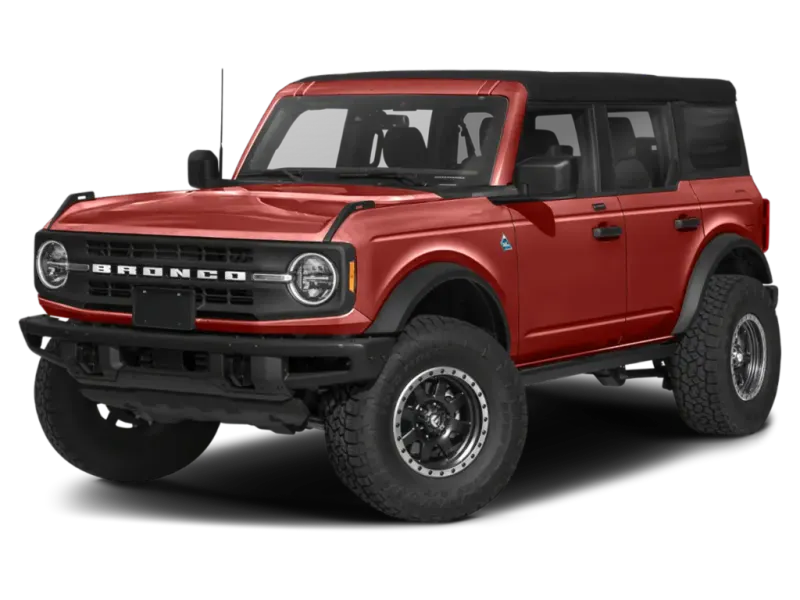
Ford Bronco
Score: 59/100
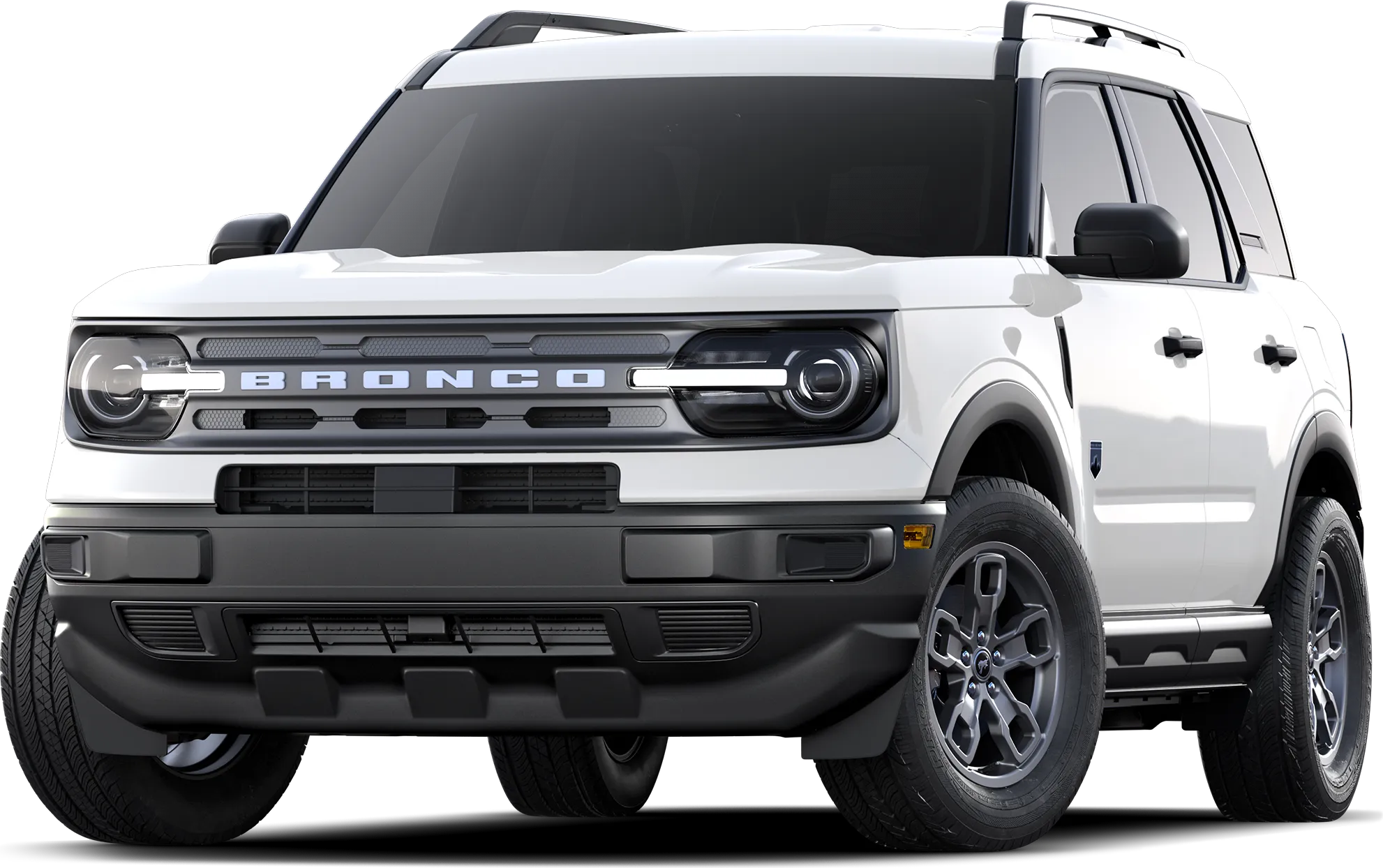
Ford Bronco Sport
Score: 77/100
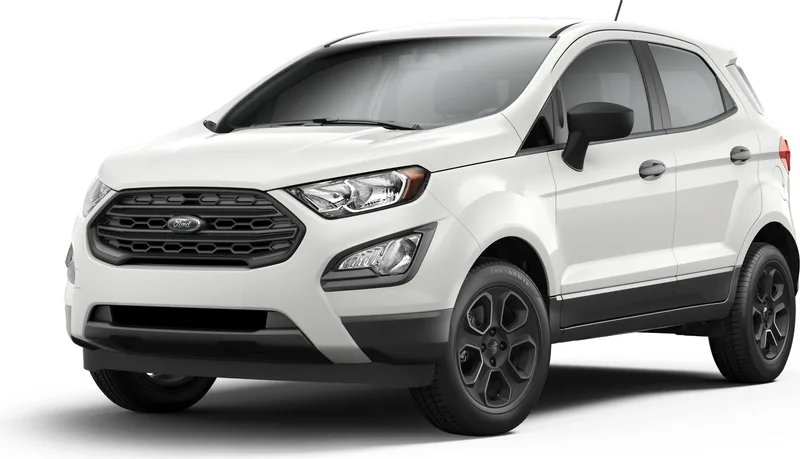
Ford EcoSport
Score: 74/100
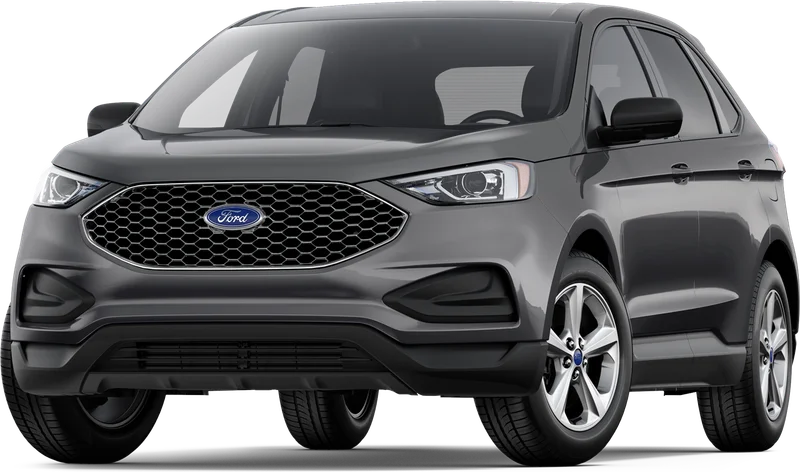
Ford Edge
Score: 76/100
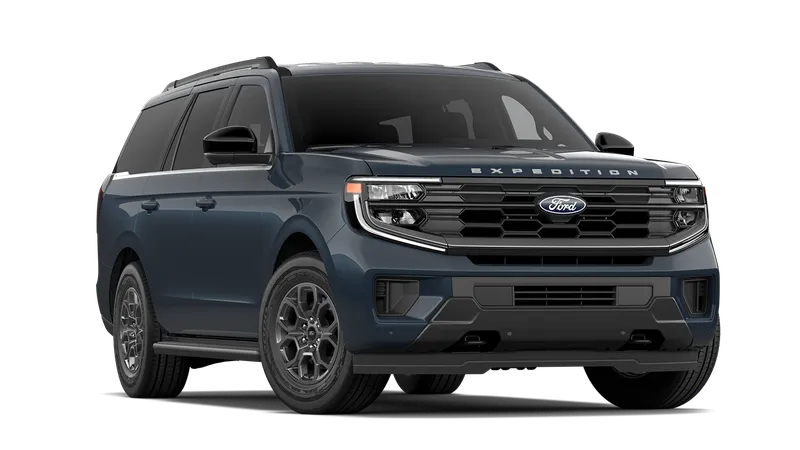
Ford Expedition
Score: 71/100
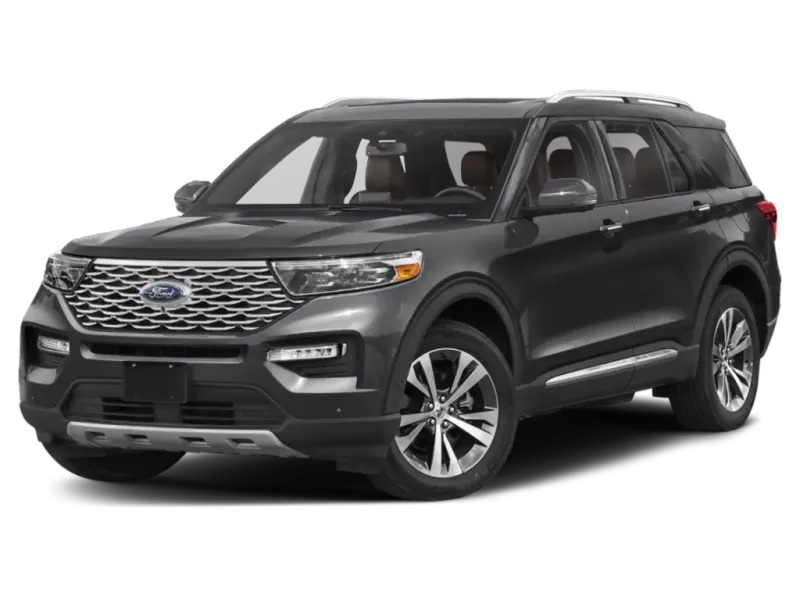
Ford Explorer
Score: 70/100
Browse More 2018 Vehicles
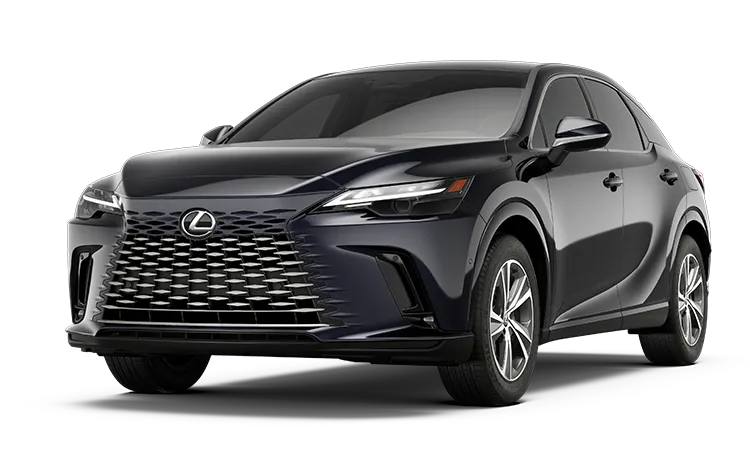
2018 Lexus RX
Score: 85/100
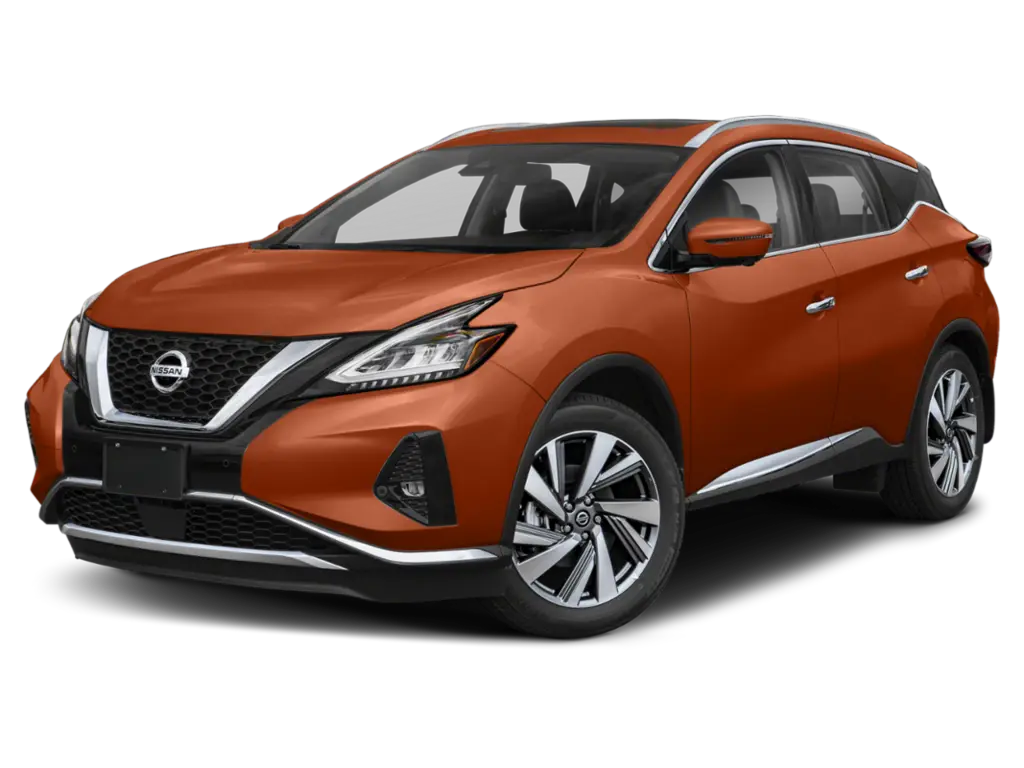
2018 Nissan Murano
Score: 82/100
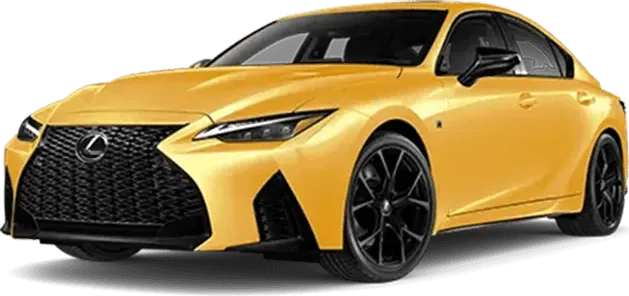
2018 Lexus IS
Score: 81/100
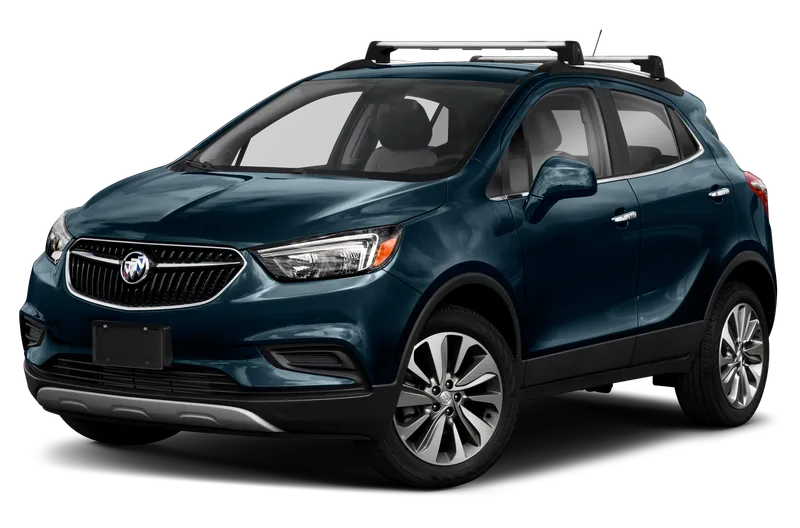
2018 Buick Encore
Score: 80/100
2018 Toyota Corolla
Score: 80/100
2018 Lexus ES
Score: 80/100
See incorrect data? Report an issue