Last updated: 2026-11-20
Buick Envision vs Lincoln Aviator: Reliability Compared
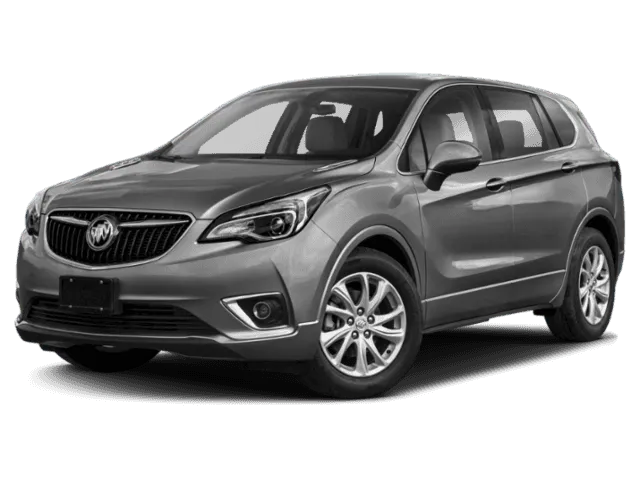 Buick Envision
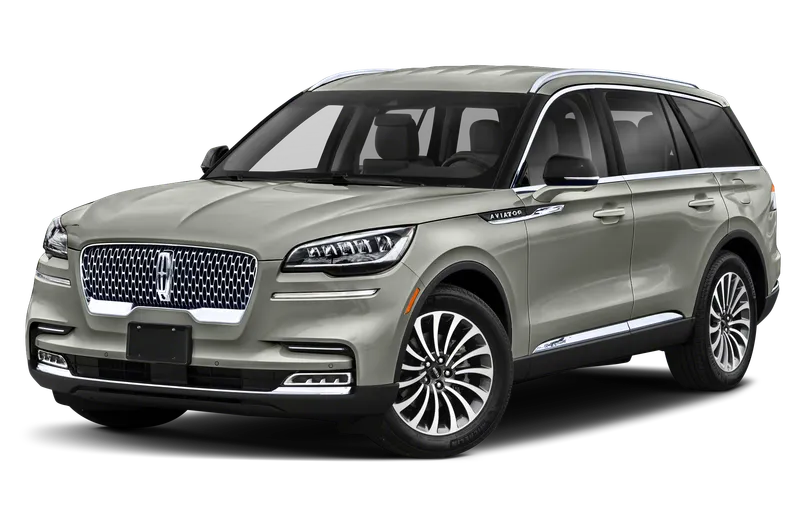 Lincoln Aviator
The Envision takes 5 of 6 rounds (1 drawn)
Reliability clearly favors the Buick Envision over the Lincoln Aviator. Recalls decide it: 116 for the Aviator, 6 for the Envision. Aviator owners also report sudden power loss at highway speed and rear camera faults that return after repair.
How Do the Buick Envision and Lincoln Aviator Generations Compare?
Verdict
The Buick Envision is more reliable than the Lincoln Aviator, scoring 77/100 vs 63/100.
The more reliable car here is the Envision, and the gap is large. The Aviator drew 116 recalls across six model years, while the Envision drew 6 across nine. Aviator owners also filed 20.5 complaints per 10,000 sold, against 5 for the Envision. Repair cost and shop visits point the same way. The Envision is not trouble free, since brake assist pump failures and fuel pump module shutoffs show up in its complaints. Even so, the Aviator's problems are broader, more frequent, and harder to get fixed for good.
Biggest gaps
- Buick Envision has 110 fewer total recalls
- Buick Envision has 15.5 fewer complaints per 10k sold
- Buick Envision needs 0.2 fewer repairs per year
Round by round
- Reliability ScoreEnvision
- Total RecallsEnvision
- Complaint RateEnvision
- Annual Repair CostEnvision
- Repair FrequencyEnvision
- Safety RatingDraw
Leaning Buick Envision or Lincoln Aviator? Check the exact car before you buy
Whichever wins on paper, the car in front of you has its own past. A VIN check shows its accidents, title history and any open recalls.
Buick Envision vs Lincoln Aviator: Which Is More Reliable?
| Metric | Buick Envision | Lincoln Aviator |
|---|---|---|
| Reliability ScoreOut of 100, higher is better | 77/100 | 63/100 |
| Years Tracked | 9 | 6 |
| Total RecallsLower is better | 6 | 116 |
| Complaints per 10k SoldLower is better | 5 | 20.5 |
| Annual Repair CostLower is better | $573/yr | $807/yr |
| Repair FrequencyUnscheduled shop visits a year | 0.4/yr | 0.6/yr |
| Safety RatingNHTSA overall | 2026 NHTSA | 2025 NHTSA |
| Frontal | ||
| Side | ||
| Rollover | ||
| Year WinsModel years with the higher score | 6 | 0 |
What Are the Common Problems With the Buick Envision and Lincoln Aviator?
Specific parts drive the Envision's complaints. The brake assist vacuum pump can fail and leave the pedal hard or sinking, and one report is crash-linked. A failed fuel pump control module can shut the engine off with no warning. The transmission can slip out of gear around 25 to 35 mph, also with one crash-linked report. Aviator complaints spread wider. Electrical faults lead, from sudden power loss at highway speed to dead screens and glitching cameras. Rear camera faults often return after recall work, and that area has 3 crash-linked reports. Rolling away with the door open on a slope adds 2 more in brakes.
| Buick Envision | Problem area | Lincoln Aviator |
|---|---|---|
0.9 | Electrical | 4.8 |
0.8 | Brakes | 1.4 |
0.1 | Backup camera | 1.9 |
0.4 | Engine | 1.5 |
0.4 | Transmission | 1.5 |
0 | Body and structure | 1.1 |
0.3 | Fuel system | 0.5 |
0 | Seats | 0.7 |
0 | Wipers and visibility | 0.6 |
<0.1 | Steering | 0.5 |
0.2 | Suspension | 0.4 |
0.2 | Airbags | 0.3 |
0 | Headlights and exterior lights | 0.3 |
0.2 | Wheels and tires | 0 |
<0.1 | Lane keeping | 0 |
<0.1 | Automatic emergency braking | 0 |
0.2 | Other or unspecified | 1.5 |
Complaints per 10,000 units sold, aggregated across all tracked model years from NHTSA owner reports. Shorter bars mean fewer complaints.
Which Is Cheaper to Maintain: Buick Envision or Lincoln Aviator?
How Does Buick Envision vs Lincoln Aviator Reliability Compare by Year?
| Year | Buick Envision | Lincoln Aviator | Edge |
|---|---|---|---|
| 2025 | 79/1000 recalls · 10 complaints | 68/10014 recalls · 18 complaints | Envision+11 |
| 2024 | 76/1001 recall · 14 complaints | 70/1008 recalls · 7 complaints | Envision+6 |
| 2023 | 76/1001 recall · 26 complaints | 64/10016 recalls · 30 complaints | Envision+12 |
| 2022 | 74/1001 recall · 26 complaints | 60/10021 recalls · 64 complaints | Envision+14 |
| 2021 | 74/1002 recalls · 25 complaints | 61/10028 recalls · 47 complaints | Envision+13 |
| 2020 | 78/1000 recalls · 12 complaints | 55/10029 recalls · 121 complaints | Envision+23 |
Best years to cross-shop: The 2020 Buick Envision scored 78/100 and the 2024 Lincoln Aviator scored 70/100, the strongest shared model years that have been on the road for at least two years, where available.
Who Should Buy the Buick Envision vs the Lincoln Aviator?
Team EnvisionPick the Envision if you want the lower risk and the lower bills. It has fewer recalls, fewer complaints per car sold, and cheaper upkeep. Target the 2018 model year, which ranks among its strongest. Avoid 2021 and 2022, its weakest years. The 2025 ranks strongest too, but it has had little time to collect complaints, so do not read that as proof. On any Envision, ask whether the brake assist pump and fuel pump control module have ever been replaced.
Team AviatorPick the Aviator only if you need a midsize SUV and accept more risk. Skip 2020 and 2022, its weakest years. The 2024 and 2025 rank best, though they are also the newest, so they have had less time to show problems. Before you buy, confirm every recall repair is done, especially the rear camera work, and test the screen, cameras, and driver assists. Walk away from any car with a history of repeat camera or driveshaft repairs.
Buick Envision vs Lincoln Aviator: Common Questions
- Is the Buick Envision more reliable than the Lincoln Aviator?
- Yes, by a large margin. The Envision has far fewer recalls, 6 against 116 for the Aviator. Owners filed 5 complaints per 10,000 Envisions sold, against 20.5 for the Aviator. It also costs less to keep running and visits the shop less often.
- Which has more recalls, the Envision or the Aviator?
- The Aviator, by a wide gap. Federal recall records show 116 across its six model years. The Envision has 6 across nine model years. Much of the Aviator's owner feedback concerns rear camera recall work, where the glitching sometimes came back after the repair.
- Which is cheaper to repair, the Envision or the Aviator?
- The Envision. Independent repair-cost data shows about $573 a year for it and $807 for the Aviator. Over five years that is roughly $1,170 saved. The Envision also averages 0.4 unscheduled shop visits a year, against 0.6 for the Aviator.
- What is the biggest problem with the Lincoln Aviator?
- Electrical faults, with 67 complaints. The worst pattern is sudden power loss at highway speed, with a slowing down or shutting down warning. Owners also report black center screens and backup cameras that pixelate or show blue screens, even after software updates and part replacements.
- What goes wrong with the Buick Envision?
- Brakes and electrical faults lead, with 25 complaints each. The brake assist vacuum pump can fail and cut braking power suddenly. Some owners report the engine shutting off while driving, traced to a failed fuel pump control module, and the transmission slipping out of gear around 25 to 35 mph.
Related Reliability Comparisons
More Buick Envision comparisons
Decided between Buick Envision and Lincoln Aviator? Run a VIN check before you buy — uncover hidden accidents, title issues, and open recalls.
How we score the Buick Envision and Lincoln Aviator
Scores weight complaint severity at 35%, repair costs at 30%, recall impact at 20%, and the spread of complaints across systems at 15%, with complaint counts adjusted for US sales. Read the full methodology.
See incorrect data? Report an issue