Last updated: 2026-04-20
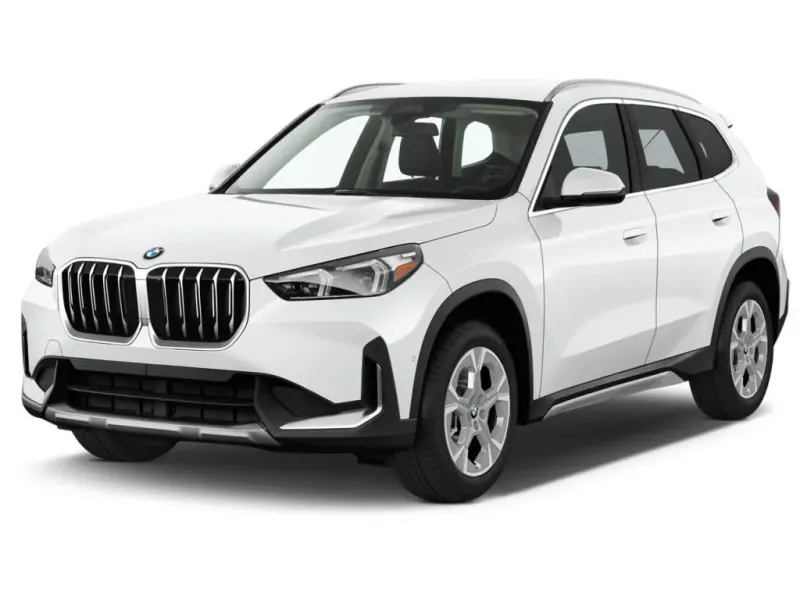
2025 BMW X1 Reliability Report
The 2025 BMW X1 scores 73/100 ("Good"). With 3 recalls and 9 owner complaints, reliability is acceptable but not class-leading.
Recalls
3
Complaints
9
Complaint Rate
4.4per 10,000 sold
Est. Repair Cost
$915
Annual Fuel Cost
$2,450–$2,650
Detailed Score Breakdown
Component-weighted complaints normalized by sales volume
Independent repair cost ratings
Recall count weighted by severity
Breadth of reported problem categories
The Verdict
Acceptable reliability — worth considering with a pre-purchase inspection.
Top Issues to Watch
- ELECTRICAL SYSTEM (3)
- POWER TRAIN (2)
- TIRES (1)
Should You Buy the 2025 BMW X1?
At 73/100, the 2025 BMW X1 lands in "Good" territory — acceptable, but not class-leading.
Its complaint rate of 4.4 per 10,000 vehicles sold runs above the SUV segment average of 3.5. The most common reports involve electrical system (3).
Get a pre-purchase inspection on any used example, with extra attention to electrical system (3). An extended warranty is worth pricing out.
Compared to the 2026 BMW X1, which scored 1 points higher. See also the 2024 BMW X1 for an earlier comparison.
Pros
- +Acceptable reliability score
- +Low major repair risk (8%)
- +Only 9 complaints reported
Cons
- −Moderate recall count
- −Above-average complaint rate for SUV
- −ELECTRICAL SYSTEM: Dashboard LCD screens (3 complaints)
- −1 fire incident reported in owner complaints
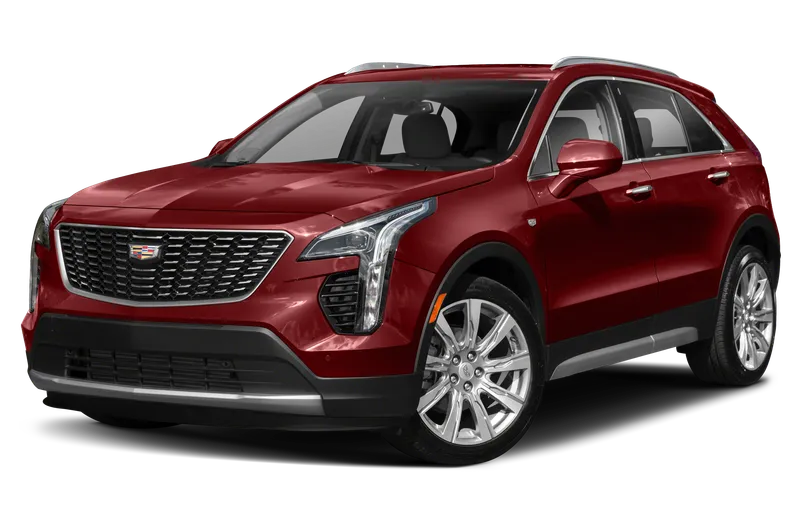
Compare 2025 BMW X1 With
Common Problem Categories
Safety
LOW RISK- 3 manufacturer recalls issued
Other
HIGH RISK- ELECTRICAL SYSTEM (3)
- POWER TRAIN (2)
Recall Overview
3
recalls on record
A moderate 3 recalls are on file for the 2025 BMW X1. Each one points to a specific safety or compliance issue identified by the manufacturer or NHTSA — check the list below before buying.
NHTSA.gov →Complaint Breakdown
4.4
per 10,000 soldSegment avg: 3.5
Safety Incidents
2
Crashes
1
Fires
0
Injuries
0
Deaths
NHTSA 4/5 Stars
Data sourced from NHTSA complaint filings and manufacturer recall notices. Complaint narratives are owner-reported.
2025 BMW X1 Recall Details
3 recalls have been issued for the 2025 BMW X1. All recall repairs are performed free of charge at authorized dealerships.
STRUCTURE
BMW of North America, LLC (BMW) is recalling certain 2025 X1 xDrive28i and X1 M35i vehicles. The left and right-side B-Pillar reinforcement plates may have been manufactured with insufficient structural strength.
Consequence
A B-Pillar structure with reduced strength may not adequately protect passengers in a crash, increasing the risk of injury.
Remedy
Dealers will inspect the left-side and right-side B-Pillar and, if affected, replace the B-Pillar, free of charge. Owner notification letters were mailed May 7, 2025. Owners may contact BMW customer service at 1-800-525-7417.
SEAT BELTS
BMW of North America, LLC is recalling certain 2025-2026 X1 and X2, MINI Cooper Convertible, MINI Cooper, Mini Countryman S ALL4, and 2025 MINI Countryman SE ALL4 vehicles. The torsion bar in both front seat belt retractors may have been damaged during production.
Consequence
A damaged seat belt retractor may not properly restrain an occupant during a crash, increasing the risk of injury.
Remedy
Dealers will replace both front seat belt retractors, free of charge. Owner notification letters were mailed November 13, 2025. Owners may contact BMW customer service at 1-800-525-7417. Vehicle Identification Numbers (VINs) will be searchable on NHTSA.gov on November 7, 2025.
ELECTRONIC STABILITY CONTROL (ESC), SERVICE BRAKES, HYDRAULIC
BMW of North America, LLC. (BMW) is recalling certain 2023-2025 BMW, MINI, and Rolls-Royce vehicles. Please see the recall report for a complete list of models and model years. The integrated brake (IB) system may malfunction and result in a loss of power brake assist or cause the Antilock Brake (ABS) and Dynamic Stability Control (DSC) systems to not function properly.
Consequence
A loss of power brake assist can extend the distance required to stop the vehicle. Additionally, malfunctioning ABS and/or DSC systems can cause a loss of vehicle control. Either of these scenarios can increase the risk of a crash.
Remedy
Dealers will replace the integrated brake system, free of charge. Owner notification letters were mailed between June and December 2024. Owners may contact BMW customer service at 1-800-525-7417 or Rolls Royce customer service at 1-877-877-3735.
Buying a used 2025 BMW X1? Check its history first
Every 2025 BMW X1 has a different past. A VIN check reveals hidden accidents, title problems, odometer rollbacks, and open recalls that reliability scores can't show you.
- Accidents
- Open Recalls
- Title History
- Odometer Rollback
2025 BMW X1 NHTSA Safety Ratings
Overall Safety Rating
Crash Test Results by Configuration (expand)
Gas Powertrain
Rollover risk: 17.4%
Safety Technologies
BMW X1Repair Costs & Maintenance
Maintenance Rating
3.5Maintenance rating: 3.5 out of 5Based on NHTSA complaint patterns, recall severity, and publicly available cost benchmarks.
Est. Annual Maintenance
$915
vs $859 avg for luxury compact SUVs
vs $652 avg for all vehicles
Repair Frequency
0.7
unscheduled repair visits per year
Severe Repair Probability
8%
chance of a major repair
Annual Cost Comparison
Category-level averages derived from publicly available industry reports (AAA, CarMD). Model-level estimates produced by Auto Reliability Index.
MPG & Annual Running Costs
Gas
26–28 MPG
Running cost: $3,350–$3,550/yr
Fuel + repair
23–24 city / 31–33 hwy MPG
Running cost includes EPA fuel-cost estimate and independent repair-cost data (repair cost estimated at model level). Excludes routine maintenance, depreciation, and insurance. Data as of 2025 EPA label cycle.
Gas trims
| Trim | Drive | Trans. | City | Hwy | Comb | Fuel Cost |
|---|---|---|---|---|---|---|
| X1 xDrive28i 2.0L 4-cyl | All-Wheel Drive | Automatic (AM-S7) | 24 | 33 | 28 | $2,450 |
| X1 M35i 2.0L 4-cyl | All-Wheel Drive | Automatic (AM-S7) | 23 | 31 | 26 | $2,650 |
Used Buying Checklist
Key things to inspect or verify before purchasing a 2025 BMW X1.
Inspect dashboard LCD screens for blackouts during operation
Test drivetrain for unexpected shifts into park or speed limitations
Check tire pressure monitoring system for clear and urgent alerts
Verify functionality of forward collision mitigation system
Ensure back over prevention system warns of crossing traffic
2025 BMW X1 Common Problems by Component
9 owner complaints grouped by vehicle system.
ELECTRICAL SYSTEM
3 complaintsSafety-relatedOwners report frequent issues with the 2025 BMW X1's electrical system, particularly involving the dashboard LCD screens. Complaints frequently mention the screens going completely black while driving, which results in the loss of critical information such as the speedometer, fuel gauge, and HVAC controls. These incidents typically occur at highway speeds, around 65-70+ miles per hour, and in vehicles as new as two months old. One report describes a crash involving a loaner vehicle where the tire pressure warning system failed to provide an urgent alert, leading to a dangerous situation. These issues present potential safety risks, including loss of vehicle control and inadequate warning systems.
POWER TRAIN
2 complaintsOwners of the 2025 BMW X1 report drivetrain issues, commonly indicating warning lights and fault messages appearing on the dashboard. Complaints frequently mention problems with the vehicle unexpectedly shifting into park or being unable to exceed 30 mph, even after software updates. These issues are reported at low mileages, as seen around 4,300 miles, and have led to situations where the vehicle is immobilized, requiring external assistance. Safety implications are noted, with one owner experiencing a warning of potential rollover on flat surfaces and another being unable to exit the vehicle when it shifted into park unexpectedly. Buyers should be aware of these drivetrain concerns and the unresolved nature of these issues as reported by current owners.
TIRES
1 complaintOEM Tires: 225/55/R18 - Bridgestone Turanza All Season I am writing to raise a formal concern regarding the premature wear of OEM tires installed on my leased 2025 BMW X1. At approximately 15,000 miles, I was advised to replace the tires at 4/32" tread depth, which is significantly below the longevity historically expected of OEM tires. This raises serious concerns around vehicle safety, environmental impact due to early disposal, and the burden placed on consumers. Past OEM tires demonstrated substantially better durability, and I am seeking clarity on what has changed in design, materials, or standards that now allows for reduced tire life. I also request clarification on how this aligns with the safety commitments and environmental responsibility, and whether consumer interests are being adequately considered. I look forward to your written response. Regards, [XXX] INFORMATION REDACTED PURSUANT TO THE FREEDOM OF INFORMATION ACT (FOIA), 5 U.S.C. 552(B)(6)
FORWARD COLLISION AVOIDANCE (1 complaints)
FORWARD COLLISION AVOIDANCE
1 complaintSafety-relatedWe had forward collision mitigation option on this vehicle but it didn't brake to stop. This caused to rear end a SUV infront on service road and causing big damage to both vehicles. There was a recall on previous year vehicles on the braking system but were told this was fixed in this 2025 model.
SERVICE BRAKES (1 complaints)
SERVICE BRAKES
1 complaintSafety-relatedThe contact filed the complaint regarding a rental 2025 BMW X1. The contact stated that while the vehicle was parked, the contact went outside and noticed a fire exiting the engine hood on the front passenger side. The vehicle was unoccupied. The contact stated that within a couple of minutes, the entire front of the vehicle was on fire, and a couple of minutes later the entire vehicle was on fire. The local fire department arrived and extinguished the fire. The vehicle was towed to a local tow yard. The contact was informed by the fire official, who informed the contact that the fire was assumed to have been started from the front passenger's brake system. The manufacturer was made aware of the failure, and a case was filed. The failure mileage was approximately 1,000. The VIN was unavailable.
BACK OVER PREVENTION (1 complaints)
BACK OVER PREVENTION
1 complaintWhen backing up, my new 2025 X1 fails to warn of crossing vehicle traffic and pedestrian traffic. I have had two near misses of crossing vehicles and one near miss of hitting a pedestrian.
When Do 2025 BMW X1 Problems Start?
Based on owner complaint patterns, here's when common issues tend to appear.
Best & Worst BMW X1 Years
Comprehensive reliability analysis based on NHTSA data, owner complaints, and historical performance.
Best BMW X1 Years to Buy
Based on reliability index scoreThe best BMW X1 year is 2021 with a reliability score of 75/100, rated good. Other strong picks include 2020 (74/100) and 2022 (72/100).
BMW X1 Years to Avoid
The worst BMW X1 year is 2023 with a score of 64/100, primarily due to service brakes, hydraulic (21) issues.
BMW X1 Reliability Score Trend
BMW X1 reliability has remained consistent across model years, averaging 71/100.
Scores 0–100. Higher is better. Current year highlighted.
| Year | Score | Rating |
|---|---|---|
| 2018 | 69/100 | Good |
| 2019 | 72/100 | Good |
| 2020 | 74/100 | Good |
| 2021 | 75/100 | Good |
| 2022 | 72/100 | Good |
| 2023 | 64/100 | Good |
| 2024 | 68/100 | Good |
| 2025 | 73/100 | Good |
| 2026 | 74/100 | Good |
BMW X1 Reliability Compared to Other Years
Frequently Asked Questions
Is the 2025 BMW X1 reliable?
What are the most common problems with the 2025 BMW X1?
How many recalls does the 2025 BMW X1 have?
Is the 2025 BMW X1 expensive to maintain?
Don’t buy a 2025 BMW X1 without checking its VIN first — hidden accidents, title issues, and open recalls could cost you thousands.
How we score the 2025 BMW X1
Of the four inputs behind this score, the 2025 BMW X1 does best on how many systems draw complaints (76/100) and worst on repair costs (70/100). Scores weight complaint severity at 35%, repair costs at 30%, recall impact at 20%, and the spread of complaints across systems at 15%, with complaint counts adjusted for US sales. Read the full methodology.
Get notified when new recalls or reliability data is added for the BMW X1.
No spam. Only data updates for this model.
Browse More BMW Models
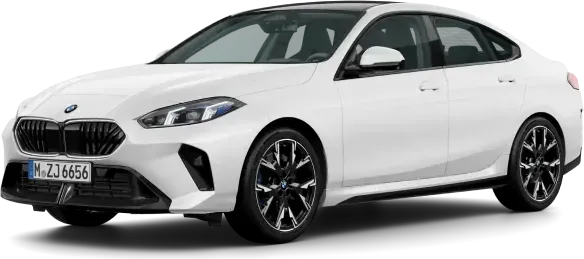
BMW 2-Series
Score: 70/100

BMW 3-Series
Score: 76/100
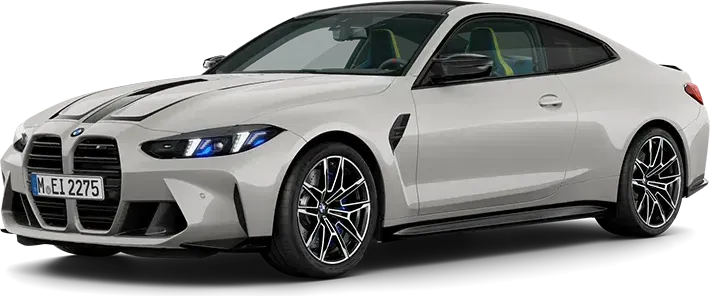
BMW 4-Series
Score: 64/100
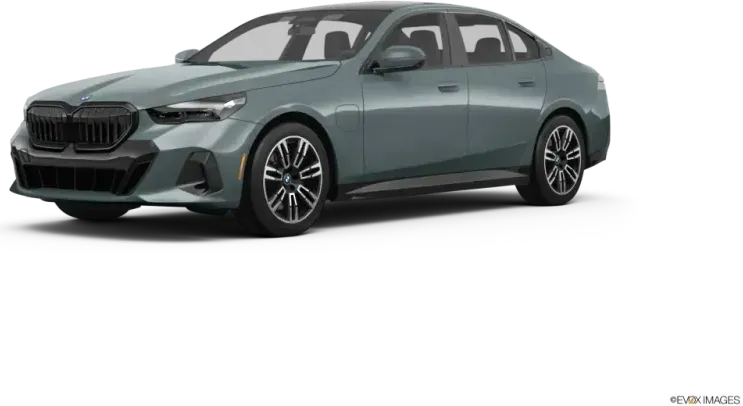
BMW 5-Series
Score: 71/100
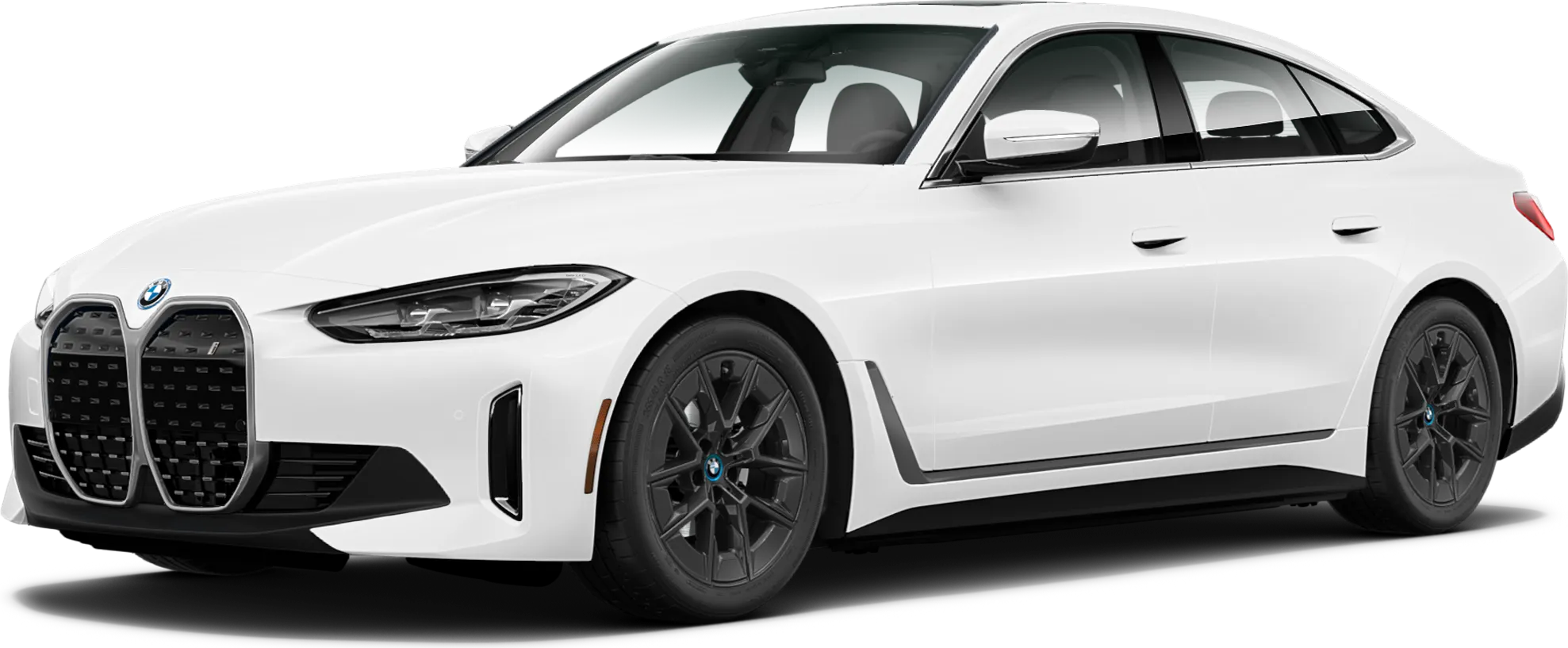
BMW I4
Score: 78/100

BMW IX
Score: 60/100
Browse More 2025 Vehicles
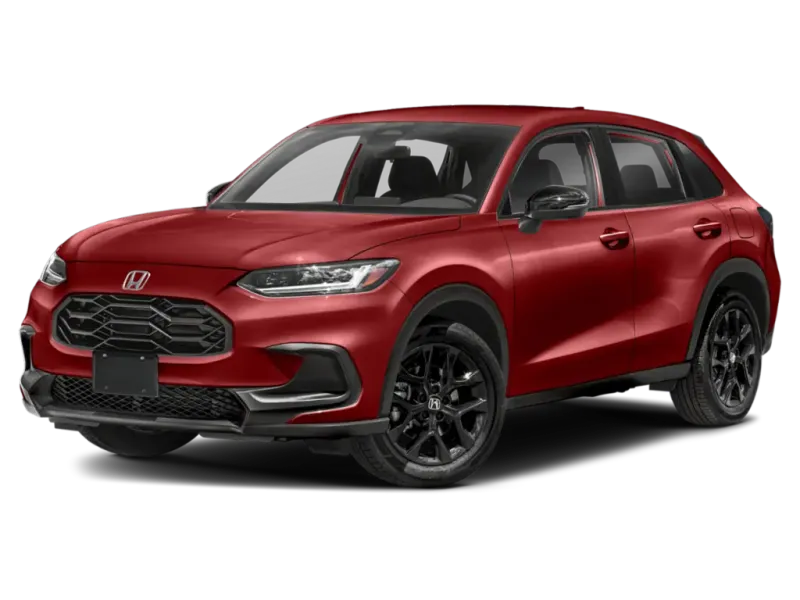
2025 Honda HR-V
Score: 88/100
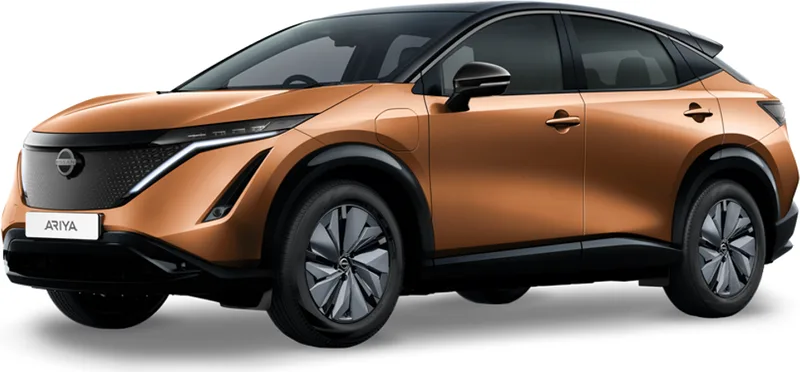
2025 Nissan Ariya
Score: 88/100
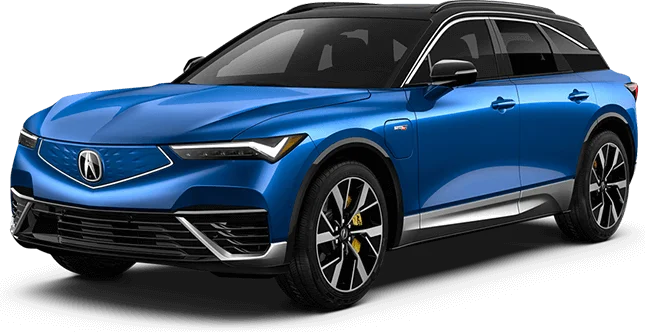
2025 Acura ZDX
Score: 88/100

2025 KIA Carnival
Score: 88/100
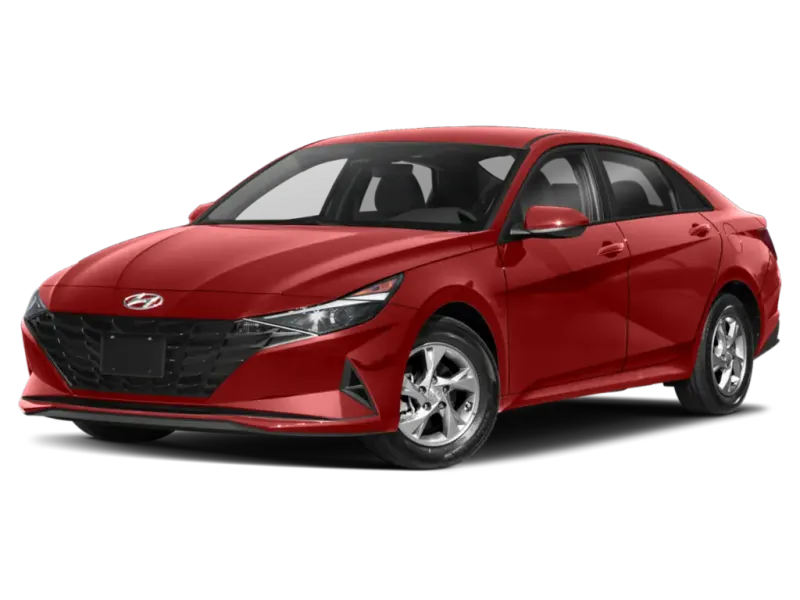
2025 Hyundai Elantra
Score: 87/100
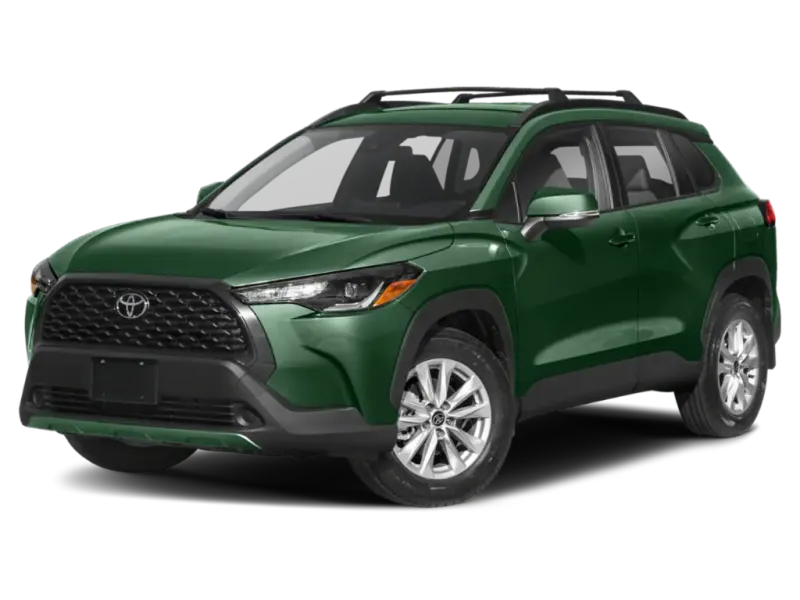
2025 Toyota Corolla Cross
Score: 86/100
See incorrect data? Report an issue