Last updated: 2026-10-10
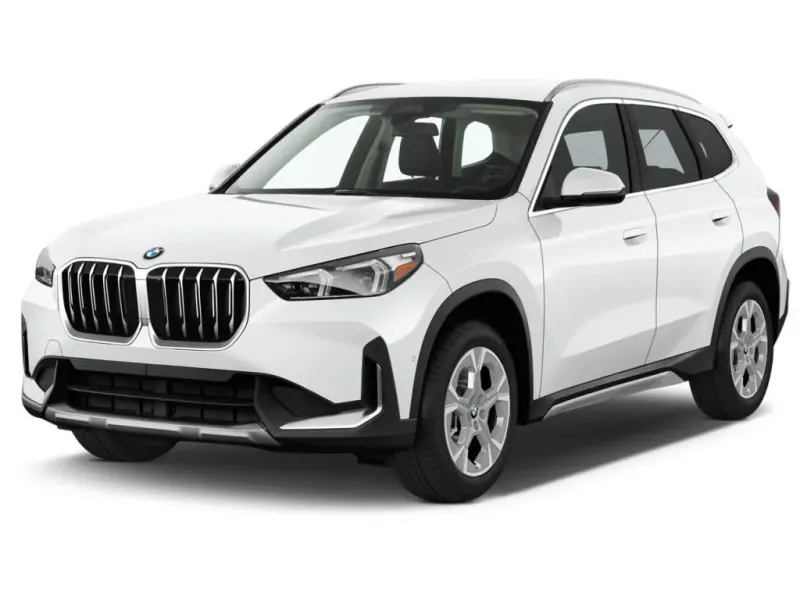
2019 BMW X1 Reliability Report
The 2019 BMW X1 has a good reliability standing, but its emergency call system can fail and leave an error warning on the dash.
Recalls
3
Complaints
10
Complaint Rate
5.6per 10,000 sold
Est. Repair Cost
$915
Annual Fuel Cost
$2,650–$2,750
Detailed Score Breakdown
Component-weighted complaints normalized by sales volume
Independent repair cost ratings
Recall count weighted by severity
Breadth of reported problem categories
The Verdict
A middle-ranked X1 year with a good standing, held back mainly by emergency call system faults and three recalls covering steering, structure and exterior lighting.
Top Issues to Watch
- ELECTRICAL SYSTEM (4)
- STRUCTURE (2)
- SUSPENSION (1)
Generation & Refresh (US)
2019 is year 4 of the Second generation (F48).
- Redesigned for the 2016 model year.
- Well-established in its generation — most early issues should be resolved.
- 2nd generation X1 (US).
What this means for buyers
Well into the generation cycle — most design and manufacturing issues should be resolved by now.
2016: Second generation (F48) Launch
Generation start — new platform.
2019: This Model Year
2019 is year 4 of the Second generation (F48).
Should You Buy the 2019 BMW X1?
Good is the standing for this model year, and it is above average among 2019 SUVs. Within the X1 lineup it sits in the middle of nine scored years. Federal crash testing gave 5 of 5 stars. Yearly upkeep runs a bit above the class figure, $915 against $859. The 2018 rates worse and drew 56 complaints, while the 2020 rates about the same.
The emergency call (SOS) system is the main problem. Owners report an error warning on the instrument panel that comes and goes for weeks or months. The car may not be able to call for help after a crash. One dealer blamed water leaking from the shark fin antenna onto the telematics unit under the headliner, which makes repair difficult and costly. One owner reported a highway shutdown at 17000 miles with no restart. Federal records list 3 recalls, covering steering, structure and exterior lighting. Two owners waited on recall parts that dealers did not have.
Ask the seller for proof that every recall repair was finished. Check that the SOS warning stays off on a test drive.
Compared to the 2020 BMW X1, which scored 2 points higher. See also the 2018 BMW X1 for an earlier comparison.
Pros
- +Acceptable reliability score
- +Low major repair risk (8%)
- +Below-average complaint rate for SUV
Cons
- −Moderate recall count
- −ELECTRICAL SYSTEM issues reported (4 complaints)
- −STRUCTURE: No failures are reported here (2 complaints)
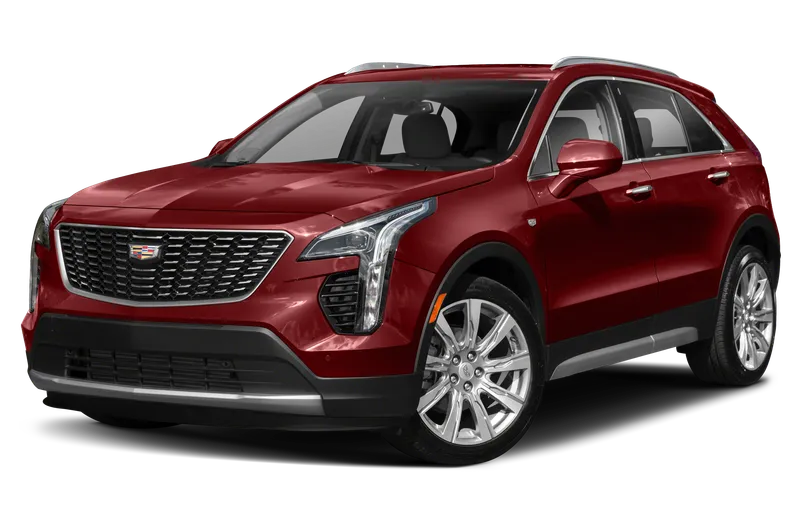
Compare 2019 BMW X1 With

Common Problem Categories
Safety
LOW RISK- 3 manufacturer recalls issued
Other
HIGH RISK- ELECTRICAL SYSTEM (4)
- STRUCTURE (2)
Recall Overview
3
recalls on record
A moderate 3 recalls are on file for the 2019 BMW X1. Each one points to a specific safety or compliance issue identified by the manufacturer or NHTSA — check the list below before buying.
NHTSA.gov →Complaint Breakdown
5.6
per 10,000 soldSegment avg: 21.2
Safety Incidents
1
Crashes
0
Fires
3
Injuries
0
Deaths
NHTSA 5/5 Stars
Data sourced from NHTSA complaint filings and manufacturer recall notices. Complaint narratives are owner-reported.
2019 BMW X1 Recall Details
3 recalls have been issued for the 2019 BMW X1. All recall repairs are performed free of charge at authorized dealerships.
STEERING
BMW of North America, LLC (BMW) is recalling certain 2018-2019 BMW X1 sDrive28i, X1 xDrive28i, 2019 X2 xDrive28i, MINI Cooper S Convertible, Countryman, and John Cooper Works Countryman vehicles. The steering gear tie rod may have been assembled incorrectly, which may result in excessive wear of the tie rod end, eventually causing it to break.
Consequence
A broken steering tie rod would lead to a loss of vehicle control, increasing the risk of a crash.
Remedy
BMW will notify owners, and dealers will inspect the vehicles and replace the tie rods and ball joints as necessary, free of charge. The recall began October 11, 2019. Owners may contact BMW customer service at 1-800-525-7417 or MINI customer service at 1-866-825-1525.
STRUCTURE
BMW of North America, LLC (BMW) is recalling certain 2016-2019 X1 sDrive28i and X1 xDrive28i vehicles. In the event of a crash where the occupants head contacts the B-pillar, the pillar may not absorb an adequate amount of the impact. As such, these vehicles fail to comply with the requirements of Federal Motor Vehicle Safety Standard (FMVSS) number 201, "Occupant Protection in Interior Impact."
Consequence
In the event of a crash, the insufficient impact absorption can increase the risk of injury.
Remedy
BMW will notify owners, and dealers will replace the vertical trim pieces on the upper portion of the interior B-Pillars, free of charge. Interim letters notifying owners of the safety risk were mailed July 1, 2019. Second notices will be sent as parts become available, starting on September 27, 2019. Owners may contact BMW customer service at 1-800-525-7417.
EXTERIOR LIGHTING
BMW of North America, LLC (BMW) is recalling certain 2018-2019 BMW X1 sDrive28i and X1 xDrive28i vehicles. Contaminated hardware may cause the attachment brackets of the taillight housings to crack, causing the lights to loosen or possibly detach from the vehicle.
Consequence
If a taillight detaches from the vehicle, it would no longer provide the required lighting to following traffic, or it may become a road hazard, increasing the risk of a crash.
Remedy
BMW will notify owners, and dealers will properly secure the taillights, free of charge. The recall began March 28, 2019. Owners may contact BMW customer service at 1-800-525-7417.
Buying a used 2019 BMW X1? Check its history first
Electrical system problems lead owner complaints about the 2019 BMW X1, and 3 recalls were issued for it. A VIN check shows whether this car's recall work was done, plus accident, title, and odometer history.
- Accidents
- Open Recalls
- Title History
- Odometer Rollback
2019 BMW X1 NHTSA Safety Ratings
Overall Safety Rating
Crash Test Results by Configuration (expand)
Gas Powertrain
Rollover risk: 15.7%
Safety Technologies
BMW X1Repair Costs & Maintenance
Maintenance Rating
3.5Maintenance rating: 3.5 out of 5Based on NHTSA complaint patterns, recall severity, and publicly available cost benchmarks.
Est. Annual Maintenance
$915
vs $859 avg for luxury compact SUVs
vs $652 avg for all vehicles
Repair Frequency
0.7
unscheduled repair visits per year
Severe Repair Probability
8%
chance of a major repair
Annual Cost Comparison
Category-level averages derived from publicly available industry reports (AAA, CarMD). Model-level estimates produced by Auto Reliability Index.
MPG & Annual Running Costs
Gas
25–26 MPG
Running cost: $3,550–$3,650/yr
Fuel + repair
22–23 city / 31–32 hwy MPG
Running cost includes EPA fuel-cost estimate and independent repair-cost data (repair cost estimated at model level). Excludes routine maintenance, depreciation, and insurance. Data as of 2019 EPA label cycle.
Gas trims
| Trim | Drive | Trans. | City | Hwy | Comb | Fuel Cost |
|---|---|---|---|---|---|---|
| X1 sDrive28i 2.0L 4-cyl | Front-Wheel Drive | Automatic (S8) | 23 | 32 | 26 | $2,650 |
| X1 xDrive28i 2.0L 4-cyl | All-Wheel Drive | Automatic (S8) | 22 | 31 | 25 | $2,750 |
Used Buying Checklist
Key things to inspect or verify before purchasing a 2019 BMW X1.
Start the car and watch the instrument panel for an Emergency Call or SOS error message.
Ask for service records showing any telematics control unit, antenna, or battery work on the emergency call system.
Check around the shark fin antenna and the headliner below it for signs of water leaks.
Take an extended highway drive and watch for flickering dashboard lights or sudden stalling.
Run the VIN through a recall lookup and get dealer proof that every open recall has been repaired.
2019 BMW X1 Common Problems by Component
10 owner complaints grouped by vehicle system.
ELECTRICAL SYSTEM
4 complaintsThe emergency call (SOS) system fails and posts an error warning on the instrument panel, sometimes on and off for weeks or months. When it fails, the car may not be able to call for help after a crash. In one case, dealer service blamed water leaking from the shark fin antenna onto the telematics control unit. That unit sits under the headliner, so diagnosis and replacement are difficult and costly. Another report describes a sudden shutdown on the highway at 17000 miles, with dashboard lights blinking and no restart. That is a serious loss-of-power risk in traffic.
STRUCTURE
2 complaintsNo failures are reported here. Both complaints are about waiting for a recall repair. Owners received notice for campaign 19V349000, but dealers said the parts were not available and could not give an arrival date. The manufacturer could not give a date either. Owners say the wait for the remedy went on far too long. This category is about parts shortages and slow dealer service, not breakdowns on the road.
SUSPENSION
1 complaintA recall was issued for similar vehicles (X1) but ended with the 2018 model year (Recall 24V-608). This issue continues to be present in the 2019 model year. The thermostats in subsequent year models continue to leak, presenting a hazard. An engine warning lamp triggered an inspection at BMW Honolulu which identified the thermostat leak issue requiring “immediate attention.” In addition, BMW engine mounts in the same model year vehicle have failed in less than 6 years of operation which could present a significant operational hazard. This issue was identified at the same time as the thermostat issue referenced previously. A similar dealer recommendation of “immediate attention,” suggests the severity of the issue. This vehicle has been properly serviced at BMW Honolulu since it was purchased as a certified pre-owned vehicle from BMW Honolulu on October 22, 2022.
ENGINE AND ENGINE COOLING (1 complaints)
ENGINE AND ENGINE COOLING
1 complaintThe contact owns a 2019 BMW X1. The contact stated that the vehicle was taken to the dealer for an oil change and was informed that the vehicle was leaking coolant. The contact stated that while the vehicle was idling, the contact became aware that there was coolant on the ground underneath the vehicle. There were no warning lights illuminated. The dealer determined that the water pump had failed. The dealer confirmed that the failure was related to NHTSA Campaign Number: 24V608000 (Engine and Engine Cooling, Electrical System); however, the VIN was not included. The water pump was replaced. The manufacturer was informed of the failure and opened a case. The manufacturer referred the contact to the NHTSA Hotline to report the failure. The failure mileage was 39,673.
VISIBILITY/WIPER (1 complaints)
VISIBILITY/WIPER
1 complaintThe moonroof spontaneously exploded while traveling on interstate highway at 65 mph. I was in the open and no vehicles were near me. I was showered in glass but uninjured because I was wearing a brimmed hat. I could have but did not lose control of the vehicle. There was no warning or other indicator of the problem. The dealership inspected and replaced at no cost to us. No police or insurance involvement.
FORWARD COLLISION AVOIDANCE (1 complaints)
FORWARD COLLISION AVOIDANCE
1 complaintSafety-relatedThe car is equipped with Driving Assistant. BMW Active Driving Assistant is a collection of driving assistance and collision avoidance technologies. Active Driving Assistant includes forward-collision warning with pedestrian detection, low-speed automatic emergency braking, lane-departure warning, blind-spot warning, and rear cross-traffic warning. BMW Active Driving Assistant systems help a driver to avoid a collision. The package includes advanced driving assistance systems (ADAS) that are increasingly common as standard equipment for mainstream and luxury brands alike. Forward-collision warning monitors for obstacles ahead, and with Active Driving Assistant the technology can also identify pedestrians in the vehicle’s path. If the driver fails to brake, the automatic emergency braking system engages to stop or slow the BMW before impact. Be sure to understand that with Active Driving Assistant, the automatic braking works only at lower city speeds. On faster-flowing highways and freeways, the driver must respond to potential collision situations. ( https://www.jdpower.com/cars/shopping-guides/what-is-bmw-active-driving-assistant ). The car was involved in a rear end collision striking the vehicle in front of it on May 28, 2021 at approx. 11:36 AM (picture attached). The car was on York Road near [XXX] being driven in heavy lunch-hour traffic when the accident occurred. My wife, [XXX], was driving the vehicle. She is named on my auto insurance policy. She was taken to the hospital via ambulance to Belvedere/Sanai Hospital at 2401 West Belvedere Avenue, Baltimore, MD 21215. She sustained a broken sternum, major bruising and lacerations on her arms and legs. The vehicle was towed to a holding yard (Linhard's Towing, 11013 York Road, Cockeysville, MD 21030) by the police due to the air bags deploying. The steering wheel, drivers lower leg and passenger side curtain air bags deployed. INFORMATION Redacted PURSUANT TO THE FREEDOM OF INFORMATION ACT (FOIA), 5 U.S.C. 552(B)(6).
Best & Worst BMW X1 Years
Best BMW X1 Years to Buy
Based on reliability index scoreBMW X1 Years to Avoid
BMW X1 Reliability Score Trend
Scores 0–100. Higher is better. Current year highlighted.
| Year | Score | Rating |
|---|---|---|
| 2018 | 69/100 | Good |
| 2019 | 72/100 | Good |
| 2020 | 74/100 | Good |
| 2021 | 75/100 | Good |
| 2022 | 72/100 | Good |
| 2023 | 64/100 | Good |
| 2024 | 68/100 | Good |
| 2025 | 73/100 | Good |
| 2026 | 74/100 | Good |
BMW X1 Reliability Compared to Other Years
Frequently Asked Questions
Is the 2019 BMW X1 reliable?
What are the most common problems with the 2019 BMW X1?
Does the 2019 BMW X1 have emergency call system problems?
What recalls does the 2019 BMW X1 have?
Is the 2019 BMW X1 better than the 2018 or 2020?
Don’t buy a 2019 BMW X1 without checking its VIN first — hidden accidents, title issues, and open recalls could cost you thousands.
How we score the 2019 BMW X1
Of the four inputs behind this score, the 2019 BMW X1 does best on how many systems draw complaints (77/100) and worst on repair costs (70/100). Scores weight complaint severity at 35%, repair costs at 30%, recall impact at 20%, and the spread of complaints across systems at 15%, with complaint counts adjusted for US sales. Read the full methodology.
Get notified when new recalls or reliability data is added for the BMW X1.
No spam. Only data updates for this model.
Browse More BMW Models
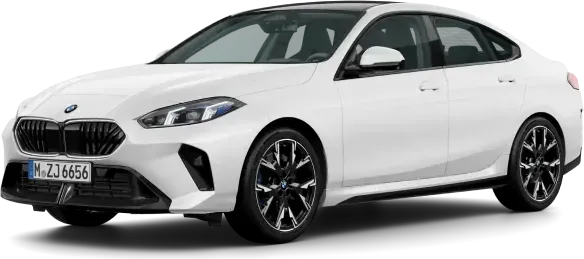
BMW 2 Series
Score: 70/100

BMW 3 Series
Score: 76/100
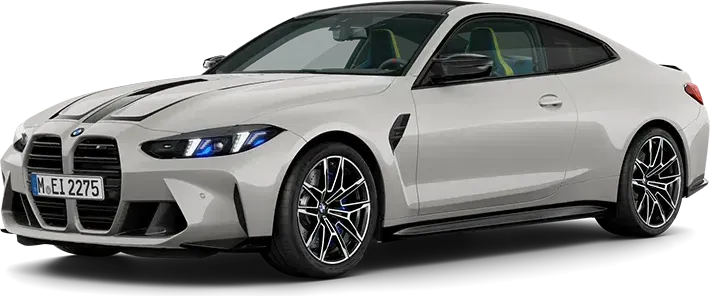
BMW 4 Series
Score: 64/100
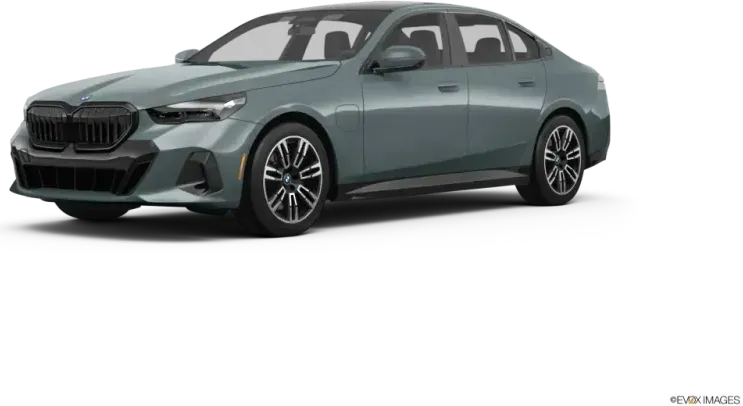
BMW 5 Series
Score: 71/100

BMW X3
Score: 65/100
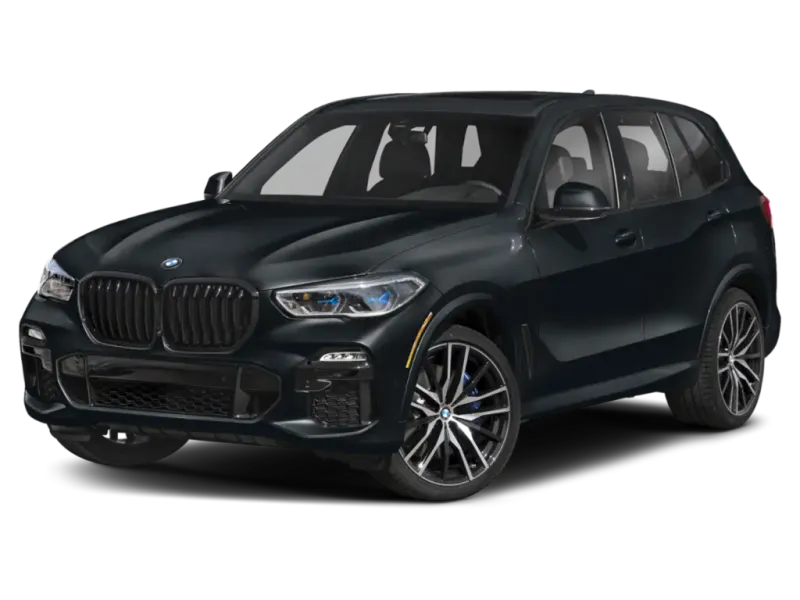
BMW X5
Score: 56/100
Browse More 2019 Vehicles
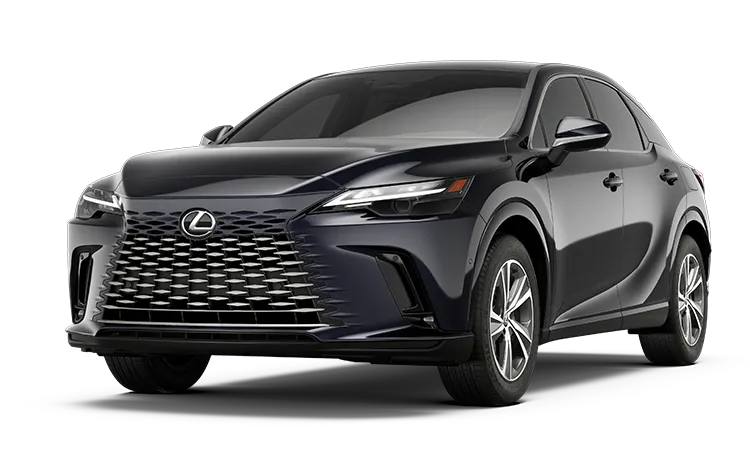
2019 Lexus RX
Score: 82/100

2019 Kia Sedona
Score: 80/100
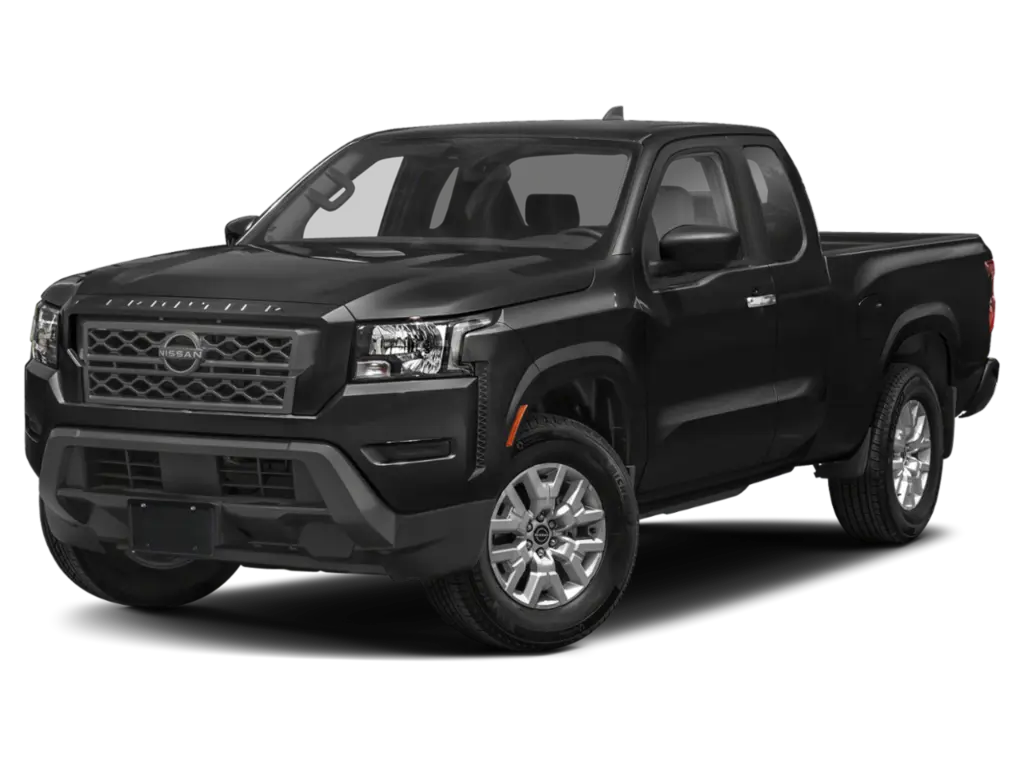
2019 Nissan Frontier
Score: 80/100
2019 Lexus IS
Score: 79/100
2019 Chevrolet Impala
Score: 79/100
2019 Lexus GX
Score: 78/100
See incorrect data? Report an issue