Last updated: 2026-10-10
Audi e-tron GT vs Lexus IS: Reliability Compared
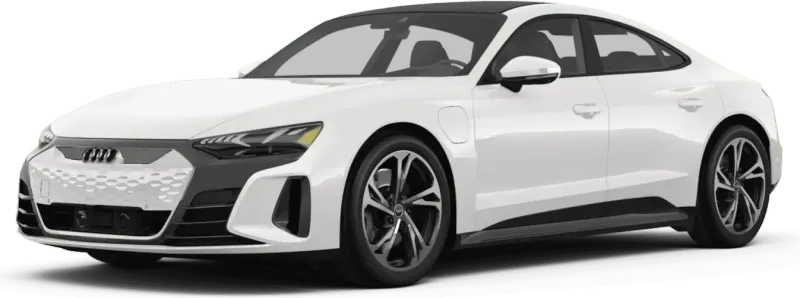
Audi e-tron GT
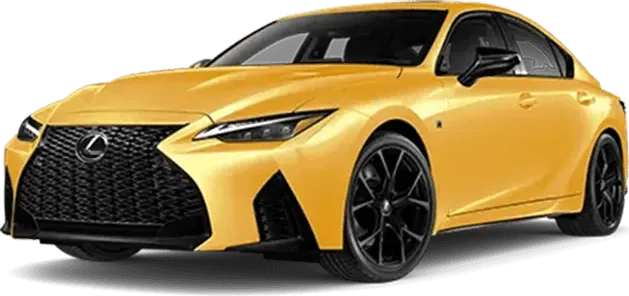
Lexus IS
The Lexus IS comes out well ahead of the Audi E-Tron-GT on reliability, with far fewer recalls and a much lower complaint rate. Recalls run 46 versus 6. Audi owners report sudden power loss, shifting out of gear, and a failed cabin heater.
How Do the Audi e-tron GT and Lexus IS Generations Compare?
Verdict
The Lexus IS is more reliable than the Audi e-tron GT, scoring 83/100 vs 68/100.
The more reliable car here is the Lexus IS, and the gap is large. Federal recall records show 46 recalls across the Audi's four model years, against 6 across the Lexus's nine. The Lexus has more owner complaints in raw count, but the rate against sales is far lower than the Audi's. The Audi's complaints hit basic function: cabin heat, power delivery, and gear selection. The Lexus reports are few and tied to unusual events, not repeat failures.
Key Differences
- 1Lexus IS has 40 fewer total recalls
- 2Lexus IS scores 15 points higher in reliability
- 3Lexus IS has 4.5 fewer complaints per 10k sold
Category Scoreboard
Audi e-tron GT vs Lexus IS: Which Is More Reliable?
| Metric | Audi e-tron GT | Lexus IS |
|---|---|---|
| Reliability Score | 68/100 | 83/100 |
| Years Tracked | 4 | 9 |
| Total Recalls | 46 | 6 |
| Complaints per 10k Sold | 5.2 | 0.7 |
| Year Wins | 0 | 4 |
What Are the Common Problems With the Audi e-tron GT and Lexus IS?
Trouble on the Audi sits in the electrical system and drivetrain. The high-voltage cabin heater fails, leaving no heat and fogged windows, and one car waited 10 days in the shop. Other owners report the car shifting itself into neutral or park, or losing power with a drive system malfunction warning. These events repeat after dealer visits. The Lexus has two small clusters: a sunroof glass panel that shatters on the highway, and a tire that separates from its rim. Only the Lexus tire area is crash-linked, with one filing listing a crash and 2 injuries. The Audi data lists no crash-linked area, though it calls sudden power loss a real crash risk.
| Component | Audi e-tron GT | Lexus IS |
|---|---|---|
| ELECTRICAL SYSTEM | 2Low | —None |
| POWER TRAIN | 1.2Low | —None |
| TIRES | —None | —None |
| UNKNOWN OR OTHER | —None | —None |
| STRUCTURE | —None | —None |
Complaints per 10,000 units sold, aggregated across all tracked model years from NHTSA owner reports.
How Does Audi e-tron GT vs Lexus IS Reliability Compare by Year?
| Year | Audi e-tron GT | Lexus IS | Edge |
|---|---|---|---|
| 2025 | 75/1001R / 0C | 83/1000R / 1C | Lexus IS |
| 2024 | 67/10010R / 1C | 83/1000R / 3C | Lexus IS |
| 2023 | 65/10015R / 10C | 83/1000R / 9C | Lexus IS |
| 2022 | 64/10020R / 10C | 83/1000R / 13C | Lexus IS |
Best years to cross-shop: The 2024 Audi e-tron GT scored 67/100 and the 2024 Lexus IS scored 83/100 — the strongest shared model years that have been on the road for at least two years, where available.
Who Should Buy the Audi e-tron GT vs the Lexus IS?
Audi e-tron GT vs Lexus IS: Common Questions
- Is the Audi E-Tron-GT more reliable than the Lexus IS?
- No. The Lexus IS is clearly more reliable, and the gap is large. It has far fewer recalls and a much lower complaint rate per car sold. The Audi's reports involve losing power, shifting out of gear, and a failed cabin heater, while the Lexus has only a few unusual reports.
- Which has more recalls, the E-Tron-GT or the IS?
- The Audi E-Tron-GT has far more. Federal recall records show 46 recalls across its four model years. The Lexus IS has 6 across nine model years. Several Audi owners also describe repeat dealer visits for recall work or waiting on parts.
- What goes wrong with the Audi E-Tron-GT?
- The main problems are electrical and drivetrain. The high-voltage cabin heater can fail, leaving no heat and fogged windows. Some cars shift themselves into neutral or park, or lose power with a drive system malfunction warning. Restarting clears the power loss only for a while.
- Are there safety problems with the Lexus IS?
- Yes, but they are few. Two complaints describe a sunroof glass panel shattering at highway speed, and one says glass hit the driver's eye. Two others involve a tire separating from its rim, and one of those ended in a crash with 2 injuries.
- Which model years should I avoid on each car?
- On the Audi, avoid 2022 and 2023, its weakest years. On the Lexus, avoid 2018 and 2019. The Audi's best years are 2024 and 2025, and the Lexus's are 2026 and 2020, though the newest years have had less time to collect complaints.
Related Reliability Comparisons
More Audi e-tron GT comparisons
Decided between Audi e-tron GT and Lexus IS? Run a VIN check before you buy — uncover hidden accidents, title issues, and open recalls.
How we score the Audi e-tron GT and Lexus IS
Scores weight complaint severity at 35%, repair costs at 30%, recall impact at 20%, and the spread of complaints across systems at 15%, with complaint counts adjusted for US sales. Read the full methodology.
See incorrect data? Report an issue