Last updated: 2026-10-10
Lexus IS vs Volvo S60: Reliability Compared
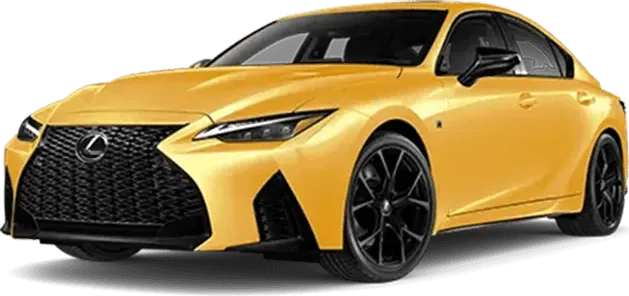
Lexus IS
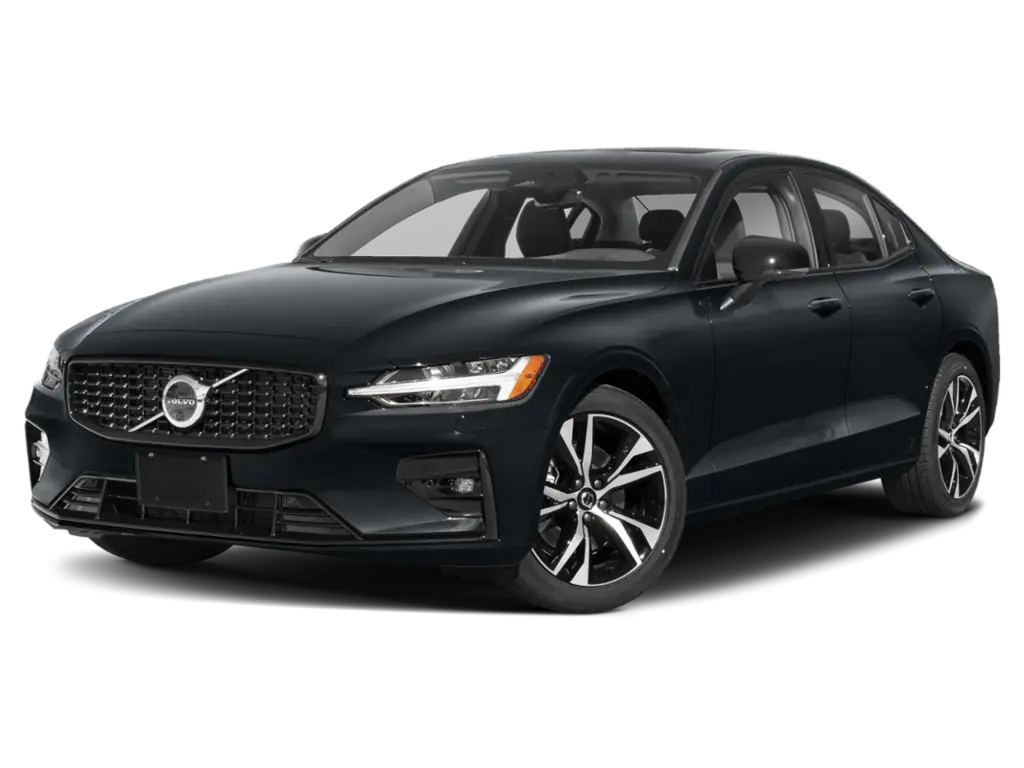
Volvo S60
Reliability favors the Lexus IS over the Volvo S60 by a wide margin. Owners file fewer complaints about the Lexus, and federal recall records show far fewer recalls. The Volvo's repeated electrical, brake, and highway vibration reports are what pull it down.
How Do the Lexus IS and Volvo S60 Generations Compare?
Verdict
The Lexus IS is more reliable than the Volvo S60, scoring 83/100 vs 72/100.
Reliability clearly favors the Lexus IS. It holds an excellent standing against good for the Volvo S60, and owners file fewer complaints per car sold: 0.7 per 10,000 against 1.9. Federal recall records widen the gap, with 6 recalls across nine Lexus model years and 23 across six Volvo years. The Volvo's trouble is everyday trouble, such as dead steering wheel controls and highway vibration. The Lexus shows far less of that, though its two rarest reports are frightening ones.
Key Differences
- 1Lexus IS has 17 fewer total recalls
- 2Lexus IS scores 11 points higher in reliability
- 3Lexus IS has 1.2 fewer complaints per 10k sold
Category Scoreboard
Lexus IS vs Volvo S60: Which Is More Reliable?
What Are the Common Problems With the Lexus IS and Volvo S60?
Volvo owners report a spread of annoying and sometimes risky faults. Steering wheel buttons, wipers, and signals can die at once, and one car was towed. A shake at 65 to 75 mph survived new rotors, tires, and alignments. Rear cameras black out in reverse. Crash-linked reports appear under service brakes, where one car slammed on the brakes at highway speed with no hazard ahead. Lexus complaints are few. Two describe a sunroof glass panel shattering at highway speed, and two describe a tire coming off its rim, one linked to a crash with 2 injuries.
| Component | Lexus IS | Volvo S60 |
|---|---|---|
| ELECTRICAL SYSTEM | —None | 0.4Very Low |
| STEERING | —None | 0.2Very Low |
| TIRES | —None | 0.1Very Low |
| UNKNOWN OR OTHER | —None | 0.1Very Low |
| SERVICE BRAKES | —None | 0.1Very Low |
| BACK OVER PREVENTION | —None | 0.1Very Low |
| FUEL/PROPULSION SYSTEM | —None | 0.1Very Low |
| POWER TRAIN | —None | 0.1Very Low |
| SEATS | —None | 0.1Very Low |
| EXTERIOR LIGHTING | —None | 0.1Very Low |
| FORWARD COLLISION AVOIDANCE | —None | 0.1Very Low |
| STRUCTURE | —None | —None |
Complaints per 10,000 units sold, aggregated across all tracked model years from NHTSA owner reports.
How Does Lexus IS vs Volvo S60 Reliability Compare by Year?
| Year | Lexus IS | Volvo S60 | Edge |
|---|---|---|---|
| 2025 | 83/1000R / 1C | 76/1003R / 0C | Lexus IS |
| 2024 | 83/1000R / 3C | 72/1003R / 16C | Lexus IS |
| 2023 | 83/1000R / 9C | 70/1006R / 3C | Lexus IS |
| 2022 | 83/1000R / 13C | 70/1004R / 14C | Lexus IS |
| 2020 | 83/1000R / 3C | 72/1003R / 9C | Lexus IS |
| 2019 | 79/1004R / 8C | 72/1004R / 23C | Lexus IS |
Best years to cross-shop: The 2024 Lexus IS scored 83/100 and the 2024 Volvo S60 scored 72/100 — the strongest shared model years that have been on the road for at least two years, where available.
Who Should Buy the Lexus IS vs the Volvo S60?
Lexus IS vs Volvo S60: Common Questions
- Is the Lexus IS more reliable than the Volvo S60?
- Yes, by a large margin. The Lexus IS has an excellent standing and the Volvo S60 a good one. Owners filed 0.7 complaints per 10,000 Lexus sold against 1.9 for the Volvo, and the Volvo has many more recalls on record.
- Which has more recalls, the Lexus IS or the Volvo S60?
- The Volvo S60 has more. Federal recall records show 23 recalls across six S60 model years. The Lexus IS has 6 recalls across nine model years. Run any car's VIN to confirm its recall work was completed.
- What are the most common Volvo S60 problems?
- Electrical faults lead with 14 complaints, including steering wheel controls going dead together. Steering vibration at highway speeds comes next with 6, then rear brake wear and brake warnings with 5. Tire vibration and rear camera dropouts also show up in owner complaints.
- Is the Lexus IS sunroof a safety problem?
- Two owners reported the glass sunroof panel shattering while driving on the highway, with a loud bang. One said glass struck the driver's eye. Two reports is a small number, but the injury risk is real, so inspect the roof glass on any used IS.
- Which Volvo S60 and Lexus IS model years should I avoid?
- Skip the 2018 and 2019 Lexus IS, its weakest years. For the Volvo S60, avoid 2022 and 2023. Both models list 2020 among their strongest years, which makes it a sensible target for either car.
Related Reliability Comparisons
More Lexus IS comparisons
Decided between Lexus IS and Volvo S60? Run a VIN check before you buy — uncover hidden accidents, title issues, and open recalls.
How we score the Lexus IS and Volvo S60
Scores weight complaint severity at 35%, repair costs at 30%, recall impact at 20%, and the spread of complaints across systems at 15%, with complaint counts adjusted for US sales. Read the full methodology.
See incorrect data? Report an issue