Last updated: 2026-04-20

2020 Ford Ranger Reliability Report
The 2020 Ford Ranger scores 71/100 ("Good"). With 7 recalls and 109 owner complaints, reliability is acceptable but not class-leading.
Recalls
7
Complaints
109
Complaint Rate
10.7per 10,000 sold
Est. Repair Cost
$615
Annual Fuel Cost
$2,600–$3,300
Detailed Score Breakdown
Component-weighted complaints normalized by sales volume
Independent repair cost ratings
Recall count weighted by severity
Breadth of reported problem categories
The Verdict
Acceptable reliability — worth considering with a pre-purchase inspection.
Top Issues to Watch
- POWER TRAIN (37)
- ELECTRICAL SYSTEM (9)
- SERVICE BRAKES (8)
Generation & Refresh (US)
2020 is year 2 of the Fourth generation (2019–present).
- Redesigned for the 2019 model year.
- 4th generation Ranger (US).
What this means for buyers
Year 2 is typically a safer pick than the first model year — early issues are more likely to be identified, but the platform is still new.
If you're comparing prices, check 2019 (redesign year) vs 2020+ pricing and recalls.
2019: Fourth generation (2019–present) Launch
Generation start — new platform.
2020: This Model Year
2020 is year 2 of the Fourth generation (2019–present).
Should You Buy the 2020 Ford Ranger?
At 71/100, the 2020 Ford Ranger lands in "Good" territory — acceptable, but not class-leading. 2020 is year 2 of the Fourth generation (2019–present).
Owners log 109 complaints on this model year — enough to suggest attention is needed, but no single failure mode dominates yet.
Get a pre-purchase inspection on any used example, with extra attention to power train (37). An extended warranty is worth pricing out.
Compared to the 2021 Ford Ranger, which scored 1 points higher. See also the 2019 Ford Ranger for an earlier comparison.
Pros
- +Acceptable reliability score
- +Infrequent unscheduled repairs
- +Low major repair risk (12%)
- +Below-average complaint rate for Truck
Cons
- −Above-average repair costs for its class
- −Above-average recall count
- −POWER TRAIN issues reported (37 complaints)
Compare 2020 Ford Ranger With
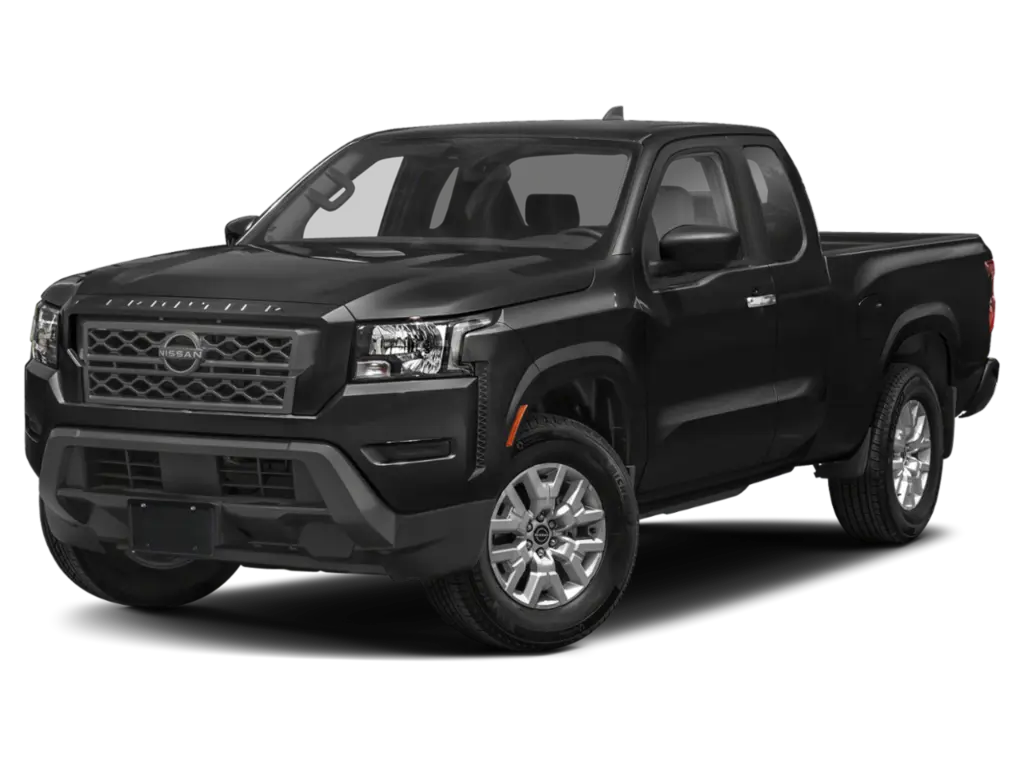
2020 Nissan Frontier
Reliability: 78/100
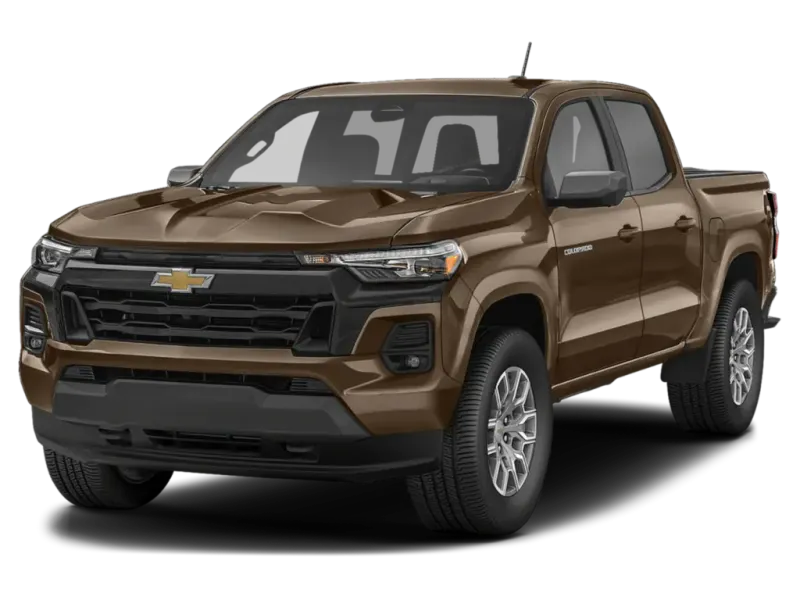
2020 Chevrolet Colorado
Reliability: 81/100
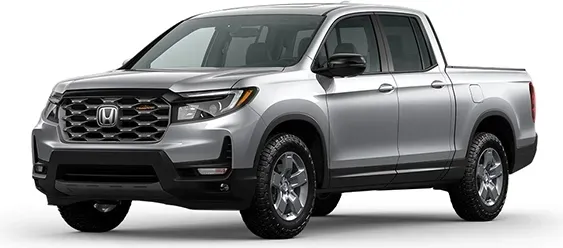
2020 Honda Ridgeline
Reliability: 70/100
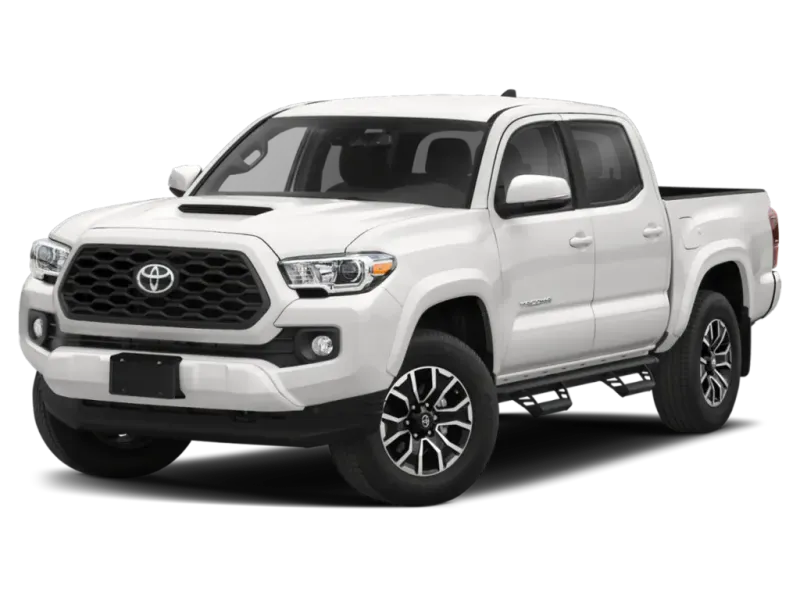
2020 Toyota Tacoma
Reliability: 65/100
Common Problem Categories
Safety
LOW RISK- 7 manufacturer recalls issued
Other
HIGH RISK- POWER TRAIN (37)
- ELECTRICAL SYSTEM (9)
Recall Overview
7
recalls on record
The 2020 Ford Ranger has 7 recalls on record, which is above average. A high count can flag multiple component concerns, though it also shows the manufacturer is actively addressing known issues.
NHTSA.gov →Complaint Breakdown
10.7
per 10,000 soldSegment avg: 11.9
Safety Incidents
6
Crashes
1
Fires
6
Injuries
0
Deaths
NHTSA 4/5 Stars
Data sourced from NHTSA complaint filings and manufacturer recall notices. Complaint narratives are owner-reported.
2020 Ford Ranger Recall Details
7 recalls have been issued for the 2020 Ford Ranger. All recall repairs are performed free of charge at authorized dealerships.
EQUIPMENT
Ford Motor Company (Ford) is recalling certain 2016-2019 Lincoln MKC, 2016-2023 Explorer, 2019-2020 Fusion, 2019-2024 Ranger, 2020-2022 Lincoln Corsair, Escape, 2021-2024 Bronco, Bronco Sport, and 2022-2024 Maverick vehicles. The engine block heater may crack and develop a coolant leak, causing it to short circuit when the block heater is plugged in.
Consequence
An electrical short circuit can increase the risk of a fire.
Remedy
Owners are advised not to plug in their block heater until the vehicle is remedied. Dealers will replace the block heater, free of charge. Interim letters, notifying owners of the safety risk, were mailed December 3, 2025. Additional letters will be sent once the final remedy is available, anticipated February 2026. Owners may contact Ford customer service at 1-866-436-7332. Ford's number for this recall is 25SA4. Vehicle Identification Numbers (VINs) involved in this recall became searchable on NHTSA.gov on October 15, 2025.
BACK OVER PREVENTION
Ford Motor Company (Ford) is recalling certain 2018-2022 Transit Connect, 2019-2020 MKZ, MKX, Edge, Continental, F-150, Nautilus, Fusion, 2019-2023 Ranger, Mustang, 2020-2021 EcoSport, Expedition, Navigator, 2020-2022 Escape, F-250 SD, Corsair, 2020-2023 Aviator, Transit, 2020-2024 Explorer, 2021-2024 Bronco Sport, and 2022-2024 Maverick vehicles. A software error may cause the rearview camera to display a blank image, or the image may remain on the display after the backing event has ended.
Consequence
A rearview camera that displays a blank image can reduce the driver's view behind the vehicle. A rearview image that continues to be displayed after the vehicle is shifted out of reverse may distract the driver. Both of these situations can increase the risk of a crash.
Remedy
Dealers will update the rearview camera software, free of charge. Owner notification letters were mailed September 4, 2025. Owners may contact Ford customer service at 1-866-436-7332. Ford's number for this recall is 25S72.
EQUIPMENT
Ford Motor Company (Ford) is recalling certain 2022-2023 Bronco, 2023 Super Duty F-250, and 2019-2023 Ranger vehicles. The Tire and Loading Information (TREAD) label states the incorrect load carrying capacity, which can result in an overloaded vehicle. As such, these vehicles fail to comply with the requirements of Federal Motor Vehicle Safety Standard number 110, "Tire Selection and Rims."
Consequence
An overloaded vehicle increases the risk of a crash.
Remedy
Ford will mail a new TREAD label to install over the existing label, free of charge. Owners will also have the option to take their vehicle to a Ford or Lincoln dealer to have the new label installed, free of charge. Owner notification letters were mailed July 21, 2023. Owners may contact Ford customer service at 1-866-436-7332. Ford's number for this recall is 23C18.
Buying a used 2020 Ford Ranger? Check its history first
Every 2020 Ford Ranger has a different past. A VIN check reveals hidden accidents, title problems, odometer rollbacks, and open recalls that reliability scores can't show you.
- Accidents
- Open Recalls
- Title History
- Odometer Rollback
2020 Ford Ranger NHTSA Safety Ratings
Overall Safety Rating
Crash Test Results by Configuration (expand)
Gas Powertrain
Rollover risk: 25.6%
Safety Technologies
Ford RangerRepair Costs & Maintenance
Maintenance Rating
4Maintenance rating: 4 out of 5Based on NHTSA complaint patterns, recall severity, and publicly available cost benchmarks.
Est. Annual Maintenance
$615
vs $548 avg for midsize trucks
vs $652 avg for all vehicles
Repair Frequency
0.2
unscheduled repair visits per year
Severe Repair Probability
12%
chance of a major repair
Annual Cost Comparison
Category-level averages derived from publicly available industry reports (AAA, CarMD). Model-level estimates produced by Auto Reliability Index.
Ford Ranger Resale Value
The Ford Ranger is estimated to retain about 99.7% of its original value after 1 year, based on observed used-car listings.
This benchmark covers the Ford Ranger model overall and is not specific to the 2020 model year.
- Value Retained
- 99.7%
- Depreciation
- 0.3%
- Listings Analyzed
- 102
after 1 year
over the same period
U.S. used-car listings
Listings observed in . This is a historical market benchmark, not a current price quote.
Explore Ford Ranger depreciation and resale value on CarResaleValue.comMPG & Annual Running Costs
Gas
18–23 MPG
Running cost: $3,200–$3,900/yr
Fuel + repair
19–21 city / 18–26 hwy MPG
Running cost includes EPA fuel-cost estimate and independent repair-cost data (repair cost estimated at model level). Excludes routine maintenance, depreciation, and insurance. Data as of 2020 EPA label cycle.
Gas trims
| Trim | Drive | Trans. | City | Hwy | Comb | Fuel Cost |
|---|---|---|---|---|---|---|
| Ranger 2WD 2.3L 4-cyl | Rear-Wheel Drive | Automatic (S10) | 21 | 26 | 23 | $2,600 |
| Ranger 4WD 2.3L 4-cyl | Part-time 4-Wheel Drive | Automatic (S10) | 20 | 24 | 22 | $2,700 |
| Ranger 2WD Incomplete 2.3L 4-cyl | Rear-Wheel Drive | Automatic (S10) | 19 | 18 | 18 | $3,300 |
Used Buying Checklist
Key things to inspect or verify before purchasing a 2020 Ford Ranger.
Check for transmission shudder or hard shifting during test drive
Inspect rear leaf springs for rust or breakage
Verify all exterior lights function properly, especially taillights
Test brakes for softness or excessive pedal travel
Ensure rearview camera operates without freezing or distortion
Check for any unusual engine noises or misfires
2020 Ford Ranger Common Problems by Component
109 owner complaints grouped by vehicle system.
POWER TRAIN
37 complaintsOwners of the 2020 Ford Ranger frequently report issues with the 10-speed 10R80 transmission, with symptoms including slipping, hard shifting, and delayed gear engagement. Complaints often describe problems such as the transmission revving without movement, rough jolts when shifting, and lag during acceleration, particularly from a stop. These issues commonly emerge around 40,000 to 80,000 miles, with some experiencing difficulties as early as 5,000 miles. Safety implications are noted, as several owners mention hesitation during acceleration that could lead to potential rear-end collisions and sudden speed changes that could affect control. Prospective buyers should be aware that these transmission issues are reported across various mileage ranges and may require expensive repairs or replacements.
ELECTRICAL SYSTEM
9 complaintsOwners of the 2020 Ford Ranger frequently report issues with the vehicle's electrical system, particularly related to the Accessory Protocol Interface Module (APIM) and audio control module (ACM). Common symptoms include malfunctioning rearview cameras, persistent interior lighting that drains the battery, and incorrect or failed center display information. Several complaints mention these issues occurring around 13,000 to 20,000 miles. Additionally, some owners experience intermittent headlight failures and door ajar alerts, which can occur after hitting bumps. While there are no reports of crashes or fires, these electrical issues can lead to loss of electrical power and potential safety risks if not addressed.
SERVICE BRAKES
8 complaintsSafety-relatedOwners of the 2020 Ford Ranger frequently report issues with the service brakes, often describing symptoms such as soft brake pedals and excessive pedal travel, which can lead to a feeling of air in the brake line. Some owners experience unintended acceleration when applying the brakes, with at least two instances leading to crashes, one resulting in an injury. These issues are reported at various mileages, with some occurring as early as 1,242 miles. Additionally, there are complaints about the pre-collision assist and adaptive cruise control systems failing to function as expected, contributing to rear-end collisions. Safety implications include crashes and potential loss of control, which prospective buyers should consider.
ENGINE (6 complaints)
ENGINE
6 complaintsOwners of the 2020 Ford Ranger frequently report engine misfires and loss of power, often linked to water intrusion in the engine components such as spark plugs and ignition coils. Complaints commonly describe symptoms like unintended surging, hesitation, and violent shaking, with some instances occurring around 20,000 to 38,000 miles. Several owners note issues with water entering the throttle body and spark plug wells, resulting in engine misfires and power reduction. Safety implications include sudden deceleration, which could pose a risk of collision, although no crashes are reported. Additionally, there are mentions of fuel dilution in engine oil and persistent engine rattling noises, with some owners expressing concerns about potential resale impact.
VEHICLE SPEED CONTROL (5 complaints)
VEHICLE SPEED CONTROL
5 complaintsSafety-relatedOwners of the 2020 Ford Ranger frequently report issues related to vehicle speed control, particularly involving unintended acceleration and lack of throttle response. Complaints describe instances where the vehicle accelerates independently, often when the brake pedal is unresponsive, leading in some cases to crashes and injuries. These incidents are reported at various mileage points, including as low as 5,000 miles and as high as 38,000 miles. Additionally, there are reports of the cruise control system disengaging without warning, requiring manual re-engagement. Safety implications are significant, with two reported crashes and three injuries, highlighting potential risks for loss of control.
AIR BAGS (3 complaints)
AIR BAGS
3 complaintsSafety-relatedOwners report significant issues with the airbag system in the 2020 Ford Ranger, including non-deployment during crashes. Two incidents involve crashes where airbags failed to deploy, resulting in injuries and substantial vehicle damage. One owner describes persistent airbag warning lights, linked to electrical malfunctions affecting other systems like gauges and interior lights, with issues recurring even after dealership repairs. These complaints suggest potential safety risks, as airbags do not deploy during collisions, and electrical problems may indicate broader system faults. Buyers should be aware of these reports, particularly for vehicles with similar timelines or symptoms.
ENGINE AND ENGINE COOLING (2 complaints)
ENGINE AND ENGINE COOLING
2 complaintsSafety-relatedOwners of the 2020 Ford Ranger report issues related to engine and engine cooling, with two distinct problems identified. One owner describes a severe incident where the vehicle spontaneously caught fire while parked, resulting in a total loss, with the fire originating under the hood at approximately 24,500 miles. Another owner reports engine stalling accompanied by a check engine light at around 50,000 miles, attributed to coolant intrusion affecting the spark plugs. This issue required diagnostic attention and suggested the need for spark plug replacement and installation of an engine appearance shield. Safety implications are significant, particularly with the fire incident, which underscores the importance of thorough inspection for potential buyers.
STEERING (2 complaints)
STEERING
2 complaintsOwners of the 2020 Ford Ranger report issues related to steering, specifically noting vibrations and shimmying. Complaints frequently mention steering wheel shimmy at highway speeds, with one owner experiencing this at 60 mph, which caused a startling reaction while passing a school bus. Another owner describes a vibration throughout the cab that initially occurred only at 70 mph after warm-up but later began happening at all speeds as temperatures rose. These issues are reported at mileages around 36,000 to 42,770 miles. Safety concerns arise from the potential for loss of control due to the severity of the steering shimmy, as indicated by the owner's reaction during the incident.
FUEL/PROPULSION SYSTEM (2 complaints)
FUEL/PROPULSION SYSTEM
2 complaintsOwners of the 2020 Ford Ranger report issues related to the fuel/propulsion system, primarily involving unusual fuel consumption and fuel leaks. One owner describes the vehicle jerking and skipping when driving between 40 and 45 miles per hour, accompanied by increased fuel usage. Another owner reports a strong gasoline odor and a significant fuel leak, attributed to rodent damage to the fuel line. This incident highlights a potential vulnerability in the fuel line, though no mileage range is specified for these issues. Safety implications include the risk of fire, as noted in the report of gasoline pouring from the vehicle. These complaints suggest that prospective buyers should inspect the fuel system for any signs of damage or leaks.
FORWARD COLLISION AVOIDANCE (2 complaints)
FORWARD COLLISION AVOIDANCE
2 complaintsOwners of the 2020 Ford Ranger report issues with the forward collision avoidance system, particularly involving erratic warnings and system faults. Commonly described symptoms include random "imminent collision warning" alerts and messages indicating "front camera fault service required" or "pre-collision assist not available," often accompanied by an abnormal chiming sound. These issues typically occur around 21,000 miles or during moderate-speed driving in dry conditions. Safety implications include the temporary disabling of safety features, though no reports of crashes or loss of control are mentioned. Potential buyers should be aware of these issues, as they may require dealership visits for diagnosis and repairs.
When Do 2020 Ford Ranger Problems Start?
Based on owner complaint patterns, here's when common issues tend to appear.
Best & Worst Ford Ranger Years
Comprehensive reliability analysis based on NHTSA data, owner complaints, and historical performance.
Best Ford Ranger Years to Buy
Based on reliability index scoreThe best Ford Ranger year is 2026 with a reliability score of 83/100, rated excellent. Other strong picks include 2022 (75/100) and 2025 (74/100).
Ford Ranger Years to Avoid
The worst Ford Ranger year is 2019 with a score of 64/100, primarily due to power train (76) issues.
Ford Ranger Reliability Score Trend
Ford Ranger reliability has remained consistent across model years, averaging 73/100.
Scores 0–100. Higher is better. Current year highlighted.
| Year | Score | Rating |
|---|---|---|
| 2019 | 64/100 | Good |
| 2020 | 71/100 | Good |
| 2021 | 72/100 | Good |
| 2022 | 75/100 | Good |
| 2023 | 73/100 | Good |
| 2024 | 72/100 | Good |
| 2025 | 74/100 | Good |
| 2026 | 83/100 | Excellent |
Ford Ranger Reliability Compared to Other Years
Frequently Asked Questions
Is the 2020 Ford Ranger reliable?
What are the most common problems with the 2020 Ford Ranger?
How many recalls does the 2020 Ford Ranger have?
Is the 2020 Ford Ranger expensive to maintain?
Don’t buy a 2020 Ford Ranger without checking its VIN first — hidden accidents, title issues, and open recalls could cost you thousands.
How We Calculate Reliability Scores
Auto Reliability Index scores are calculated on a 0–100 scale using a weighted formula that combines multiple public data sources. Each factor is weighted based on its predictive value for real-world ownership experience.
Key Ranking Factors
Complaint Severity
NHTSA owner complaints weighted by component category (e.g., powertrain, safety systems, electronics, cosmetic) — safety-critical issues carry more weight than cosmetic ones. Adjusted for sales volume so high-volume models aren't unfairly penalized.
Repair Costs
Independent reliability ratings based on repair frequency, average repair costs, and severity of typical repairs for each model.
Recall Impact
Number of NHTSA recalls weighted by severity. “Stop driving” and fire-risk recalls are penalized more heavily than minor software or labeling recalls.
Issue Diversity
Measures how many major vehicle systems (engine, transmission, electrical, braking, etc.) have recorded complaints. A vehicle with issues spread across many systems may indicate systemic quality issues.
Scores are grouped into four tiers:
- 80–100: Excellent— Top-tier reliability, minimal issues
- 60–79: Good— Reliable with some minor concerns
- 40–59: Mixed— Notable issues, research before buying
- 0–39: Risky— Significant problems, proceed with caution
Data is sourced from NHTSA recall records, owner complaint filings, and independent repair databases via vehicles.dev. Scores are recalculated as new data becomes available. While the weighting model is proprietary, all underlying data sources are public and traceable.
Get notified when new recalls or reliability data is added for the Ford Ranger.
No spam. Only data updates for this model.
Browse More Ford Models
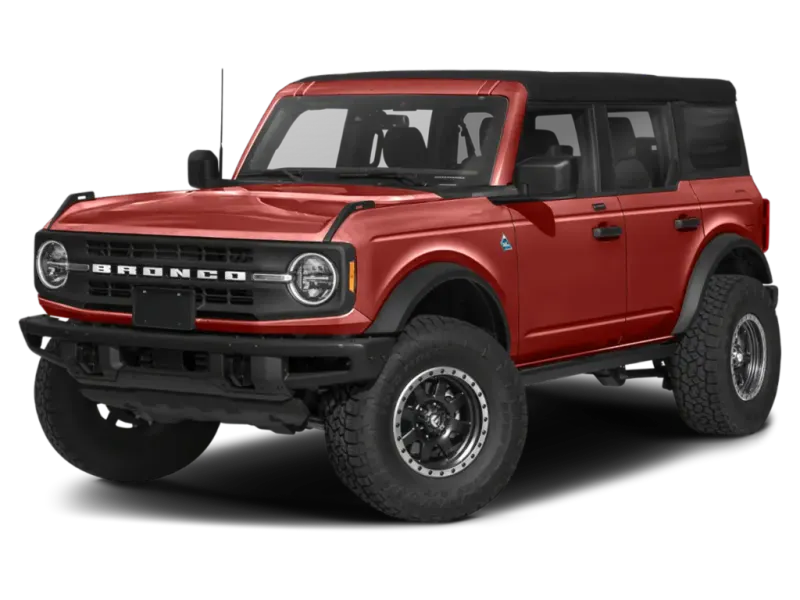
Ford Bronco
Score: 59/100
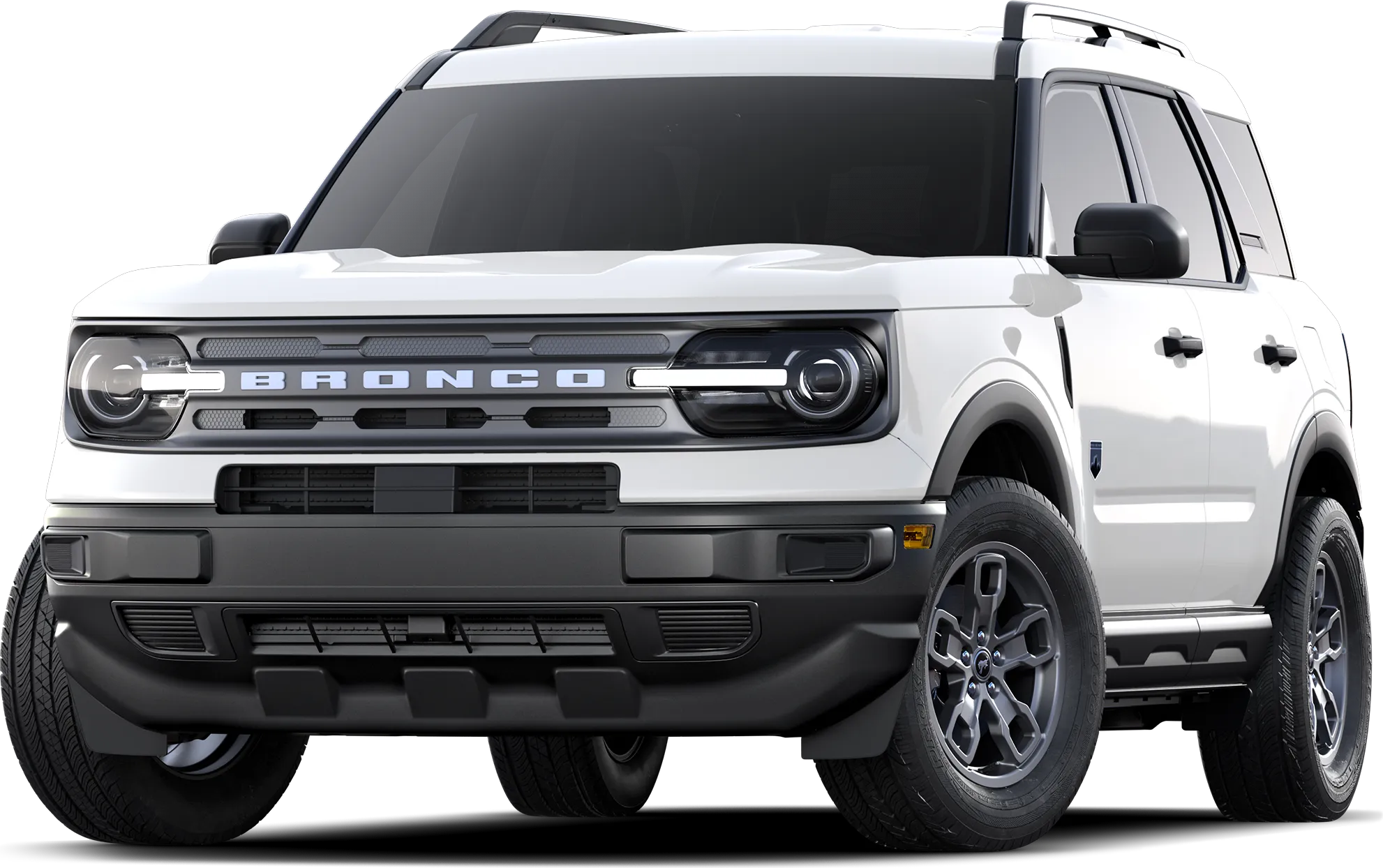
Ford Bronco-Sport
Score: 77/100
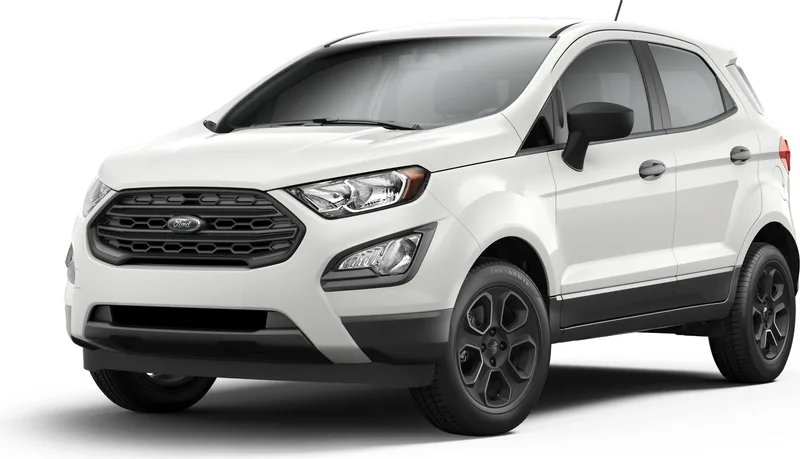
Ford Ecosport
Score: 74/100
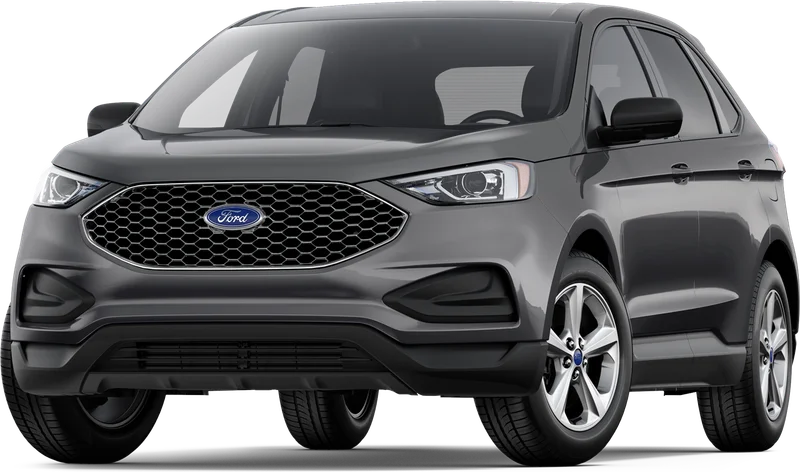
Ford Edge
Score: 76/100
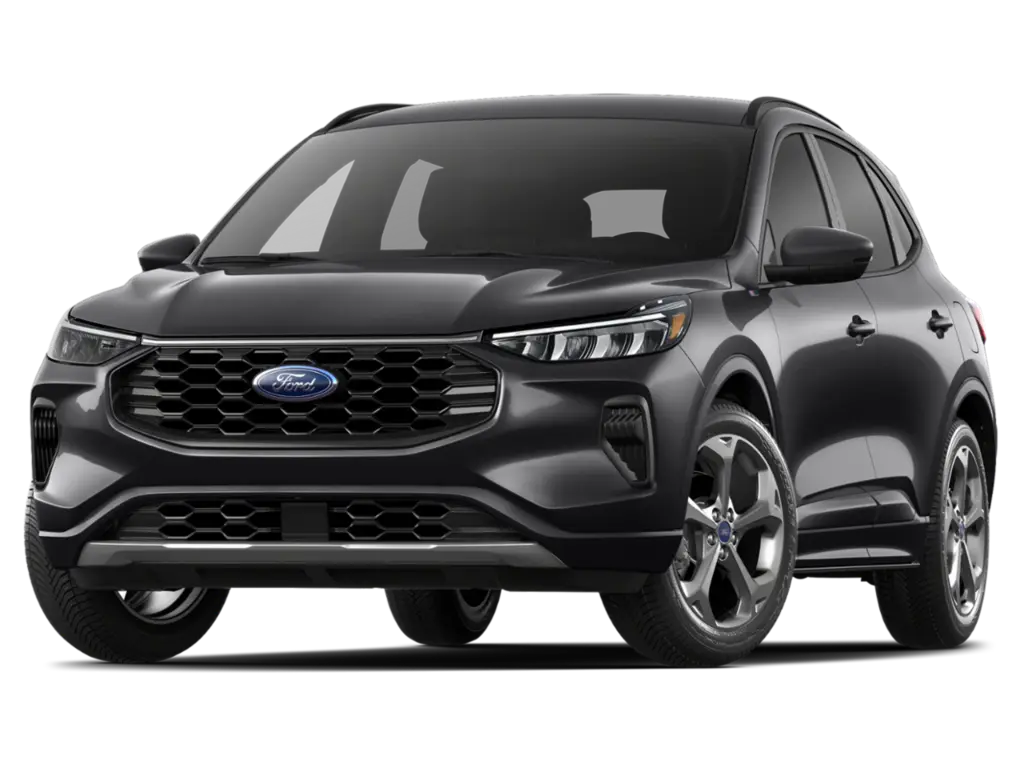
Ford Escape
Score: 77/100
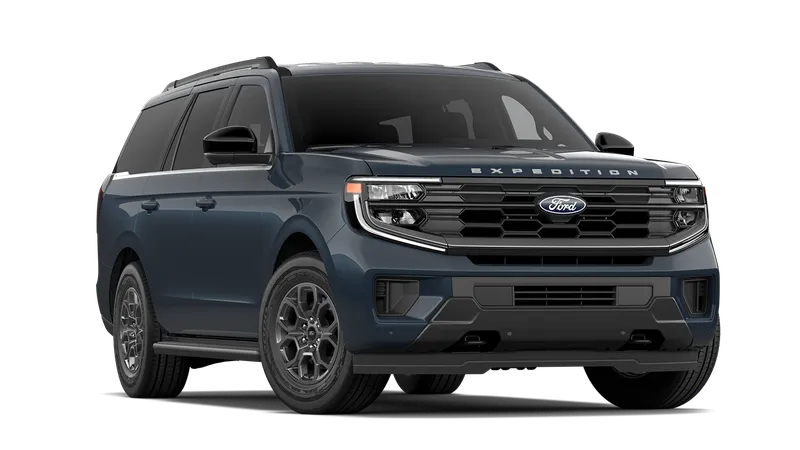
Ford Expedition
Score: 71/100
Browse More 2020 Vehicles
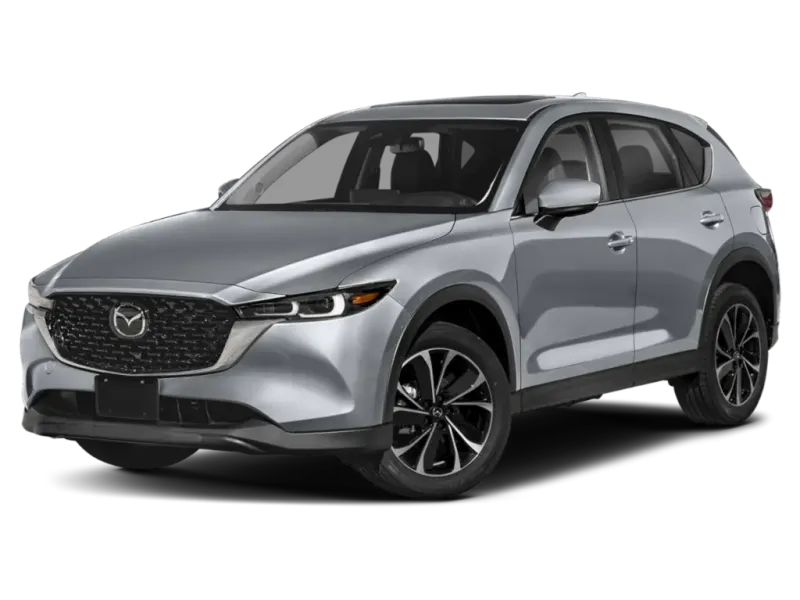
2020 Mazda CX-5
Score: 86/100
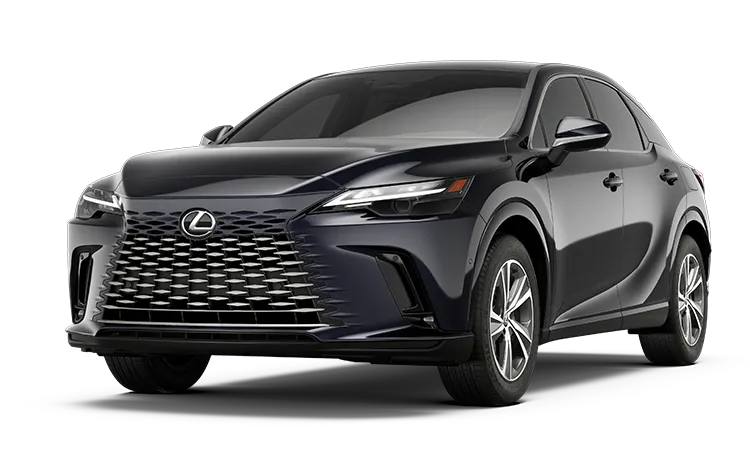
2020 Lexus RX
Score: 86/100
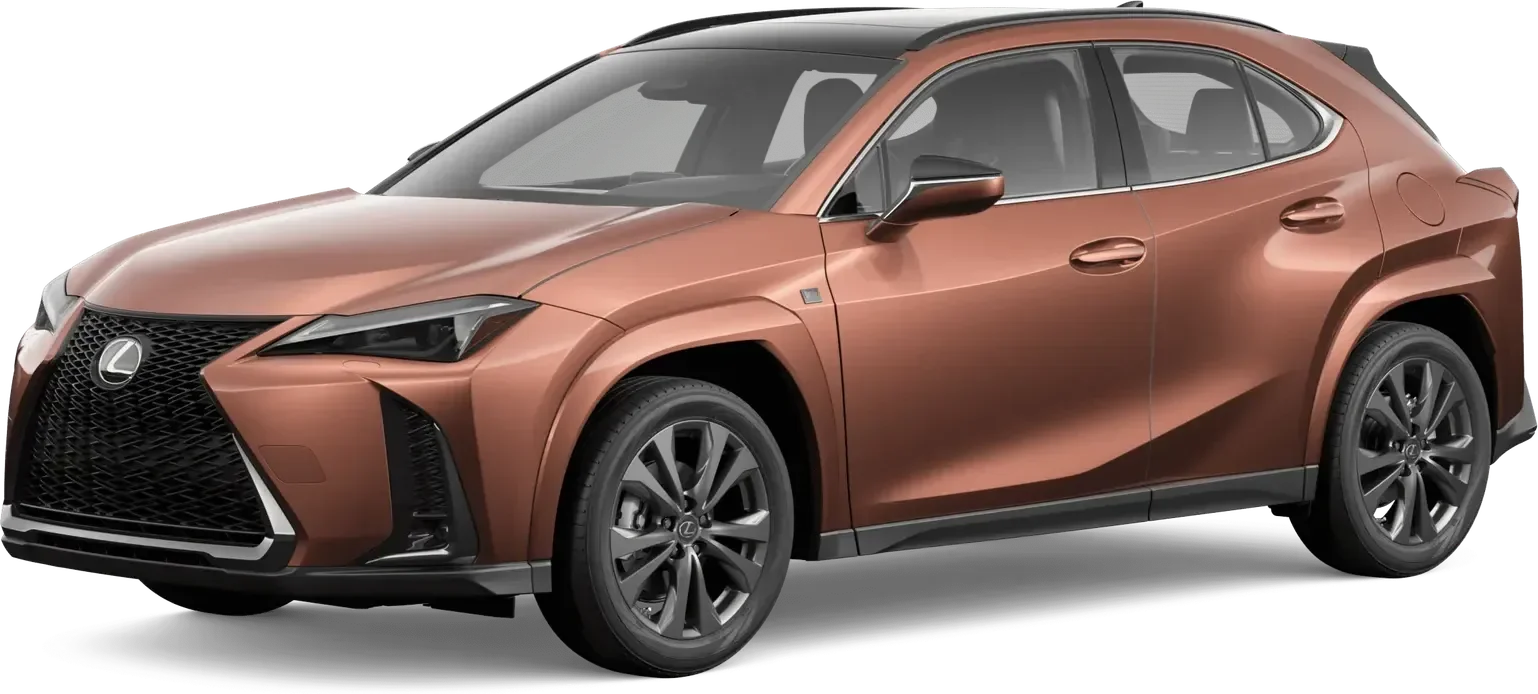
2020 Lexus UX
Score: 84/100
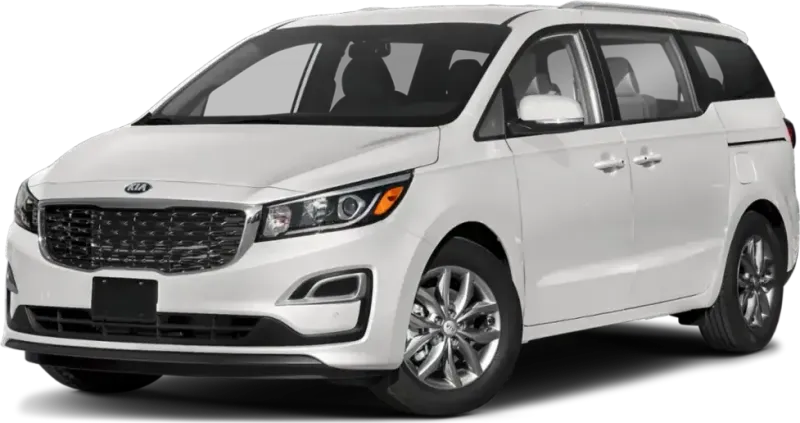
2020 KIA Sedona
Score: 83/100
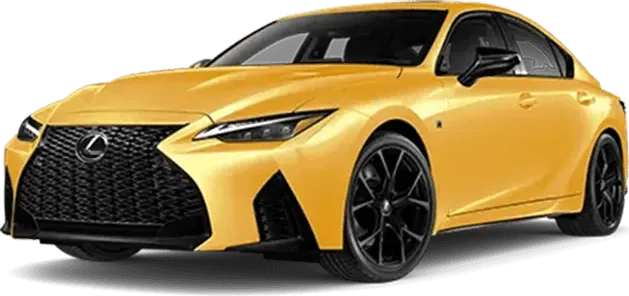
2020 Lexus IS
Score: 83/100
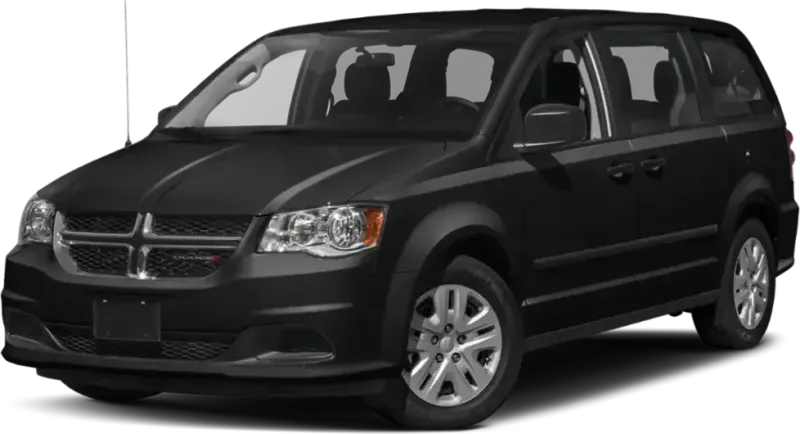
2020 Dodge Grand-Caravan
Score: 83/100
See incorrect data? Report an issue