Last updated: 2026-11-20
Ford Flex vs Toyota Highlander: Reliability Compared
 Ford Flex
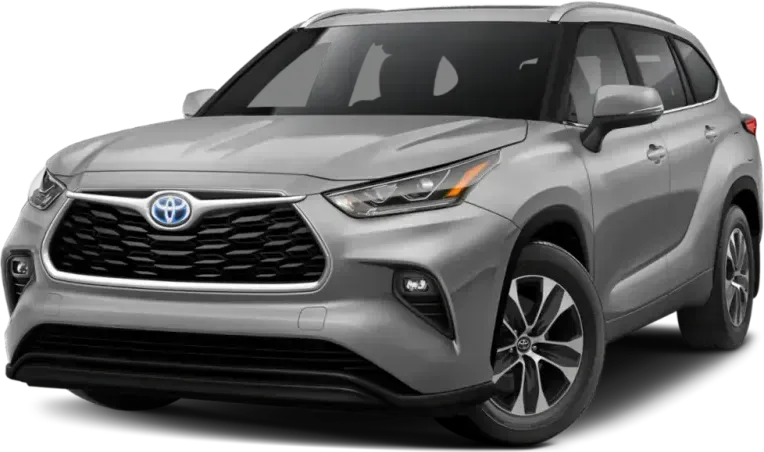 Toyota Highlander
The Highlander takes 5 of 6 rounds
The Toyota Highlander comes out well ahead of the Ford Flex on reliability. Owners filed far fewer complaints against the Highlander for the number sold, and it costs less to repair each year. The Flex's main trouble is camera, steering, and fuel pump failures that often wait on parts.
How Do the Ford Flex and Toyota Highlander Generations Compare?
Verdict
The Toyota Highlander is more reliable than the Ford Flex, scoring 73/100 vs 61/100.
The more reliable used SUV here is the Toyota Highlander, and the gap is large. Owners filed far fewer complaints per vehicle sold, and independent repair-cost data shows lower yearly costs. The Highlander still has serious weak spots, including an 8-speed automatic that whines before failing and a brake booster vacuum pump that can drop power assist. The Flex's troubles come with a different burden: dealers often lacked repair parts, so owners waited months. Lower complaint volume and lower costs decide it.
Biggest gaps
- Toyota Highlander has 70.5 fewer complaints per 10k sold
- Ford Flex has 16 fewer total recalls
- Toyota Highlander costs $224 less per year to repair
Round by round
- Reliability ScoreHighlander
- Total RecallsFlex
- Complaint RateHighlander
- Annual Repair CostHighlander
- Repair FrequencyHighlander
- Major Repair RiskHighlander
Leaning Ford Flex or Toyota Highlander? Check the exact car before you buy
Whichever wins on paper, the car in front of you has its own past. A VIN check shows its accidents, title history and any open recalls.
Ford Flex vs Toyota Highlander: Which Is More Reliable?
| Metric | Ford Flex | Toyota Highlander |
|---|---|---|
| Reliability ScoreOut of 100, higher is better | 61/100 | 73/100 |
| Years Tracked | 7 | 9 |
| Total RecallsLower is better | 28 | 44 |
| Complaints per 10k SoldLower is better | 85.4 | 14.9 |
| Annual Repair CostLower is better | $713/yr | $489/yr |
| Repair FrequencyUnscheduled shop visits a year | 0.4/yr | 0.3/yr |
| Major Repair RiskChance a repair is major | 14% | 13% |
| Year WinsModel years with the higher score | 0 | 2 |
What Are the Common Problems With the Ford Flex and Toyota Highlander?
Severity separates the two profiles. The Highlander's worst reports involve the 8-speed automatic, which whines, shifts hard, and enters limp mode, with dealer quotes of $8,000 or more. Brake power assist can vanish without warning. Its air bag category has 49 crash-linked complaints, mostly airbags that did not deploy in serious collisions. The Flex centers on backup cameras that go blank, steering assist that cuts out, loose B-pillar trim, and fuel pump stalling. Its crash links are few: 7 in electrical, 3 in steering, 2 in structure, and none in camera or fuel complaints. Unavailable repair parts run through many Flex filings.
| Ford Flex | Problem area | Toyota Highlander |
|---|---|---|
15.9 | Electrical | 0.7 |
13.4 | Steering | <0.1 |
12.9 | Backup camera | 0 |
7.6 | Body and structure | 1.2 |
5.8 | Fuel system | 1.1 |
1.3 | Transmission | 4.6 |
3.7 | Engine | 0.8 |
4.0 | Suspension | 0 |
0.2 | Brakes | 1.5 |
0.7 | Airbags | 1.0 |
1.3 | Stability control | 0 |
0.9 | Door latches and locks | 0 |
0.6 | Wipers and visibility | <0.1 |
0.2 | Acceleration and cruise control | 0.1 |
0 | Seats | 0.3 |
0.2 | Lane keeping | 0 |
0.1 | Wheels and tires | <0.1 |
0.1 | Seat belts | <0.1 |
0 | Automatic emergency braking | <0.1 |
8.7 | Other or unspecified | 1.6 |
Complaints per 10,000 units sold, aggregated across all tracked model years from NHTSA owner reports. Shorter bars mean fewer complaints.
Ford Flex problem guides
Which Is Cheaper to Maintain: Ford Flex or Toyota Highlander?
How Does Ford Flex vs Toyota Highlander Reliability Compare by Year?
| Year | Ford Flex | Toyota Highlander | Edge |
|---|---|---|---|
| 2019 | 60/1004 recalls · 265 complaints | 68/1003 recalls · 520 complaints | Highlander+8 |
| 2018 | 67/1003 recalls · 69 complaints | 71/1005 recalls · 283 complaints | Highlander+4 |
Best years to cross-shop: The 2018 Ford Flex scored 67/100 and the 2018 Toyota Highlander scored 71/100, the strongest shared model years that have been on the road for at least two years, where available.
Who Should Buy the Ford Flex vs the Toyota Highlander?
Team HighlanderPick the Highlander if you want lower running costs and fewer complaints per vehicle sold. It suits you if you plan to keep the car for years. Avoid 2019 and 2021, the weakest years. The newest years rank strongest, but they have had less time to collect complaints, so do not treat that as proof. Before buying, listen for a whine between 25 and 45 mph, ask whether the brake booster vacuum pump has been replaced, and confirm whether the VIN is covered by any Toyota support program.
Team FlexPick the Flex if you are comfortable with some repair risk and want a three-row SUV with a good standing. Target 2017 and 2018, its strongest years, and avoid 2013 and 2014. Test the backup camera on every drive, check the B-pillar trim and door keypad, and ask whether the fuel pump or steering rack has been replaced. Check for open recall work first, since owners reported waiting a year or more for camera parts.
Ford Flex vs Toyota Highlander: Common Questions
- Is the Toyota Highlander more reliable than the Ford Flex?
- Yes, by a large gap. The Highlander drew 14.9 complaints per 10,000 sold, against 85.4 for the Flex. It also costs less per year to repair and needs fewer shop visits. Its transmission and brake booster problems are serious, though, so check those before buying.
- Which has more recalls, the Highlander or the Flex?
- The Highlander has more on paper: 44 recalls across 9 model years, against 28 across 7 for the Flex. The Highlander also has two more model years in the data. The Flex's recall issue is different, since owners say camera repair parts were unavailable for a year or more.
- Which costs less to repair, the Highlander or the Flex?
- The Highlander costs less. Independent repair-cost data puts it at $489 a year, against $713 for the Flex. Over five years that is about $1,120 saved. The Highlander also averages 0.3 unscheduled shop visits a year, compared with 0.4 for the Flex.
- What is the most common Ford Flex problem?
- Electrical faults lead, with 266 complaints. The backup camera cuts out, strobes, goes blank, or shows an inverted image, with first failures around 25,000 miles. A separate back over prevention category adds 171 camera complaints. Owners say dealers often lacked parts, so repairs can take months.
- What goes wrong with the Toyota Highlander transmission?
- Owners describe a high-pitched whine from the 8-speed automatic, often between 25 and 45 mph. Hard shifts, slipping, and limp mode follow. Failures range from 39,000 to 136,000 miles, and dealer quotes reach $8,000 or more. Some owners say their VIN fell outside a Toyota support program despite the same symptoms.
Related Reliability Comparisons
More Ford Flex comparisons
Decided between Ford Flex and Toyota Highlander? Run a VIN check before you buy — uncover hidden accidents, title issues, and open recalls.
How we score the Ford Flex and Toyota Highlander
Scores weight complaint severity at 35%, repair costs at 30%, recall impact at 20%, and the spread of complaints across systems at 15%, with complaint counts adjusted for US sales. Read the full methodology.
See incorrect data? Report an issue