Last updated: 2026-11-19
Engine & powertrain
Ford Escape Fuel System Problems
Ford Escape fuel system complaints center on failing purge valves and a recalled fuel injector that can leak fuel under the hood.
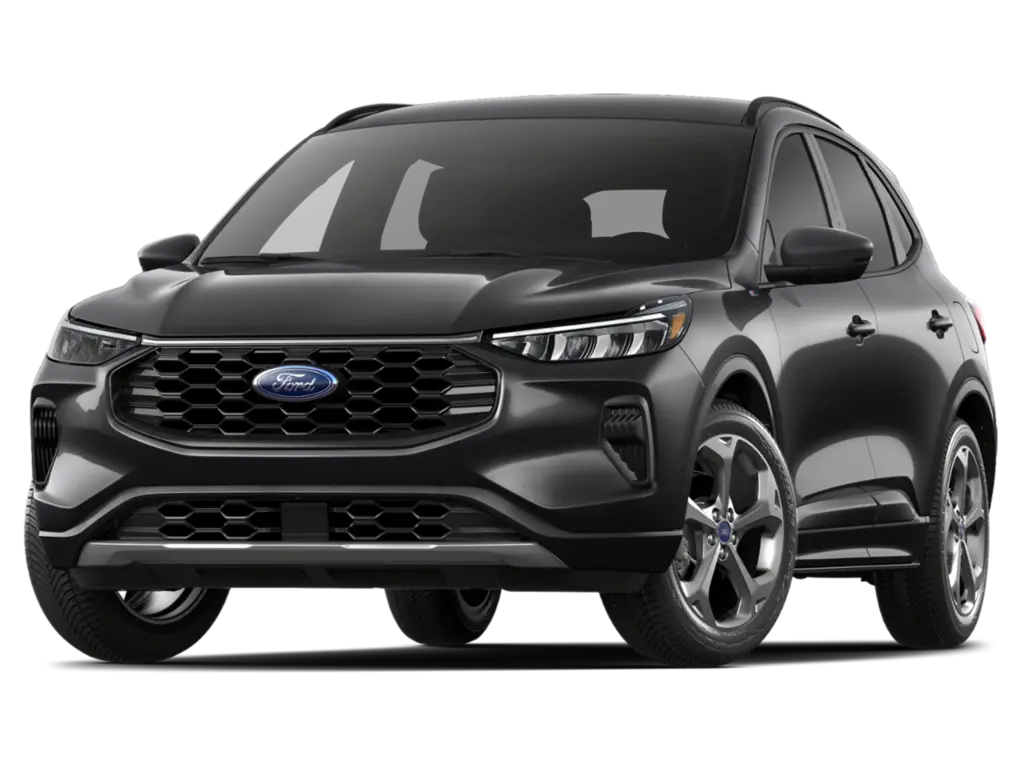
- Owner complaints
- 281
- Share of all complaints
- 6%
- Crash / fire / injury reports
- 0 / 5 / 1
- Related recalls
- 5
Ford Escape fuel system complaints by model year
The 2020 model year has the most fuel system complaints by a wide margin, and it also has the highest rate per vehicle sold. The 2022 year is second. The 2018 year has a moderate number, and 2019 has few. The 2023 through 2026 years show very little, but they are newer and have had less time to collect complaints, so that is not proof they are trouble-free. The 2023 and 2024 years are covered by a recall for fuel injector O-rings.
| Model year | Complaints | Per 10,000 sold | Crash, fire, injury reports |
|---|---|---|---|
| 2018 | 27 | 1 | 0, 0, 0 |
| 2019 | 10 | 0.4 | 0, 1, 1 |
| 2020 | 156 | 8.7 | 0, 2, 0 |
| 2022 | 80 | 5.8 | 0, 1, 0 |
| 2023 | 4 | 0.3 | 0, 1, 0 |
| 2024 | 3 | 0.2 | 0, 0, 0 |
| 2025 | 1 | <0.1 | 0, 0, 0 |
| 2026 | 0 | 0 | 0, 0, 0 |
Owner complaints filed with NHTSA under fuel system, fuel/propulsion system, hybrid propulsion system. Newer model years have had less time to collect complaints.
What goes wrong
Two problems dominate. The first is the evaporative emissions system, especially the purge valve. Owners report a check engine light, rough idle, and a car that will not start right after refueling unless the pedal is pushed hard. Some describe stalling, hesitation, and loss of power. Others smell gasoline in the cabin. The second is a fuel injector that may crack and leak fuel inside the engine compartment. Federal recall records list five fuel system recalls, and most involve this injector on 1.5L engines. Many complaints are not about failures at all. Owners got a recall notice and then waited for parts.
The safety side is real. Complaints include five fire reports across several model years, with two front ends badly burned and one car destroyed. One report mentions an injury. No crashes are recorded in this area. Most cars stay drivable, but stalling at low speed and under-hood fires are the outcomes that matter.
Symptoms owners report
Purge valve failure
The check engine light comes on, the idle turns rough, and the car may refuse to start right after refueling. Owners and mechanics point to the evaporative emissions purge valve. Some also see slow fueling or fuel spitting back at the pump.
Stalling and power loss
Owners describe the engine stalling or pausing at low speed, with no response from the gas pedal. In one case it restarted after a minute or two. Others report hesitation, power surges, or a car that barely moves unless the pedal is pushed far down.
Fuel smell in the cabin
Gasoline fumes and burning odors show up in 2020 and 2022 complaints. One owner smelled gas, then saw smoke and flames from the engine area. A sulfur smell on the highway appears in a 2024 complaint.
Under-hood fire
Fires are reported in the 2019, 2020, 2022, and 2023 years. Two 2020 cars lost their front ends. A 2023 car, two weeks old, burned with no warning lights. In one 2019 case the cause was never determined.
Recurring evap codes
Check engine lights tied to the evaporative system return after repairs. One 2022 owner had a control valve and hose replaced twice under warranty, then paid for another hose after the warranty ended.
Waiting on recall parts
Many 2020 and 2022 filers report no failure. They say dealers lacked parts for the recall repair, sometimes for months. Some owners say open recalls keep them from selling or trading in the car.
When the problems start
Purge valve failures show up early. One 2020 owner reports the problem at 27,500 miles, and other reports fall between about 27,500 and 33,335 miles. A 2022 owner had evaporative system repairs before 8k and 10k miles, and the same problem returned after the warranty ended. An odd startup odor appears near 45,000 miles in another 2022 complaint.
Repairs and recalls
Purge valve repairs are the common fix, and one owner paid $494. Several owners say the part was on back order. Evap hose and control valve replacements sometimes had to be repeated. The recalls are free of charge. Recalls 22V859000 and 24V187000 call for a software update with leak detection and a drain tube. Recall 25V467000 adds a new high pressure fuel rail and injector. Recall 25V165000 covers cars previously repaired incorrectly and calls for a software update. Recall 24V634000 replaces injector O-rings and support discs on certain 2023 and 2024 cars.
| Model years | Campaign | Problem |
|---|---|---|
| 2023, 2024 | 24V634000 | Ford Motor Company (Ford) is recalling certain 2023 Lincoln Corsair, 2023-2024 Escape, 2024 Mustang, and 2025 Explorer vehicles. The fuel injectors may have been assembled without O-ring support discs, which can result… |
| 2020, 2022, 2023 | 22V859000 | Ford Motor Company (Ford) is recalling certain 2020-2023 Escape and 2021-2023 Bronco Sport vehicles equipped with 1.5L engines. A fuel injector may crack and leak fuel inside the engine compartment. |
| 2020, 2022 | 25V467000 | Ford Motor Company (Ford) is recalling certain 2021-2024 Bronco Sport and 2020-2022 Escape vehicles equipped with 1.5L engines. A fuel injector may crack and leak fuel inside the engine compartment. |
| 2020, 2022 | 25V165000 | Ford Motor Company (Ford) is recalling certain 2020-2022 Escape and 2021-2023 Bronco Sport vehicles previously repaired incorrectly under recall numbers 22V-859 or 24V-187. A fuel injector may crack and leak fuel… |
| 2022 | 24V187000 | Ford Motor Company (Ford) is recalling certain 2022-2023 Bronco Sport and 2022 Escape vehicles equipped with 1.5L engines. A fuel injector may crack and leak fuel inside the engine compartment. |
Checking a used Escape for fuel system problems
- Run the VIN through NHTSA's recall lookup and confirm every fuel injector recall on 2020 to 2024 cars shows as completed, not just scheduled.
- Ask for dealer paperwork showing which recall remedy was done, especially on 2020 and 2022 cars with the 1.5L engine.
- Scan for stored evaporative emissions codes and ask whether the purge valve or vapor hose was ever replaced.
- Start the car, refuel it, then restart it. Watch for long cranking, rough idle, or hesitation on the first takeoff.
- Open the hood after a drive and look for fuel odor or wet spots near the injectors.
- Do not buy a car with an open fuel recall and no remedy date unless the price reflects the wait and the risk.
For the rest of the car, use a full Ford Escape inspection checklist.
5 fuel system recalls cover the Ford Escape. A VIN check shows whether the car you're looking at had its recall work done, plus accident and title history.
Ford Escape Fuel System Problems: common questions
- Which Ford Escape years have the most fuel system problems?
- The 2020 model year has the most complaints in this area, followed by 2022. The 2018 year has a moderate number and 2019 has few. Newer years show very few, but they have had less time to collect complaints.
- Is it safe to drive an Escape with a fuel system recall?
- The recalls say a fuel injector may crack and leak fuel in the engine compartment. Owners report fires in several model years. Contact a dealer or Ford customer service about the remedy, and ask how to drive the car until it is done.
- Which Escape recalls cover the fuel system?
- Federal records list five. Recalls 22V859000, 24V187000, 25V165000, and 25V467000 cover cracked fuel injectors on certain 1.5L cars, mainly 2020 to 2022. Recall 24V634000 covers missing injector O-ring support discs on some 2023 and 2024 cars. All repairs are free.
- How much does an Escape fuel system repair cost?
- Recall repairs cost nothing. Outside recalls, one owner reports $494 for a purge valve repair. Another paid for an evaporative hose after the warranty ended. Independent repair-cost data puts overall Escape repairs at about $600 a year.
- Why do owners say they cannot get the recall repair done?
- Many 2020 and 2022 owners report that dealers had no parts for the injector recall, or received them slowly. Some say this kept them from selling or trading in the car. Ask a dealer about parts before you buy.
Other Ford Escape problems
Engine & powertrain
Body & interior
Electrical & lighting
Brakes, steering & tires
More on the Ford Escape
See incorrect data? Report an issue