Last updated: 2026-10-10
Dodge Charger vs Kia K5: Reliability Compared
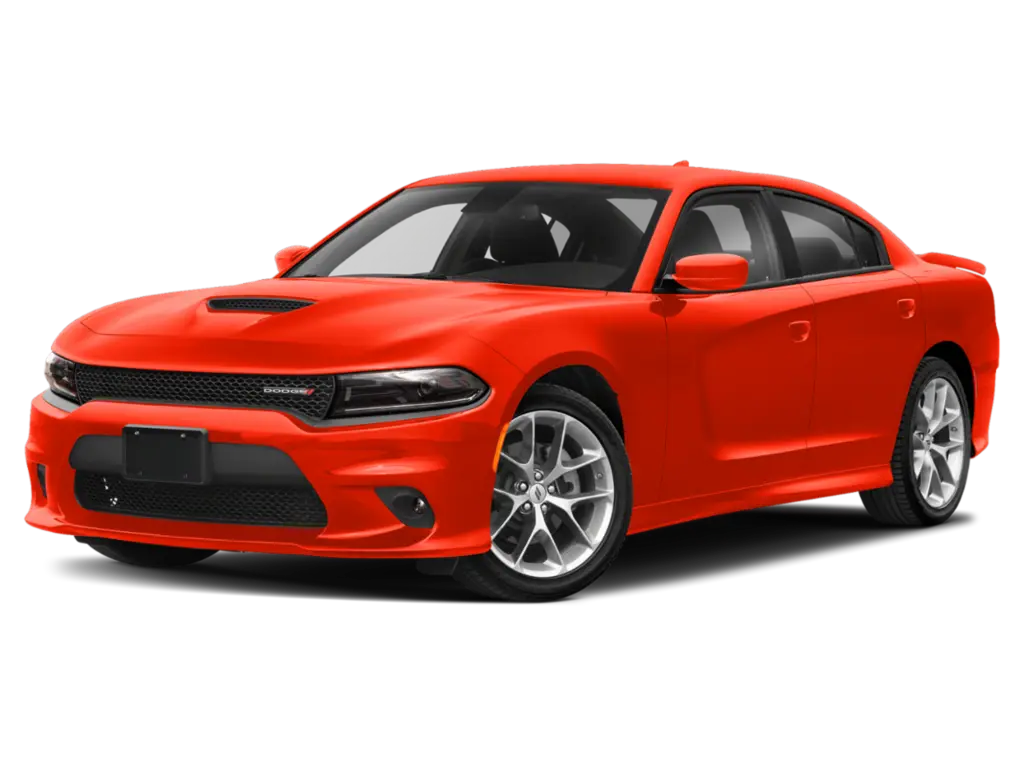
Dodge Charger
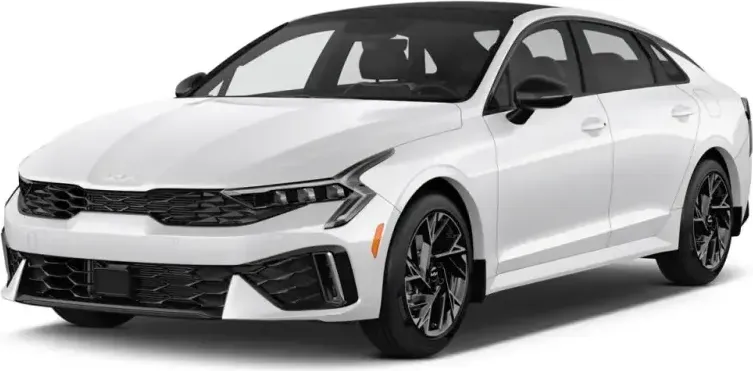
Kia K5
Reliability is effectively tied between the Dodge Charger and KIA K5, though the Charger draws far fewer complaints per car sold. Each has its own weak spot: Charger touchscreens fail and some airbags stayed stowed in crashes, while K5 fuel tanks can swell and leave cars undrivable.
How Do the Dodge Charger and Kia K5 Generations Compare?
Verdict
The Kia K5 is more reliable than the Dodge Charger, scoring 75/100 vs 74/100.
Effectively tied. Both cars hold a good standing, and each has logged about 370 owner complaints. The Charger files far fewer complaints per 10,000 sold, which helps it, but that gap is not enough to separate the two. What differs is the kind of trouble. The Charger's worst reports center on a failing touchscreen and peeling door panels. The K5's worst reports involve headlights cutting out, hard cold-start shifts, and swelling fuel tanks. Pick on the type of risk you can live with, not on a reliability winner.
Key Differences
- 1Dodge Charger has 8.0 fewer complaints per 10k sold
- 2Kia K5 has 5 fewer total recalls
- 3Kia K5 scores 1 points higher in reliability
Category Scoreboard
Dodge Charger vs Kia K5: Which Is More Reliable?
| Metric | Dodge Charger | Kia K5 |
|---|---|---|
| Reliability Score | 74/100 | 75/100 |
| Years Tracked | 9 | 6 |
| Total Recalls | 25 | 20 |
| Complaints per 10k Sold | 2.2 | 10.2 |
| Year Wins | 3 | 3 |
What Are the Common Problems With the Dodge Charger and Kia K5?
Electronics and trim dominate the Charger's complaints, while the K5's hit driving itself. The Charger's Uconnect touchscreen delaminates, registers phantom touches, and dealers quote over $2,000 to replace it. Door panels warp and pull away. Transmission and electric steering assist failures also appear. On the K5, headlights and the instrument cluster shut off while moving, shifts turn hard on the first cold drive, and fuel tanks swell with a bang and push the back seat up. Crash links differ too. The Charger has crash-linked airbag reports, including airbags that stayed stowed in a rollover and a pole impact. The K5 has a crash-linked structure report, which the Charger lacks.
| Component | Dodge Charger | Kia K5 |
|---|---|---|
| ELECTRICAL SYSTEM | 0.5Very Low | 1.7Low |
| POWER TRAIN | 0.1Very Low | 1.2Low |
| AIR BAGS | 0.6Very Low | 0.6Very Low |
| FUEL/PROPULSION SYSTEM | —None | 1.2Low |
| UNKNOWN OR OTHER | 0.2Very Low | 0.9Very Low |
| STRUCTURE | 0.1Very Low | 0.8Very Low |
| ENGINE | 0.1Very Low | 0.6Very Low |
| FUEL SYSTEM | —None | 0.6Very Low |
| STEERING | 0.1Very Low | 0.4Very Low |
| SERVICE BRAKES | 0.1Very Low | 0.1Very Low |
| SEATS | —None | 0.2Very Low |
| WHEELS | —None | 0.1Very Low |
| VEHICLE SPEED CONTROL | —None | 0.1Very Low |
| TIRES | —None | 0.1Very Low |
| VISIBILITY/WIPER | —None | 0.1Very Low |
| FORWARD COLLISION AVOIDANCE | —None | 0.1Very Low |
| LANE DEPARTURE | —None | 0.1Very Low |
| EXTERIOR LIGHTING | —None | —None |
| SUSPENSION | —None | —None |
| VISIBILITY | —None | —None |
Complaints per 10,000 units sold, aggregated across all tracked model years from NHTSA owner reports.
How Does Dodge Charger vs Kia K5 Reliability Compare by Year?
| Year | Dodge Charger | Kia K5 | Edge |
|---|---|---|---|
| 2026 | 82/1000R / 0C | 83/1001R / 2C | Kia K5 |
| 2025 | 71/1002R / 10C | 79/1002R / 29C | Kia K5 |
| 2024 | 73/1002R / 4C | 77/1002R / 20C | Kia K5 |
| 2023 | 76/1002R / 22C | 71/1004R / 81C | Dodge Charger |
| 2022 | 74/1003R / 11C | 69/1005R / 106C | Dodge Charger |
| 2021 | 76/1002R / 29C | 71/1006R / 132C | Dodge Charger |
Best years to cross-shop: The 2023 Dodge Charger scored 76/100 and the 2024 Kia K5 scored 77/100 — the strongest shared model years that have been on the road for at least two years, where available.
Who Should Buy the Dodge Charger vs the Kia K5?
Dodge Charger vs Kia K5: Common Questions
- Is the Dodge Charger more reliable than the KIA K5?
- Not clearly. Both earn a good standing and the comparison is effectively tied. Each has about 370 owner complaints, but the Charger's rate is 2.2 per 10,000 sold against 10.2 for the K5. The kinds of faults differ more than the totals do.
- Which has more recalls, the Charger or the K5?
- The Charger has more in total, with 25 recalls across 9 model years. The K5 has 20 across 6 model years. The Charger has simply been on sale longer in this comparison, so the totals are not a like-for-like measure.
- Which is cheaper to repair, the Charger or the K5?
- The data here cannot say. The Charger's estimated repair cost is $652 a year, with 0.2 unscheduled shop visits a year and a 15% chance a repair is major. Comparable repair-cost figures are not available for the K5, so no honest cost comparison is possible.
- What is the KIA K5 fuel tank problem?
- Owners report the fuel tank swelling while driving, often with a loud bang from the rear, pushing the back seat up. Warning signs include a check engine light, fuel smell, and a gauge that reads wrong. Dealers link it to a recall, but many cars sat undrivable for weeks.
- What goes wrong with the Dodge Charger touchscreen?
- The Uconnect 8.4 screen delaminates and registers phantom touches. It can change stations, adjust the climate controls, and place calls on its own. Navigation and the backup camera can freeze. Failures often appear right after the 3-year warranty ends, and dealers quote over $2,000 to replace the unit.
Related Reliability Comparisons
More Dodge Charger comparisons
Decided between Dodge Charger and Kia K5? Run a VIN check before you buy — uncover hidden accidents, title issues, and open recalls.
How we score the Dodge Charger and Kia K5
Scores weight complaint severity at 35%, repair costs at 30%, recall impact at 20%, and the spread of complaints across systems at 15%, with complaint counts adjusted for US sales. Read the full methodology.
See incorrect data? Report an issue