Last updated: 2026-10-10
Dodge Charger vs Honda Accord: Reliability Compared
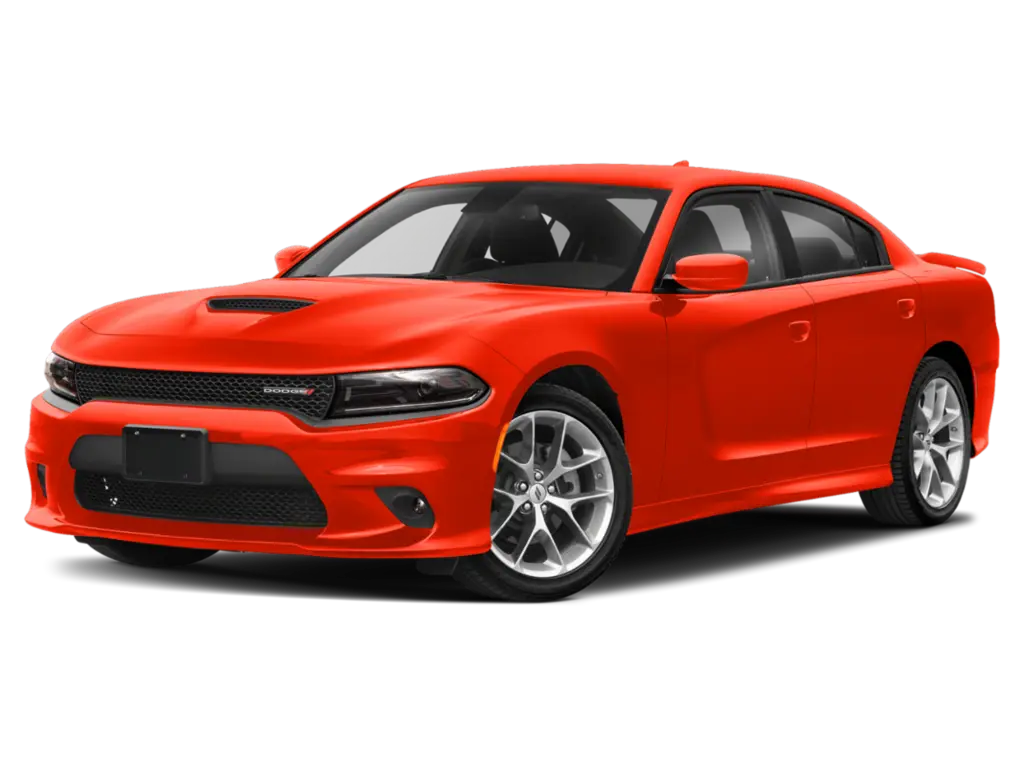
Dodge Charger
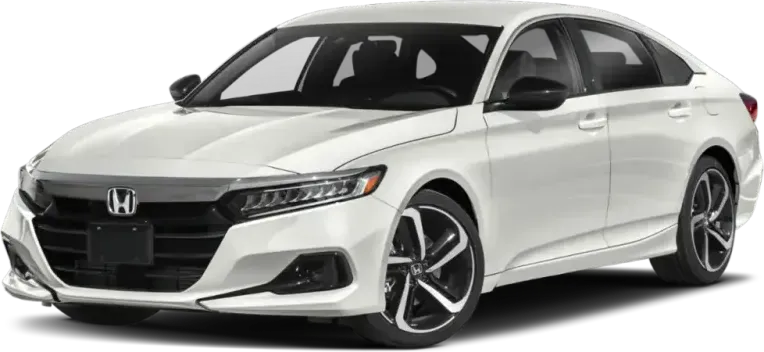
Honda Accord
The Honda Accord holds a slight reliability edge over the Dodge Charger because repairs cost less. Its yearly repair bill is $400 against $652. The Charger has far fewer complaints and recalls, so the gap is narrow, and each car has serious weak spots.
How Do the Dodge Charger and Honda Accord Generations Compare?
Verdict
The Honda Accord is more reliable than the Dodge Charger, scoring 76/100 vs 74/100.
Reliability favors the Accord, but only slightly. Both cars land in good standing, and the gap comes down to cost of ownership. The Accord's repairs are cheaper and less likely to be major. The Charger draws far fewer complaints per car sold and fewer recalls, so it is not a clear loser. The Accord's edge is real but narrow, and each car has problems that can hurt on a specific example.
Key Differences
- 1Honda Accord costs $252 less per year to repair
- 2Dodge Charger has 21 fewer total recalls
- 3Honda Accord has 6% lower major repair risk
Category Scoreboard
Dodge Charger vs Honda Accord: Which Is More Reliable?
| Metric | Dodge Charger | Honda Accord |
|---|---|---|
| Reliability Score | 74/100 | 76/100 |
| Years Tracked | 9 | 9 |
| Total Recalls | 25 | 46 |
| Complaints per 10k Sold | 2.2 | 5.7 |
| Annual Repair Cost | $652/yr | $400/yr |
| Repair Frequency | 0.2/yr | 0.3/yr |
| Major Repair Risk | 15% | 9% |
| Year Wins | 4 | 5 |
What Are the Common Problems With the Dodge Charger and Honda Accord?
Touchscreens fail on both cars, but the rest of the picture differs. The Charger's Uconnect screen delaminates and registers phantom touches, door panels peel off the frame, and air bags are its most serious area: in two crashes some bags did not deploy. The Accord's list is longer and more crash-linked. Automatic emergency braking clamps down with nothing ahead, brakes failed in some crashes, and head gasket failures can cause sudden power loss. Its screen registers ghost touches too. Crash-linked reports appear under Accord electrical, braking, collision avoidance and engine.
| Component | Dodge Charger | Honda Accord |
|---|---|---|
| ELECTRICAL SYSTEM | 0.5Very Low | 0.9Very Low |
| AIR BAGS | 0.6Very Low | 0.1Very Low |
| ENGINE | 0.1Very Low | 0.6Very Low |
| FORWARD COLLISION AVOIDANCE | —None | 0.7Very Low |
| SERVICE BRAKES | 0.1Very Low | 0.5Very Low |
| STEERING | 0.1Very Low | 0.4Very Low |
| UNKNOWN OR OTHER | 0.2Very Low | 0.2Very Low |
| POWER TRAIN | 0.1Very Low | 0.3Very Low |
| FUEL SYSTEM | —None | 0.4Very Low |
| FUEL/PROPULSION SYSTEM | —None | 0.3Very Low |
| STRUCTURE | 0.1Very Low | 0.1Very Low |
| VEHICLE SPEED CONTROL | —None | 0.2Very Low |
| EXTERIOR LIGHTING | —None | —None |
| WHEELS | —None | —None |
| SUSPENSION | —None | —None |
| VISIBILITY | —None | —None |
| LANE DEPARTURE | —None | —None |
| TIRES | —None | —None |
| SEAT BELTS | —None | —None |
Complaints per 10,000 units sold, aggregated across all tracked model years from NHTSA owner reports.
Which Is Cheaper to Maintain: Dodge Charger or Honda Accord?
How Does Dodge Charger vs Honda Accord Reliability Compare by Year?
| Year | Dodge Charger | Honda Accord | Edge |
|---|---|---|---|
| 2026 | 82/1000R / 0C | 87/1000R / 0C | Honda Accord |
| 2025 | 71/1002R / 10C | 84/1001R / 65C | Honda Accord |
| 2024 | 73/1002R / 4C | 76/1006R / 166C | Honda Accord |
| 2023 | 76/1002R / 22C | 74/10010R / 199C | Dodge Charger |
| 2022 | 74/1003R / 11C | 77/1003R / 201C | Honda Accord |
| 2021 | 76/1002R / 29C | 78/1005R / 215C | Honda Accord |
| 2020 | 75/1003R / 54C | 73/1008R / 344C | Dodge Charger |
| 2019 | 71/1005R / 118C | 70/1005R / 574C | Dodge Charger |
| 2018 | 69/1006R / 121C | 63/1008R / 1739C | Dodge Charger |
Best years to cross-shop: The 2023 Dodge Charger scored 76/100 and the 2021 Honda Accord scored 78/100 — the strongest shared model years that have been on the road for at least two years, where available.
Who Should Buy the Dodge Charger vs the Honda Accord?
Dodge Charger vs Honda Accord: Common Questions
- Is the Dodge Charger more reliable than the Honda Accord?
- No, the Accord has a slight edge. Both cars are in good standing, but the Accord has a lower yearly repair cost and a smaller chance that a repair is major. The Charger has fewer complaints per car sold, which keeps the gap small.
- Which has more recalls, the Charger or the Accord?
- The Accord has more. Federal recall records show 46 recalls across nine model years for the Accord and 25 for the Charger. Check any specific car's VIN for open recalls, including the fuel pump recall that drew many Accord complaints.
- Which costs less to repair, the Charger or the Accord?
- The Accord costs less. Independent repair-cost data estimates $400 a year for the Accord and $652 for the Charger, a difference of about $1,260 over five years. A Charger repair is also more likely to be major, at 15% versus 9%.
- What are the biggest problems with the Honda Accord?
- The biggest are the touchscreen, automatic emergency braking, and engine head gaskets. Owners report ghost touches, hard braking with nothing ahead, and cracked heads or failed gaskets that cause sudden overheating or power loss. Brake complaints also include crashes.
- What goes wrong with the Dodge Charger touchscreen?
- The Uconnect touchscreen can delaminate and register phantom touches. Owners report changed stations, adjusted climate settings, placed calls, and frozen navigation or backup camera. Some screens failed as early as 5,000 to 6,900 miles, and dealers quote over $2,000 to replace the unit.
Related Reliability Comparisons
More Dodge Charger comparisons
Decided between Dodge Charger and Honda Accord? Run a VIN check before you buy — uncover hidden accidents, title issues, and open recalls.
How we score the Dodge Charger and Honda Accord
Scores weight complaint severity at 35%, repair costs at 30%, recall impact at 20%, and the spread of complaints across systems at 15%, with complaint counts adjusted for US sales. Read the full methodology.
See incorrect data? Report an issue