Last updated: 2026-10-10
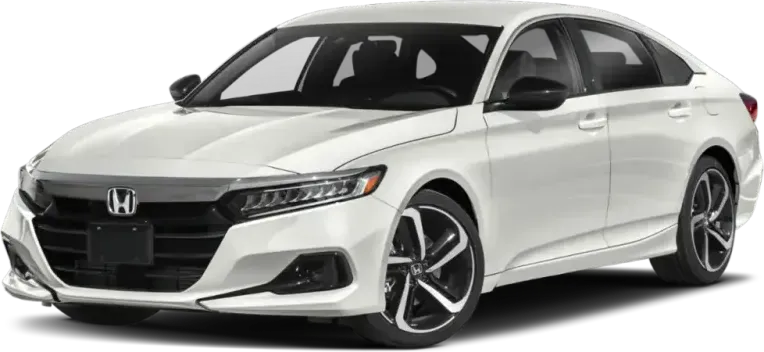
2020 Honda Accord Reliability Report
The 2020 Honda Accord rates good and above average for sedans, but owners report automatic braking that stops the car hard with nothing ahead.
Recalls
8
Complaints
344
Complaint Rate
17.2per 10,000 sold
Est. Repair Cost
$400
Annual Fuel Cost
$1,800–$2,300
Detailed Score Breakdown
Component-weighted complaints normalized by sales volume
Independent repair cost ratings
Recall count weighted by severity
Breadth of reported problem categories
The Verdict
Good rating, but among the weaker Accord years, with phantom automatic braking leading its owner complaints and eight federal recalls.
Top Issues to Watch
- FORWARD COLLISION AVOIDANCE (58)
- ELECTRICAL SYSTEM (52)
- SERVICE BRAKES (37)
Generation & Refresh (US)
2020 received a 2020 facelift update for the Tenth generation (2017).
- Changes: Updated grille and wheel designs; New infotainment features.
- Year 3 in this generation (2018–2022).
- 10th generation Accord (US).
What this means for buyers
Refresh years bring updates but can also introduce new issues. Check early recall data before buying.
2018: Tenth generation (2017) Launch
Generation start — new platform.
2020: This Model Year (Refresh)
2020 received a 2020 facelift update for the Tenth generation (2017).
Should You Buy the 2020 Honda Accord?
Good, with a caveat. This Accord rates above average against other 2020 sedans, and independent repair-cost data puts yearly repairs near $400 against $526 for the class. Within the Accord line, though, it sits among the weaker years. The 2019 rates worse. The 2021 rates better and has fewer complaints.
The main complaint is automatic braking that fires with nothing ahead. Drivers describe a flashing orange BRAKE warning and a sharp stop, sometimes at 60 to 65 mph on the interstate. Dealers often cannot reproduce it. On the 1.5-liter turbo, head gasket failure shows up around 100,000 to 113,000 miles, with misfires, limp mode, and sudden power loss. Owners report quotes of about $4100 to 7k. Federal records list eight recalls, covering air bags, fuel system, electrical, visibility, and exterior lighting.
Ask for proof that every recall was completed and for any brake or warning light repair history. A 2021 is worth comparing.
Compared to the 2021 Honda Accord, which scored 5 points higher. See also the 2019 Honda Accord for an earlier comparison.
Pros
- +Acceptable reliability score
- +$126 cheaper to maintain than avg midsize cars
- +Infrequent unscheduled repairs
- +Low major repair risk (9%)
Cons
- −Above-average recall count
- −FORWARD COLLISION AVOIDANCE: Automatic braking engages hard with nothing ahead (58 complaints)
- −ELECTRICAL SYSTEM issues reported (52 complaints)
Compare 2020 Honda Accord With
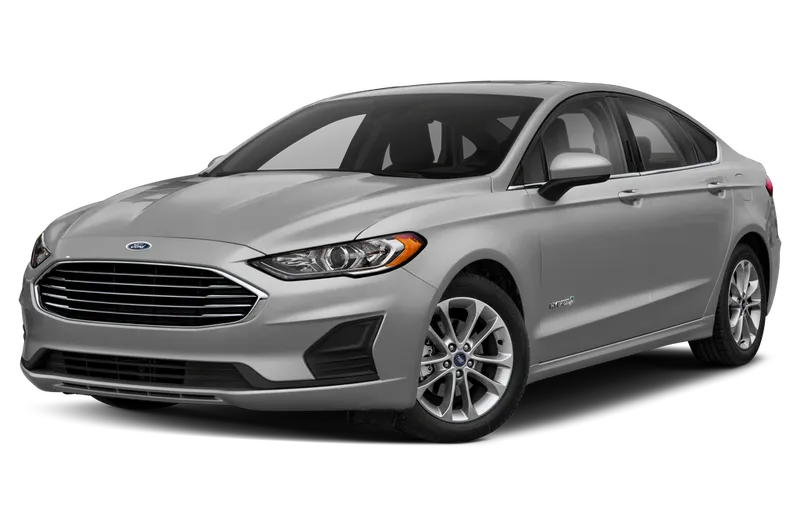
2020 Ford Fusion
Reliability: 71/100
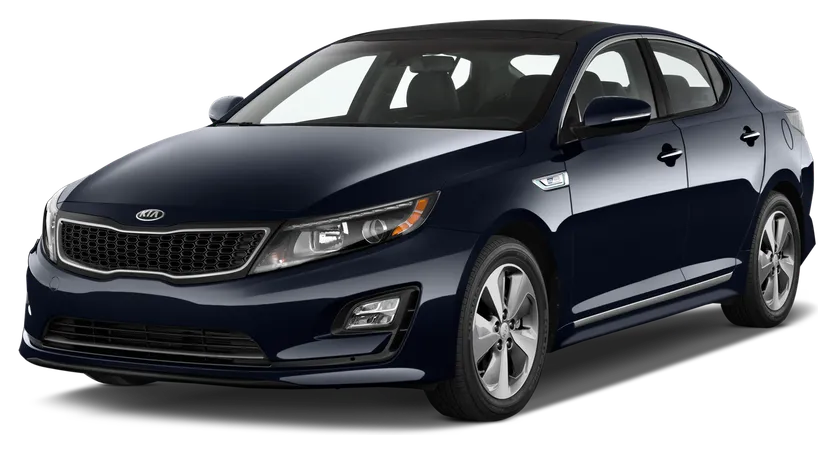
2020 Kia Optima
Reliability: 72/100
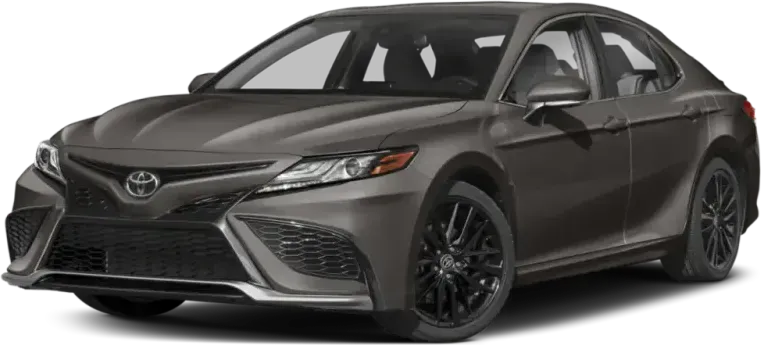
2020 Toyota Camry
Reliability: 75/100
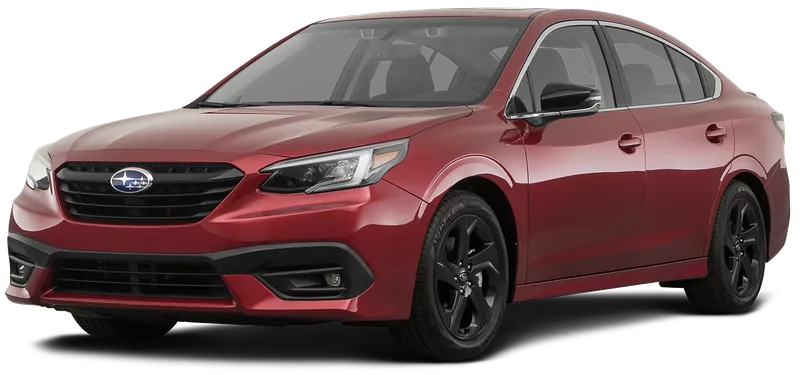
2020 Subaru Legacy
Reliability: 67/100
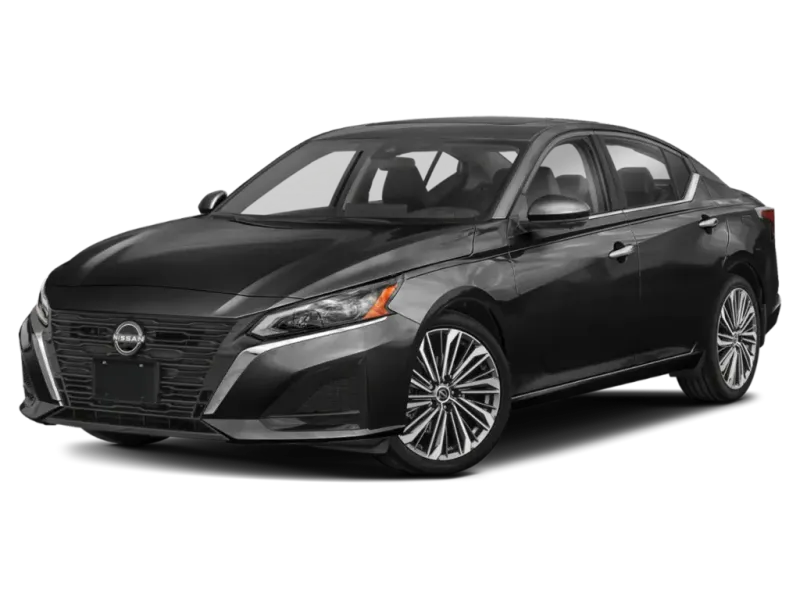
2020 Nissan Altima
Reliability: 71/100
Common Problem Categories
Safety
LOW RISK- 8 manufacturer recalls issued
Other
HIGH RISK- FORWARD COLLISION AVOIDANCE (58)
- ELECTRICAL SYSTEM (52)
Recall Overview
8
recalls on record
The 2020 Honda Accord has 8 recalls on record, which is above average. A high count can flag multiple component concerns, though it also shows the manufacturer is actively addressing known issues.
NHTSA.gov →Complaint Breakdown
17.2
per 10,000 soldSegment avg: 17.9
Safety Incidents
16
Crashes
2
Fires
11
Injuries
2
Deaths
NHTSA 5/5 Stars
Data sourced from NHTSA complaint filings and manufacturer recall notices. Complaint narratives are owner-reported.
2020 Honda Accord Recall Details
8 recalls have been issued for the 2020 Honda Accord. All recall repairs are performed free of charge at authorized dealerships.
AIR BAGS
Honda (American Honda Motor Co.) is recalling certain 2020-2022 Pilot, Accord, Civic sedan, HR-V, Odyssey, 2020 Civic coupe, Fit, 2021-2022 Civic hatchback, 2021 Civic Type R, Insight, 2020-2021 CR-V, CR-V Hybrid, Passport, Ridgeline, Accord Hybrid, 2020 Acura MDX, 2022 Acura MDX, 2020-2022 Acura RDX, and 2020-2021 Acura TLX vehicles. The front passenger seat weight sensor may crack and short circuit, failing to suppress the air bag as intended.
Consequence
An air bag that deploys unintentionally during a crash can increase the risk of injury.
Remedy
Dealers will replace the seat weight sensors, free of charge. Owner notification letters were mailed March 28, 2024, October 18, 2024, and August 2025. This is a phased recall. Owners may contact Honda customer service at 1-888-234-2138. Honda's numbers for these recalls are XHP and VHQ.
FUEL SYSTEM, GASOLINE
Honda (American Honda Motor Co.) is recalling certain 2013-2023 Honda Accord, Civic Coupe, Civic Sedan, Civic Hatchback, Civic Type R, CR-V, HR-V, Ridgeline, Odyssey, Acura ILX, MDX, MDX Hybrid, RDX, RLX, TLX, 2019-2022 Honda Insight, Passport, 2020 Honda CR-V Hybrid, 2018-2019 Honda Clarity PHEV, Fit, and 2015-2020 Honda Accord Hybrid, Pilot, Acura NSX vehicles. The fuel pump inside the fuel tank may fail.
Consequence
Fuel pump failure can cause an engine stall while driving, increasing the risk of a crash.
Remedy
Dealers will replace the fuel pump module, free of charge. Owner letters were mailed September 6, 2024. Owners may contact Honda customer service at 1-888-234-2138. Honda's numbers for this recall are KGC and KGD. This recall is an expansion of NHTSA recall numbers 21V-215 and 20V-314.
ELECTRICAL SYSTEM
Honda (American Honda Motor Co.) is recalling certain 2020 CR-V Hybrid, Accord Hybrid, and 2020-2021 Insight vehicles. The DC-DC converter may shut down and prevent the 12-volt battery from recharging, possibly resulting in a loss of drive power.
Consequence
A loss of drive power can increase the risk of a crash.
Remedy
Honda will notify owners, and dealers will update the power converter unit (PCU) software, free of charge. The recall began February 12, 2021. Owners can contact Honda customer service at 1-888-234-2138. Honda's number for this recall is K9E.
Buying a used 2020 Honda Accord? Check its history first
Forward collision avoidance problems lead owner complaints about the 2020 Honda Accord, and 8 recalls were issued for it. A VIN check shows whether this car's recall work was done, plus accident, title, and odometer history.
- Accidents
- Open Recalls
- Title History
- Odometer Rollback
2020 Honda Accord NHTSA Safety Ratings
Overall Safety Rating
Crash Test Results by Configuration (expand)
Gas Powertrain
Rollover risk: 9.3%
Safety Technologies
HEV Powertrain
Rollover risk: 9.3%
Safety Technologies
Honda AccordRepair Costs & Maintenance
Maintenance Rating
4.5Maintenance rating: 4.5 out of 5Based on NHTSA complaint patterns, recall severity, and publicly available cost benchmarks.
Est. Annual Maintenance
$400
vs $526 avg for midsize cars
vs $652 avg for all vehicles
Repair Frequency
0.3
unscheduled repair visits per year
Severe Repair Probability
9%
chance of a major repair
Annual Cost Comparison
Category-level averages derived from publicly available industry reports (AAA, CarMD). Model-level estimates produced by Auto Reliability Index.
Honda Accord Resale Value
The Honda Accord is estimated to retain about 77.4% of its original value after 5 years, based on observed used-car listings.
This benchmark covers the Honda Accord model overall and is not specific to the 2020 model year.
- Value Retained
- 77.4%
- Depreciation
- 22.6%
- Listings Analyzed
- 720
after 5 years
over the same period
U.S. used-car listings
Listings observed in . Actual resale value varies by trim, mileage, condition, and location.
Explore Honda Accord depreciation and resale value on CarResaleValue.comMPG & Annual Running Costs
Gas
26–33 MPG
Running cost: $2,200–$2,700/yr
Fuel + repair
22–30 city / 32–38 hwy MPG
Hybrid
48 MPG
Running cost: $1,650/yr
Fuel + repair
48 city / 47 hwy MPG
Running cost includes EPA fuel-cost estimate and independent repair-cost data (repair cost estimated at model level). Excludes routine maintenance, depreciation, and insurance. Data as of 2020 EPA label cycle.
Gas trims
| Trim | Drive | Trans. | City | Hwy | Comb | Fuel Cost |
|---|---|---|---|---|---|---|
| Accord 1.5L 4-cyl | Front-Wheel Drive | Automatic (variable gear ratios) | 30 | 38 | 33 | $1,800 |
| Accord 1.5L 4-cyl | Front-Wheel Drive | Automatic (AV-S7) | 29 | 35 | 31 | $1,950 |
| Accord 1.5L 4-cyl | Front-Wheel Drive | Manual 6-spd | 26 | 35 | 30 | $2,000 |
| Accord 2.0L 4-cyl | Front-Wheel Drive | Automatic (S10) | 23 | 34 | 27 | $2,200 |
| Accord 2.0L 4-cyl | Front-Wheel Drive | Manual 6-spd | 22 | 32 | 26 | $2,300 |
| Accord 2.0T Sport/Touring 2.0L 4-cyl | Front-Wheel Drive | Automatic (S10) | 22 | 32 | 26 | $2,300 |
Hybrid trims
| Trim | Drive | Trans. | City | Hwy | Comb | Fuel Cost |
|---|---|---|---|---|---|---|
| Accord Hybrid 2.0L 4-cyl | Front-Wheel Drive | Automatic (variable gear ratios) | 48 | 47 | 48 | $1,250 |
Used Buying Checklist
Key things to inspect or verify before purchasing a 2020 Honda Accord.
Drive at highway speed under overpasses and over grades; watch for a false BRAKE warning or sudden braking.
Start the car and confirm no collision mitigation, road departure, adaptive cruise, or brake system warnings appear.
Drive 30 minutes above 50 mph, then check for steering that sticks near center or jerks free.
On the 1.5-liter turbo, request head gasket records and scan for misfire codes or coolant loss.
Cruise at 50 to 55 mph with windows closed and listen for loud droning or humming.
Run the VIN for open recall 24V064000 and confirm the airbag repair was completed.
Measure rear brake pad thickness and feel for shaking when stopping from 50 mph.
Inspect the roof near the rear glass for peeling clear coat.
2020 Honda Accord Common Problems by Component
344 owner complaints grouped by vehicle system.
FORWARD COLLISION AVOIDANCE
58 complaintsAccord automatic emergency braking problems across all model years
Automatic braking engages hard with nothing ahead. Drivers report a flashing orange BRAKE warning, a sharp stop lasting a few seconds, then release. It happens on residential streets and at highway speeds around 60 to 65 mph. Several reports link it to overpasses, steep grades, and construction zones. Some cars braked to a full stop on the interstate with traffic swerving around them, and one report lists an injury. A second pattern lights up collision mitigation, road departure, and adaptive cruise faults, sometimes on nearly new cars. Dealers often cannot reproduce either problem.
ELECTRICAL SYSTEM
52 complaintsSafety-relatedAccord electrical problems across all model years
Dashboards fill with brake, road departure, collision mitigation, and adaptive cruise warnings that will not clear, sometimes followed by phantom braking or a car that will not move. Other reports describe reduced-power warnings at highway speed and a loud buzzing or humming blamed on the active noise cancellation system. Rarer but serious: a parked car caught fire starting near the front wheel well, and one crash involved unintended airbag deployment with 4 injuries. Dealers frequently find no fault, and a radio that cuts out with the right turn signal survived repeated harness repairs.
UNKNOWN OR OTHER
37 complaintsSafety-relatedA loud droning or howling sound builds around 50 to 55 mph and stops abruptly when speed changes. Dealers have tied it to active noise control, but replacing microphones and the module has not fixed it. Other reports describe every dash light coming on while the car crawls at 5 to 20 mph, plus head gasket complaints on the 1.5-liter engine, with one dealer declining coverage just past 40,000 miles. Serious incidents include a rollaway injury after the car was shut off in gear and a post-collision fire that killed the driver.
SERVICE BRAKES (37 complaints)
SERVICE BRAKES
37 complaintsSafety-relatedAccord brake problems across all model years
Phantom braking dominates here too. The car brakes on its own with no obstacle, usually with the BRAKE warning lit, at speeds from 40 to 60 mph, sometimes several times a week. In one crash the car stopped hard for a steel road plate and was rear-ended. A second pattern is premature rear brake wear, with one car nearly needing rear brakes at 2,600 miles and another on its third set of rear pads by 79,000. Some new cars shake when stopping from 50 mph. One injury crash involved total brake failure under 8,000 miles.
ENGINE (30 complaints)
ENGINE
30 complaintsAccord engine problems across all model years
Head gasket failure on the 1.5-liter turbo is the main pattern. Coolant leaks into the cylinders, causing misfires, shaking, limp mode, every dash warning at once, and sudden power loss at highway speed. Several reports place it around 100,000 to 113,000 miles. Owners often replace spark plugs and coils first with no fix. Repair quotes run from about $4100 to 7k, and one report adds a turbo failure after the gasket job. Some stalls leave no stored codes. A few low-mileage cars also report air conditioning refrigerant leaks.
AIR BAGS (26 complaints)
AIR BAGS
26 complaintsSafety-relatedThe Supplemental Restraint System warning comes and goes, often traced to the front passenger weight sensor or the passenger airbag on/off indicator. Out of warranty, one fix cost almost $500. Many complaints concern recall 24V064000, where dealers report repair parts backordered for long periods. Some owners say the passenger airbag does not switch on reliably with heavier children or adults in the seat. Two crash reports stand out: airbags deploying unprompted at 40 mph with serious injuries, and a driver airbag that did not deploy in a deer collision.
STEERING (22 complaints)
STEERING
22 complaintsSafety-relatedThe wheel sticks near center at highway speeds, usually after 30 minutes or more of driving once the car warms up. Drivers must push harder to turn it, and it then releases suddenly, causing overcorrection. Reports start as early as 9,000 miles. Dealers often cannot reproduce it, though one confirmed a failed steering rack. Complaints describe it getting worse over time and spreading to slower roads. Two crash reports involve the car pulling toward a curb or barrier.
POWER TRAIN (13 complaints)
POWER TRAIN
13 complaintsSafety-relatedSudden loss of power at highway speed is the core complaint, with rough running, misfire codes, a check engine light, and the car unable to accelerate past a crawl. Replacing plugs, coils, and injectors often fails, and some owners trace it to the head gasket. CVT belt breakage causing transmission failure appears at 88,000 to 93,000 miles. One report describes the shifter slipping into neutral when brushed. A single crash report alleges unintended acceleration that killed a child passenger.
STRUCTURE (6 complaints)
STRUCTURE
6 complaintsSafety-relatedPaint failure is the clearest pattern. Clear coat peels on low-mileage cars, including along the roof line near the rear glass, and owners report paying out of pocket. Other complaints describe the trunk lid unlatching and opening on its own while parked, and a loud drone from the front driver side at about 55 mph. One crash report involves a parked car with the engine running rolling forward into a storefront. With only 6 complaints, no single failure dominates.
SUSPENSION (4 complaints)
SUSPENSION
4 complaintsSafety-relatedVery few complaints are filed here, and two describe the same rollaway incident in which a running car rolled backward into the street, causing an injury and a collision. The remaining reports cover a metal-on-metal grinding noise when braking, mostly in reverse or at low speed, which a dealer called a common problem. Another describes rattles from the dashboard, B-pillar, and roof on grooved or rough roads at 60 to 70 mph.
When Do 2020 Honda Accord Problems Start?
Based on owner complaint patterns, here's when common issues tend to appear.
Best & Worst Honda Accord Years
Best Honda Accord Years to Buy
Based on reliability index scoreHonda Accord Years to Avoid
Honda Accord Reliability Score Trend
Scores 0–100. Higher is better. Current year highlighted.
| Year | Score | Rating |
|---|---|---|
| 2018 | 63/100 | Good |
| 2019 | 70/100 | Good |
| 2020 | 73/100 | Good |
| 2021 | 78/100 | Good |
| 2022 | 77/100 | Good |
| 2023 | 74/100 | Good |
| 2024 | 76/100 | Good |
| 2025 | 84/100 | Excellent |
| 2026 | 87/100 | Excellent |
Honda Accord Reliability Compared to Other Years
2020 Honda Accord Reliability by Powertrain
The 2020 Honda Accord is available with 2powertrain options. Here's how they compare on reliability.
| Powertrain | Complaints | Recalls | Incidents* | Crash Rating |
|---|---|---|---|---|
| Gas | 306 | 4 | 15 | 5 out of 5 |
| HEV | 38 | 4 | 3 | 5 out of 5 |
| Total | 344 | 8 | 18 |
NHTSA tracks complaints by vehicle configuration when that detail is available. Model-level reports that do not identify a specific powertrain are included in Total but not assigned to a row. A plus sign indicates a confirmed minimum; — means no complaints could be attributed to that specific powertrain. N/T = Not tested by NHTSA.
* Incidents = crash + fire reports. A single complaint can include multiple incident types.
Frequently Asked Questions
Is the 2020 Honda Accord reliable?
What are the most common problems with the 2020 Honda Accord?
Does the 2020 Honda Accord have phantom braking problems?
Does the 2020 Honda Accord have head gasket problems?
Is the 2020 Honda Accord better than the 2019 or 2021?
Don’t buy a 2020 Honda Accord without checking its VIN first — hidden accidents, title issues, and open recalls could cost you thousands.
How we score the 2020 Honda Accord
Of the four inputs behind this score, the 2020 Honda Accord does best on repair costs (90/100) and worst on complaint severity (58/100). Scores weight complaint severity at 35%, repair costs at 30%, recall impact at 20%, and the spread of complaints across systems at 15%, with complaint counts adjusted for US sales. Read the full methodology.
Get notified when new recalls or reliability data is added for the Honda Accord.
No spam. Only data updates for this model.
Browse More Honda Models
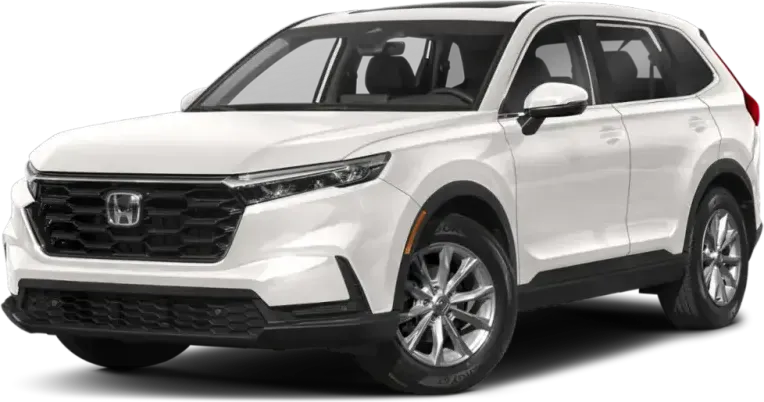
Honda CR-V
Score: 83/100
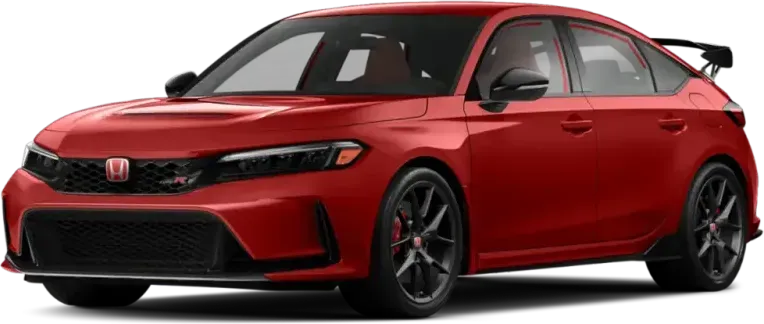
Honda Civic
Score: 94/100
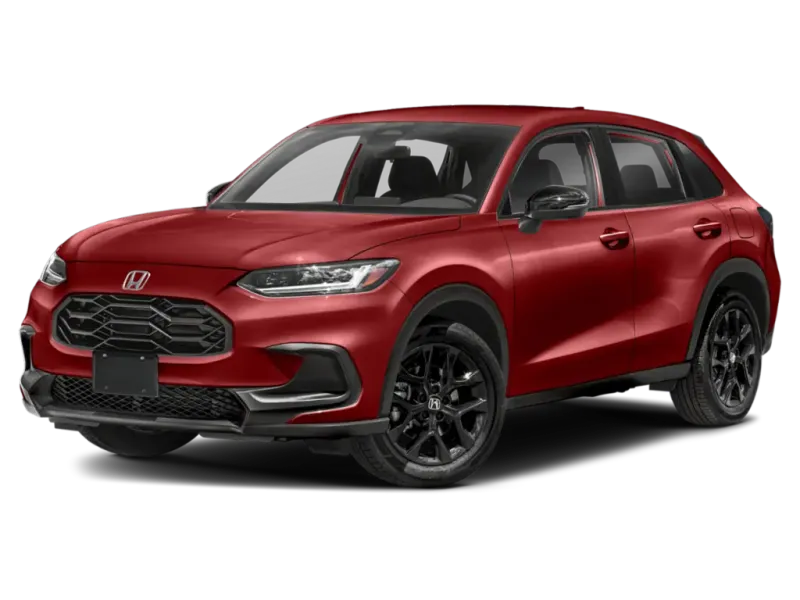
Honda HR-V
Score: 100/100
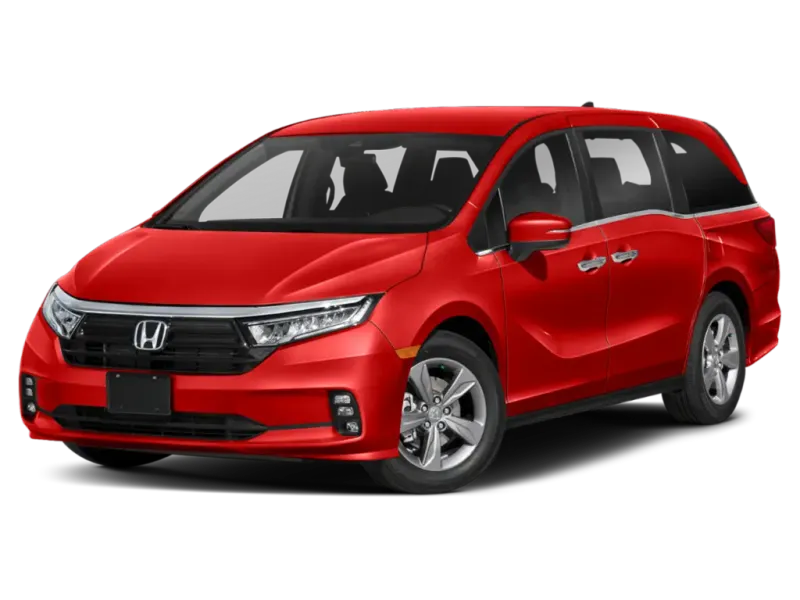
Honda Odyssey
Score: 74/100
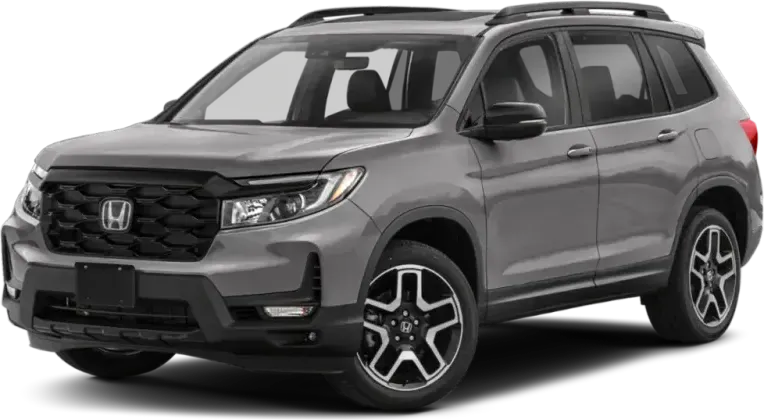
Honda Passport
Score: 84/100
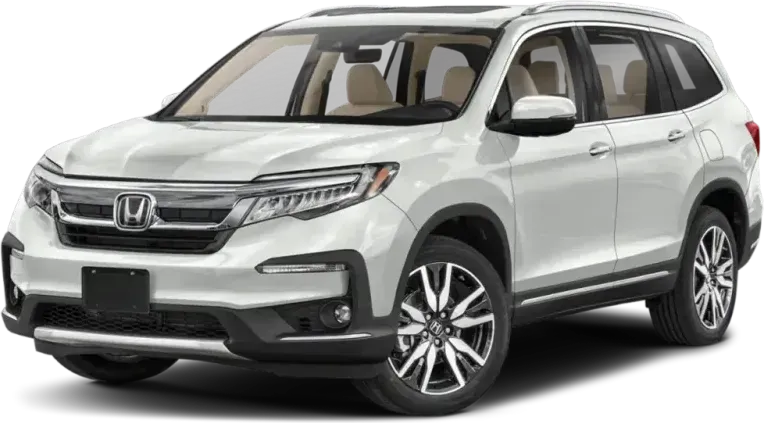
Honda Pilot
Score: 81/100
Browse More 2020 Vehicles
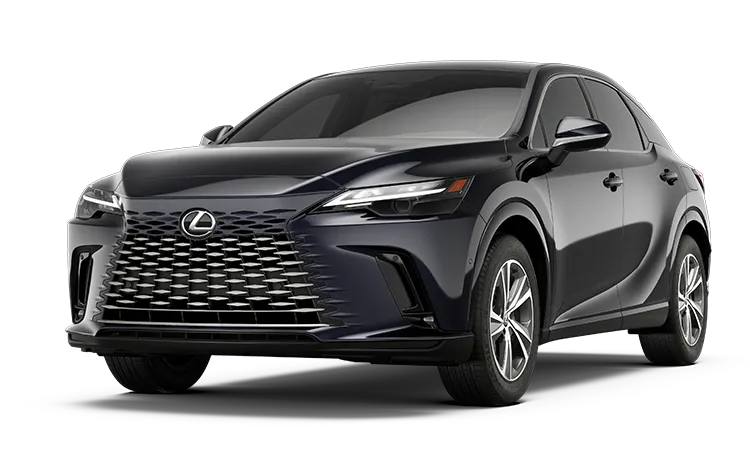
2020 Lexus RX
Score: 86/100
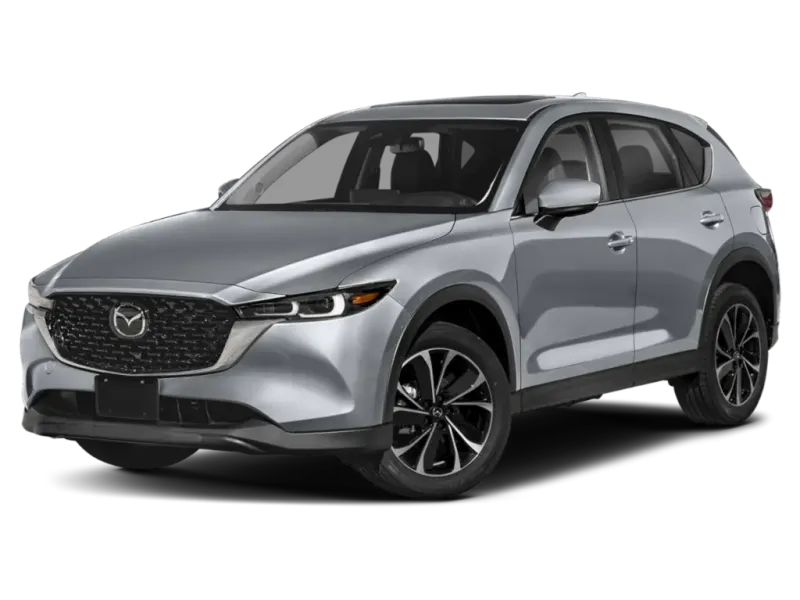
2020 Mazda CX-5
Score: 86/100
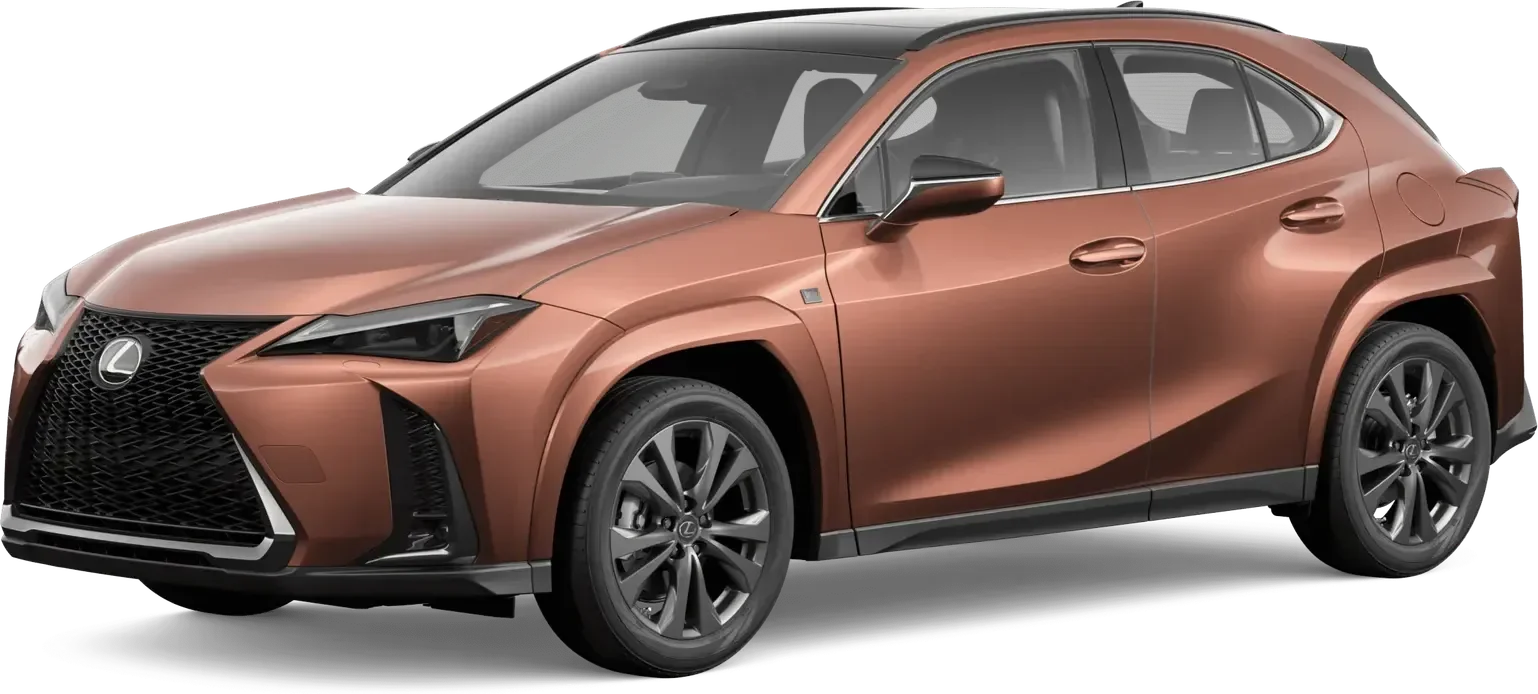
2020 Lexus UX
Score: 84/100
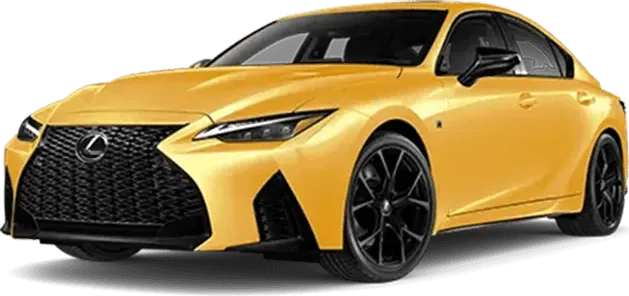
2020 Lexus IS
Score: 83/100
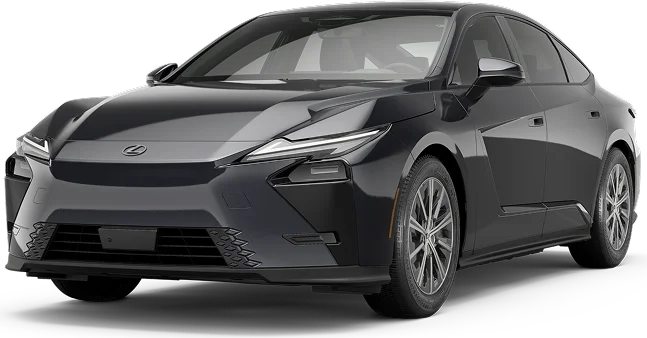
2020 Lexus ES
Score: 83/100
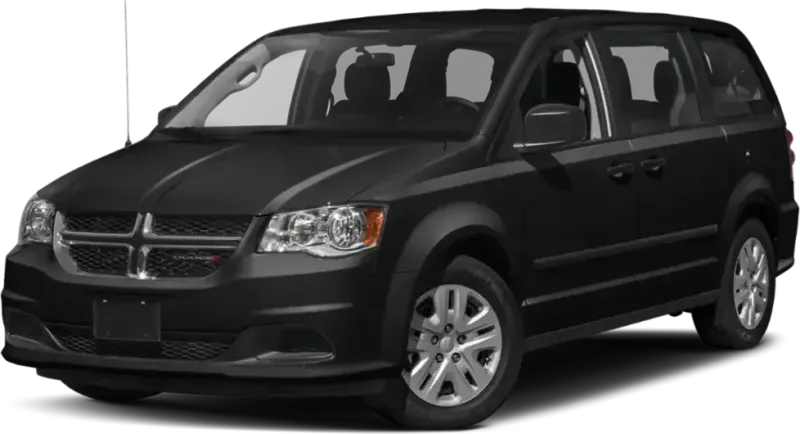
2020 Dodge Grand Caravan
Score: 83/100
See incorrect data? Report an issue