Last updated: 2026-10-10
Chevrolet Trax vs Subaru Crosstrek: Reliability Compared

Chevrolet Trax
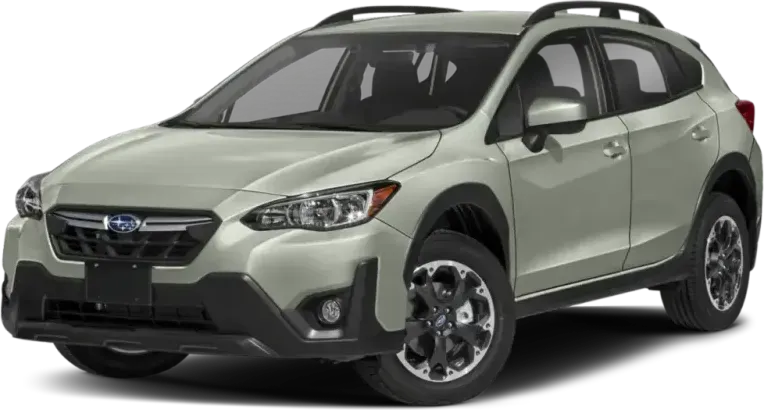
Subaru Crosstrek
Reliability favors the Chevrolet Trax over the Subaru Crosstrek by a clear margin, thanks to far fewer owner complaints per car sold. The Crosstrek has more recalls, but it needs fewer shop visits. Repair costs are nearly identical, so the choice rests on the problems each one tends to have.
How Do the Chevrolet Trax and Subaru Crosstrek Generations Compare?
Verdict
The Chevrolet Trax is more reliable than the Subaru Crosstrek, scoring 81/100 vs 73/100.
The more reliable used car is the Chevrolet Trax, and the edge is clear. Owners file about 4.6 complaints per 10,000 sold, against 72.5 for the Crosstrek, and federal recall records show 5 recalls for the Trax against 19 for the Crosstrek. The Crosstrek does better on unscheduled shop visits and on the chance that a repair is major, so day-to-day ownership is closer than the complaint gap suggests. The much lighter complaint and recall record is what decides it.
Key Differences
- 1Chevrolet Trax has 67.9 fewer complaints per 10k sold
- 2Chevrolet Trax has 14 fewer total recalls
- 3Chevrolet Trax scores 8 points higher in reliability
Category Scoreboard
Chevrolet Trax vs Subaru Crosstrek: Which Is More Reliable?
| Metric | Chevrolet Trax | Subaru Crosstrek |
|---|---|---|
| Reliability Score | 81/100 | 73/100 |
| Years Tracked | 8 | 9 |
| Total Recalls | 5 | 19 |
| Complaints per 10k Sold | 4.6 | 72.5 |
| Annual Repair Cost | $488/yr | $492/yr |
| Repair Frequency | 0.2/yr | 0.1/yr |
| Major Repair Risk | 12% | 7% |
| Year Wins | 7 | 1 |
What Are the Common Problems With the Chevrolet Trax and Subaru Crosstrek?
Complaints about the Trax center on a digital instrument panel that flickers or goes black, turbochargers that fail and fill the cabin with smoke, and front lower control arms that crack at the weld. Crosstrek complaints start with windshields that crack from tiny chips or while parked, then batteries drained overnight, CVT failures, and ignition coil trouble. Crash-linked reports differ. The Trax has them in steering, where assist cuts out, and in suspension. The Crosstrek has the most in its power train, including power loss and rollback on a hill.
| Component | Chevrolet Trax | Subaru Crosstrek |
|---|---|---|
| VISIBILITY/WIPER | 0.1Very Low | 21.8High |
| UNKNOWN OR OTHER | 0.4Very Low | 12.8Above Avg |
| ELECTRICAL SYSTEM | 1Very Low | 8.8Above Avg |
| POWER TRAIN | 0.4Very Low | 4.6Average |
| ENGINE | 0.6Very Low | 3.3Average |
| VISIBILITY | —None | 3.6Average |
| STEERING | 0.2Very Low | 3Low |
| STRUCTURE | 0.1Very Low | 1.7Low |
| VEHICLE SPEED CONTROL | —None | 1.7Low |
| EXTERIOR LIGHTING | 0.1Very Low | 1.2Low |
| FORWARD COLLISION AVOIDANCE | —None | 1.3Low |
| SERVICE BRAKES | 0.2Very Low | 0.8Very Low |
| AIR BAGS | 0.2Very Low | 0.5Very Low |
| SUSPENSION | 0.5Very Low | —None |
| SEATS | —None | 0.4Very Low |
| TIRES | —None | 0.3Very Low |
| FUEL/PROPULSION SYSTEM | —None | 0.2Very Low |
| SEAT BELTS | —None | 0.2Very Low |
| LANE DEPARTURE | —None | 0.2Very Low |
| WHEELS | 0.1Very Low | —None |
| ENGINE AND ENGINE COOLING | —None | —None |
Complaints per 10,000 units sold, aggregated across all tracked model years from NHTSA owner reports.
Which Is Cheaper to Maintain: Chevrolet Trax or Subaru Crosstrek?
How Does Chevrolet Trax vs Subaru Crosstrek Reliability Compare by Year?
| Year | Chevrolet Trax | Subaru Crosstrek | Edge |
|---|---|---|---|
| 2026 | 88/1000R / 0C | 94/1000R / 1C | Subaru Crosstrek |
| 2025 | 85/1000R / 61C | 83/1000R / 25C | Chevrolet Trax |
| 2024 | 80/1001R / 125C | 69/1002R / 95C | Chevrolet Trax |
| 2022 | 81/1000R / 9C | 78/1001R / 28C | Chevrolet Trax |
| 2021 | 81/1000R / 18C | 67/1002R / 97C | Chevrolet Trax |
| 2020 | 81/1000R / 80C | 72/1001R / 62C | Chevrolet Trax |
| 2019 | 75/1002R / 123C | 56/1008R / 272C | Chevrolet Trax |
| 2018 | 75/1002R / 93C | 60/1005R / 186C | Chevrolet Trax |
Best years to cross-shop: The 2022 Chevrolet Trax scored 81/100 and the 2022 Subaru Crosstrek scored 78/100 — the strongest shared model years that have been on the road for at least two years, where available.
Who Should Buy the Chevrolet Trax vs the Subaru Crosstrek?
Chevrolet Trax vs Subaru Crosstrek: Common Questions
- Is the Chevrolet Trax more reliable than the Subaru Crosstrek?
- Yes, the Trax has a clear edge. Owners file far fewer complaints per car sold, and federal recall records show fewer recalls for the Trax. The Crosstrek does have fewer unscheduled shop visits and a lower chance of a major repair, so the gap is mostly in complaint and recall history.
- Which has more recalls, the Trax or the Crosstrek?
- The Crosstrek has more. Federal recall records show 19 recalls across 9 model years for the Crosstrek and 5 across 8 model years for the Trax. Check any specific car's VIN for open recalls before you buy, whichever model you choose.
- Which is cheaper to repair, the Trax or the Crosstrek?
- They cost about the same. Independent repair-cost data puts the Trax at $488 a year and the Crosstrek at $492. That is roughly $20 over five years. The Crosstrek has fewer shop visits and a lower chance of a major repair.
- What is the biggest problem with the Subaru Crosstrek?
- Windshield cracking is the largest complaint area, with 239 complaints. Owners describe small chips spreading fast, and glass that cracks while parked. One owner was quoted $2500 because of the EyeSight cameras. Battery drain and CVT failures follow.
- What goes wrong most often on the Chevrolet Trax?
- Electrical trouble leads, with 116 complaints. The digital instrument panel flickers or goes dark, hiding the speedometer and fuel range. Engine and turbocharger failures with smoke and power loss come next, and cracked front lower control arms are a recurring suspension report.
Related Reliability Comparisons
More Chevrolet Trax comparisons
Decided between Chevrolet Trax and Subaru Crosstrek? Run a VIN check before you buy — uncover hidden accidents, title issues, and open recalls.
How we score the Chevrolet Trax and Subaru Crosstrek
Scores weight complaint severity at 35%, repair costs at 30%, recall impact at 20%, and the spread of complaints across systems at 15%, with complaint counts adjusted for US sales. Read the full methodology.
See incorrect data? Report an issue