Last updated: 2026-10-10
Chevrolet Trailblazer vs Toyota C-HR: Reliability Compared
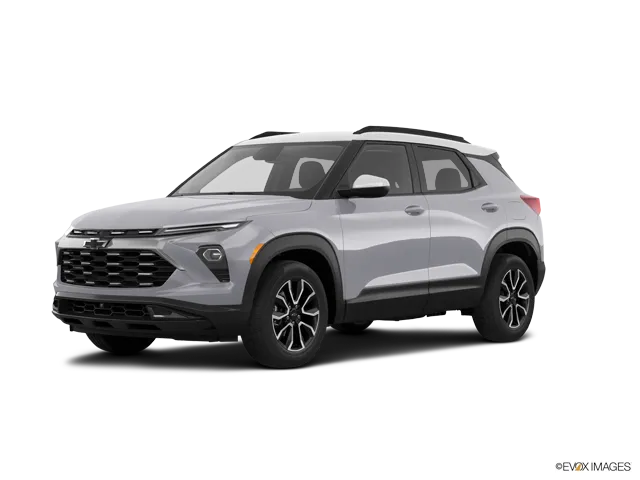
Chevrolet Trailblazer
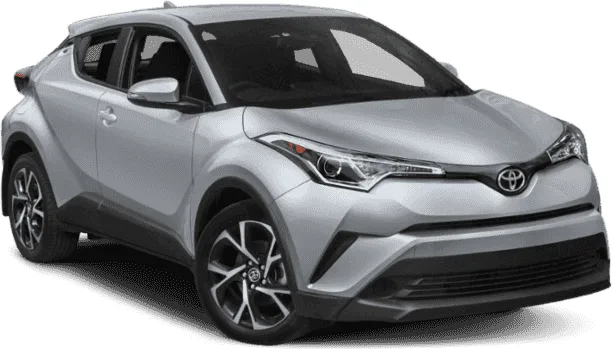
Toyota C-HR
Effectively tied on reliability, the Toyota C-HR and Chevrolet Trailblazer split on risk. The C-HR costs less to run, but its CVT can fail. The Trailblazer draws fewer complaints per car sold but costs more to repair each year.
How Do the Chevrolet Trailblazer and Toyota C-HR Generations Compare?
Verdict
The Toyota C-HR is more reliable than the Chevrolet Trailblazer, scoring 74/100 vs 73/100.
Reliability is effectively tied, because each car trades one strength for one weakness. The C-HR costs less to keep running each year, but its main risk is severe: a CVT bearing failure that ends in a full transmission, quoted at $10,000 to $14,000. The Trailblazer draws far fewer complaints for the number sold, yet it costs more to repair each year, and its false "Shift to Park" message shows up early. Neither car pulls clearly ahead.
Key Differences
- 1Toyota C-HR costs $343 less per year to repair
- 2Chevrolet Trailblazer has 17.0 fewer complaints per 10k sold
- 3Toyota C-HR scores 1 points higher in reliability
Category Scoreboard
Chevrolet Trailblazer vs Toyota C-HR: Which Is More Reliable?
| Metric | Chevrolet Trailblazer | Toyota C-HR |
|---|---|---|
| Reliability Score | 73/100 | 74/100 |
| Years Tracked | 6 | 5 |
| Total Recalls | 5 | 6 |
| Complaints per 10k Sold | 8.6 | 25.6 |
| Annual Repair Cost | $784/yr | $441/yr |
| Safety RatingNHTSA overall | 2026 NHTSA | 2022 NHTSA |
| Frontal | ||
| Side | ||
| Rollover | ||
| Year Wins | 0 | 2 |
What Are the Common Problems With the Chevrolet Trailblazer and Toyota C-HR?
Transmission trouble dominates the C-HR's record. A whine or growl that rises with speed points to a failed CVT bearing, often with no warning light. Some owners also report the engine cutting out, and its air bag reports describe bags that did not deploy in serious crashes. That air bag area is crash-linked for the C-HR only. The Trailblazer's problems are more spread out and less costly in kind: a false "Shift to Park" message that keeps the car in accessory mode, failing door lock actuators, brake squeal, and rusted exhaust bolts that drop the muffler. Its crash-linked reports touch four areas, but none involve air bags.
| Component | Chevrolet Trailblazer | Toyota C-HR |
|---|---|---|
| POWER TRAIN | 1.8Low | 16High |
| UNKNOWN OR OTHER | 1.6Low | 3.3Average |
| ELECTRICAL SYSTEM | 1.6Low | 1.8Low |
| ENGINE | 0.8Very Low | 0.9Very Low |
| SERVICE BRAKES | 0.9Very Low | 0.6Very Low |
| STEERING | 0.3Very Low | 0.3Very Low |
| AIR BAGS | 0.1Very Low | 0.4Very Low |
| STRUCTURE | 0.2Very Low | 0.2Very Low |
| FORWARD COLLISION AVOIDANCE | 0.1Very Low | 0.2Very Low |
| VISIBILITY/WIPER | —None | 0.3Very Low |
| PARKING BRAKE | —None | 0.2Very Low |
| ENGINE AND ENGINE COOLING | 0.1Very Low | —None |
| VEHICLE SPEED CONTROL | 0.1Very Low | —None |
| FUEL/PROPULSION SYSTEM | 0.1Very Low | —None |
| SEAT BELTS | —None | 0.1Very Low |
Complaints per 10,000 units sold, aggregated across all tracked model years from NHTSA owner reports.
Which Is Cheaper to Maintain: Chevrolet Trailblazer or Toyota C-HR?
How Does Chevrolet Trailblazer vs Toyota C-HR Reliability Compare by Year?
| Year | Chevrolet Trailblazer | Toyota C-HR | Edge |
|---|---|---|---|
| 2022 | 68/1001R / 102C | 80/1000R / 2C | Toyota C-HR |
| 2021 | 63/1004R / 182C | 77/1001R / 32C | Toyota C-HR |
Best years to cross-shop: The 2022 Chevrolet Trailblazer scored 68/100 and the 2022 Toyota C-HR scored 80/100 — the strongest shared model years that have been on the road for at least two years, where available.
Who Should Buy the Chevrolet Trailblazer vs the Toyota C-HR?
Chevrolet Trailblazer vs Toyota C-HR: Common Questions
- Is the Toyota C-HR more reliable than the Chevrolet Trailblazer?
- No, they are effectively tied. The C-HR has lower yearly repair costs, but a CVT failure can mean a transmission replacement quoted at $10,000 to $14,000. The Trailblazer has a much lower complaint rate per car sold, though it costs more to maintain and has early shifter problems.
- Which has more recalls, the C-HR or the Trailblazer?
- The C-HR has slightly more. Federal recall records show 6 recalls across its 5 model years, while the Trailblazer has 5 across 6 model years. The gap is small, so recalls should not decide the choice. Check the specific VIN for open recalls before buying either.
- Which costs less to repair, the C-HR or the Trailblazer?
- The C-HR costs less in a typical year. Independent repair-cost data shows $441 annually for the C-HR and $784 for the Trailblazer, a difference of about $1,715 over five years. A single C-HR transmission failure would wipe out that advantage.
- What is the main problem with the Toyota C-HR?
- The CVT transmission. Owners describe a whine, hum, or growl that grows louder with speed, usually traced to a failed internal bearing. Failures cluster between roughly 59,000 and 128,000 miles, often without a warning light, and the fix is a full transmission.
- What is the Trailblazer's "Shift to Park" problem?
- A false message appears while the shifter is already in Park. The car stays in accessory mode, keeps beeping, and can drain the battery overnight. Reports start between about 14,000 and 28,100 miles. Dealers usually replace the shifter assembly, sometimes at the owner's expense, and parts have been back-ordered.
Related Reliability Comparisons
More Chevrolet Trailblazer comparisons
Decided between Chevrolet Trailblazer and Toyota C-HR? Run a VIN check before you buy — uncover hidden accidents, title issues, and open recalls.
How we score the Chevrolet Trailblazer and Toyota C-HR
Scores weight complaint severity at 35%, repair costs at 30%, recall impact at 20%, and the spread of complaints across systems at 15%, with complaint counts adjusted for US sales. Read the full methodology.
See incorrect data? Report an issue