Last updated: 2026-11-26
Engine & powertrain
Audi Q7 Engine Problems
The Audi Q7 has reports of rising oil use, coolant leaks, and engine power loss, with some owners describing engine failure.
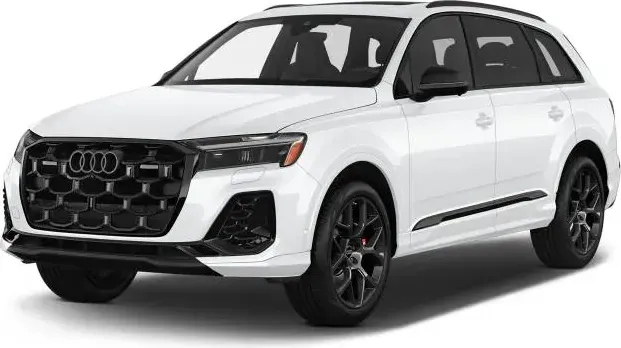
- Owner complaints
- 74
- Share of all complaints
- 20%
- Crash / fire / injury reports
- 1 / 0 / 0
- Related recalls
- 0
Audi Q7 engine complaints by model year
The 2018 Q7 has the most engine-area complaints in the supplied records, with 39, and the highest listed rate among years with sales data. Its reports include oil consumption, engine damage, and coolant leaks. The 2021 model has 13 complaints, while 2020 and 2022 each have eight. The 2019 model has five. There are no complaints listed for 2023 through 2025, but those newer vehicles have had less time to accumulate reports. The 2026 entry has one complaint and no sales rate.
| Model year | Complaints | Per 10,000 sold | Crash, fire, injury reports |
|---|---|---|---|
| 2018 | 39 | 10.5 | 1, 0, 0 |
| 2019 | 5 | 1.5 | 0, 0, 0 |
| 2020 | 8 | 3.2 | 0, 0, 0 |
| 2021 | 13 | 5.1 | 0, 0, 0 |
| 2022 | 8 | 3.9 | 0, 0, 0 |
| 2023 | 0 | 0 | 0, 0, 0 |
| 2024 | 0 | 0 | 0, 0, 0 |
| 2025 | 0 | 0 | 0, 0, 0 |
| 2026 | 1 | n/a | 0, 0, 0 |
Owner complaints filed with NHTSA under engine, engine and engine cooling. Newer model years have had less time to collect complaints.
What goes wrong
Oil use that rises over time is a recurring complaint, especially among 2018 Q7 owners. Reports describe low-oil warnings between scheduled services, frequent top-offs, misfires, and loss of power. Some owners say the engine later knocked or lost compression; others report coolant loss tied to a water pump leak. Water-pump and cooling-system complaints also appear in later model years, sometimes alongside rough idle, delayed acceleration, or a turbo-underboost warning.
These reports include serious outcomes: some drivers describe stalling or losing power on highways, and some engines were reported as failed or unrepairable. The data lists one crash among 2018 engine complaints, with no injuries or fire reports; it does not establish that the crash was caused by an engine problem. Complaints do not confirm a defect in every Q7, but coolant loss and sudden power changes warrant prompt professional assessment. Federal recall records list no recalls in this problem area.
Symptoms owners report
Rising oil consumption
Reports describe low-oil warnings between scheduled services and increasingly frequent top-offs. Some owners say oil use was followed by misfires, fouled components, knocking, loss of compression, or engine failure. The reports vary in severity and do not establish that every Q7 will develop this problem.
Coolant loss or leak
Owners report low-coolant warnings, coolant below the reservoir minimum, or a pump leak found during inspection. Some say routine checks did not reveal the loss. In several reports, coolant was found in vacuum-system parts or on the belt drive, and the vehicle was considered undrivable.
Misfire and power loss
Some drivers describe a cylinder-misfire warning followed by sudden loss of power, rough running, or stalling. A few reports say this happened at highway speed and required pulling over or towing. Other complaints mention engine knocking or lost compression, but those outcomes are not reported by all owners.
Rough idle or shaking
Reports include rough idle and surging while stopped, sometimes associated by the service center with a motor mount. One 2019 owner noticed vehicle shaking without warning lights before a shop found a leaking hydraulic mount. A separate 2026 complaint says two mounts were replaced, but the rough idle continued at first.
Turbo warning or underboost
Some complaints mention a turbocharger failure or a P0299 turbo-underboost code alongside coolant-system concerns. In the supplied reports, a 2020 owner cited turbocharger failure around 30,000 miles, while a 2022 report described underboost and coolant entering vacuum lines. These are owner reports, not confirmed diagnoses across the model.
Repairs and recalls
Owners report water-pump repairs, sometimes with a thermostat, vacuum pump, reservoir, or lines replaced as well. Reported bills range from about $1,500 to more than $6,000; these are individual accounts, not a standard estimate. Other reports describe engine or cylinder-head work after oil consumption, misfires, or compression loss, including engines owners said were unrepairable. Some owners returned for repeat diagnosis when warnings or symptoms persisted. Federal recall records list zero recalls for the engine problem area.
Checking a used Q7 for engine problems
- Review service records for repeated oil additions, low-oil warnings, misfires, or engine diagnostics.
- Ask whether the water pump or related cooling-system parts have been replaced, and request invoices.
- Have a qualified mechanic check for coolant loss, warning history, rough idle, and stored diagnostic codes.
- Ask the seller about prior highway power loss, stalling, engine knocking, or towing events.
- Confirm any reported repairs with the servicing shop and compare dates and mileage against records.
For the rest of the car, use a full Audi Q7 inspection checklist.
A VIN check shows whether the car you're looking at had its recall work done, plus accident and title history.
Audi Q7 Engine Problems: common questions
- Which Audi Q7 years have the most engine complaints?
- The 2018 Q7 has the most engine-area complaints in the supplied records, with 39. The 2021 model has 13, and 2020 and 2022 each have eight. Complaint counts reflect reports received, not the chance that a specific vehicle will fail. Newer years have had less time to collect complaints.
- Is it safe to drive a Q7 with a low-oil or low-coolant warning?
- The supplied reports include engine damage after oil consumption and power loss or stalling after coolant-related problems. They do not provide a safe-driving threshold. Treat either warning seriously, consult the owner’s manual, and contact a qualified service professional rather than continuing a trip when a warning or loss of power occurs.
- Is there an engine recall for the Audi Q7?
- The supplied federal recall records list zero recalls in the engine problem area. Owner complaints sometimes mention recalls or lawsuits, but those statements do not establish recall coverage. Check the vehicle identification number with an authorized dealer or the official recall lookup before buying; coverage can depend on the specific vehicle.
- What does an Audi Q7 water-pump repair cost?
- Individual complaints report amounts from about $1,500 to more than $6,000, depending on the reported work and parts. Some accounts include related cooling or vacuum-system components, so they are not directly comparable and should not be treated as a quote. Request a written inspection and estimate for the specific vehicle.
- What should I check before buying a used Q7 with engine concerns?
- Review oil and coolant service history, ask about prior warning lights and top-offs, and obtain invoices for pump or engine work. Have a qualified mechanic inspect the vehicle and read stored codes. Do not rely on a clean dashboard alone: one complaint says warning lights came and went, while others describe symptoms discovered during service.
Other Audi Q7 problems
Electrical & lighting
More on the Audi Q7
See incorrect data? Report an issue