Last updated: 2026-10-10
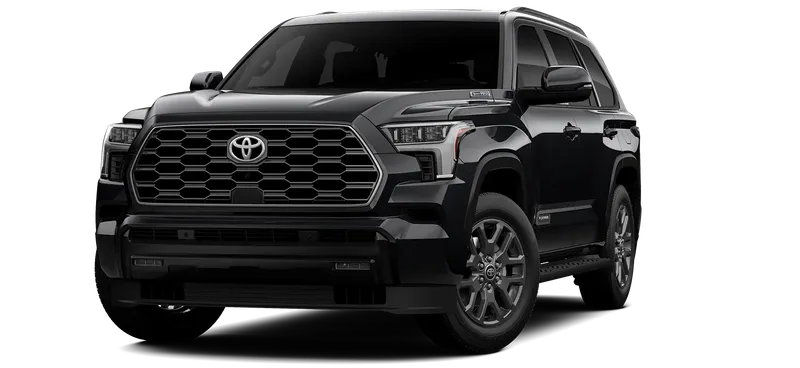
2020 Toyota Sequoia Reliability Report
The 2020 Toyota Sequoia rates good for reliability and costs less to repair than its class. The main complaint is hesitation and stalling at speed.
Recalls
2
Complaints
4
Complaint Rate
5.4per 10,000 sold
Est. Repair Cost
$642
Annual Fuel Cost
$4,000–$4,300
Detailed Score Breakdown
Component-weighted complaints normalized by sales volume
Independent repair cost ratings
Recall count weighted by severity
Breadth of reported problem categories
The Verdict
The best-scoring of the five rated Sequoia years, with only four complaints and two recalls covering steering and the fuel system.
Top Issues to Watch
- POWER TRAIN (2)
- SUSPENSION (1)
Generation & Refresh (US)
2020 is year 13 of the Second generation (XK60).
- Redesigned for the 2008 model year.
- Well-established in its generation — most early issues should be resolved.
- 2nd generation Sequoia (US).
What this means for buyers
Well into the generation cycle — most design and manufacturing issues should be resolved by now.
2008: Second generation (XK60) Launch
Generation start — new platform.
2020: This Model Year
2020 is year 13 of the Second generation (XK60).
Should You Buy the 2020 Toyota Sequoia?
Reliability is good here. This Sequoia stands above the average 2020 SUV and is the strongest of the five scored Sequoia years. The 2019 and 2021 rate about the same, so neither neighbor offers a clear reliability gain. Independent repair-cost data puts yearly repairs for the model at $642, against $784 for its class.
Owners filed just four complaints, and the two power train reports matter most. In one, the truck stops accelerating on the highway without warning, then runs normally again after a few minutes. It can also lose motive power and stall, forcing a stop on the shoulder. A dealer inspection found no fault. The other report describes a rollaway after the engine was shut off without shifting into park, and it involves an injury. Federal recall records show two recalls, covering steering and the gasoline fuel system.
Ask the seller for proof that both recalls were completed. Ask about any hesitation or stalling too. The 2021 has the same number of complaints and recalls, so it is a fair alternative. The 2019 has six recalls.
Compared to the 2021 Toyota Sequoia, which scored the same. See also the 2019 Toyota Sequoia for an earlier comparison.
Pros
- +Acceptable reliability score
- +$142 cheaper to maintain than avg fullsize SUVs
- +Low major repair risk (15%)
- +Low recall count
Cons
- −POWER TRAIN: Hesitation and stalling at speed are the more serious concern (2 complaints)
Compare 2020 Toyota Sequoia With

2020 GMC Yukon
Reliability: 71/100
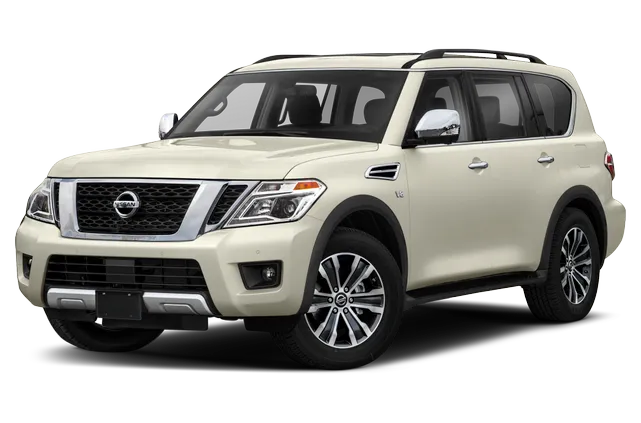
2020 Nissan Armada
Reliability: 72/100
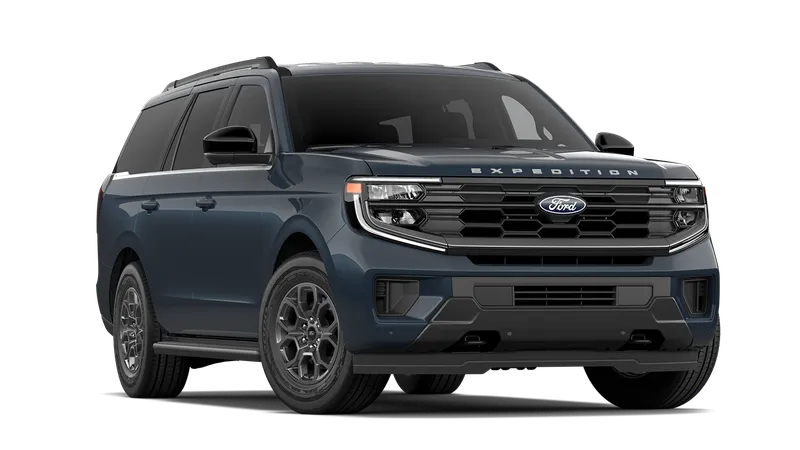
2020 Ford Expedition
Reliability: 52/100
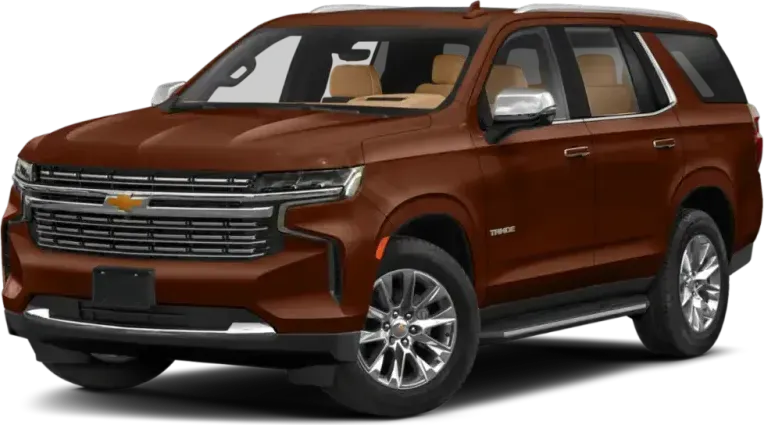
2020 Chevrolet Tahoe
Reliability: 74/100
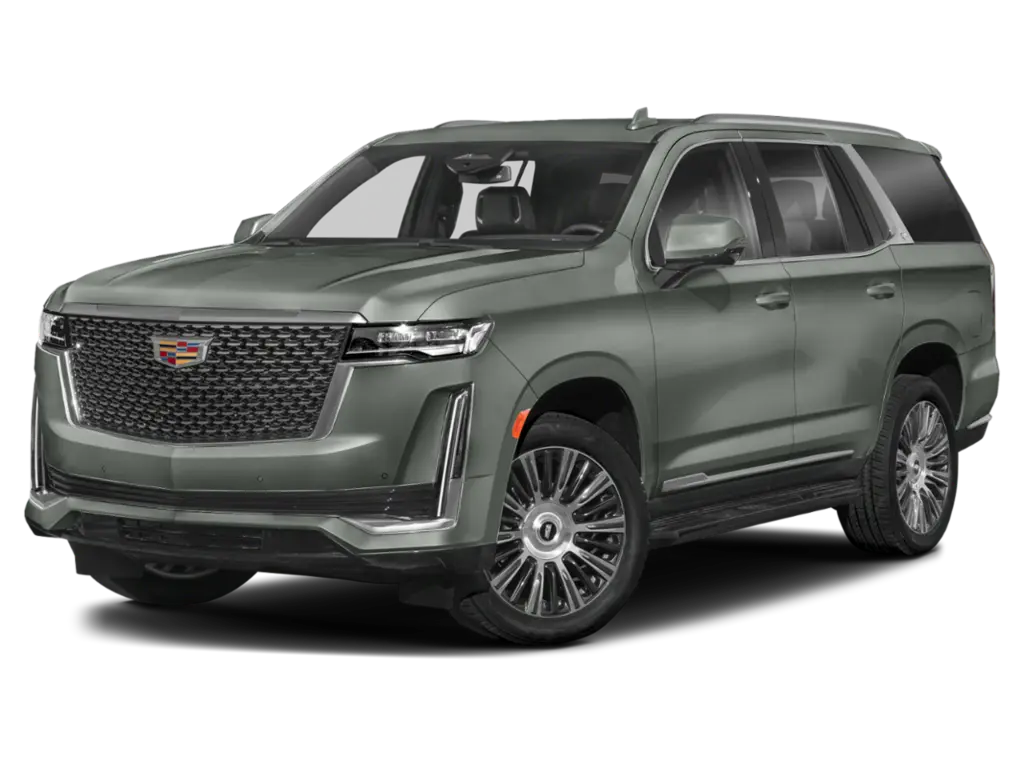
2020 Cadillac Escalade
Reliability: 66/100
Common Problem Categories
Safety
LOW RISK- 2 manufacturer recalls issued
Other
MODERATE- POWER TRAIN (2)
- UNKNOWN OR OTHER (1)
Recall Overview
2
recalls on record
The 2020 Toyota Sequoia carries 2 recalls — a low count. Authorized dealers repair any open recall free of charge, regardless of warranty status.
NHTSA.gov →Complaint Breakdown
5.4
per 10,000 soldSegment avg: 20.2
Safety Incidents
0
Crashes
0
Fires
1
Injuries
0
Deaths
Data sourced from NHTSA complaint filings and manufacturer recall notices. Complaint narratives are owner-reported.
2020 Toyota Sequoia Recall Details
2 recalls have been issued for the 2020 Toyota Sequoia. All recall repairs are performed free of charge at authorized dealerships.
STEERING
Toyota Motor Engineering & Manufacturing (Toyota) is recalling certain JTEKT power steering gear assembly service parts for 2007-2021 Tundra and 2008-2022 Sequoia, part numbers 44250-0C160, 44250-0C131, 44250-0C170, and 11250-0C121. The power steering gear assembly may have been manufactured incorrectly, which can result in an oil leak.
Consequence
An oil leak may cause a sudden loss of power steering assist, increasing the risk of a crash.
Remedy
Dealers will inspect and replace the power steering gear assembly, free of charge. Owner notification letters were mailed on February 17, 2022. Owners may contact Toyota customer service at 1-800-331-4331. Toyota's number for this recall is 21TH01.
FUEL SYSTEM, GASOLINE
Toyota Motor Engineering & Manufacturing (Toyota) is recalling certain 2018-2019 4Runner, 2019-2020 Avalon, 2019 Corolla Hatchback, 2017-2019 Highlander, 2018-2020 Camry, 2020 Corolla, 2018-2019 Land Cruiser, 2017-2020 Tacoma, 2019-2020 RAV4, 2019-2020 Sequoia, 2017-2020 Sienna, 2019-2020 Tundra, 2018-2020 Lexus ES350, 2017 Lexus GS200t, 2017-2019 Lexus GS350, 2019 Lexus GS300, 2018-2020 Lexus LC500h, 2019-2020 Lexus LS500, 2018-2019 Lexus GX460, 2017 Lexus IS200t, 2019 Lexus IS300, 2019 Lexus IS350, 2018-2020 Lexus LC500, 2018 Lexus LS500, 2019 Lexus LS500h, 2018-2019 Lexus LX570, 2017 Lexus RC200t, 2019 Lexus RC300, RC350, 2017 and 2019-2020 Lexus RX350, 2018-2020 RX350L, 2019 Lexus UX200, 2018-2019 Lexus NX300 vehicles. The low-pressure fuel pump inside the fuel tank may fail.
Consequence
If the fuel pump fails, the engine can stall while driving, increasing the risk of a crash.
Remedy
Toyota will notify owners, and dealers will replace the fuel pump assembly with an improved one, free of charge. Owners of specific models were notified that remedy parts were available starting January 21, 2021. Owners of other models will be notified as remedy parts become available. Remedy parts should be available for all affected vehicles by late March 2021. Owners may contact Toyota customer service at 1-888-270-9371 or Lexus customer service at 1-800-255-3987. Note: This recall is an expansion of recall 20V-012. Toyota's number for this recall is 20TA02. Lexus' number for this recall is 20LA01.
Buying a used 2020 Toyota Sequoia? Check its history first
Power train problems lead owner complaints about the 2020 Toyota Sequoia, and 2 recalls were issued for it. A VIN check shows whether this car's recall work was done, plus accident, title, and odometer history.
- Accidents
- Open Recalls
- Title History
- Odometer Rollback
2020 Toyota Sequoia NHTSA Safety Ratings
Crash Test Results by Configuration (expand)
Gas Powertrain
Rollover risk: 18.5%
Safety Technologies
Toyota SequoiaRepair Costs & Maintenance
Maintenance Rating
3.5Maintenance rating: 3.5 out of 5Based on NHTSA complaint patterns, recall severity, and publicly available cost benchmarks.
Est. Annual Maintenance
$642
vs $784 avg for fullsize SUVs
vs $652 avg for all vehicles
Repair Frequency
0.4
unscheduled repair visits per year
Severe Repair Probability
15%
chance of a major repair
Annual Cost Comparison
Category-level averages derived from publicly available industry reports (AAA, CarMD). Model-level estimates produced by Auto Reliability Index.
MPG & Annual Running Costs
Gas
14–15 MPG
Running cost: $4,650–$4,950/yr
Fuel + repair
13 city / 17 hwy MPG
Running cost includes EPA fuel-cost estimate and independent repair-cost data (repair cost estimated at model level). Excludes routine maintenance, depreciation, and insurance. Data as of 2020 EPA label cycle.
Gas trims
| Trim | Drive | Trans. | City | Hwy | Comb | Fuel Cost |
|---|---|---|---|---|---|---|
| Sequoia 2WD 5.7L 8-cyl | Rear-Wheel Drive | Automatic (S6) | 13 | 17 | 15 | $4,000 |
| Sequoia 4WD 5.7L 8-cyl | Part-time 4-Wheel Drive | Automatic (S6) | 13 | 17 | 14 | $4,300 |
Used Buying Checklist
Key things to inspect or verify before purchasing a 2020 Toyota Sequoia.
Accelerate firmly up to highway speed and feel for hesitation or a sudden loss of power.
Take a long test drive at mixed speeds and watch for stalling or warning lights.
Ask for service records that show dealer visits for hesitation, stalling, or loss of power complaints.
Park on a slope, shift into park, shut off the engine, and confirm the truck holds without rolling.
2020 Toyota Sequoia Common Problems by Component
4 owner complaints grouped by vehicle system.
POWER TRAIN
2 complaintsHesitation and stalling at speed are the more serious concern. The truck fails to accelerate without warning on the highway, then runs normally again after a few minutes. It can also lose motive power and stall outright, forcing a stop on the shoulder. A dealer inspection found no fault. The other complaint is a rollaway after the engine was shut off without shifting into park. That complaint reports 1 injury. With only 2 complaints on file, no broad failure pattern is visible.
UNKNOWN OR OTHER
1 complaintMOON ROOF EXPLODED WHILE WE WERE DRIVING ON SAM HOUSTON TOLL WAY. THERE WERE NO SIGNS OR ANY INDICATION OF FAULTY ROOF.
SUSPENSION
1 complaintFront strut is failing, but dealer cannot replace strut due to lack of inventory and they say a failure in the strut is only if it is leaking. Strut makes grinding/rumbling noise.
Best & Worst Toyota Sequoia Years
Best Toyota Sequoia Years to Buy
Based on reliability index score2022
2021
2020
(Current Model)
Toyota Sequoia Years to Avoid
No Toyota Sequoia years are statistical outliers in our data.
Scores stay between 69 and 72 across 5 scored model years.
Toyota Sequoia Reliability Score Trend
Scores 0–100. Higher is better. Current year highlighted.
| Year | Score | Rating |
|---|---|---|
| 2018 | 69/100 | Good |
| 2019 | 70/100 | Good |
| 2020 | 72/100 | Good |
| 2021 | 72/100 | Good |
| 2022 | 72/100 | Good |
Toyota Sequoia Reliability Compared to Other Years
Frequently Asked Questions
Is the 2020 Toyota Sequoia reliable?
What are the most common problems with the 2020 Toyota Sequoia?
Does the 2020 Toyota Sequoia stall?
Does the 2020 Toyota Sequoia have any recalls?
Is the 2020 Sequoia more reliable than the 2019 or 2021?
Don’t buy a 2020 Toyota Sequoia without checking its VIN first — hidden accidents, title issues, and open recalls could cost you thousands.
How we score the 2020 Toyota Sequoia
Of the four inputs behind this score, the 2020 Toyota Sequoia does best on recall impact (80/100) and worst on repair costs (70/100). Scores weight complaint severity at 35%, repair costs at 30%, recall impact at 20%, and the spread of complaints across systems at 15%, with complaint counts adjusted for US sales. Read the full methodology.
Get notified when new recalls or reliability data is added for the Toyota Sequoia.
No spam. Only data updates for this model.
Browse More Toyota Models

Toyota 4Runner
Score: 84/100
Toyota Avalon
Score: 80/100
Toyota C-HR
Score: 80/100
Toyota Camry
Score: 88/100
Toyota Corolla
Score: 94/100
Toyota Corolla Cross
Score: 94/100
Browse More 2020 Vehicles
2020 Lexus RX
Score: 86/100
2020 Mazda CX-5
Score: 86/100
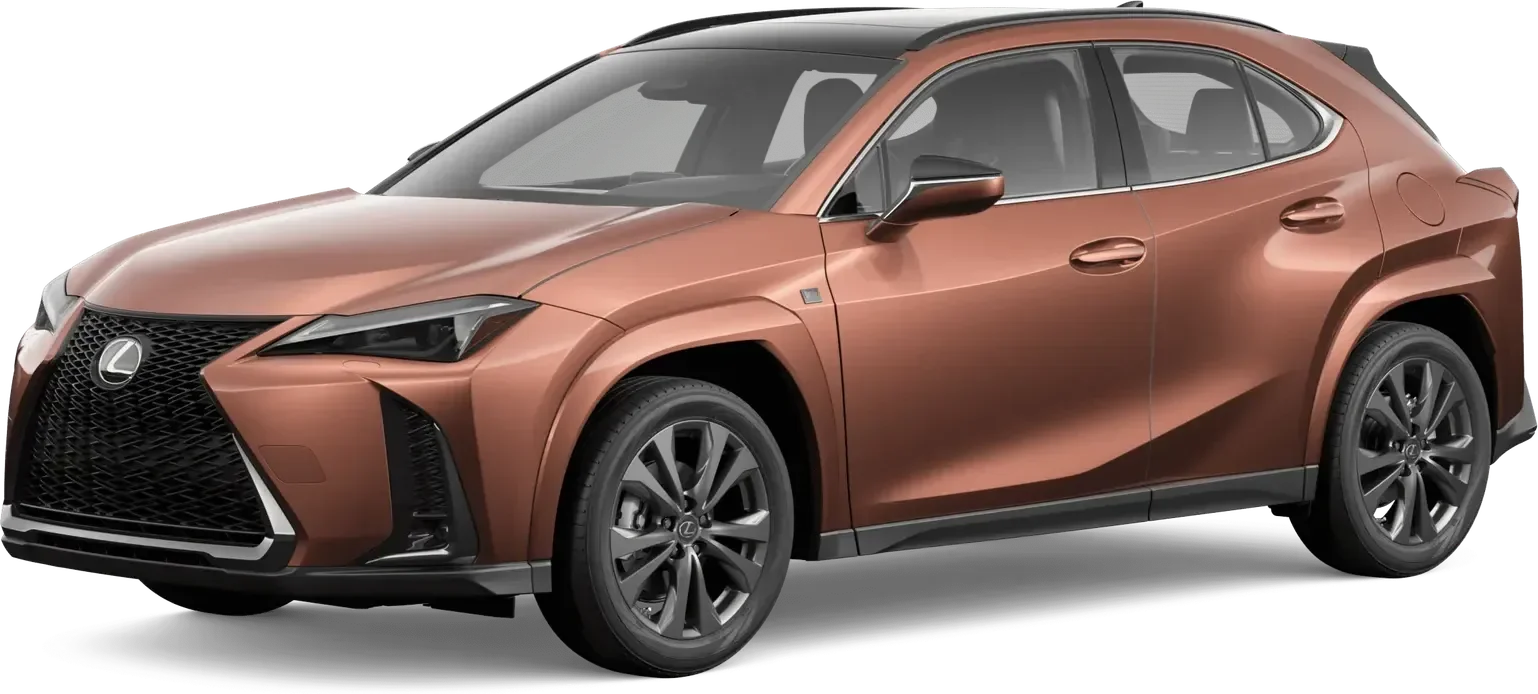
2020 Lexus UX
Score: 84/100
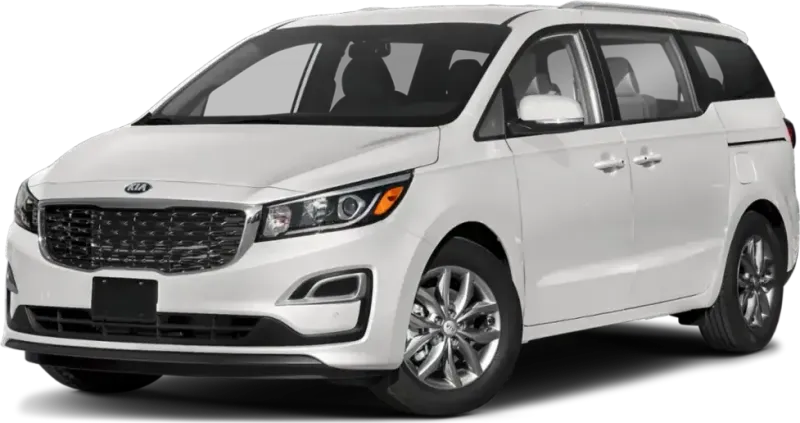
2020 Kia Sedona
Score: 83/100
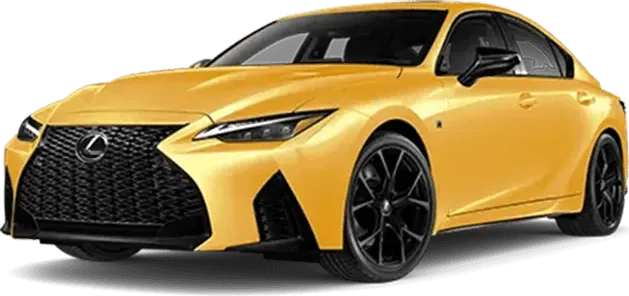
2020 Lexus IS
Score: 83/100
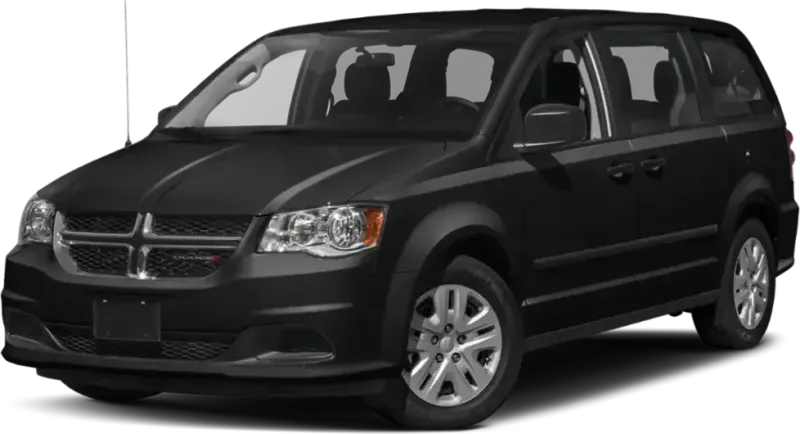
2020 Dodge Grand Caravan
Score: 83/100
See incorrect data? Report an issue