Last updated: 2026-10-10

2020 Porsche Cayenne Reliability Report
The 2020 Porsche Cayenne rates mixed and well below other 2020 SUVs, with a downshift lurch at stops and electrical faults the main complaints.
Recalls
8
Complaints
14
Complaint Rate
7.7per 10,000 sold
Est. Repair Cost
$1231
Annual Fuel Cost
$3,450–$4,050
Detailed Score Breakdown
Component-weighted complaints normalized by sales volume
Independent repair cost ratings
Recall count weighted by severity
Breadth of reported problem categories
The Verdict
Middle of the pack among Cayenne years, with a lurch at low-speed stops and trunk and camera faults leading complaints, plus eight recalls.
Top Issues to Watch
- POWER TRAIN (5)
- ELECTRICAL SYSTEM (4)
- ENGINE (2)
Generation & Refresh (US)
2020 is year 2 of the Third generation (9YA/9YB).
- Redesigned for the 2019 model year.
- A refresh arrives in 2023.
- 3rd generation Cayenne (US).
What this means for buyers
Year 2 is typically a safer pick than the first model year — early issues are more likely to be identified, but the platform is still new.
If you're comparing prices, check 2019 (redesign year) vs 2020+ pricing and recalls.
2019: Third generation (9YA/9YB) Launch
Generation start — new platform.
2020: This Model Year
2020 is year 2 of the Third generation (9YA/9YB).
2023: Mid-Cycle Refresh
Updated features and styling tweaks.
Should You Buy the 2020 Porsche Cayenne?
Among the eight Cayenne years we score, this one sits in the middle. Against other 2020 SUVs it is well below average. Independent repair-cost data puts yearly repairs for the Cayenne at $1,231, against $807 for its class. The 2019 and 2021 model years rate about the same, so neither is a clear way out.
Owners describe a lurch forward just before the car stops, as the transmission downshifts from second to first. It happens with the brake pressed. The trunk can also pop open while driving, and one such report is tied to a crash. Others report cameras that cut out and a battery that dies after about 48 hours parked. Coolant leaks and repeated water pump failures on the 4.0L V8 are rarer but expensive. Federal recall records list eight recalls, from seats and air bags to brakes and fuel.
Ask the seller for proof that every recall was completed, plus invoices for any coolant or water pump work. Test the car in stop-and-go traffic, and check that the battery holds after it sits.
Compared to the 2021 Porsche Cayenne, which scored the same. See also the 2019 Porsche Cayenne for an earlier comparison.
Pros
- +Below-average complaint rate for SUV
- +Not a first-year model
- +Only 14 complaints reported
Cons
- −Below-average reliability score
- −Above-average repair costs for its class
- −Frequent unscheduled repairs
- −Above-average recall count
Compare 2020 Porsche Cayenne With

2020 BMW X5
Reliability: 56/100

2020 Land Rover Range Rover Sport
Reliability: 42/100

2020 Audi Q7
Reliability: 65/100

2020 Mercedes-Benz GLE
Reliability: 61/100

2020 Lexus GX
Reliability: 81/100
Common Problem Categories
Safety
LOW RISK- 8 manufacturer recalls issued
Other
HIGH RISK- POWER TRAIN (5)
- ELECTRICAL SYSTEM (4)
Recall Overview
8
recalls on record
The 2020 Porsche Cayenne has 8 recalls on record, which is above average. A high count can flag multiple component concerns, though it also shows the manufacturer is actively addressing known issues.
NHTSA.gov →Complaint Breakdown
7.7
per 10,000 soldSegment avg: 20.2
Safety Incidents
1
Crashes
0
Fires
1
Injuries
0
Deaths
Data sourced from NHTSA complaint filings and manufacturer recall notices. Complaint narratives are owner-reported.
2020 Porsche Cayenne Recall Details
8 recalls have been issued for the 2020 Porsche Cayenne. All recall repairs are performed free of charge at authorized dealerships.
SEATS, AIR BAGS
Porsche Cars North America, Inc. (Porsche) is recalling certain 2021 Cayenne GTS, Cayenne GTS Coupe, 2020-2021 Cayenne Coupe, Cayenne S Coupe, Cayenne E-Hybrid Coupe vehicles. The passenger seat back heating element was not installed and may impact the calibration of the Occupant Classification System.
Consequence
The front passenger air bag may fail to deploy, increasing the risk of injury.
Remedy
Dealers will install a heating element, free of charge. Owner notification letters were mailed June 25, 2021. Owners may contact Porsche customer service at 1-800-767-7243. Porsche's number for this recall is AMB0.
ELECTRICAL SYSTEM, SERVICE BRAKES
Porsche Cars North America, Inc. (Porsche) is recalling certain 2017 Panamera 4, Panamera Turbo, Panamera Turbo Executive, 2017-2018 Panamera, Panamera 4S Executive, Panamera 4S, 2018 Panamera Turbo S Hybrid, Panamera 4 Hybrid Sport Turismo, Panamera 4 Sport Turismo, Panamera Turbo S Hybrid Sport Turismo, Panamera 4 Hybrid, Panamera 4 Executive, 2019 Cayenne Hybrid, 2019-2020 Cayenne, Cayenne S, Cayenne Turbo, 2020 Cayenne Coupe, Cayenne Turbo Coupe, and Cayenne S Coupe vehicles. The instrument cluster may not provide a visual warning when the brake pads are worn out. As a result, these vehicles fail to comply with Federal Motor Vehicle Safety Standard (FMVSS) number 135, "Light vehicle brake systems."
Consequence
If the driver is not alerted when brake pads are worn out, the vehicle may not respond as expected when braking, increasing the risk of crash.
Remedy
Porsche will notify owners, and dealers will reprogram the instrument cluster, free of charge. The recall is began December 13, 2019. Owners may contact Porsche customer service at 1-800-767-7243. Porsche's number for this recall is AKB8. Note: This recall supersedes recall 19V115 and includes vehicles that were previously remedied under that campaign.
FUEL SYSTEM, GASOLINE
Porsche Cars North America, Inc. (Porsche) is recalling certain 2019-2020 Cayenne Turbo and 2020 Cayenne Turbo Coupe, Turbo S Hybrid and Turbo S Hybrid Coupe vehicles. The fuel line quick connector located in the engine compartment may leak.
Consequence
A fuel leak in the presence of an ignition source can increase the risk of a fire.
Remedy
Porsche will notify owners, and dealers will replace the fuel line and quick connector, free of charge. The recall began September 8, 2020. Owners may contact Porsche customer service at 1-800-767-7243. Porsche's number for this recall is ALA4.
Buying a used 2020 Porsche Cayenne? Check its history first
Power train problems lead owner complaints about the 2020 Porsche Cayenne, and 8 recalls were issued for it. A VIN check shows whether this car's recall work was done, plus accident, title, and odometer history.
- Accidents
- Open Recalls
- Title History
- Odometer Rollback
2020 Porsche Cayenne NHTSA Safety Ratings
Crash Test Results by Configuration (expand)
Gas Powertrain
Rollover risk: 0.0%
Safety Technologies
Gas / HEV Powertrain
Rollover risk: 0.0%
Safety Technologies
HEV Powertrain
Rollover risk: 0.0%
Safety Technologies
Porsche CayenneRepair Costs & Maintenance
Maintenance Rating
1.5Maintenance rating: 1.5 out of 5Based on NHTSA complaint patterns, recall severity, and publicly available cost benchmarks.
Est. Annual Maintenance
$1231
vs $807 avg for luxury midsize SUVs
vs $652 avg for all vehicles
Repair Frequency
1.1
unscheduled repair visits per year
Severe Repair Probability
21%
chance of a major repair
Annual Cost Comparison
Category-level averages derived from publicly available industry reports (AAA, CarMD). Model-level estimates produced by Auto Reliability Index.
MPG & Annual Running Costs
Gas
17–20 MPG
Running cost: $4,700–$5,300/yr
Fuel + repair
15–19 city / 19–23 hwy MPG
Plug-in Hybrid
18–21 MPG
Running cost: $4,550–$5,100/yr
Fuel + repair
16–20 city / 20–22 hwy MPG
Running cost includes EPA fuel-cost estimate and independent repair-cost data (repair cost estimated at model level). Excludes routine maintenance, depreciation, and insurance. Data as of 2020 EPA label cycle.
Gas trims
| Trim | Drive | Trans. | City | Hwy | Comb | Fuel Cost |
|---|---|---|---|---|---|---|
| Cayenne 3.0L 6-cyl | All-Wheel Drive | Automatic (S8) | 19 | 23 | 20 | $3,450 |
| Cayenne Coupe 3.0L 6-cyl | All-Wheel Drive | Automatic (S8) | 19 | 23 | 20 | $3,450 |
| Cayenne S 2.9L 6-cyl | All-Wheel Drive | Automatic (S8) | 18 | 22 | 20 | $3,450 |
| Cayenne S Coupe 2.9L 6-cyl | All-Wheel Drive | Automatic (S8) | 18 | 22 | 19 | $3,650 |
| Cayenne Turbo 4.0L 8-cyl | All-Wheel Drive | Automatic (S8) | 15 | 19 | 17 | $4,050 |
| Cayenne Turbo Coupe 4.0L 8-cyl | All-Wheel Drive | Automatic (S8) | 15 | 19 | 17 | $4,050 |
Plug-in Hybrid trims
| Trim | Drive | Trans. | City | Hwy | Comb | Fuel Cost |
|---|---|---|---|---|---|---|
| Cayenne e-Hybrid 3.0L 6-cyl | All-Wheel Drive | Automatic (S8) | 20 | 22 | 21 | $3,300 |
| Cayenne e-Hybrid Coupe 3.0L 6-cyl | All-Wheel Drive | Automatic (S8) | 20 | 22 | 21 | $3,300 |
| Cayenne Turbo S e-Hybrid 4.0L 8-cyl | All-Wheel Drive | Automatic (S8) | 16 | 20 | 18 | $3,850 |
| Cayenne Turbo S e-Hybrid Coupe 4.0L 8-cyl | All-Wheel Drive | Automatic (S8) | 16 | 20 | 18 | $3,850 |
Used Buying Checklist
Key things to inspect or verify before purchasing a 2020 Porsche Cayenne.
Drive in stop-and-go traffic, brake gently to a full stop in each drive mode, and feel for a forward lurch.
Let the engine idle in park and in drive, and feel for shaking through the seats and steering wheel.
Ask for service records showing water pump or coolant hose replacements, and expect the pump to need replacing again.
Check the coolant level, look for leaks on top of the engine, and watch the temperature gauge on the drive.
Drive with the trunk closed and confirm it stays latched with no open-trunk warning.
Switch the 360-degree camera on several times and confirm the front, rear, and side views all appear.
If you plan to tow, have the 7-way connector tested with a trailer brake controller before buying.
Ask the seller whether the battery has needed jump starts after the car sat for a couple of days.
2020 Porsche Cayenne Common Problems by Component
14 owner complaints grouped by vehicle system.
POWER TRAIN
5 complaintsThe car lurches or surges forward just before it stops, as the transmission downshifts from second to first. Some reports also describe a jolt on the third-to-second downshift. It happens with the brake pedal pressed, in every drive mode, and the size of the surge is hard to predict. That makes stop-and-go traffic risky, since the car can roll a few feet closer to the vehicle or pedestrian ahead. Other reports describe a rough idle that shakes the whole car, and one says the check engine light came on. Dealers have either called it normal or mentioned a possible software fix.
ELECTRICAL SYSTEM
4 complaintsSafety-relatedThe trunk pops open by itself while the car is moving, and one such report is tied to a crash. Other failures include a factory tow package whose 7-way connector will not talk to a trailer brake controller, with one owner reporting a shock from it. The 360-degree camera system fails on and off, losing the front view, the rear view, or both, even after modules or cameras are replaced under warranty. Some owners also say the battery dies after the car sits about 48 hours, and repeat dealer visits and a software update have not fixed it.
ENGINE
2 complaintsCoolant leaks lead to overheating and very expensive repairs. A leaking coolant hose on top of the engine can overheat it, even at low mileage, and reaching the hose means removing several engine parts. On the 4.0L V8, water pump failures also repeat about every 30,000 miles, including on redesigned replacement pumps. Repairs cost thousands because much of the front end has to come off to reach the pump. Getting parts can take several weeks.
VISIBILITY/WIPER (1 complaints)
VISIBILITY/WIPER
1 complaintRearview- back up camera works intermittently. Took it to my mechanic replaced battery and camera, back up camera still works intermittently. Took it to Porsche of Spokane, they said that it was not a safety issue and all cameras would have to be replaced for $16,951.81. I have the receipts.
UNKNOWN OR OTHER (1 complaints)
UNKNOWN OR OTHER
1 complaintRear camera and surround views cameras not working intermittently.
VEHICLE SPEED CONTROL (1 complaints)
VEHICLE SPEED CONTROL
1 complaintI applied the gas pedal & the pedal seemed to stick . The vehicle kept accelerating after I took my foot off that pedal to apply brake . Car would slow when brake applied but immediately accelerated and kept increasing (speed was well over 90 mph & climbing ) when brake was released . This happened 3 times before the “stuck”pedal released. Another driver (retired mechanic) had driven the car and had similar experience a week prior and mentioned their experience. I didn’t realize how serious the incident could be. I called dealership but first available service appointment (scheduled) is Feb. 23,2022
BACK OVER PREVENTION (1 complaints)
BACK OVER PREVENTION
1 complaintThe back up cameras and surround view have failed multiple times since August 2020. Back up cameras were made mandatory safety equipment requirements for all new cars manufactured after 2018 due to safety concerns. The federal government mandated the cameras to prevent “back over” accidents of young children who are not otherwise visible to the driver. There have been multiple attempts to repair the cameras on this vehicle, including replacing all cameras, replacing all wiring harnesses/pigtails, replacing the coax cable for the cameras as well as module/software updates. The vehicle has been at the authorized service center multiple times with it being there 105 out of the past 112 days; the vehicle was "fixed" for 4 days before the back up camera failed again. The manufacture has been unable to repair the vehicle to have reliable working cameras. We have spoken with others about the same failure of the back up camera system.
Best & Worst Porsche Cayenne Years
Best Porsche Cayenne Years to Buy
Based on reliability index scorePorsche Cayenne Years to Avoid
No Porsche Cayenne years are statistical outliers in our data.
Scores stay between 56 and 62 across 8 scored model years.
Porsche Cayenne Reliability Score Trend
Scores 0–100. Higher is better. Current year highlighted.
| Year | Score | Rating |
|---|---|---|
| 2018 | 62/100 | Good |
| 2019 | 56/100 | Mixed |
| 2020 | 58/100 | Mixed |
| 2021 | 58/100 | Mixed |
| 2022 | 60/100 | Good |
| 2023 | 61/100 | Good |
| 2024 | 57/100 | Mixed |
| 2025 | 61/100 | Good |
Porsche Cayenne Reliability Compared to Other Years
2020 Porsche Cayenne Reliability by Powertrain
The 2020 Porsche Cayenne is available with 3powertrain options. Here's how they compare on reliability.
| Powertrain | Complaints | Recalls | Incidents* | Crash Rating |
|---|---|---|---|---|
| Gas | 0 | 1 | 0 | N/T |
| Gas / HEV | 14 | 4 | 1 | N/T |
| HEV | 0 | 3 | 0 | N/T |
| Total | 14 | 8 | 1 |
NHTSA tracks complaints by vehicle configuration when that detail is available. Model-level reports that do not identify a specific powertrain are included in Total but not assigned to a row. A plus sign indicates a confirmed minimum; — means no complaints could be attributed to that specific powertrain. N/T = Not tested by NHTSA.
* Incidents = crash + fire reports. A single complaint can include multiple incident types.
Frequently Asked Questions
Is the 2020 Porsche Cayenne reliable?
What are the most common problems with the 2020 Porsche Cayenne?
Why does the 2020 Porsche Cayenne lurch when stopping?
Does the 2020 Porsche Cayenne have electrical problems?
How many recalls does the 2020 Porsche Cayenne have?
Don’t buy a 2020 Porsche Cayenne without checking its VIN first — hidden accidents, title issues, and open recalls could cost you thousands.
How we score the 2020 Porsche Cayenne
Of the four inputs behind this score, the 2020 Porsche Cayenne does best on how many systems draw complaints (79/100) and worst on repair costs (30/100). Scores weight complaint severity at 35%, repair costs at 30%, recall impact at 20%, and the spread of complaints across systems at 15%, with complaint counts adjusted for US sales. Read the full methodology.
Get notified when new recalls or reliability data is added for the Porsche Cayenne.
No spam. Only data updates for this model.
Browse More Porsche Models

Porsche 911
Score: 68/100

Porsche Boxster
Score: 70/100

Porsche Macan
Score: 65/100

Porsche Taycan
Score: 70/100
Browse More 2020 Vehicles
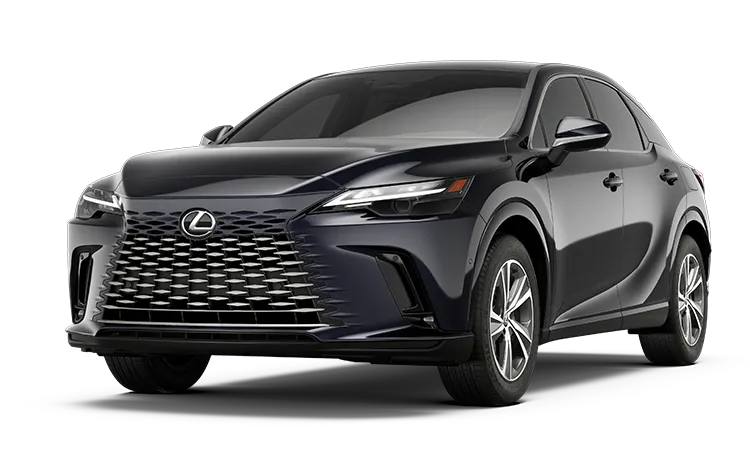
2020 Lexus RX
Score: 86/100

2020 Mazda CX-5
Score: 86/100
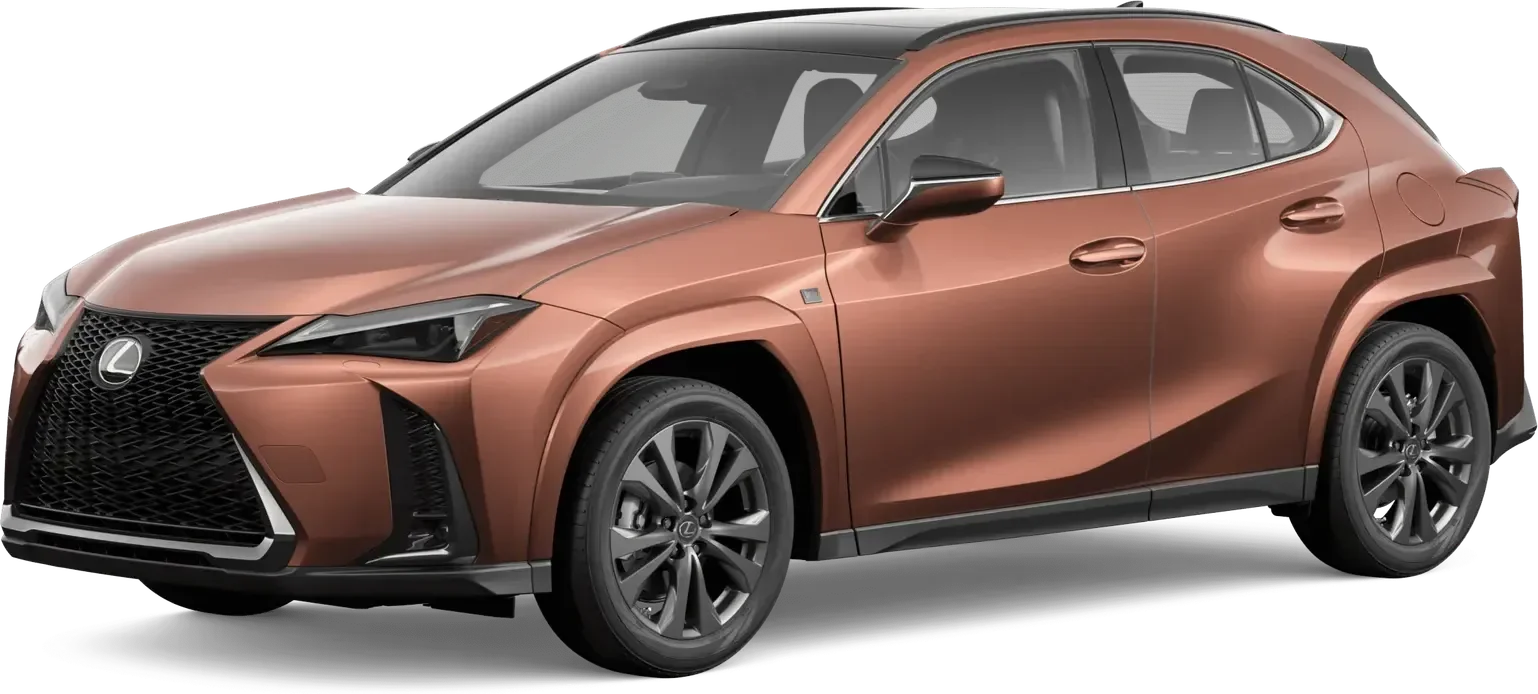
2020 Lexus UX
Score: 84/100

2020 Kia Sedona
Score: 83/100

2020 Lexus IS
Score: 83/100
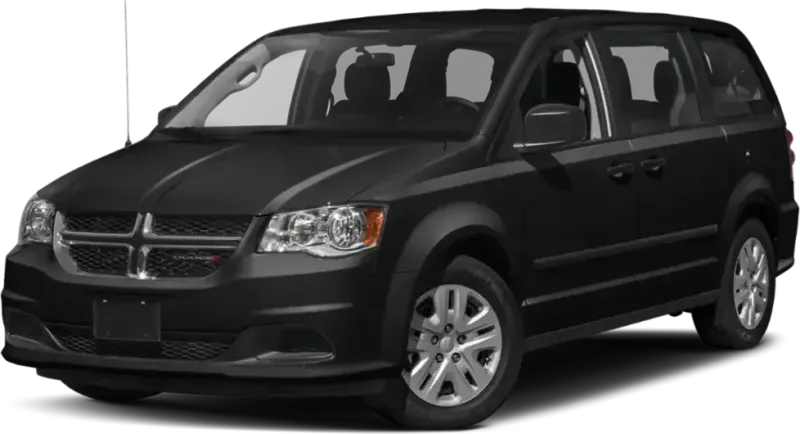
2020 Dodge Grand Caravan
Score: 83/100
See incorrect data? Report an issue