Last updated: 2026-10-10

2022 Porsche Cayenne Reliability Report
The 2022 Porsche Cayenne has a good reliability standing, but model-wide repairs cost more than its class and it has five recalls.
Recalls
5
Complaints
1
Complaint Rate
0.5per 10,000 sold
Est. Repair Cost
$1231
Annual Fuel Cost
$3,650–$4,300
Detailed Score Breakdown
Component-weighted complaints normalized by sales volume
Independent repair cost ratings
Recall count weighted by severity
Breadth of reported problem categories
The Verdict
Middle of the pack among Cayenne years, with a good standing, five recalls, and a single owner complaint about an electrical failure at 8,000 miles.
Top Issues to Watch
- ELECTRICAL SYSTEM (1)
Generation & Refresh (US)
2022 is year 4 of the Third generation (9YA/9YB).
- Redesigned for the 2019 model year.
- Well-established in its generation — most early issues should be resolved.
- A refresh arrives in 2023.
- 3rd generation Cayenne (US).
What this means for buyers
Well into the generation cycle — most design and manufacturing issues should be resolved by now.
2019: Third generation (9YA/9YB) Launch
Generation start — new platform.
2022: This Model Year
2022 is year 4 of the Third generation (9YA/9YB).
2023: Mid-Cycle Refresh
Updated features and styling tweaks.
Should You Buy the 2022 Porsche Cayenne?
Good on its own record, but not a cheap one to keep. Reliability standing is good, yet against other 2022 SUVs it ranks well below average, and it lands in the middle of the eight scored Cayenne years. Independent repair-cost data puts yearly repairs for the model at $1231, against $807 for its class. The 2021 is rated mixed and the 2023 good, and both rate about the same as this year.
Owner complaints are thin. There is one, an electrical system failure at 8,000 miles. One report is too little to call a pattern. The recalls say more. Federal recall records list five, covering suspension, tires, the electrical system and back over prevention.
Ask the seller for the recall history by VIN and proof that all five were completed. Budget for repair bills above the class norm. The 2023 is also rated good and has four recalls, so it is worth pricing side by side.
Compared to the 2023 Porsche Cayenne, which scored 1 points higher. See also the 2021 Porsche Cayenne for an earlier comparison.
Pros
- +Acceptable reliability score
- +Below-average complaint rate for SUV
- +Well-established generation
- +Only 1 complaints reported
Cons
- −Above-average repair costs for its class
- −Frequent unscheduled repairs
- −Moderate recall count
Compare 2022 Porsche Cayenne With

2022 BMW X5
Reliability: 67/100

2022 Land Rover Range Rover Sport
Reliability: 53/100

2022 Audi Q7
Reliability: 67/100

2022 Mercedes-Benz GLE
Reliability: 68/100

2022 Lexus GX
Reliability: 81/100
Common Problem Categories
Safety
LOW RISK- 5 manufacturer recalls issued
Other
LOW RISK- ELECTRICAL SYSTEM (1)
Recall Overview
5
recalls on record
A moderate 5 recalls are on file for the 2022 Porsche Cayenne. Each one points to a specific safety or compliance issue identified by the manufacturer or NHTSA — check the list below before buying.
NHTSA.gov →Complaint Breakdown
0.5
per 10,000 soldSegment avg: 13.5
Safety Incidents
0
Crashes
0
Fires
0
Injuries
0
Deaths
Data sourced from NHTSA complaint filings and manufacturer recall notices. Complaint narratives are owner-reported.
2022 Porsche Cayenne Recall Details
5 recalls have been issued for the 2022 Porsche Cayenne. All recall repairs are performed free of charge at authorized dealerships.
SUSPENSION, TIRES
Porsche Cars North America, Inc. (Porsche) is recalling certain 2021-2022 Cayenne vehicles. The rear axle alignment may not have been inspected after the repairs for Recall 21V-271 (AMA9) were performed.
Consequence
Rear axle misalignment may cause premature or uneven tire wear, increasing the risk of a crash.
Remedy
Dealers will inspect the rear axle, adjust the alignment as necessary, and replace any prematurely or unevenly worn tires, free of charge. Owner notification letters were mailed March 10, 2022. Owners may contact Porsche customer service at 1-800-767-7243. Porsche's number for this recall is ANA1.
ELECTRICAL SYSTEM
Porsche Cars North America, Inc. (Porsche) is recalling various models and model years. Please see the recall report for a list of the included vehicles. When using the industrial 220V/240V plug at the 100% charge setting, some home power outlets may be incapable of handling the electrical current required to utilize the compact charging system, causing the outlet or charging cable to overheat.
Consequence
An overheated outlet or charging cable can increase the risk of a fire.
Remedy
Owners are advised not to use the 220V/240V compact/portable charging cable and only use the 110V home charging cable or public charging stations. Dealers will supply a new 220V/240V compact/portable charging cable with an incorporated temperature sensor, free of charge. Owner notification letters were mailed on October 24, 2024. A second notice will be sent once remedy parts become available, anticipated mid-2024. Owners may contact Porsche customer service at 1-800-767-7243. Porsche's number for this recall is APB6.
BACK OVER PREVENTION
Porsche Cars North America, Inc. (Porsche) is recalling certain 2019-2025 Cayenne, Cayenne E-Hybrid, 2020-2025 911, Taycan, 2024-2025 Panamera, and 2025 Panamera E-Hybrid vehicles. The rearview camera image may not display when the vehicle is placed in reverse. As such, these vehicles fail to comply with the requirements of Federal Motor Vehicle Safety Standard (FMVSS) number 111, "Rear Visibility."
Consequence
A rearview image that does not display properly reduces the driver's view behind the vehicle, increasing the risk of a crash.
Remedy
Dealers will update the driver assistance software, free of charge. Owner notification letters were mailed February 13, 2026. Owners may contact Porsche customer service at 1-800-767-7243. Porsche's number for this recall is ASB2. Vehicle Identification Numbers (VINs) involved in this recall will be searchable on NHTSA.gov beginning January 19, 2026.
Buying a used 2022 Porsche Cayenne? Check its history first
Electrical system problems lead owner complaints about the 2022 Porsche Cayenne, and 5 recalls were issued for it. A VIN check shows whether this car's recall work was done, plus accident, title, and odometer history.
- Accidents
- Open Recalls
- Title History
- Odometer Rollback
2022 Porsche Cayenne NHTSA Safety Ratings
Crash Test Results by Configuration (expand)
Gas Powertrain
Rollover risk: 0.0%
Safety Technologies
HEV Powertrain
Rollover risk: 0.0%
Safety Technologies
Porsche CayenneRepair Costs & Maintenance
Maintenance Rating
1.5Maintenance rating: 1.5 out of 5Based on NHTSA complaint patterns, recall severity, and publicly available cost benchmarks.
Est. Annual Maintenance
$1231
vs $807 avg for luxury midsize SUVs
vs $652 avg for all vehicles
Repair Frequency
1.1
unscheduled repair visits per year
Severe Repair Probability
21%
chance of a major repair
Annual Cost Comparison
Category-level averages derived from publicly available industry reports (AAA, CarMD). Model-level estimates produced by Auto Reliability Index.
MPG & Annual Running Costs
Gas
16–19 MPG
Running cost: $4,900–$5,550/yr
Fuel + repair
14–17 city / 19–22 hwy MPG
Plug-in Hybrid
18–21 MPG
Running cost: $4,550–$5,100/yr
Fuel + repair
17–20 city / 20–22 hwy MPG
Running cost includes EPA fuel-cost estimate and independent repair-cost data (repair cost estimated at model level). Excludes routine maintenance, depreciation, and insurance. Data as of 2022 EPA label cycle.
Gas trims
| Trim | Drive | Trans. | City | Hwy | Comb | Fuel Cost |
|---|---|---|---|---|---|---|
| Cayenne 3.0L 6-cyl | All-Wheel Drive | Automatic (S8) | 17 | 22 | 19 | $3,650 |
| Cayenne / Cayenne Coupe 3.0L 6-cyl | All-Wheel Drive | Automatic (S8) | 17 | 22 | 19 | $3,650 |
| Cayenne S 2.9L 6-cyl | All-Wheel Drive | Automatic (S8) | 16 | 22 | 18 | $3,850 |
| Cayenne S Coupe 2.9L 6-cyl | All-Wheel Drive | Automatic (S8) | 16 | 21 | 18 | $3,850 |
| Cayenne GTS 4.0L 8-cyl | All-Wheel Drive | Automatic (S8) | 15 | 19 | 17 | $4,050 |
| Cayenne GTS Coupe 4.0L 8-cyl | All-Wheel Drive | Automatic (S8) | 15 | 19 | 17 | $4,050 |
| Cayenne Turbo Coupe 4.0L 8-cyl | All-Wheel Drive | Automatic (S8) | 15 | 20 | 17 | $4,050 |
| Cayenne Turbo 4.0L 8-cyl | All-Wheel Drive | Automatic (S8) | 14 | 19 | 16 | $4,300 |
| Cayenne Turbo GT Coupe 4.0L 8-cyl | All-Wheel Drive | Automatic (S8) | 14 | 19 | 16 | $4,300 |
Plug-in Hybrid trims
| Trim | Drive | Trans. | City | Hwy | Comb | Fuel Cost |
|---|---|---|---|---|---|---|
| Cayenne/Coupe E-Hybrid 3.0L 6-cyl | All-Wheel Drive | Automatic (S8) | 20 | 22 | 21 | $3,300 |
| Cayenne Turbo S/Coupe E-Hybrid 4.0L 8-cyl | All-Wheel Drive | Automatic (S8) | 17 | 20 | 18 | $3,850 |
Used Buying Checklist
Key things to inspect or verify before purchasing a 2022 Porsche Cayenne.
Inspect rearview camera functionality when shifting to reverse
Check for intermittent electrical system warnings on dashboard
Verify if all recall repairs have been completed
2022 Porsche Cayenne Common Problems by Component
1 owner complaints grouped by vehicle system.
ELECTRICAL SYSTEM
1 complaintThe contact owns a 2022 Porsche Cayenne. The contact stated that the message that the mileage could not be recorded was intermittently displayed while driving. Additionally, the contact stated that the rearview camera was intermittently inoperable after shifting to reverse(R). The vehicle was taken to the dealer, and the cameras were replaced; however, the failure recurred approximately 5 months later. The vehicle was taken back to the dealer, where the contact was informed that the vehicle could not be repaired because the failure could not be duplicated. The contact had received notification of NHTSA Campaign Number: 25V896000 (Back Over Prevention), which the contact associated with the failure. The vehicle was not yet repaired. The manufacturer was notified of the failure. The failure mileage was approximately 8,000.
When Do 2022 Porsche Cayenne Problems Start?
Based on owner complaint patterns, here's when common issues tend to appear.
Best & Worst Porsche Cayenne Years
Best Porsche Cayenne Years to Buy
Based on reliability index score2018
2023
2022
(Current Model)
Porsche Cayenne Years to Avoid
No Porsche Cayenne years are statistical outliers in our data.
Scores stay between 56 and 62 across 8 scored model years.
Porsche Cayenne Reliability Score Trend
Scores 0–100. Higher is better. Current year highlighted.
| Year | Score | Rating |
|---|---|---|
| 2018 | 62/100 | Good |
| 2019 | 56/100 | Mixed |
| 2020 | 58/100 | Mixed |
| 2021 | 58/100 | Mixed |
| 2022 | 60/100 | Good |
| 2023 | 61/100 | Good |
| 2024 | 57/100 | Mixed |
| 2025 | 61/100 | Good |
Porsche Cayenne Reliability Compared to Other Years
2022 Porsche Cayenne Reliability by Powertrain
The 2022 Porsche Cayenne is available with 2powertrain options. Here's how they compare on reliability.
| Powertrain | Complaints | Recalls | Incidents* | Crash Rating |
|---|---|---|---|---|
| Gas | 1 | 2 | 0 | N/T |
| HEV | 0 | 3 | 0 | N/T |
| Total | 1 | 5 | 0 |
NHTSA tracks complaints by vehicle configuration when that detail is available. Model-level reports that do not identify a specific powertrain are included in Total but not assigned to a row. A plus sign indicates a confirmed minimum; — means no complaints could be attributed to that specific powertrain. N/T = Not tested by NHTSA.
* Incidents = crash + fire reports. A single complaint can include multiple incident types.
Frequently Asked Questions
Is the 2022 Porsche Cayenne reliable?
What are the most common problems with the 2022 Porsche Cayenne?
How many recalls does the 2022 Porsche Cayenne have?
How much does it cost to maintain a Porsche Cayenne?
Is the 2022 Porsche Cayenne better than the 2023?
Don’t buy a 2022 Porsche Cayenne without checking its VIN first — hidden accidents, title issues, and open recalls could cost you thousands.
How we score the 2022 Porsche Cayenne
Of the four inputs behind this score, the 2022 Porsche Cayenne does best on recall impact (75/100) and worst on repair costs (30/100). Scores weight complaint severity at 35%, repair costs at 30%, recall impact at 20%, and the spread of complaints across systems at 15%, with complaint counts adjusted for US sales. Read the full methodology.
Get notified when new recalls or reliability data is added for the Porsche Cayenne.
No spam. Only data updates for this model.
Browse More Porsche Models

Porsche 911
Score: 68/100

Porsche Boxster
Score: 70/100

Porsche Macan
Score: 65/100

Porsche Taycan
Score: 70/100
Browse More 2022 Vehicles
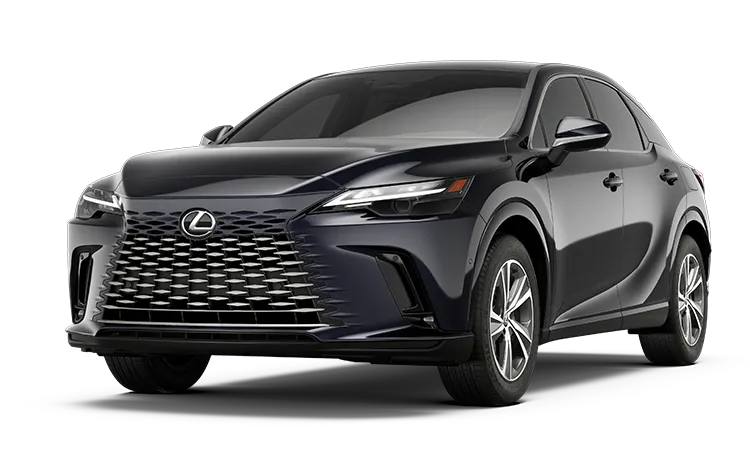
2022 Lexus RX
Score: 90/100
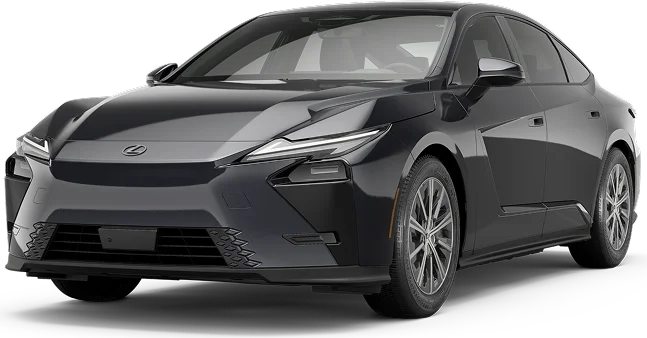
2022 Lexus ES
Score: 88/100

2022 Mazda CX-5
Score: 87/100
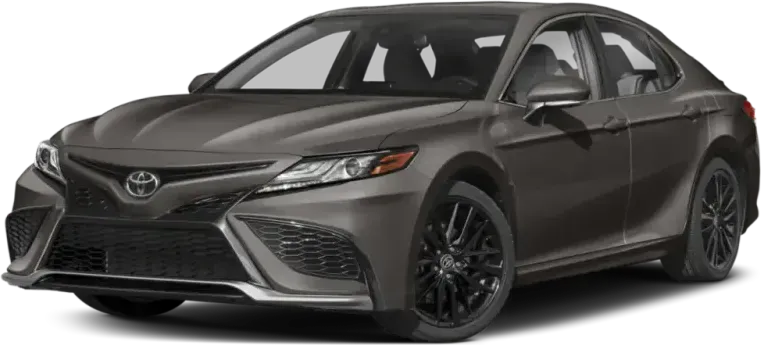
2022 Toyota Camry
Score: 84/100

2022 Honda HR-V
Score: 83/100
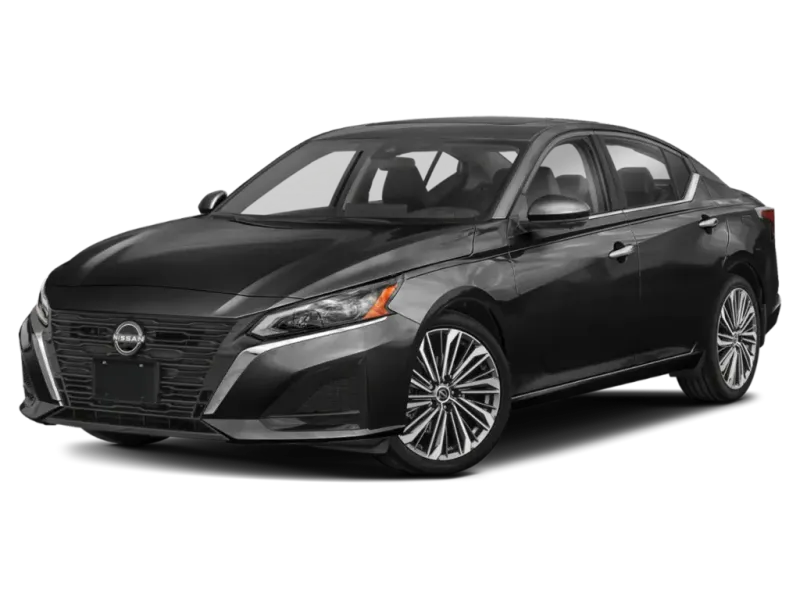
2022 Nissan Altima
Score: 83/100
See incorrect data? Report an issue