Last updated: 2026-10-10

2023 Porsche 911 Reliability Report
The 2023 Porsche 911 rates mixed and sits well below other 2023 sedans, with six recalls, one of them a do-not-drive notice.
Recalls
6
Complaints
2
Complaint Rate
1.7per 10,000 sold
Est. Repair Cost
$1072
Annual Fuel Cost
$3,300–$4,300
Detailed Score Breakdown
Component-weighted complaints normalized by sales volume
Independent repair cost ratings
Recall count weighted by severity
Breadth of reported problem categories
The Verdict
The final 992-generation year and the weakest of the scored years, with six recalls including a do-not-drive notice despite only two owner complaints.
Top Issues to Watch
- ELECTRICAL SYSTEM (1)
Generation & Refresh (US)
2023 is the last model year of the Eighth generation (992).
- Final-year models are typically the most refined version of a generation.
- 8th generation 911 (US).
What this means for buyers
Final-year models are usually the most polished version of a generation, but resale value may dip as buyers anticipate the next redesign.
2020: Eighth generation (992) Launch
Generation start — new platform.
2023: This Model Year
2023 is the last model year of the Eighth generation (992).
2024: Mid-Cycle Refresh
Updated features and styling tweaks.
Should You Buy the 2023 Porsche 911?
Mixed is the fair label, though this year sits at the soft end of it. Against other 2023 sedans, it is well below average, and it is the weakest of the 911's scored model years. The 2022 is also rated mixed but rates about the same as its class, so the neighboring year stands higher. Owners filed only 2 complaints, but that low count does not offset the recalls or the cost of keeping one running. Independent repair-cost data puts that at $1072 a year model-wide against $739 for its class.
The one owner problem with a mileage is the center lock bolt self-tightening, which shows up between 0 and 5,000 miles. The bigger concern is recalls. Federal records list six for this year, covering back over prevention, seat belts, wheels, visibility, structure and air bags, air bags, and exterior lighting. One is a do-not-drive recall, meaning the car should not be driven until it is fixed.
Before buying, ask for proof that every recall was completed, especially the do-not-drive one. Have the wheel hardware checked, since the center lock bolt is the owner-reported issue. The 2022 stands higher, though it has more complaints and recalls on record.
Compared to the 2025 Porsche 911, which scored 10 points higher. See also the 2022 Porsche 911 for an earlier comparison.
Pros
- +Below-average complaint rate for Sedan
- +Well-established generation
- +Only 2 complaints reported
Cons
- −Below-average reliability score
- −Above-average repair costs for its class
- −Above-average recall count
- −UNKNOWN OR OTHER (1)
- −Safety recall: park-it advisory issued
Compare 2023 Porsche 911 With
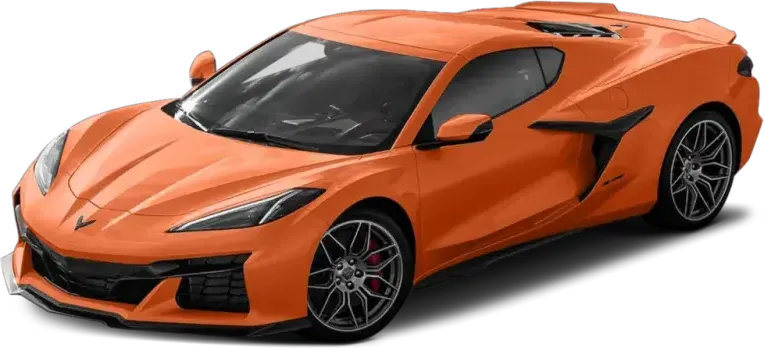
2023 Chevrolet Corvette
Reliability: 73/100
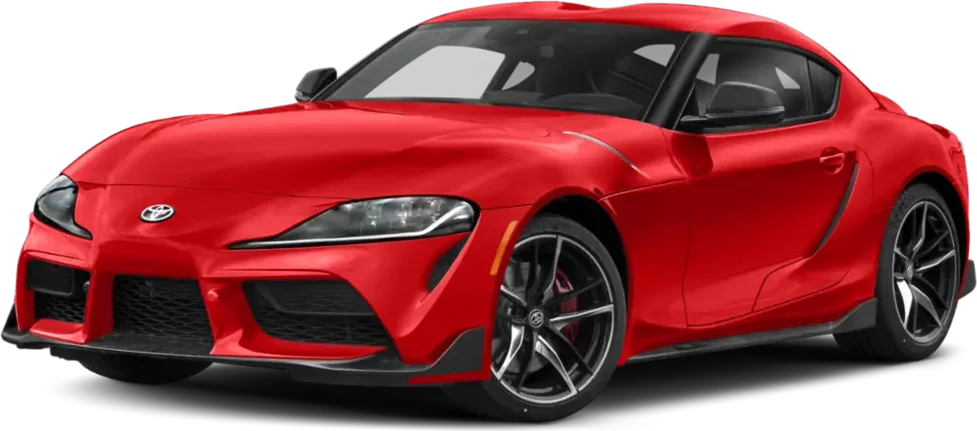
2023 Toyota Supra
Reliability: 69/100
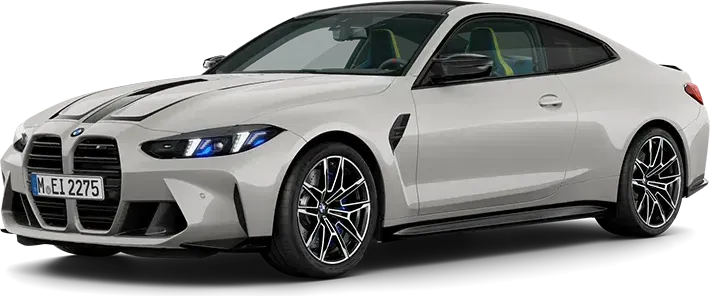
2023 BMW 4 Series
Reliability: 63/100
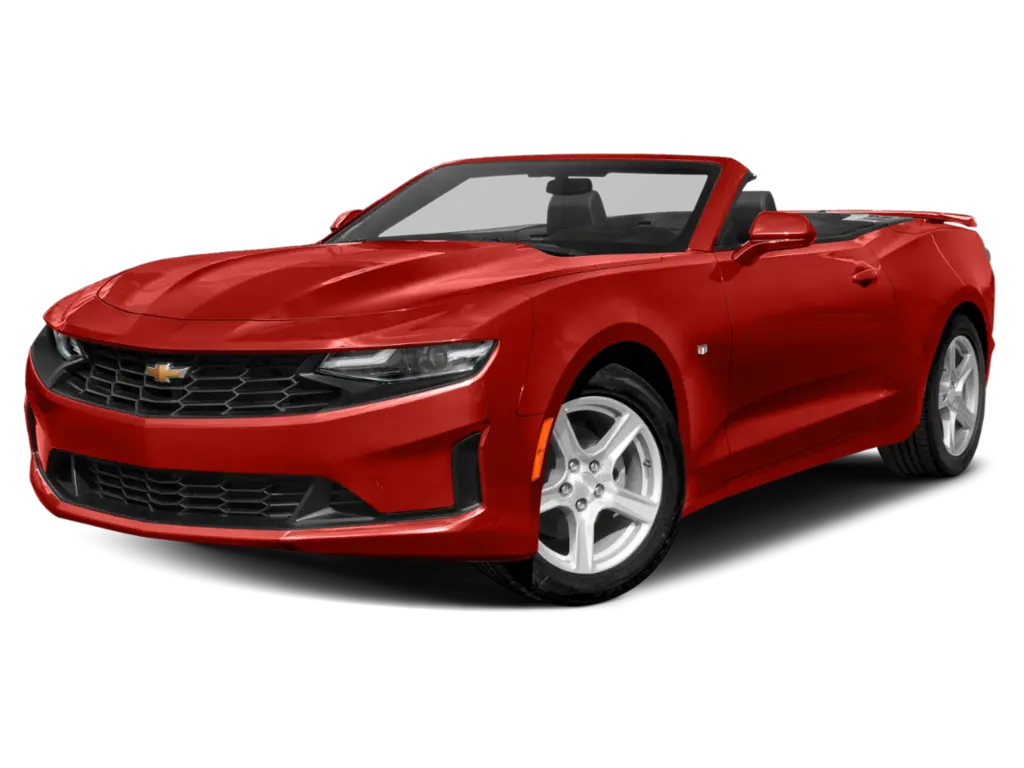
2023 Chevrolet Camaro
Reliability: 81/100
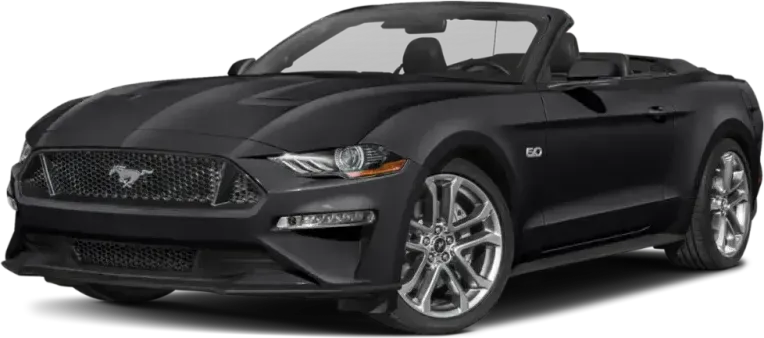
2023 Ford Mustang
Reliability: 72/100
Common Problem Categories
Safety
LOW RISK- 6 manufacturer recalls issued
Other
MODERATE- UNKNOWN OR OTHER (1)
- ELECTRICAL SYSTEM (1)
Recall Overview
6
recalls on record
The 2023 Porsche 911 has 6 recalls on record, which is above average. A high count can flag multiple component concerns, though it also shows the manufacturer is actively addressing known issues.
NHTSA.gov →Complaint Breakdown
1.7
per 10,000 soldSegment avg: 14.4
Safety Incidents
0
Crashes
0
Fires
0
Injuries
0
Deaths
Data sourced from NHTSA complaint filings and manufacturer recall notices. Complaint narratives are owner-reported.
2023 Porsche 911 Recall Details
6 recalls have been issued for the 2023 Porsche 911. All recall repairs are performed free of charge at authorized dealerships.
BACK OVER PREVENTION
Porsche Cars North America, Inc. (Porsche) is recalling certain 2019-2025 Cayenne, Cayenne E-Hybrid, 2020-2025 911, Taycan, 2024-2025 Panamera, and 2025 Panamera E-Hybrid vehicles. The rearview camera image may not display when the vehicle is placed in reverse. As such, these vehicles fail to comply with the requirements of Federal Motor Vehicle Safety Standard (FMVSS) number 111, "Rear Visibility."
Consequence
A rearview image that does not display properly reduces the driver's view behind the vehicle, increasing the risk of a crash.
Remedy
Dealers will update the driver assistance software, free of charge. Owner notification letters were mailed February 13, 2026. Owners may contact Porsche customer service at 1-800-767-7243. Porsche's number for this recall is ASB2. Vehicle Identification Numbers (VINs) involved in this recall will be searchable on NHTSA.gov beginning January 19, 2026.
SEAT BELTS
Porsche Cars North America, Inc. (Porsche) is recalling certain 2023 911 vehicles. The bolts for the rear seat belt buckles may not be tightened properly.
Consequence
A loose seat belt buckle may not properly restrain an occupant during a crash, increasing the risk of injury.
Remedy
Dealers will inspect and tighten the rear seat belt buckle bolt, and reposition the aluminum butyl soundproofing mat as necessary, free of charge. Owner notification letters were mailed April 1, 2025. Owners may contact Porsche customer service at 1-800-767-7243. Porsche's number for this recall is ASA0.
WHEELS
Porsche Cars North America, Inc. (Porsche) is recalling certain 2025 Panamera, 2024 718 Cayman GT4 RS, 718 Spyder RS, and 2021-2024 911 vehicles. The center lock wheel bolt may fracture and cause the wheel to detach.
Consequence
Wheel detachment can result in a loss of vehicle control, increasing the risk of a crash.
Remedy
Owners should not drive their vehicles until they have been repaired. Dealers will check the center lock wheel fastening system and replace any incorrectly manufactured parts, as necessary, free of charge. Owner notification letters were mailed on January 24, 2024. Owners may contact Porsche customer service at 1-800-767-7243. Porsche's number for this recall is ARC4.
Buying a used 2023 Porsche 911? Check its history first
Electrical system problems lead owner complaints about the 2023 Porsche 911, and 6 recalls were issued for it. A VIN check shows whether this car's recall work was done, plus accident, title, and odometer history.
- Accidents
- Open Recalls
- Title History
- Odometer Rollback
2023 Porsche 911 NHTSA Safety Ratings
Crash Test Results by Configuration (expand)
Gas Powertrain
Rollover risk: 0.0%
Safety Technologies
Porsche 911Repair Costs & Maintenance
Maintenance Rating
2Maintenance rating: 2 out of 5Based on NHTSA complaint patterns, recall severity, and publicly available cost benchmarks.
Est. Annual Maintenance
$1072
vs $739 avg for luxury midsize cars
vs $652 avg for all vehicles
Repair Frequency
0.5
unscheduled repair visits per year
Severe Repair Probability
22%
chance of a major repair
Annual Cost Comparison
Category-level averages derived from publicly available industry reports (AAA, CarMD). Model-level estimates produced by Auto Reliability Index.
MPG & Annual Running Costs
Gas
16–21 MPG
Running cost: $4,350–$5,350/yr
Fuel + repair
14–18 city / 18–25 hwy MPG
Running cost includes EPA fuel-cost estimate and independent repair-cost data (repair cost estimated at model level). Excludes routine maintenance, depreciation, and insurance. Data as of 2023 EPA label cycle.
Gas trims
| Trim | Drive | Trans. | City | Hwy | Comb | Fuel Cost |
|---|---|---|---|---|---|---|
| 911 Carrera S 3.0L 6-cyl | Rear-Wheel Drive | Manual 7-spd | 18 | 25 | 21 | $3,300 |
| 911 Carrera 3.0L 6-cyl | Rear-Wheel Drive | Automatic (AM-S8) | 18 | 24 | 20 | $3,450 |
| 911 Carrera 4 3.0L 6-cyl | All-Wheel Drive | Automatic (AM-S8) | 18 | 24 | 20 | $3,450 |
| 911 Carrera 4 Cabriolet 3.0L 6-cyl | All-Wheel Drive | Automatic (AM-S8) | 18 | 24 | 20 | $3,450 |
| 911 Carrera 4S 3.0L 6-cyl | All-Wheel Drive | Automatic (AM-S8) | 18 | 23 | 20 | $3,450 |
| 911 Carrera 4S 3.0L 6-cyl | All-Wheel Drive | Manual 7-spd | 17 | 25 | 20 | $3,450 |
| 911 Carrera 4S Cabriolet 3.0L 6-cyl | All-Wheel Drive | Automatic (AM-S8) | 18 | 23 | 20 | $3,450 |
| 911 Carrera 4S Cabriolet 3.0L 6-cyl | All-Wheel Drive | Manual 7-spd | 17 | 24 | 20 | $3,450 |
| 911 Carrera Cabriolet 3.0L 6-cyl | Rear-Wheel Drive | Automatic (AM-S8) | 18 | 24 | 20 | $3,450 |
| 911 Carrera GTS 3.0L 6-cyl | Rear-Wheel Drive | Manual 7-spd | 17 | 24 | 20 | $3,450 |
| 911 Carrera GTS Cabriolet 3.0L 6-cyl | Rear-Wheel Drive | Manual 7-spd | 17 | 24 | 20 | $3,450 |
| 911 Carrera S 3.0L 6-cyl | Rear-Wheel Drive | Automatic (AM-S8) | 18 | 23 | 20 | $3,450 |
| 911 Carrera S Cabriolet 3.0L 6-cyl | Rear-Wheel Drive | Automatic (AM-S8) | 18 | 23 | 20 | $3,450 |
| 911 Carrera S Cabriolet 3.0L 6-cyl | Rear-Wheel Drive | Manual 7-spd | 17 | 25 | 20 | $3,450 |
| 911 Carrera T 3.0L 6-cyl | Rear-Wheel Drive | Automatic (AM-S8) | 18 | 24 | 20 | $3,450 |
| 911 Carrera T 3.0L 6-cyl | Rear-Wheel Drive | Manual 7-spd | 17 | 25 | 20 | $3,450 |
| 911 Targa 4 3.0L 6-cyl | All-Wheel Drive | Automatic (AM-S8) | 18 | 24 | 20 | $3,450 |
| 911 Targa 4S 3.0L 6-cyl | All-Wheel Drive | Automatic (AM-S8) | 18 | 23 | 20 | $3,450 |
| 911 Targa 4S 3.0L 6-cyl | All-Wheel Drive | Manual 7-spd | 17 | 24 | 20 | $3,450 |
| 911 Carrera 4 GTS 3.0L 6-cyl | All-Wheel Drive | Automatic (AM-S8) | 17 | 23 | 19 | $3,650 |
| 911 Carrera 4 GTS 3.0L 6-cyl | All-Wheel Drive | Manual 7-spd | 17 | 23 | 19 | $3,650 |
| 911 Carrera 4 GTS Cabriolet 3.0L 6-cyl | All-Wheel Drive | Automatic (AM-S8) | 17 | 22 | 19 | $3,650 |
| 911 Carrera 4 GTS Cabriolet 3.0L 6-cyl | All-Wheel Drive | Manual 7-spd | 16 | 23 | 19 | $3,650 |
| 911 Carrera GTS 3.0L 6-cyl | Rear-Wheel Drive | Automatic (AM-S8) | 17 | 23 | 19 | $3,650 |
| 911 Carrera GTS Cabriolet 3.0L 6-cyl | Rear-Wheel Drive | Automatic (AM-S8) | 17 | 23 | 19 | $3,650 |
| 911 Dakar 3.0L 6-cyl | All-Wheel Drive | Automatic (AM-S8) | 16 | 24 | 19 | $3,650 |
| 911 Targa 4 GTS 3.0L 6-cyl | All-Wheel Drive | Automatic (AM-S8) | 17 | 22 | 19 | $3,650 |
| 911 Targa 4 GTS 3.0L 6-cyl | All-Wheel Drive | Manual 7-spd | 16 | 23 | 19 | $3,650 |
| 911 Sport Classic 3.7L 6-cyl | Rear-Wheel Drive | Manual 7-spd | 15 | 21 | 17 | $4,050 |
| 911 Turbo 3.7L 6-cyl | All-Wheel Drive | Automatic (AM-S8) | 15 | 20 | 17 | $4,050 |
| 911 Turbo Cabriolet 3.7L 6-cyl | All-Wheel Drive | Automatic (AM-S8) | 15 | 20 | 17 | $4,050 |
| 911 Turbo S 3.7L 6-cyl | All-Wheel Drive | Automatic (AM-S8) | 15 | 20 | 17 | $4,050 |
| 911 Turbo S Cabriolet 3.7L 6-cyl | All-Wheel Drive | Automatic (AM-S8) | 15 | 20 | 17 | $4,050 |
| 911 GT3 4.0L 6-cyl | Rear-Wheel Drive | Automatic (AM-S7) | 15 | 18 | 16 | $4,300 |
| 911 GT3 4.0L 6-cyl | Rear-Wheel Drive | Manual 6-spd | 14 | 18 | 16 | $4,300 |
| 911 GT3 RS 4.0L 6-cyl | Rear-Wheel Drive | Automatic (AM-S7) | 14 | 18 | 16 | $4,300 |
| 911 GT3 Touring 4.0L 6-cyl | Rear-Wheel Drive | Automatic (AM-S7) | 15 | 18 | 16 | $4,300 |
| 911 GT3 Touring 4.0L 6-cyl | Rear-Wheel Drive | Manual 6-spd | 14 | 18 | 16 | $4,300 |
Used Buying Checklist
Key things to inspect or verify before purchasing a 2023 Porsche 911.
Inspect center lock bolts for excessive self-tightening
Verify engine control module for error codes
Check for erratic idle and potential stalling issues
Ensure check engine light is not active
2023 Porsche 911 Common Problems by Component
2 owner complaints grouped by vehicle system.
UNKNOWN OR OTHER
1 complaintThe center lock bolts to the wheels increase in tightness when driven even a short distance. All four of my bolts have consistently tightened to over 800 ft/lbs of torque after being installed at Porsche dealerships. The car was delivered new in Sept 2023. The first attempt to remove the bolts were nearly impossible being over tight. The car was sent to the dealership to address this issue, to no resolve; Jan 8, 2024. Porsche - South Austin stated “CHECKED AND CORRECTED WHEEL TORQUE TO FACTORY SPEC OF 444 FT. LBS. INSPECTED CENTER WHEEL LOCKS FOR DAMAGE, NONE FOUND.” The wheel bolts went untouched by me or anyone else until the 2 year service at the dealership (Nov 25, 2025). They found the bolts were nearly 1000 ft/lbs!! And NOW they claim the bolts are damaged; they have been untouched since the last visit. I’m lucky they didn’t break apart from the stress. I bought 2 new center locks to replace the ‘damaged’ ones, and all four bolts on the car have again self-tightened beyond 800 ft/lbs in the ~15 mile drive to my home! This is not only dangerous. It’s been seen and identified as such before, and should be corrected as soon as possible. Porsche told me they think a ‘third party’ damaged the bolts. Besides saying they were damaged when I first pointed out the issue to them, only Porsche -South has touched those bolts between inspections. I do not have the strength or lever long enough to apply 1000 ft/lbs. I never used a power gun to install the bolts. This car has never been on a race track or auto cross event. At only 4348 miles since new, most anything that fails at this point is probably defective. Center lock bolts that are mimicking already recalled locks, are clearly defective.
ELECTRICAL SYSTEM
1 complaintCheck engine lights, engine control module, erratic idle, P0089 check engine light code. Maybe unsafe to operate & stall?
When Do 2023 Porsche 911 Problems Start?
Based on owner complaint patterns, here's when common issues tend to appear.
Best & Worst Porsche 911 Years
Best Porsche 911 Years to Buy
Based on reliability index scorePorsche 911 Years to Avoid
No Porsche 911 years are statistical outliers in our data.
Scores stay between 58 and 68 across 7 scored model years.
Porsche 911 Reliability Score Trend
Scores 0–100. Higher is better. Current year highlighted.
| Year | Score | Rating |
|---|---|---|
| 2018 | 64/100 | Good |
| 2019 | 64/100 | Good |
| 2020 | 60/100 | Good |
| 2021 | 58/100 | Mixed |
| 2022 | 58/100 | Mixed |
| 2023 | 58/100 | Mixed |
| 2025 | 68/100 | Good |
Porsche 911 Reliability Compared to Other Years
Frequently Asked Questions
Is the 2023 Porsche 911 reliable?
What are the most common problems with the 2023 Porsche 911?
Does the 2023 Porsche 911 have recalls?
How much does the 2023 Porsche 911 cost to maintain?
Is the 2023 Porsche 911 better than the 2022?
Don’t buy a 2023 Porsche 911 without checking its VIN first — hidden accidents, title issues, and open recalls could cost you thousands.
How we score the 2023 Porsche 911
Of the four inputs behind this score, the 2023 Porsche 911 does best on how many systems draw complaints (72/100) and worst on repair costs (40/100). Scores weight complaint severity at 35%, repair costs at 30%, recall impact at 20%, and the spread of complaints across systems at 15%, with complaint counts adjusted for US sales. Read the full methodology.
Get notified when new recalls or reliability data is added for the Porsche 911.
No spam. Only data updates for this model.
Browse More Porsche Models

Porsche Boxster
Score: 70/100

Porsche Cayenne
Score: 61/100
Porsche Macan
Score: 65/100

Porsche Taycan
Score: 70/100
Browse More 2023 Vehicles
2023 Lexus RX
Score: 85/100
2023 Toyota Crown
Score: 84/100
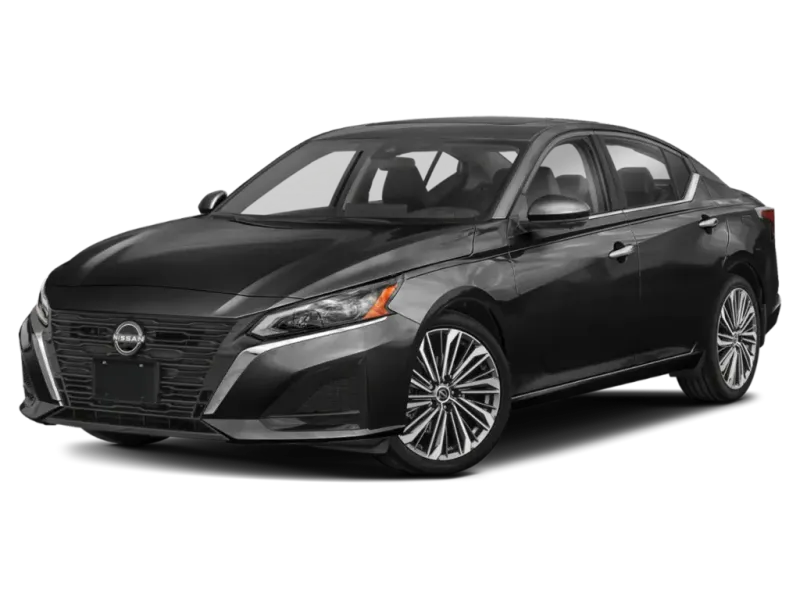
2023 Nissan Altima
Score: 84/100

2023 Lexus IS
Score: 83/100
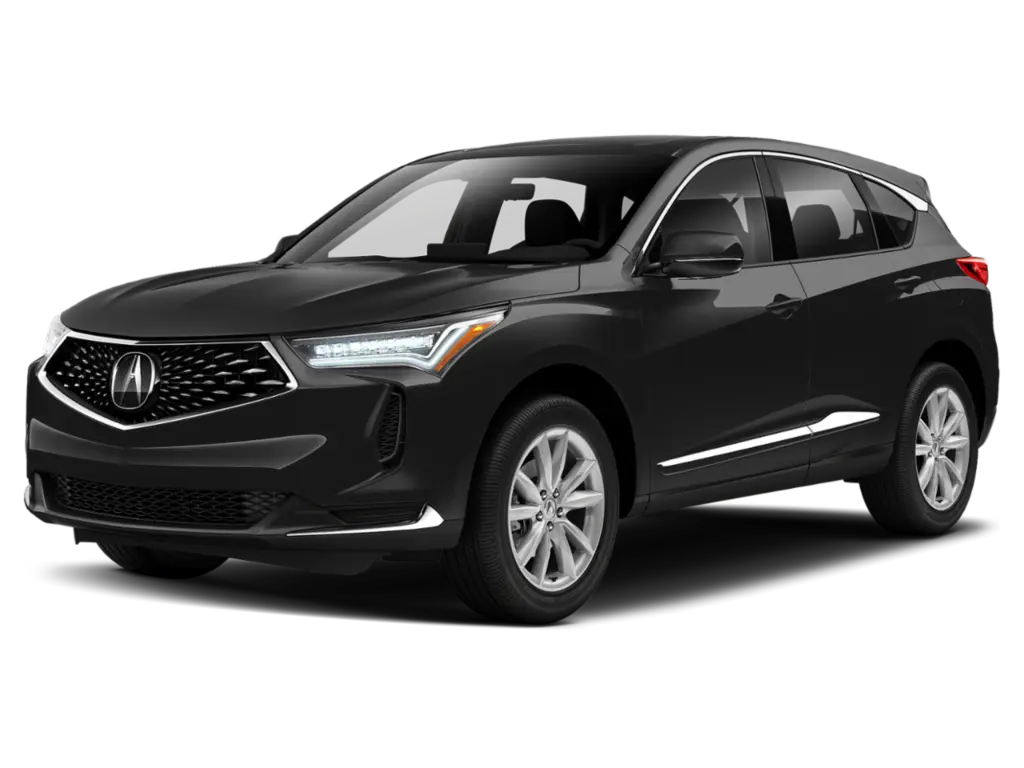
2023 Acura RDX
Score: 82/100
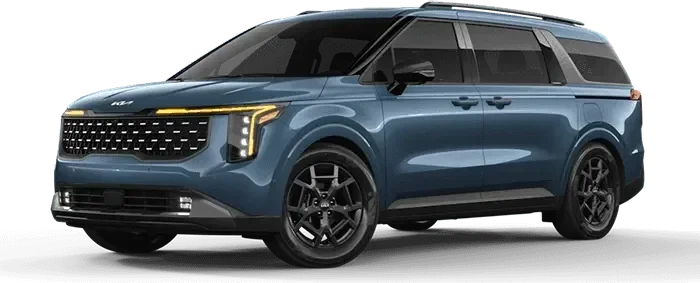
2023 Kia Carnival
Score: 82/100
See incorrect data? Report an issue