Last updated: 2026-10-10
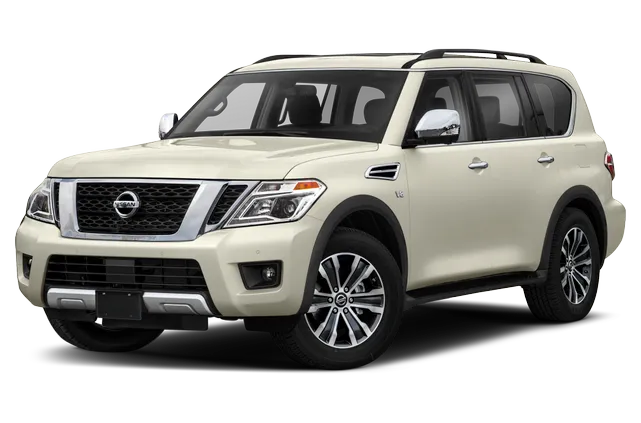
2020 Nissan Armada Reliability Report
The 2020 Nissan Armada rates good for reliability, but a recurring brake switch fault can trigger dash warnings, no-starts and unexpected braking.
Recalls
2
Complaints
26
Complaint Rate
13.2per 10,000 sold
Est. Repair Cost
$550
Annual Fuel Cost
$3,750–$4,000
Detailed Score Breakdown
Component-weighted complaints normalized by sales volume
Independent repair cost ratings
Recall count weighted by severity
Breadth of reported problem categories
The Verdict
Rated good and above its class, but owners report a brake switch fault behind dash warnings, no-starts and sudden braking, which places it among the weaker Armada years.
Top Issues to Watch
- ELECTRICAL SYSTEM (8)
- SERVICE BRAKES (3)
- EXTERIOR LIGHTING (2)
Generation & Refresh (US)
2020 is year 4 of the Second generation (Y62).
- Redesigned for the 2017 model year.
- Well-established in its generation — most early issues should be resolved.
- A refresh arrives in 2021.
- 2nd generation Armada (US).
What this means for buyers
Well into the generation cycle — most design and manufacturing issues should be resolved by now.
2017: Second generation (Y62) Launch
Generation start — new platform.
2020: This Model Year
2020 is year 4 of the Second generation (Y62).
2021: Mid-Cycle Refresh
Updated features and styling tweaks.
Should You Buy the 2020 Nissan Armada?
Good, with a catch. This is among the weaker of the nine scored Armada model years, though it sits above average against other 2020 SUVs. Independent repair-cost data puts yearly upkeep at about $550, well under the $784 typical for the class. The 2019 and 2021 model years rate about the same, so neither neighbor is a clear step up.
The problem to know about is a "BCI Malfunction" message that appears without warning and lights up other dash warnings, including intelligent key, forward emergency braking, and vehicle dynamic control. Owners link it to no-starts, rough shifting, a shifter that will not leave Park, and brakes that engage on their own, even at highway speeds. Several dealers trace it to the brake switch, and one report says a repair held only 12 to 13 months. Repeated battery drain is a second complaint. Federal records list two recalls, in equipment and in the gasoline fuel system.
Ask for service records showing brake switch or battery replacements, and confirm both recalls were completed. Dealers sometimes cannot find the fault unless the warning is lit.
Compared to the 2021 Nissan Armada, which scored 2 points higher. See also the 2019 Nissan Armada for an earlier comparison.
Pros
- +Acceptable reliability score
- +$234 cheaper to maintain than avg fullsize SUVs
- +Low major repair risk (13%)
- +Low recall count
Cons
- −ELECTRICAL SYSTEM issues reported (8 complaints)
- −UNKNOWN OR OTHER: Starting trouble tied to the BCI warning dominates these reports (5 complaints)
Compare 2020 Nissan Armada With
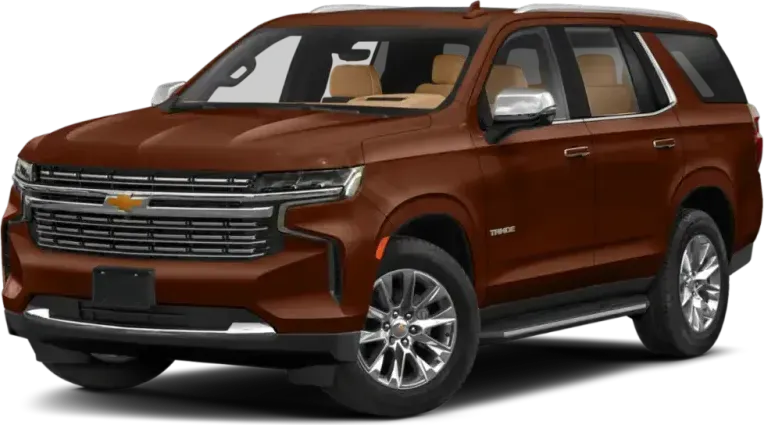
2020 Chevrolet Tahoe
Reliability: 74/100
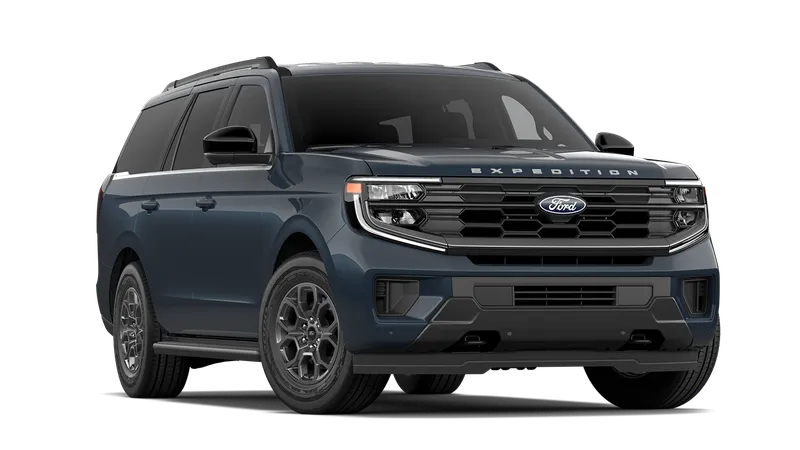
2020 Ford Expedition
Reliability: 52/100
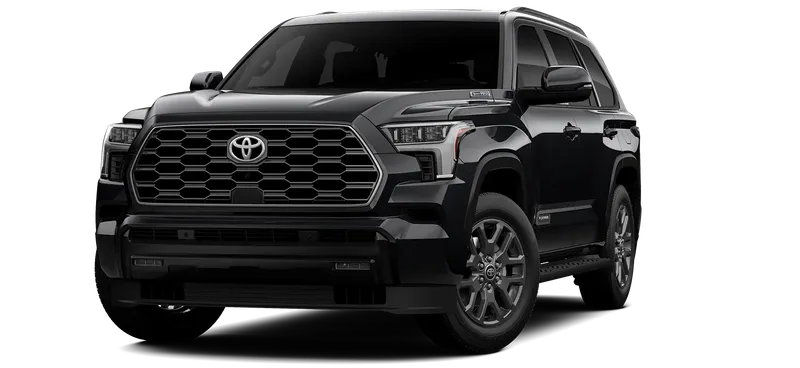
2020 Toyota Sequoia
Reliability: 72/100

2020 GMC Yukon
Reliability: 71/100

2020 Lincoln Navigator
Reliability: 60/100
Common Problem Categories
Safety
LOW RISK- 2 manufacturer recalls issued
Other
HIGH RISK- ELECTRICAL SYSTEM (8)
- UNKNOWN OR OTHER (5)
Recall Overview
2
recalls on record
The 2020 Nissan Armada carries 2 recalls — a low count. Authorized dealers repair any open recall free of charge, regardless of warranty status.
NHTSA.gov →Complaint Breakdown
13.2
per 10,000 soldSegment avg: 20.2
Safety Incidents
2
Crashes
0
Fires
3
Injuries
0
Deaths
NHTSA 4/5 Stars
Data sourced from NHTSA complaint filings and manufacturer recall notices. Complaint narratives are owner-reported.
2020 Nissan Armada Recall Details
2 recalls have been issued for the 2020 Nissan Armada. All recall repairs are performed free of charge at authorized dealerships.
EQUIPMENT
Nissan North America, Inc. (Nissan) is recalling certain 2020-2026 Nissan Armada, 2011-2013 Infiniti QX56, and 2014-2027 QX80 vehicles equipped with 22" wheels. The Gross Axle Weight Rating (GAWR) listed on the certification label is incorrect, which can allow the vehicle to be overloaded. As such, these vehicles fail to comply with the requirements of Federal Motor Vehicle Safety Standard number 110, "Tire Selection and Rims."
Consequence
An overloaded vehicle can increase the risk of a crash.
Remedy
Dealers will install new labels, free of charge. Additionally, Nissan will mail replacement labels to owners. Owner notification letters are expected to be mailed September 4, 2026. Owners may contact Nissan customer service at 1-800-867-7669. Nissan's numbers for this recall are R26B1 and R26B2. Vehicle Identification Numbers (VINs) involved in this recall became searchable on NHTSA.gov on July 16, 2026.
FUEL SYSTEM, GASOLINE
Nissan North America, Inc. (Nissan) is recalling certain 2020-2021 Nissan Armada and 2020-2021 INFINITI QX80 vehicles equipped with V8 engines. The impeller can swell and bind within the fuel pump module, causing it to fail.
Consequence
Fuel pump failure can cause an engine stall, increasing the risk of a crash.
Remedy
Dealers will replace the fuel pump module, free of charge. Owner notification letters were mailed February 4, 2022. Owners may contact Nissan customer service at 1-800-867-7669. Nissan's number for this recall is R21A2. Owners may contact INFINITI customer service at 1-800-662-6200. INFINITI's number for this recall is R21A3.
Buying a used 2020 Nissan Armada? Check its history first
Electrical system problems lead owner complaints about the 2020 Nissan Armada, and 2 recalls were issued for it. A VIN check shows whether this car's recall work was done, plus accident, title, and odometer history.
- Accidents
- Open Recalls
- Title History
- Odometer Rollback
2020 Nissan Armada NHTSA Safety Ratings
Overall Safety Rating
Crash Test Results by Configuration (expand)
Gas Powertrain
Rollover risk: 21.9%
Safety Technologies
Nissan ArmadaRepair Costs & Maintenance
Maintenance Rating
3.5Maintenance rating: 3.5 out of 5Based on NHTSA complaint patterns, recall severity, and publicly available cost benchmarks.
Est. Annual Maintenance
$550
vs $784 avg for fullsize SUVs
vs $652 avg for all vehicles
Repair Frequency
0.4
unscheduled repair visits per year
Severe Repair Probability
13%
chance of a major repair
Annual Cost Comparison
Category-level averages derived from publicly available industry reports (AAA, CarMD). Model-level estimates produced by Auto Reliability Index.
MPG & Annual Running Costs
Gas
15–16 MPG
Running cost: $4,300–$4,550/yr
Fuel + repair
13–14 city / 18–19 hwy MPG
Running cost includes EPA fuel-cost estimate and independent repair-cost data (repair cost estimated at model level). Excludes routine maintenance, depreciation, and insurance. Data as of 2020 EPA label cycle.
Gas trims
| Trim | Drive | Trans. | City | Hwy | Comb | Fuel Cost |
|---|---|---|---|---|---|---|
| Armada 2WD 5.6L 8-cyl | Rear-Wheel Drive | Automatic (S7) | 14 | 19 | 16 | $3,750 |
| Armada 4WD 5.6L 8-cyl | 4-Wheel Drive | Automatic (S7) | 13 | 18 | 15 | $4,000 |
Used Buying Checklist
Key things to inspect or verify before purchasing a 2020 Nissan Armada.
Start the truck several times with the brake pressed and confirm the push-button start works every time.
Watch the dash at startup and while driving for a BCI Malfunction message or a cluster of warning lights.
Ask for service records showing brake switch replacements or repeated BCI repairs.
Have a shop load-test the battery and check for a parasitic drain, and ask how often the battery was replaced.
Have a helper confirm the brake lights come on every time you press the pedal.
Drive in traffic and on the highway with cruise on, and watch for false braking or a dragging feeling.
Pull away from several full stops and note any hesitation, near-stall, or failure to move.
Run the VIN through a federal recall lookup and confirm all open recall work is finished.
2020 Nissan Armada Common Problems by Component
26 owner complaints grouped by vehicle system.
ELECTRICAL SYSTEM
8 complaintsA "BCI Malfunction" message appears without warning and lights up a cluster of other dash warnings, including intelligent key, forward emergency braking, and vehicle dynamic control lights. Reports link it to random braking, no-starts, rough running, rough shifting, and a shifter that will not leave Park. Several dealers trace it to the brake switch, which some owners say has been replaced more than once. A second pattern is repeated battery drain. The truck fails to start even after regular driving, batteries are replaced again and again, and some owners keep it on a trickle charger or carry a jump starter.
UNKNOWN OR OTHER
5 complaintsSafety-relatedStarting trouble tied to the BCI warning dominates these reports. The push-button start fails even with the brake pressed, the BCI Malfunction light flashes and brings up other warnings, and cycling the ignition does not clear it. Cruise control can drop out while driving. Dealers have replaced the brake switch to cure no-starts. One crash with 2 injuries followed a period when the truck felt like it was dragging, as if the parking brake were set. Power door lock problems also appear.
SERVICE BRAKES
3 complaintsBrakes engage on their own. With the BCI fault active, the truck can refuse to start, then seize its brakes or lose speed control while moving, including at highway speeds. Repairs to the brake-pedal switch are reported to hold for only about 12 to 13 months before the fault returns. Dealers sometimes cannot diagnose it unless the warning is lit at the time. Other reports describe false automatic braking when backing up or when something sits slightly in the lane, and cruise control that cannot hold speed downhill.
EXTERIOR LIGHTING (2 complaints)
EXTERIOR LIGHTING
2 complaintsBrake lights stop working because of a failing brake light switch, and the replacement does not always last. One report describes 9 switch replacements in 35 months, confirmed by the dealer, along with warning lights for the forward radar cruise and swerve control systems. This matches the brake switch problem seen in other categories. A separate concern is that the dash stays lit when the headlights are off, so drivers can travel at night without headlights and not notice.
ENGINE (2 complaints)
ENGINE
2 complaintsA check engine light keeps coming back after repairs. Dealers have replaced a purge valve, the fuel pump and O-ring, and the fuel cap in turn without a lasting fix. Other reports describe the engine nearly cutting out when pulling away from a stop sign or light, so the truck does not move when the gas is pressed. This happens in town and on highways, which creates a real risk in traffic, yet dealers report finding nothing wrong.
FUEL SYSTEM (2 complaints)
FUEL SYSTEM
2 complaintsMost of these reports are about waiting for a recall repair, not about a failure on the road. Dealers confirmed the trucks needed recall work, but the parts were on backorder and the repair could not be done. Owners describe the wait as unreasonably long and mention being told of a stop-sale. One report also describes oil leaking onto the ground while the truck was parked, and that truck was still unrepaired at the time of filing.
AIR BAGS (1 complaints)
AIR BAGS
1 complaintSafety-relatedon 12/13/25 at 2:30pm our vehicle slid on ice and we crashed into the front of a barrier. No deployment of airbags occurred but the impact was so severe it damaged the frame/suspension/radiator. Our insurance adjusted/police and tow yard were surprised that the airbags did not deploy.
FUEL/PROPULSION SYSTEM (1 complaints)
FUEL/PROPULSION SYSTEM
1 complaintAbsolutely. Here is the revised, anonymous version of your NHTSA complaint about the acceleration and incline issue—with all identifying info removed: ⸻ Component/System: Engine performance and drivetrain. My 2020 Nissan Armada experiences repeated loss of power when accelerating, especially on inclines or under load. The RPMs spike erratically, but the vehicle does not gain speed and often slows down unexpectedly. This condition has persisted despite a prior repair and continues to occur. The vehicle is available for inspection upon request. ⸻ Safety Risk: This issue places me and my children at serious risk while driving. The vehicle slows down when acceleration is needed most—such as when merging onto highways or climbing hills—creating a real danger of rear-end collisions or failed merges. The erratic RPM surges add instability and make it unsafe to rely on the vehicle in critical traffic situations like passing or freeway driving. ⸻ Confirmed by Dealer or Service Center: Yes. I brought the vehicle in for service in early 2025 after experiencing this issue. It was diagnosed with code P0025 and the exhaust valve timing control solenoid was replaced at a cost of over $1,000. However, the issue was not resolved and continues exactly as before. I returned for follow-up and was told an engine replacement might be needed, without receiving documentation or a clear explanation. ⸻ Inspected by Manufacturer, Police, or Insurance: No. The vehicle has not been inspected by Nissan corporate, police, or insurance. It has not resulted in a crash, but it remains an ongoing safety concern. ⸻ Warning Lamps or Symptoms: There were no consistent dashboard warnings. The issue began in early 2025 and occurs frequently—particularly during acceleration on hills or when the vehicle is under load. The RPMs surge, but the vehicle slows or struggles to maintain speed.
FORWARD COLLISION AVOIDANCE (1 complaints)
FORWARD COLLISION AVOIDANCE
1 complaintI have had this issue more than 5 times. When I am driving my breaks will lock up like it detects something in the road. I have had cars stop and almost rear end me multiple times. It happens at speeds higher than 20. I am very worried for my safety and my children’s safety in this vehicle.
SUSPENSION (1 complaints)
SUSPENSION
1 complaintNo warning messages or signs. It has happened twice now. The rear suspension airbag leveling system has blown out. Two separate times. The suspension is now out on the rear of the vehicle which is a safety concern. Also, when the air bag does blow, it is loud and startling. When driving and it blows up, it is very startling and then you are driving with a trailer connected and a compromised rear suspension. The airbag had been replaced once. It is possibly being over inflated making the pump the problem potentially.
Best & Worst Nissan Armada Years
Best Nissan Armada Years to Buy
Based on reliability index scoreNissan Armada Years to Avoid
No Nissan Armada years are statistical outliers in our data.
Scores stay between 70 and 75 across 9 scored model years.
Nissan Armada Reliability Score Trend
Scores 0–100. Higher is better. Current year highlighted.
| Year | Score | Rating |
|---|---|---|
| 2018 | 70/100 | Good |
| 2019 | 72/100 | Good |
| 2020 | 72/100 | Good |
| 2021 | 74/100 | Good |
| 2022 | 75/100 | Good |
| 2023 | 75/100 | Good |
| 2024 | 75/100 | Good |
| 2025 | 73/100 | Good |
| 2026 | 74/100 | Good |
Nissan Armada Reliability Compared to Other Years
Frequently Asked Questions
Is the 2020 Nissan Armada reliable?
What are the most common problems with the 2020 Nissan Armada?
Does the 2020 Nissan Armada have brake problems?
Does the 2020 Nissan Armada have recalls?
How much does the 2020 Nissan Armada cost to maintain?
Don’t buy a 2020 Nissan Armada without checking its VIN first — hidden accidents, title issues, and open recalls could cost you thousands.
How we score the 2020 Nissan Armada
Of the four inputs behind this score, the 2020 Nissan Armada does best on how many systems draw complaints (83/100) and worst on complaint severity (65/100). Scores weight complaint severity at 35%, repair costs at 30%, recall impact at 20%, and the spread of complaints across systems at 15%, with complaint counts adjusted for US sales. Read the full methodology.
Get notified when new recalls or reliability data is added for the Nissan Armada.
No spam. Only data updates for this model.
Browse More Nissan Models
Nissan Altima
Score: 88/100
Nissan Ariya
Score: 88/100
Nissan Frontier
Score: 77/100
Nissan Kicks
Score: 83/100
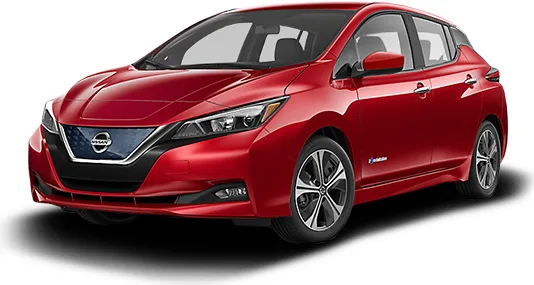
Nissan Leaf
Score: 79/100
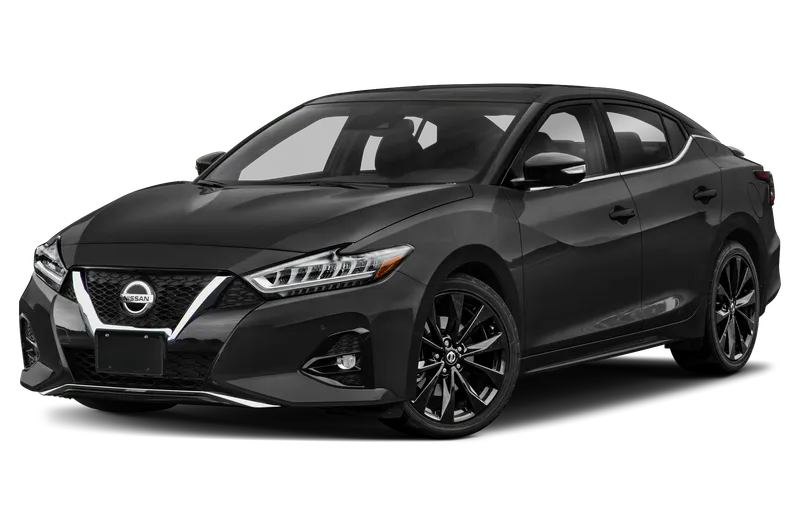
Nissan Maxima
Score: 77/100
Browse More 2020 Vehicles
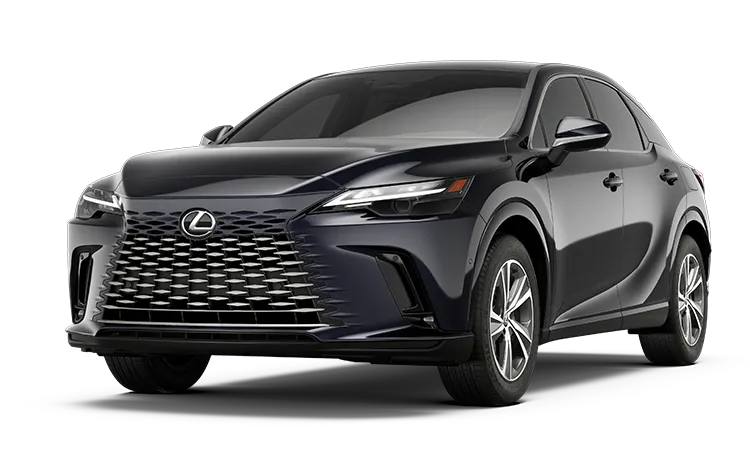
2020 Lexus RX
Score: 86/100
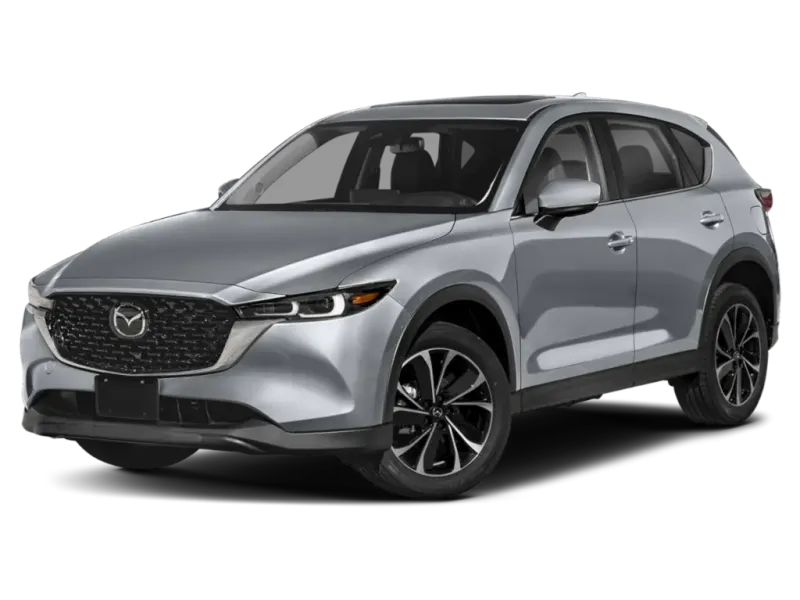
2020 Mazda CX-5
Score: 86/100
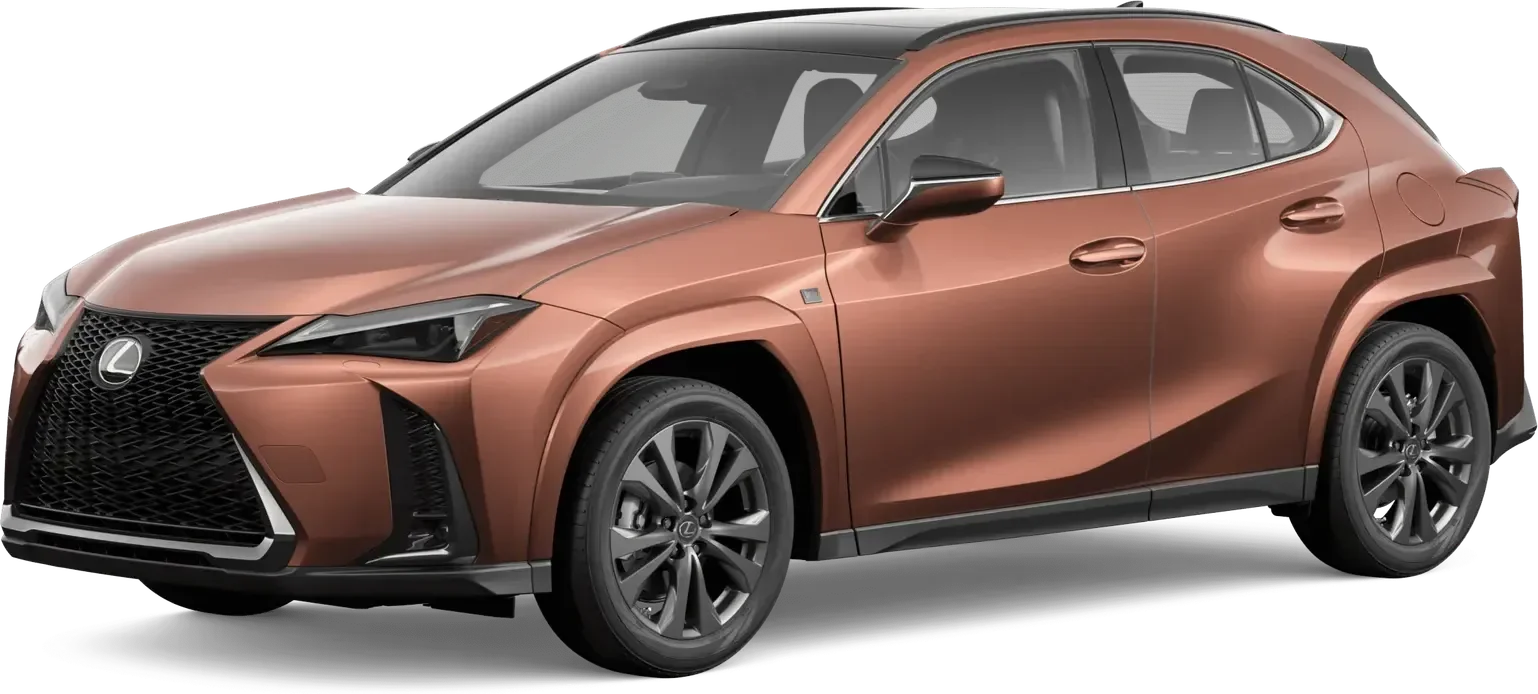
2020 Lexus UX
Score: 84/100
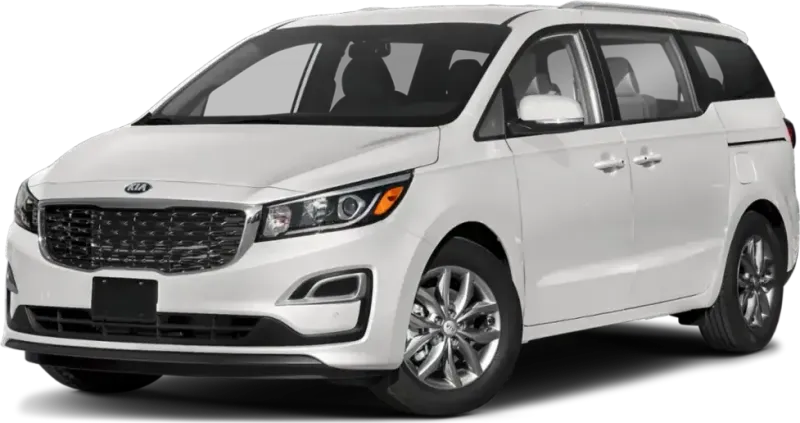
2020 Kia Sedona
Score: 83/100

2020 Lexus IS
Score: 83/100
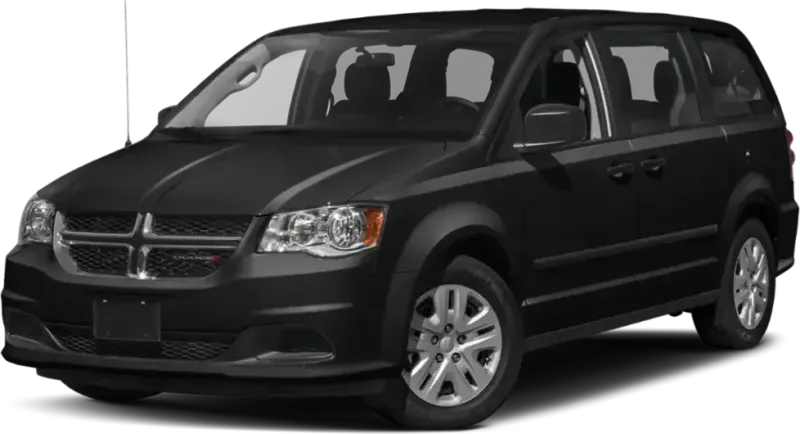
2020 Dodge Grand Caravan
Score: 83/100
See incorrect data? Report an issue