Last updated: 2026-10-10
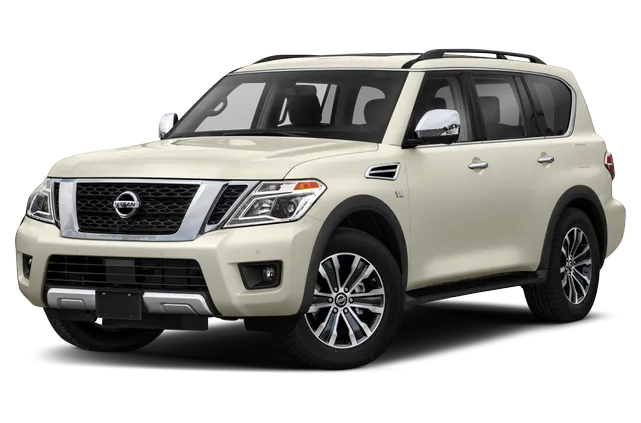
2019 Nissan Armada Reliability Report
The 2019 Nissan Armada rates good for reliability, but battery drain that leaves the SUV unable to start is its main weakness.
Recalls
1
Complaints
72
Complaint Rate
22.5per 10,000 sold
Est. Repair Cost
$550
Annual Fuel Cost
$3,750–$4,000
Detailed Score Breakdown
Component-weighted complaints normalized by sales volume
Independent repair cost ratings
Recall count weighted by severity
Breadth of reported problem categories
The Verdict
One of the weaker Armada years, held back by parked battery drain and no-start complaints, though repair costs run well below the class.
Top Issues to Watch
- ELECTRICAL SYSTEM (34)
- SUSPENSION (6)
- SERVICE BRAKES (5)
Generation & Refresh (US)
2019 is year 3 of the Second generation (Y62).
- Redesigned for the 2017 model year.
- Well-established in its generation — most early issues should be resolved.
- A refresh arrives in 2021.
- 2nd generation Armada (US).
What this means for buyers
Well into the generation cycle — most design and manufacturing issues should be resolved by now.
2017: Second generation (Y62) Launch
Generation start — new platform.
2019: This Model Year
2019 is year 3 of the Second generation (Y62).
2021: Mid-Cycle Refresh
Updated features and styling tweaks.
Should You Buy the 2019 Nissan Armada?
Reliability is good, though this is one of the weaker Armada years. It sits above average among 2019 SUVs, and both 2018 and 2020 rate about the same. Independent repair-cost data puts yearly repairs well under the class figure, and federal crash testing gave it 4 of 5 stars.
The main trouble is electrical. Of 72 owner complaints, 34 describe a battery that drains while the SUV sits parked, sometimes within minutes. The result is a no-start that needs a jump or a tow. Reports begin as early as 5,000 miles, and some owners keep replacing batteries. Fewer owners report the rear air suspension sagging or dropping suddenly, sometimes with a loud pop. A handful describe automatic emergency braking engaging at random. Federal records list one recall, for back over prevention.
Ask for repair records covering the battery, brake switch, and rear suspension. Get proof the recall work was done. The 2018 year has a similar complaint count, so it offers little relief.
Compared to the 2020 Nissan Armada, which scored the same. See also the 2018 Nissan Armada for an earlier comparison.
Pros
- +Acceptable reliability score
- +$234 cheaper to maintain than avg fullsize SUVs
- +Low major repair risk (13%)
- +Low recall count
Cons
- −ELECTRICAL SYSTEM: Battery drains while the SUV sits parked, sometimes within minutes of shutdown (34 complaints)
- −UNKNOWN OR OTHER: BCI malfunction warnings show up along with forward collision and slick-road... (10 complaints)
Compare 2019 Nissan Armada With
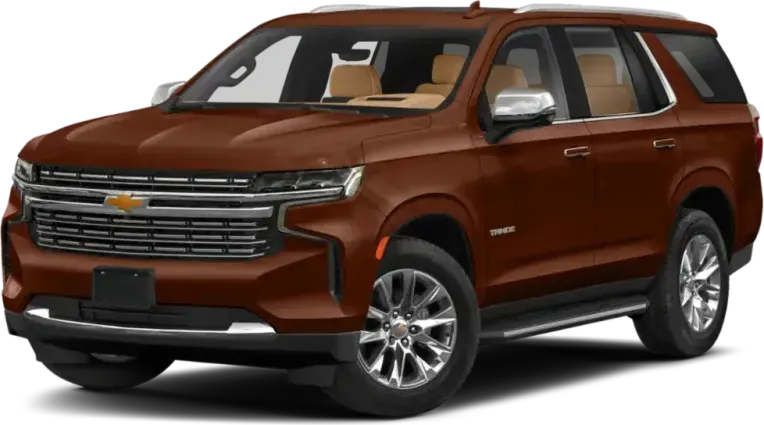
2019 Chevrolet Tahoe
Reliability: 74/100
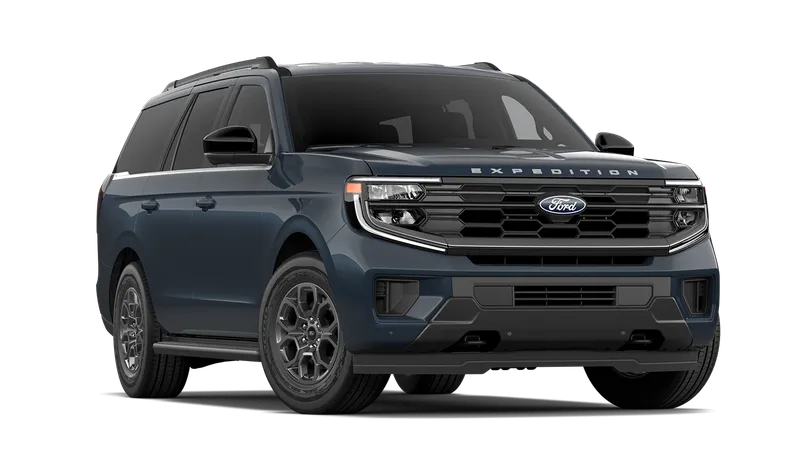
2019 Ford Expedition
Reliability: 53/100
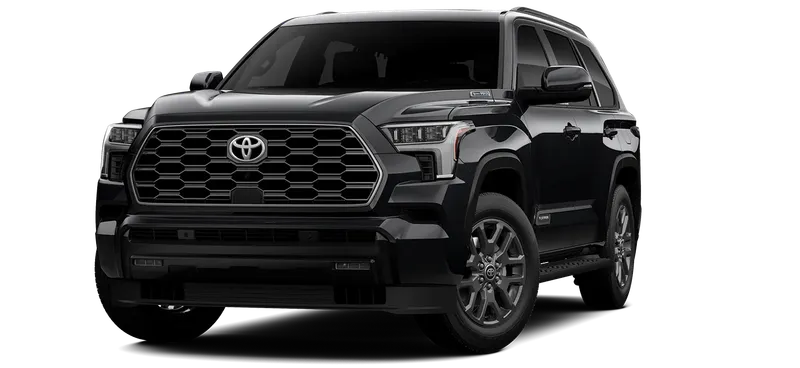
2019 Toyota Sequoia
Reliability: 70/100

2019 GMC Yukon
Reliability: 71/100

2019 Lincoln Navigator
Reliability: 59/100
Common Problem Categories
Safety
LOW RISK- 1 manufacturer recall issued
Other
HIGH RISK- ELECTRICAL SYSTEM (34)
- UNKNOWN OR OTHER (10)
Recall Overview
1
recall on record
The 2019 Nissan Armada carries 1 recall — a low count. Authorized dealers repair any open recall free of charge, regardless of warranty status.
NHTSA.gov →Complaint Breakdown
22.5
per 10,000 soldSegment avg: 21.2
Safety Incidents
4
Crashes
0
Fires
1
Injuries
0
Deaths
NHTSA 4/5 Stars
Data sourced from NHTSA complaint filings and manufacturer recall notices. Complaint narratives are owner-reported.
2019 Nissan Armada Recall Details
1 recall has been issued for the 2019 Nissan Armada. All recall repairs are performed free of charge at authorized dealerships.
BACK OVER PREVENTION
Nissan North America, Inc. (Nissan) is recalling certain 2018-2019 Nissan Altima, Armada, Frontier, Kicks, Leaf, Maxima, Murano, NV, NV200, Pathfinder, Rogue, Rogue Sport, Sentra, Titan, Titan Diesel, Versa Note and Versa Sedan vehicles, as well as Infiniti Q50, Q60, QX30 and QX80 vehicles. Additionally included are 2019 Nissan GT-R and Taxi and Infiniti QX50, QX60, Q70, Q70L vehicles. The back-up camera and display settings can be adjusted such that the rear view image is no longer visible and the system will retain that setting the next time the vehicle is placed in reverse. As such, these vehicles fail to comply with the requirements of Federal Motor Vehicle Safety Standard (FMVSS) number 111, "Rear Visibility."
Consequence
The lack of an image in the back-up camera display increases the risk of a crash.
Remedy
Nissan will notify owners in phases, having dealers update the back-up camera settings software, free of charge. The recall began November 11, 2019 and all affected VINs should be activated. Owners may contact Nissan customer service at 1-800-867-7669 or INFINITI customer service at 1-800-662-6200.
Buying a used 2019 Nissan Armada? Check its history first
Electrical system problems lead owner complaints about the 2019 Nissan Armada, and 1 recall was issued for it. A VIN check shows whether this car's recall work was done, plus accident, title, and odometer history.
- Accidents
- Open Recalls
- Title History
- Odometer Rollback
2019 Nissan Armada NHTSA Safety Ratings
Overall Safety Rating
Crash Test Results by Configuration (expand)
Gas Powertrain
Rollover risk: 21.9%
Safety Technologies
Nissan ArmadaRepair Costs & Maintenance
Maintenance Rating
3.5Maintenance rating: 3.5 out of 5Based on NHTSA complaint patterns, recall severity, and publicly available cost benchmarks.
Est. Annual Maintenance
$550
vs $784 avg for fullsize SUVs
vs $652 avg for all vehicles
Repair Frequency
0.4
unscheduled repair visits per year
Severe Repair Probability
13%
chance of a major repair
Annual Cost Comparison
Category-level averages derived from publicly available industry reports (AAA, CarMD). Model-level estimates produced by Auto Reliability Index.
MPG & Annual Running Costs
Gas
15–16 MPG
Running cost: $4,300–$4,550/yr
Fuel + repair
13–14 city / 18–19 hwy MPG
Running cost includes EPA fuel-cost estimate and independent repair-cost data (repair cost estimated at model level). Excludes routine maintenance, depreciation, and insurance. Data as of 2019 EPA label cycle.
Gas trims
| Trim | Drive | Trans. | City | Hwy | Comb | Fuel Cost |
|---|---|---|---|---|---|---|
| Armada 2WD 5.6L 8-cyl | Rear-Wheel Drive | Automatic (S7) | 14 | 19 | 16 | $3,750 |
| Armada 4WD 5.6L 8-cyl | 4-Wheel Drive | Automatic (S7) | 13 | 18 | 15 | $4,000 |
Used Buying Checklist
Key things to inspect or verify before purchasing a 2019 Nissan Armada.
Ask for service records showing repeated battery, brake switch, or body control module replacements.
Leave the SUV parked and shut off for an hour, then check that it starts normally.
Start it several times and confirm it recognizes the brake pedal and shifts out of park without delay.
Watch the dash on a test drive for BCI malfunction, sonar error, or forward collision warnings.
Look at the rear ride height after the SUV sits, and check for sagging or a bouncy rear end.
Inspect the inner edges of the rear tires for uneven wear.
Check that the screen, backup camera, and hands-free calling stay on for a full drive.
Accelerate firmly on the highway and note any lurching, engine racing, or loss of power.
2019 Nissan Armada Common Problems by Component
72 owner complaints grouped by vehicle system.
ELECTRICAL SYSTEM
34 complaintsThe battery drains while the SUV sits parked, sometimes within minutes of shutdown. The result is a no-start that needs a jump or a tow. Many owners get new batteries over and over, and the problem keeps coming back. Lights may flicker, the shifter may not leave park, and false forward collision warnings can appear. Dealers point to the brake switch, the body control module, a parasitic draw, or the smart alternator not charging fully on short trips. Reports start as early as 5,000 miles. A failing telematics module can also make the screen, hands-free calling, and backup camera cut out.
UNKNOWN OR OTHER
10 complaintsSafety-relatedBCI malfunction warnings show up along with forward collision and slick-road alerts. The SUV may then jolt forward, refuse to accelerate, or hold the brakes while in drive. One of these episodes led to a crash with an injury. The parking sonar sometimes fails to warn of obstacles while backing, which caused another crash. Sunroof glass can shatter with nothing hitting it, in one case at highway speed. The rest of the reports describe repeated no-starts that continue after new batteries and brake switch replacements.
SUSPENSION
6 complaintsThe rear air suspension fails, and the back of the SUV sags or drops suddenly, sometimes with a loud pop and no warning. A low rear end makes the vehicle unstable and hard to control, and owners say it gets worse on wet roads. Other reports describe very bouncy rear shocks and poor handling. One owner reports $1,500 to replace the rear suspension. Another reports badly worn inner rear tires and a rear end that would not align after the suspension was replaced.
SERVICE BRAKES (5 complaints)
SERVICE BRAKES
5 complaintsSafety-relatedBrakes fail to stop the SUV after a front sensor failure light comes on, and owners describe rear-end collisions at low speed. Automatic emergency braking engages at random, then shuts off and disables cruise control. Several reports tie brake-area faults to no-starts and BCI warnings, with dealers replacing the brake switch and updating software. A loud hissing from the brake pedal area also comes up. The manufacturer told one dealer this is normal because the booster is electric.
POWER TRAIN (4 complaints)
POWER TRAIN
4 complaintsThe transmission fails with no warning. The SUV lurches, the engine races, and it will not go above 20 mph, so the transmission has to be replaced. Another owner reports a loud noise from the transmission when shifting out of park, which the dealer could not find. The rest of this group describes battery drain and no-starts that return after an ECM reprogram. One dealer quoted $725 to reset and reprogram the vehicle's systems.
ENGINE (4 complaints)
ENGINE
4 complaintsSerious internal engine failures appear in a few reports. One involves ticking, damage in cylinder #6, metal debris in the engine, and a recommendation to replace it. Another describes a sudden loss of power at highway speed, a top speed of 20 mph, and coolant leaking into the engine, which led to an engine replacement after the transmission had already been replaced. The other reports in this group are really battery-drain and brake-switch no-starts filed under the engine.
BACK OVER PREVENTION (2 complaints)
BACK OVER PREVENTION
2 complaintsA Backup Collision Intervention (BCI) malfunction message appears now and then. When it does, pre-collision warnings, backup warnings, cruise control, and sonar all shut off together. The same episodes can bring hard starts that take several brake presses, and a shifter that sticks in park. Dealers have trouble finding the cause, and one vehicle went back about 4 times without a fix.
VEHICLE SPEED CONTROL (2 complaints)
VEHICLE SPEED CONTROL
2 complaintsSafety-relatedThe SUV accelerates on its own after it is shifted into drive. Hard braking does not stop it, and it hits another vehicle while a SONAR malfunction message is on the screen. Separately, a faulty start switch at the brake pedal blocks starting and shifting into gear most of the time. Owners describe long rounds of pumping the pedal and pressing the start button before the SUV starts or goes into gear. This switch problem shows up at under 24k miles, just after the warranty runs out.
SEAT BELTS (1 complaints)
SEAT BELTS
1 complaintSeat belt becomes stuck inside buckle component and will not unlatch. Buckle must be forcefully pushed in while repeatedly pressing the button to eject the seatbelt in order to release buckle
Chest Clip (1 complaints)
Chest Clip
1 complaintStraps of carseat will self loosen with and without child present. Tested with child in seat and child out of seat by lightly pulling on the straps. Harness tensioner was clear of debris on bothbseats this occured on (both same manufacture date) purchased 8/2023
Best & Worst Nissan Armada Years
Best Nissan Armada Years to Buy
Based on reliability index scoreNissan Armada Years to Avoid
No Nissan Armada years are statistical outliers in our data.
Scores stay between 70 and 75 across 9 scored model years.
Nissan Armada Reliability Score Trend
Scores 0–100. Higher is better. Current year highlighted.
| Year | Score | Rating |
|---|---|---|
| 2018 | 70/100 | Good |
| 2019 | 72/100 | Good |
| 2020 | 72/100 | Good |
| 2021 | 74/100 | Good |
| 2022 | 75/100 | Good |
| 2023 | 75/100 | Good |
| 2024 | 75/100 | Good |
| 2025 | 73/100 | Good |
| 2026 | 74/100 | Good |
Nissan Armada Reliability Compared to Other Years
Frequently Asked Questions
Is the 2019 Nissan Armada reliable?
What are the most common problems with the 2019 Nissan Armada?
Does the 2019 Nissan Armada have battery drain problems?
Has the 2019 Nissan Armada been recalled?
How much does the Nissan Armada cost to repair each year?
Don’t buy a 2019 Nissan Armada without checking its VIN first — hidden accidents, title issues, and open recalls could cost you thousands.
How we score the 2019 Nissan Armada
Of the four inputs behind this score, the 2019 Nissan Armada does best on recall impact (88/100) and worst on complaint severity (58/100). Scores weight complaint severity at 35%, repair costs at 30%, recall impact at 20%, and the spread of complaints across systems at 15%, with complaint counts adjusted for US sales. Read the full methodology.
Get notified when new recalls or reliability data is added for the Nissan Armada.
No spam. Only data updates for this model.
Browse More Nissan Models
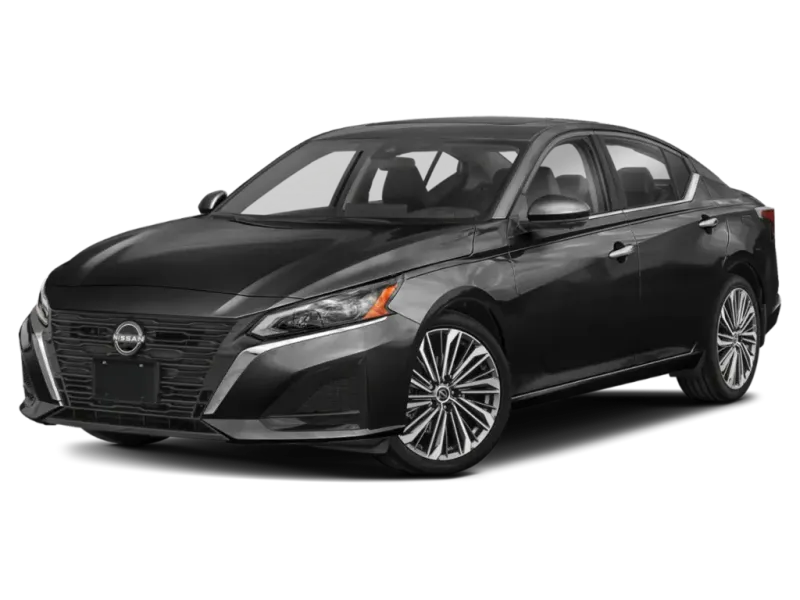
Nissan Altima
Score: 88/100
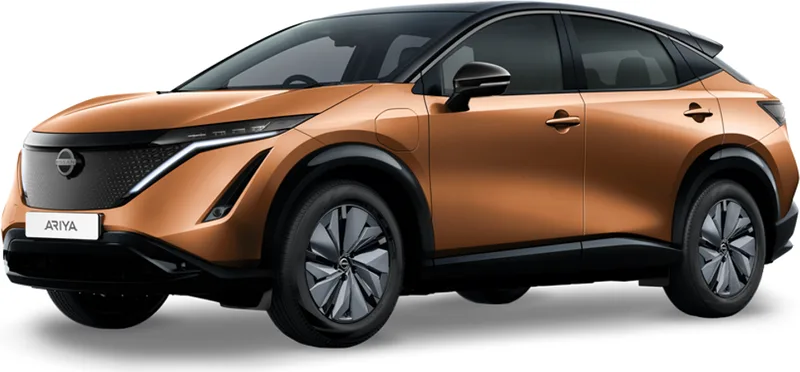
Nissan Ariya
Score: 88/100
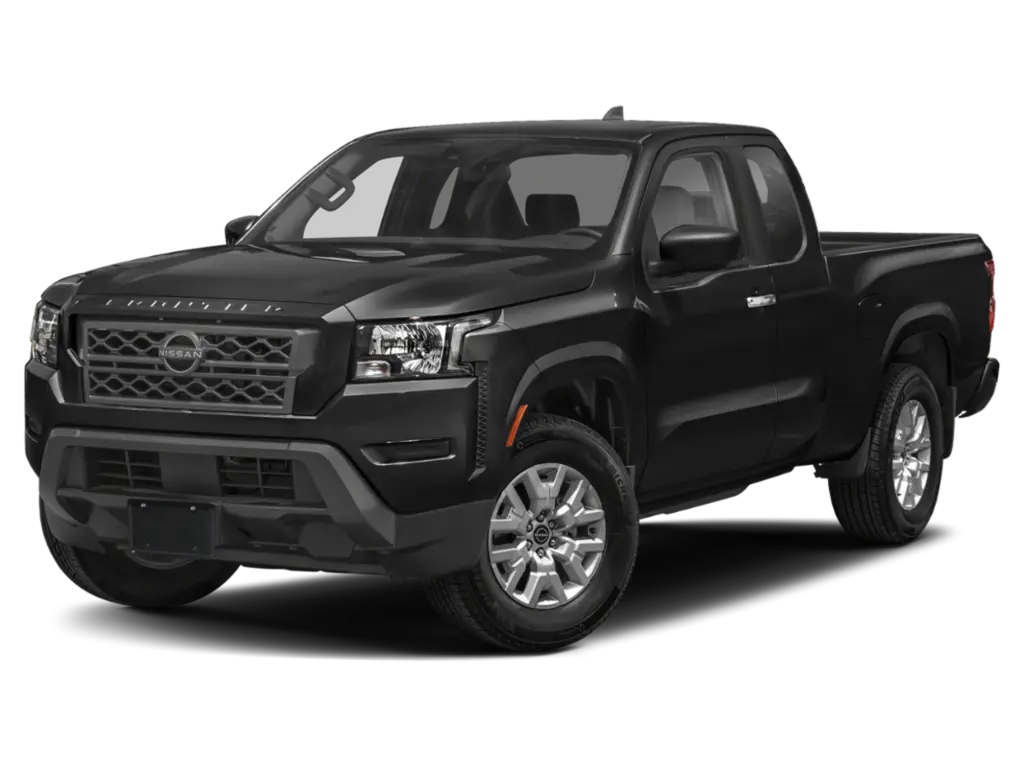
Nissan Frontier
Score: 77/100
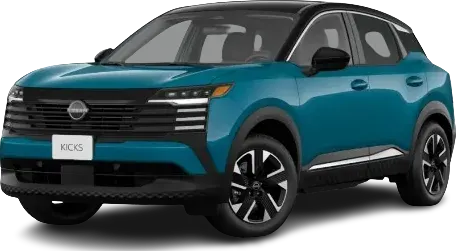
Nissan Kicks
Score: 83/100
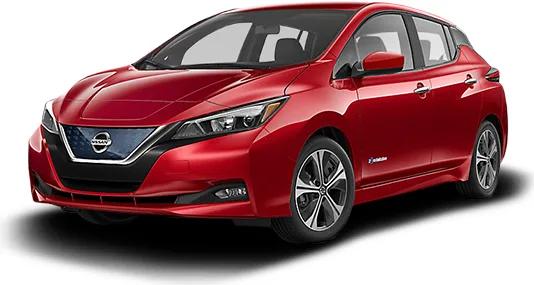
Nissan Leaf
Score: 79/100
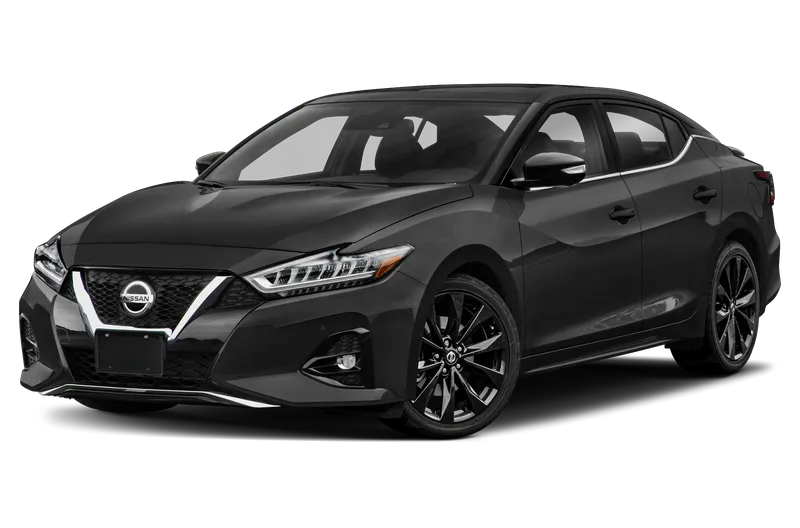
Nissan Maxima
Score: 77/100
Browse More 2019 Vehicles
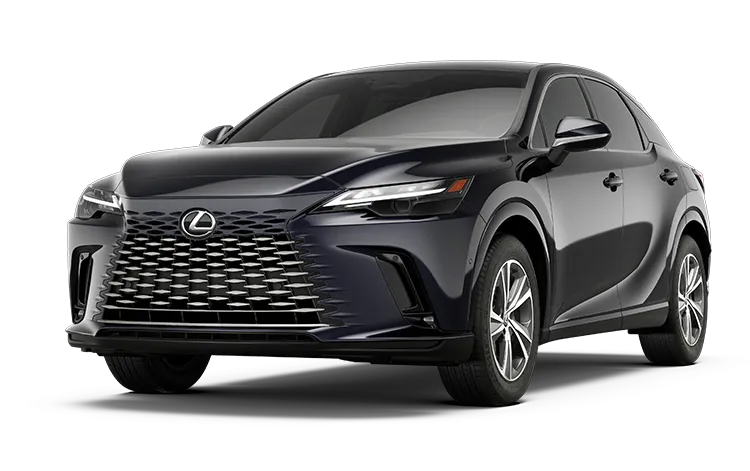
2019 Lexus RX
Score: 82/100
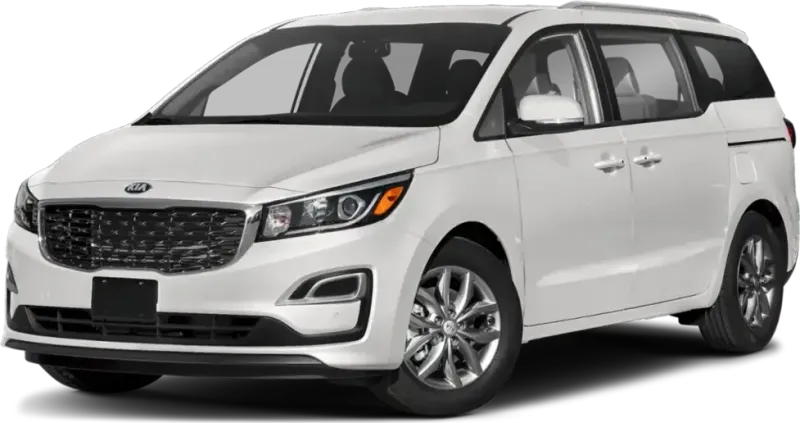
2019 Kia Sedona
Score: 80/100
2019 Nissan Frontier
Score: 80/100
2019 Lexus IS
Score: 79/100
2019 Chevrolet Impala
Score: 79/100
2019 Lexus GX
Score: 78/100
See incorrect data? Report an issue