Last updated: 2026-10-10
Kia EV6 vs Tesla Model 3: Reliability Compared
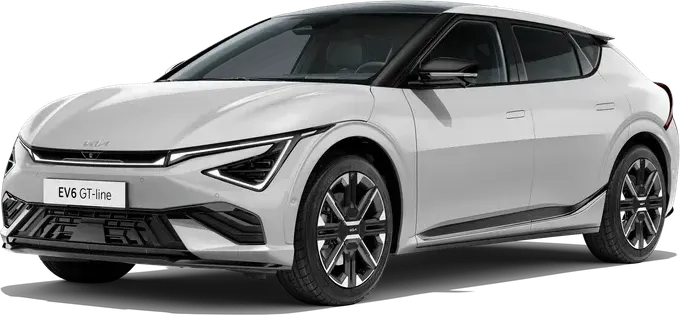
Kia EV6
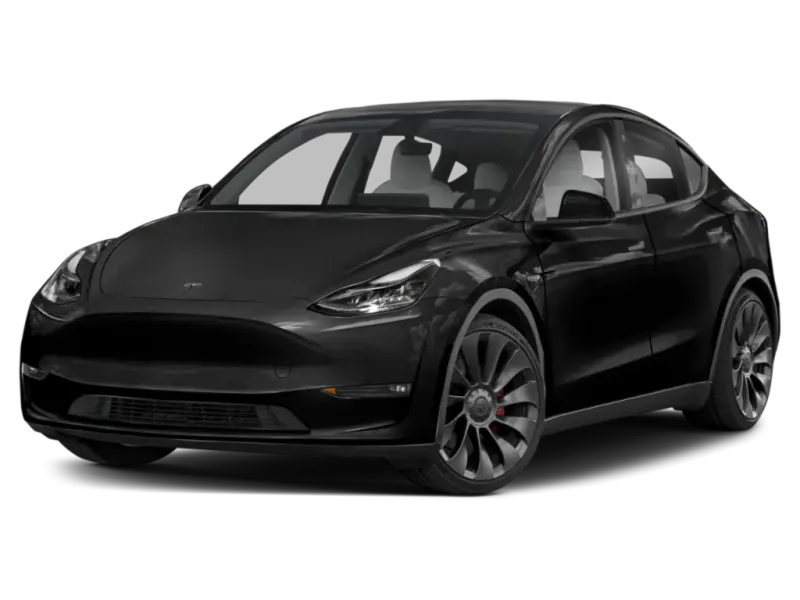
Tesla Model 3
Ahead by a slight margin on reliability, the KIA EV6 beats the Tesla Model 3 mainly because of safety-related reports. The Model 3 has 113 recalls and many crash-linked complaints. The EV6's main risk is a failed charge control unit that cuts power.
How Do the Kia EV6 and Tesla Model 3 Generations Compare?
Verdict
The Kia EV6 is more reliable than the Tesla Model 3, scoring 57/100 vs 55/100.
A slight edge goes to the KIA EV6, and the gap is narrow. Its recall count is small, and its crash-linked reports are few. The Model 3 has 113 recalls across its model years, plus crash-linked complaints about braking, unintended acceleration and steering. The EV6 is not clean, though. Its complaint rate per car sold is higher, and a failed charge control unit can cut power with no warning. Both land in the mixed range, so neither is a safe pick without checking the specific car's history.
Key Differences
- 1Kia EV6 has 105 fewer total recalls
- 2Tesla Model 3 has 20.2 fewer complaints per 10k sold
- 3Kia EV6 scores 2 points higher in reliability
Category Scoreboard
Kia EV6 vs Tesla Model 3: Which Is More Reliable?
| Metric | Kia EV6 | Tesla Model 3 |
|---|---|---|
| Reliability Score | 57/100 | 55/100 |
| Years Tracked | 5 | 9 |
| Total Recalls | 8 | 113 |
| Complaints per 10k Sold | 48.9 | 28.7 |
| Year Wins | 1 | 4 |
What Are the Common Problems With the Kia EV6 and Tesla Model 3?
Tesla owners report problems that involve driving control. Phantom braking, automatic braking that misses stopped cars, sudden surges while parking, and front suspension wear felt through the steering wheel all show up with crash links. Power conversion failures that stop charging add to the list. EV6 complaints cluster around one fault: the integrated charge control unit. A pop, warning messages, a crawl at about 25 mph, then a full shutdown. Dead 12V batteries and repeat failures after replacement follow. EV6 crash-linked counts are small, and sunroof glass shattering and brake lights staying off in i-Pedal mode are rare but notable.
| Component | Kia EV6 | Tesla Model 3 |
|---|---|---|
| ELECTRICAL SYSTEM | 28.4High | 3Low |
| POWER TRAIN | 7.8Above Avg | 0.4Very Low |
| UNKNOWN OR OTHER | 3.3Average | 3.1Average |
| FORWARD COLLISION AVOIDANCE | 0.3Very Low | 6.1Average |
| VEHICLE SPEED CONTROL | 0.6Very Low | 3.7Average |
| SERVICE BRAKES | 1.8Low | 2.1Low |
| STEERING | 0.3Very Low | 2.6Low |
| AIR BAGS | 0.4Very Low | 1.7Low |
| STRUCTURE | 1Very Low | 0.7Very Low |
| SUSPENSION | —None | 1.6Low |
| EXTERIOR LIGHTING | 0.8Very Low | 0.2Very Low |
| LANE DEPARTURE | 0.4Very Low | 0.3Very Low |
| FUEL/PROPULSION SYSTEM | 0.6Very Low | —None |
| TIRES | 0.4Very Low | —None |
| ENGINE | 0.4Very Low | —None |
| SEATS | —None | 0.1Very Low |
| WHEELS | —None | 0.1Very Low |
| BACK OVER PREVENTION | —None | —None |
Complaints per 10,000 units sold, aggregated across all tracked model years from NHTSA owner reports.
How Does Kia EV6 vs Tesla Model 3 Reliability Compare by Year?
| Year | Kia EV6 | Tesla Model 3 | Edge |
|---|---|---|---|
| 2026 | 58/1000R / 0C | 59/1001R / 1C | Tesla Model 3 |
| 2025 | 69/1000R / 0C | 67/1003R / 87C | Kia EV6 |
| 2024 | 59/1002R / 38C | 62/1004R / 183C | Tesla Model 3 |
| 2023 | 52/1003R / 98C | 57/10010R / 386C | Tesla Model 3 |
| 2022 | 46/1003R / 215C | 50/10016R / 729C | Tesla Model 3 |
Best years to cross-shop: The 2024 Kia EV6 scored 59/100 and the 2024 Tesla Model 3 scored 62/100 — the strongest shared model years that have been on the road for at least two years, where available.
Who Should Buy the Kia EV6 vs the Tesla Model 3?
Kia EV6 vs Tesla Model 3: Common Questions
- Is the Tesla Model 3 more reliable than the KIA EV6?
- No, the EV6 has a slight edge. Both sit in the mixed range. The Model 3 has far more recalls and crash-linked complaints on braking, acceleration and steering. The EV6 has fewer serious reports but a higher complaint rate per car sold, mostly from power loss.
- Which has more recalls, the Model 3 or the EV6?
- The Model 3 has far more. Federal recall records show 113 across its nine model years, against 8 for the EV6 across five. The Model 3 has been on sale longer, so it has had more time to collect them.
- What is the most common EV6 problem?
- Sudden power loss tied to the integrated charge control unit. Owners hear a pop, see warnings, drop to about 25 mph, then lose power. Some failures repeat after replacement or follow recall updates, and parts back orders can mean waits of weeks.
- Does the Model 3 have a phantom braking problem?
- Yes, it is the most common complaint in forward collision avoidance. The car brakes hard with nothing ahead, often near overpasses or hill crests. Owners also report automatic braking failing to react to stopped objects. This area has 33 crash-linked complaints.
- Which model years of each car should I avoid?
- Avoid the 2018 and 2021 Model 3, and the 2022 and 2023 EV6. These are the weakest years in the data. The 2024 and 2025 cars of both look strongest, though the newest ones have had less time to collect complaints.
Related Reliability Comparisons
More Kia EV6 comparisons
Decided between Kia EV6 and Tesla Model 3? Run a VIN check before you buy — uncover hidden accidents, title issues, and open recalls.
How we score the Kia EV6 and Tesla Model 3
Scores weight complaint severity at 35%, repair costs at 30%, recall impact at 20%, and the spread of complaints across systems at 15%, with complaint counts adjusted for US sales. Read the full methodology.
See incorrect data? Report an issue