Last updated: 2026-10-10
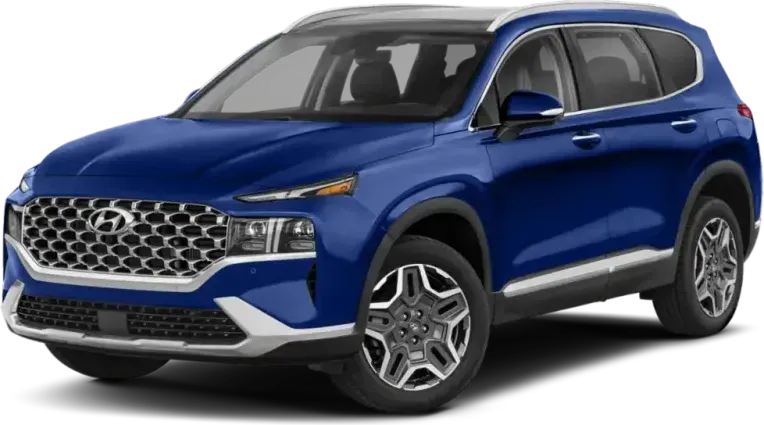
2020 Hyundai Santa Fe Reliability Report
The 2020 Hyundai Santa-FE has good reliability, close to average for 2020 SUVs. Heavy oil burning is the main problem owners report.
Recalls
2
Complaints
165
Complaint Rate
16.3per 10,000 sold
Est. Repair Cost
$515
Annual Fuel Cost
$2,400–$2,700
Detailed Score Breakdown
Component-weighted complaints normalized by sales volume
Independent repair cost ratings
Recall count weighted by severity
Breadth of reported problem categories
The Verdict
A middle-of-the-pack year with good reliability, known for owner reports of heavy oil burning and two federal recalls, one with a park-outside fire warning.
Top Issues to Watch
- ENGINE (38)
- ELECTRICAL SYSTEM (20)
- POWER TRAIN (18)
Generation & Refresh (US)
2020 is year 2 of the Fourth generation (TM).
- Redesigned for the 2019 model year.
- A refresh arrives in 2021.
- 4th generation Santa Fe (US).
What this means for buyers
Year 2 is typically a safer pick than the first model year — early issues are more likely to be identified, but the platform is still new.
If you're comparing prices, check 2019 (redesign year) vs 2020+ pricing and recalls.
2019: Fourth generation (TM) Launch
Generation start — new platform.
2020: This Model Year
2020 is year 2 of the Fourth generation (TM).
2021: Mid-Cycle Refresh
Updated features and styling tweaks.
Should You Buy the 2020 Hyundai Santa Fe?
Reliability is good, and it lands close to average among 2020 SUVs. Within the Santa-FE line it sits in the middle of nine scored years, and the 2019 and 2021 models rate about the same. Independent repair-cost data puts yearly repair costs below the class figure, and the federal crash-test rating is 5 of 5 stars.
Oil burning is the problem to watch. Owners see the low oil light flicker, then find the engine several quarts low with no visible leak, often between 78,788 and 110,000 miles. Left alone, it can bring shuddering, misfires, stalling at highway speed, and in some cases engine failure. Air conditioning that stops blowing cold shows up much earlier, at 30,000 to 59,000 miles, and owners tie it to a failed evaporator temperature sensor. Some owners report sunroofs shattering at highway speed. Federal records list two recalls, covering trailer hitches and visibility, and one carries a park-outside fire warning.
Ask the seller for oil-consumption and engine service records, and confirm both recalls were completed.
Compared to the 2021 Hyundai Santa Fe, which scored 1 points lower. See also the 2019 Hyundai Santa Fe for an earlier comparison.
Pros
- +Acceptable reliability score
- +$58 cheaper to maintain than avg midsize SUVs
- +Infrequent unscheduled repairs
- +Low major repair risk (10%)
Cons
- −ENGINE: Heavy oil burning is the dominant pattern (38 complaints)
- −UNKNOWN OR OTHER: Glass breaks without warning (25 complaints)
Compare 2020 Hyundai Santa Fe With
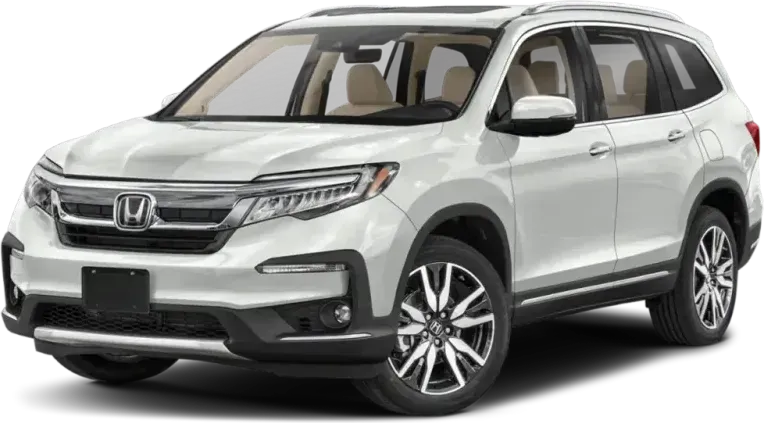
2020 Honda Pilot
Reliability: 60/100

2020 Kia Sorento
Reliability: 71/100
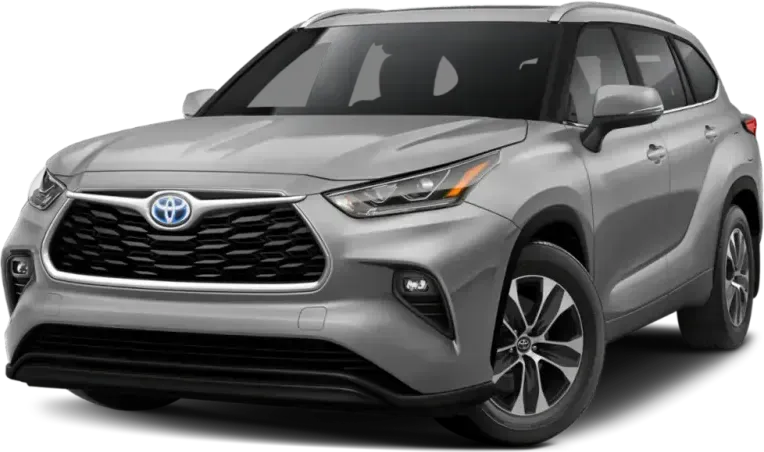
2020 Toyota Highlander
Reliability: 71/100

2020 Nissan Pathfinder
Reliability: 78/100

2020 Honda Passport
Reliability: 68/100
Common Problem Categories
Safety
LOW RISK- 2 manufacturer recalls issued
Other
HIGH RISK- ENGINE (38)
- UNKNOWN OR OTHER (25)
Recall Overview
2
recalls on record
The 2020 Hyundai Santa Fe carries 2 recalls — a low count. Authorized dealers repair any open recall free of charge, regardless of warranty status.
NHTSA.gov →Complaint Breakdown
16.3
per 10,000 soldSegment avg: 20.2
Safety Incidents
10
Crashes
7
Fires
9
Injuries
0
Deaths
NHTSA 5/5 Stars
Data sourced from NHTSA complaint filings and manufacturer recall notices. Complaint narratives are owner-reported.
2020 Hyundai Santa Fe Recall Details
2 recalls have been issued for the 2020 Hyundai Santa Fe. All recall repairs are performed free of charge at authorized dealerships.
TRAILER HITCHES
Hyundai Motor America (Hyundai) is recalling certain 2019-2023 Santa Fe, 2021-2023 Santa Fe HEV, 2022-2023 Santa Fe Plug-in HEV and Santa Cruz vehicles potentially equipped with a tow hitch harness installed as original equipment, or purchased as an accessory through a Hyundai dealership. Water accumulation on the tow hitch harness module printed circuit board (PCB) may cause an electrical short, which can result in a fire.
Consequence
A fire while parked or driving can increase the risk of injury.
Remedy
Owners are advised to park their vehicles outside and away from structures until the remedy is completed. Dealers will install a new fuse and wire extension kit as necessary, free of charge. Owner notification letters were mailed starting May 16, 2023. Owners may contact Hyundai customer service at 1-855-371-9460. Hyundai's number for this recall is 244. This recall is an expansion of previous recall number 22V-633.
VISIBILITY
Hyundai Motor America (Hyundai) is recalling certain 2020-2021 Santa Fe, 2021 Sonata, and Elantra vehicles. During manufacturing, the windshield may not have been properly bonded to the vehicle, allowing it to detach in a crash.
Consequence
A windshield that detaches from a vehicle during a crash can increase the risk of injury.
Remedy
Dealers will remove and reinstall the front windshield panel, free of charge. Owner notification letters were mailed June 20, 2022. Owners may contact Hyundai customer service at 1-855-371-9460. Hyundai's number for this recall is 216.
Buying a used 2020 Hyundai Santa Fe? Check its history first
Engine problems lead owner complaints about the 2020 Hyundai Santa Fe, and 2 recalls were issued for it. A VIN check shows whether this car's recall work was done, plus accident, title, and odometer history.
- Accidents
- Open Recalls
- Title History
- Odometer Rollback
2020 Hyundai Santa Fe NHTSA Safety Ratings
Overall Safety Rating
Crash Test Results by Configuration (expand)
Gas Powertrain
Rollover risk: 15.5%
Safety Technologies
Hyundai Santa FeRepair Costs & Maintenance
Maintenance Rating
4Maintenance rating: 4 out of 5Based on NHTSA complaint patterns, recall severity, and publicly available cost benchmarks.
Est. Annual Maintenance
$515
vs $573 avg for midsize SUVs
vs $652 avg for all vehicles
Repair Frequency
0.2
unscheduled repair visits per year
Severe Repair Probability
10%
chance of a major repair
Annual Cost Comparison
Category-level averages derived from publicly available industry reports (AAA, CarMD). Model-level estimates produced by Auto Reliability Index.
Hyundai Santa Fe Resale Value
The Hyundai Santa Fe is estimated to retain about 57.1% of its original value after 5 years, based on observed used-car listings.
This benchmark covers the Hyundai Santa Fe model overall and is not specific to the 2020 model year.
- Value Retained
- 57.1%
- Depreciation
- 42.9%
- Listings Analyzed
- 720
after 5 years
over the same period
U.S. used-car listings
Listings observed in . Actual resale value varies by trim, mileage, condition, and location.
Explore Hyundai Santa Fe depreciation and resale value on CarResaleValue.comMPG & Annual Running Costs
Gas
22–25 MPG
Running cost: $2,900–$3,200/yr
Fuel + repair
20–22 city / 26–29 hwy MPG
Running cost includes EPA fuel-cost estimate and independent repair-cost data (repair cost estimated at model level). Excludes routine maintenance, depreciation, and insurance. Data as of 2020 EPA label cycle.
Gas trims
| Trim | Drive | Trans. | City | Hwy | Comb | Fuel Cost |
|---|---|---|---|---|---|---|
| Santa Fe FWD 2.4L 4-cyl | Front-Wheel Drive | Automatic (S8) | 22 | 29 | 25 | $2,400 |
| Santa Fe AWD 2.4L 4-cyl | All-Wheel Drive | Automatic (S8) | 21 | 27 | 24 | $2,500 |
| Santa Fe FWD 2.0L 4-cyl | Front-Wheel Drive | Automatic (S8) | 20 | 27 | 23 | $2,600 |
| Santa Fe AWD 2.0L 4-cyl | All-Wheel Drive | Automatic (S8) | 20 | 26 | 22 | $2,700 |
Used Buying Checklist
Key things to inspect or verify before purchasing a 2020 Hyundai Santa Fe.
Pull the dipstick and review service records for oil top-ups or a low oil light between changes.
Ask the seller how much oil the engine uses between changes and walk away from regular quart additions.
Run the air conditioning on max for ten minutes and confirm it stays cold.
Press the horn several times during the test drive to confirm it works every time.
Run the VIN for open recalls, including 21V00M000 and 23V181000, and confirm repairs were completed.
Seat a passenger up front and watch whether the passenger airbag warning light comes on.
Drive in stop-and-go traffic with auto stop on and watch for stalling or no response from a stop.
Reverse several times and check the backup camera for flicker, black lines, or a blue screen.
2020 Hyundai Santa Fe Common Problems by Component
165 owner complaints grouped by vehicle system.
ENGINE
38 complaintsSafety-relatedSanta Fe engine problems across all model years
Heavy oil burning is the dominant pattern. The low oil light flickers or flashes, and owners find the engine several quarts low between changes with no visible leak. It often shows up around 78,788 to 110,000 miles. Left unchecked, it brings shuddering, misfires, knocking, power loss, and stalling at highway speed, and some engines fail outright. Other reports describe oil drain plug leaks that seize the engine and a sudden high-rev surge while parked. Two complaints involve fires, one shortly after a valve cover gasket repair.
UNKNOWN OR OTHER
25 complaintsSafety-relatedGlass breaks without warning. Sunroofs and a rear window shatter while driving with nothing hitting them, and windshields crack from tiny rock chips. Horns fail repeatedly, even after several dealer visits. Three complaints describe fires, including vehicles burning while parked overnight. Other reports cover a sudden surge into a wall while parking, stalling at lights with start-stop on, white pearl paint peeling, a spare tire cable snapping, and doors that will not unlock from inside. Two crashes and two injuries are on file here.
ELECTRICAL SYSTEM
20 complaintsSafety-relatedAir conditioning stops blowing cold, which owners and mechanics tie to a failed evaporator temperature sensor covered by a service bulletin, reported at 30,000 and 59,000 miles. Horns quit early, sometimes traced to the airbag clockspring. Owners also report false forward collision braking, backup camera flicker or blue screens, batteries draining overnight, and sudden clusters of ADAS, ABS, and stability warnings. One report has the vehicle rolling while in park, and another describes a driver seat fire overnight that totaled the car.
POWER TRAIN (18 complaints)
POWER TRAIN
18 complaintsExcessive oil use shows up again here, with one owner adding a quart every 300 miles. Many reports describe the vehicle not responding to the accelerator from a stop, or stalling at lights when auto stop is on, until it is shifted to park and restarted. Transmission complaints include rough shifts, shuddering, lockups, and dealers recommending full replacement. Other failures include repeat high-pressure fuel pump failure, engine seizure from an oil drain plug leak, and check engine codes dealers cannot resolve.
VISIBILITY (9 complaints)
VISIBILITY
9 complaintsSunroofs explode at highway speed with a loud bang, spraying glass into the cabin, with no object striking the car. Dealers often refuse to cover it under warranty. Several complaints involve recall campaign 21V00M000, where owners waited a long time because repair parts were not available, though none reported an actual failure. One wiper was eventually fixed with the proper glue. A separate report describes the air conditioning intermittently blowing warm, diagnosed as an evaporator temperature sensor failure.
FUEL/PROPULSION SYSTEM (4 complaints)
FUEL/PROPULSION SYSTEM
4 complaintsSafety-relatedHesitation and power loss on acceleration dominate these complaints, mostly from 2.0T owners. Symptoms include turbo lag when pulling into traffic, gasoline fumes in the cabin at low speed, and hard starts when cold. One dealer diagnosed a faulty fuel pump and high-pressure hoses at 49100 miles, quoted at over $1800. A separate report describes the vehicle accelerating into a garage while braking, plus the throttle cutting out on a freeway ramp. A failing catalytic converter is also mentioned.
AIR BAGS (4 complaints)
AIR BAGS
4 complaintsSafety-relatedAirbags fail to deploy in serious collisions, including a rear impact at about 60 mph. Both crash reports here involve injuries. The other pattern is a passenger airbag warning light that comes on while someone sits in the front passenger seat. One dealer traced this to a failed occupant detection module and seat mat, with a repair estimate of $2,800. Only a few complaints are on file for this category.
SERVICE BRAKES (4 complaints)
SERVICE BRAKES
4 complaintsSafety-relatedPressing the brake does not stop the car in several reports. Drivers describe the vehicle surging forward while braking in a parking garage, which caused serious injury, and repeated failures to stop that led to two collisions. Other complaints describe a brake pedal that locks up at low speed and an electronic parking brake that engages by itself while driving or stopped, with warning lights that stay on. Two crashes and one injury appear in this category.
VEHICLE SPEED CONTROL (3 complaints)
VEHICLE SPEED CONTROL
3 complaintsSafety-relatedSudden acceleration while parking is the main complaint. Drivers report the engine roaring and the vehicle surging backward into a wall or forward through a building window, with braking unable to stop it. Both of those incidents ended in crashes. A third report describes cruise control abruptly slowing the car at about 75 mph on the interstate, with rapid beeping and no apparent cause. Only three complaints exist in this category.
TRAILER HITCHES (2 complaints)
TRAILER HITCHES
2 complaintsSafety-relatedRecall campaign 23V181000 drives one of the two complaints. The owner could not get the repair because parts were unavailable and reported no actual failure. The other report is more serious. The vehicle lost acceleration on a ramp, stalled, would not restart, and then caught fire under the hood. The driver was injured and the fire destroyed the vehicle.
When Do 2020 Hyundai Santa Fe Problems Start?
Based on owner complaint patterns, here's when common issues tend to appear.
Best & Worst Hyundai Santa Fe Years
Best Hyundai Santa Fe Years to Buy
Based on reliability index score2024
2023
2020
(Current Model)
Hyundai Santa Fe Years to Avoid
Hyundai Santa Fe Reliability Score Trend
Scores 0–100. Higher is better. Current year highlighted.
| Year | Score | Rating |
|---|---|---|
| 2018 | 63/100 | Good |
| 2019 | 69/100 | Good |
| 2020 | 70/100 | Good |
| 2021 | 69/100 | Good |
| 2022 | 66/100 | Good |
| 2023 | 70/100 | Good |
| 2024 | 73/100 | Good |
| 2025 | 75/100 | Good |
| 2026 | 75/100 | Good |
Hyundai Santa Fe Reliability Compared to Other Years
Frequently Asked Questions
Is the 2020 Hyundai Santa-FE reliable?
What are the most common problems with the 2020 Hyundai Santa-FE?
Does the 2020 Hyundai Santa-FE burn oil?
Has the 2020 Hyundai Santa-FE been recalled?
Is the 2020 Santa-FE better than the 2019 or 2021?
Don’t buy a 2020 Hyundai Santa Fe without checking its VIN first — hidden accidents, title issues, and open recalls could cost you thousands.
How we score the 2020 Hyundai Santa Fe
Of the four inputs behind this score, the 2020 Hyundai Santa Fe does best on repair costs (80/100) and worst on complaint severity (58/100). Scores weight complaint severity at 35%, repair costs at 30%, recall impact at 20%, and the spread of complaints across systems at 15%, with complaint counts adjusted for US sales. Read the full methodology.
Get notified when new recalls or reliability data is added for the Hyundai Santa Fe.
No spam. Only data updates for this model.
Browse More Hyundai Models
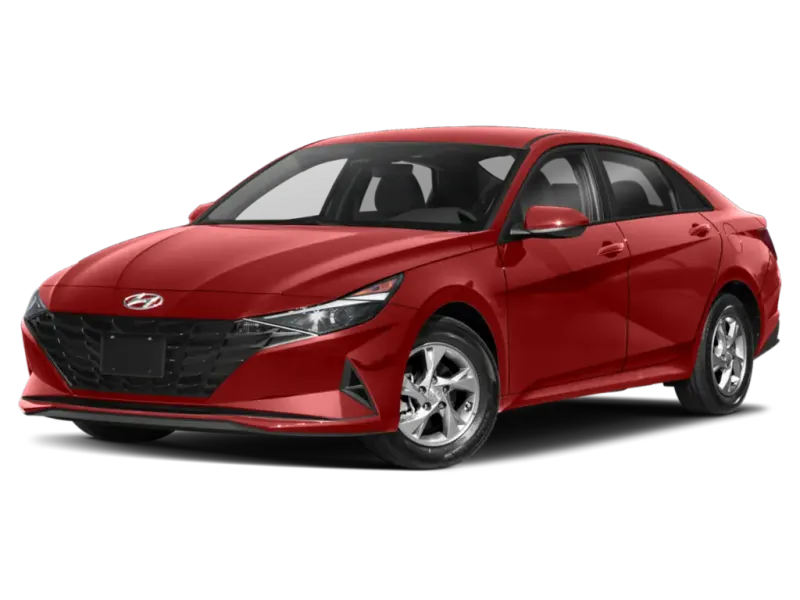
Hyundai Elantra
Score: 94/100

Hyundai Ioniq 5
Score: 63/100
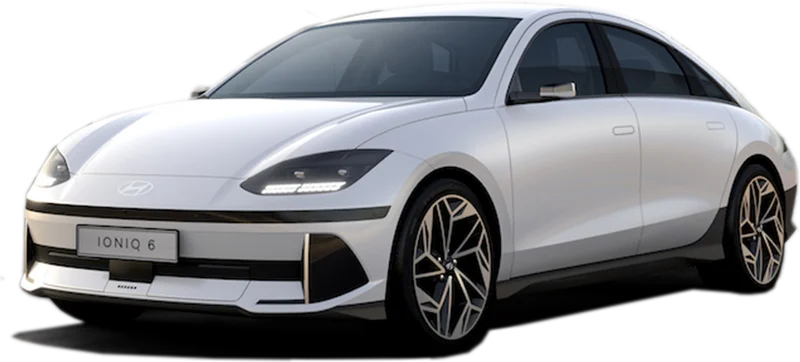
Hyundai Ioniq 6
Score: 82/100
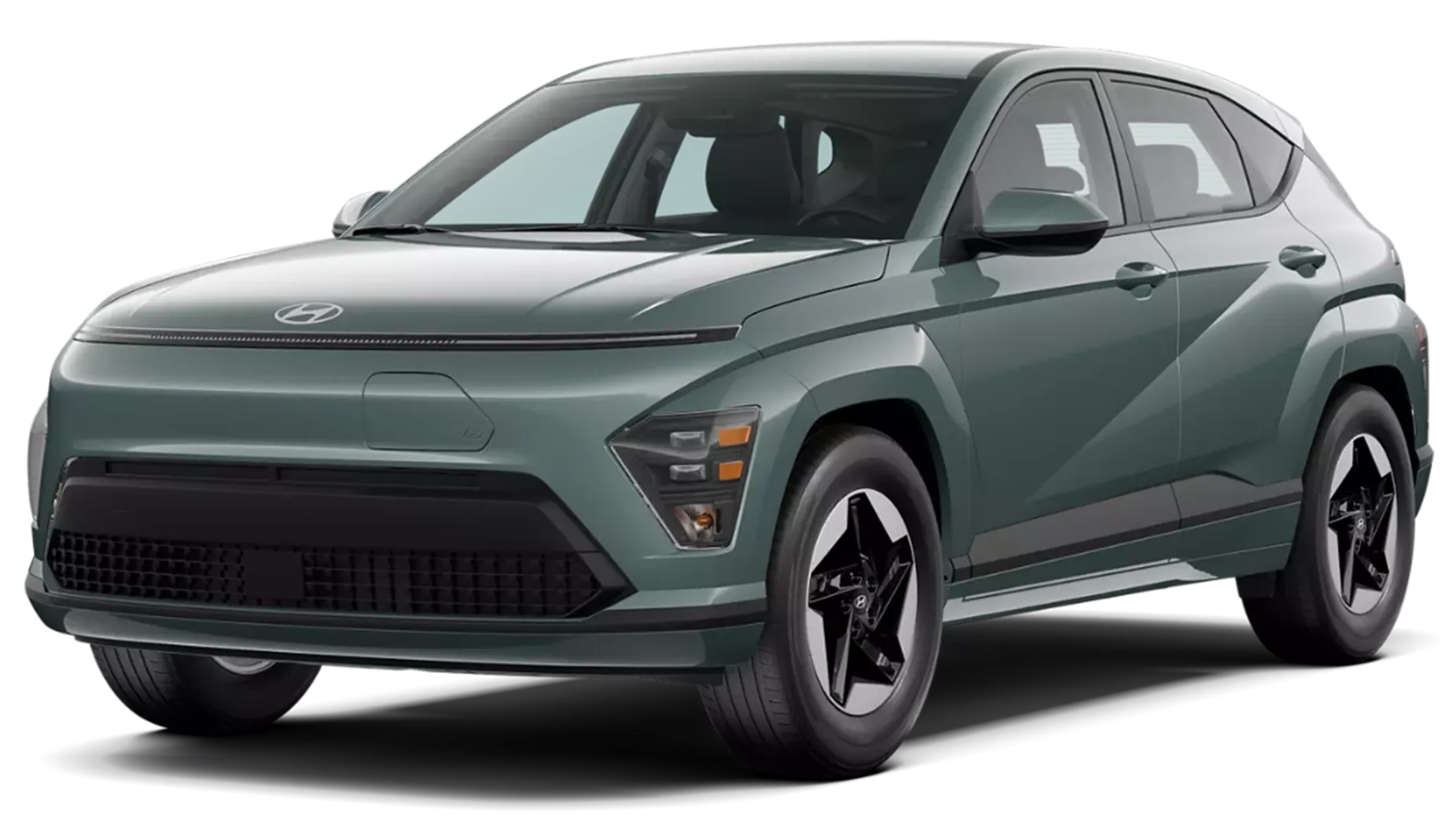
Hyundai Kona
Score: 67/100

Hyundai Palisade
Score: 72/100

Hyundai Santa Cruz
Score: 74/100
Browse More 2020 Vehicles
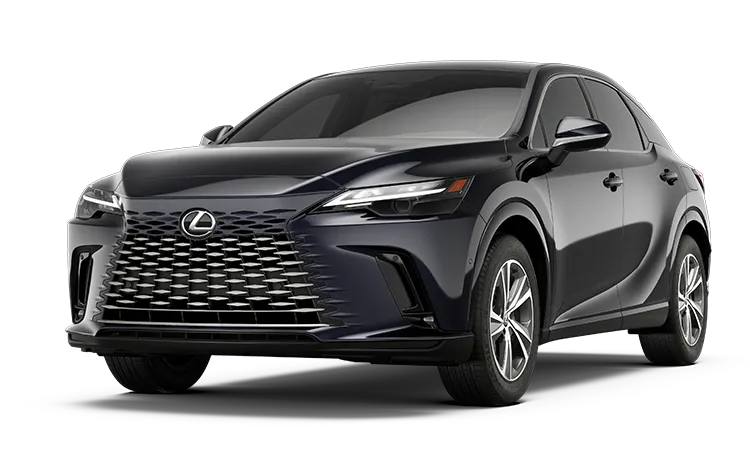
2020 Lexus RX
Score: 86/100

2020 Mazda CX-5
Score: 86/100

2020 Lexus UX
Score: 84/100

2020 Kia Sedona
Score: 83/100

2020 Lexus IS
Score: 83/100
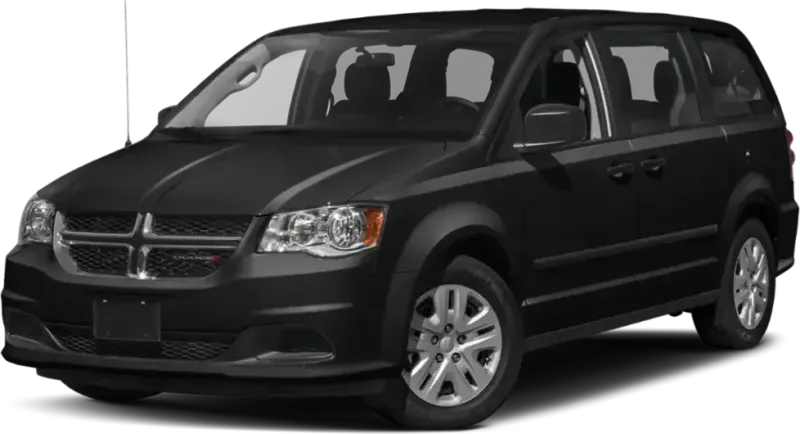
2020 Dodge Grand Caravan
Score: 83/100
See incorrect data? Report an issue