Last updated: 2026-10-10
Hyundai Ioniq 6 vs Nissan Altima: Reliability Compared
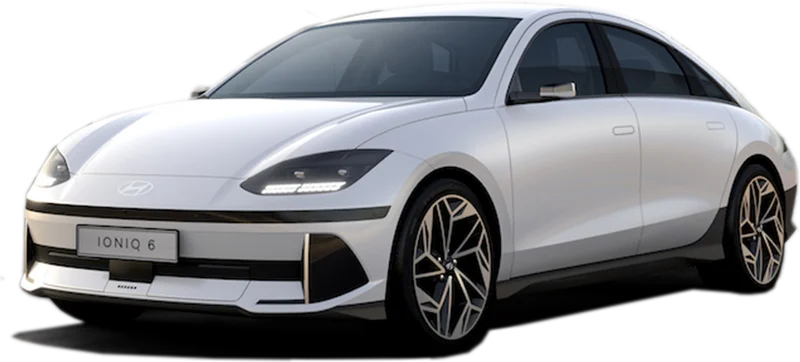
Hyundai Ioniq 6
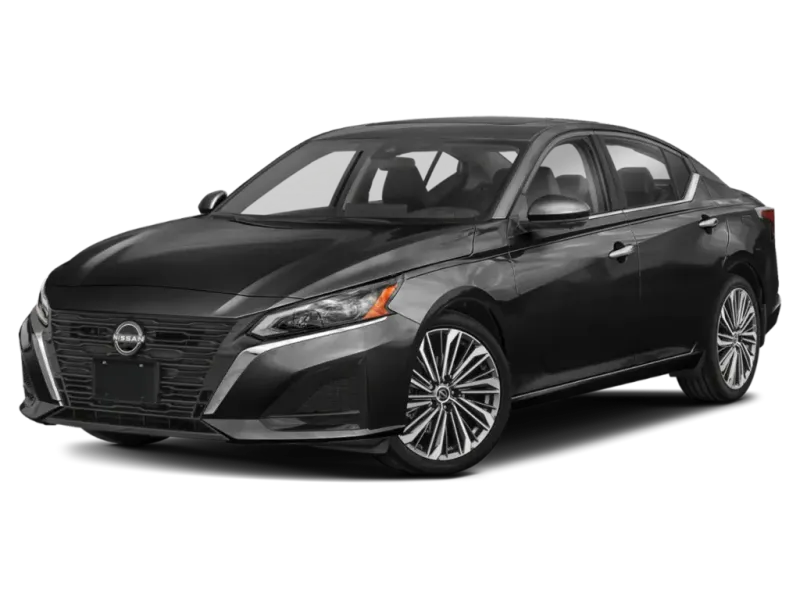
Nissan Altima
Nissan Altima edges out the Hyundai Ioniq 6 on reliability. The Altima has a long record across nine model years, while the Ioniq 6 is newer and has charging unit failures that can leave it in limp mode. Both models rate good overall.
How Do the Hyundai Ioniq 6 and Nissan Altima Generations Compare?
Verdict
The Nissan Altima is more reliable than the Hyundai Ioniq 6, scoring 79/100 vs 77/100.
Edge goes to the Altima, and it is a slight one. Both sit at a good standing. The Altima has a long record across nine model years, plus independent repair-cost data. The Ioniq 6 draws fewer complaints per car sold, but it has only four model years on the road. Its charging unit failures can strand a car in limp mode or shut it down in traffic. The Altima's problems are broader and include more crash-linked areas, which keeps the gap small.
Key Differences
- 1Hyundai Ioniq 6 has 7 fewer total recalls
- 2Nissan Altima scores 2 points higher in reliability
- 3Hyundai Ioniq 6 has 0.7 fewer complaints per 10k sold
Category Scoreboard
Hyundai Ioniq 6 vs Nissan Altima: Which Is More Reliable?
| Metric | Hyundai Ioniq 6 | Nissan Altima |
|---|---|---|
| Reliability Score | 77/100 | 79/100 |
| Years Tracked | 4 | 9 |
| Total Recalls | 13 | 20 |
| Complaints per 10k Sold | 0.9 | 1.6 |
| Year Wins | 1 | 3 |
What Are the Common Problems With the Hyundai Ioniq 6 and Nissan Altima?
Four crash-linked areas set the Altima apart: electrical, service brakes, air bags, and steering. Reports include fires, tie rods that separate during turns, air bags that did not deploy in serious frontal crashes, and automatic braking with nothing ahead. Ioniq 6 complaints center on one part, the integrated charging control unit. A warning appears, speed drops to about 25 mph, and some cars quit in traffic. Only its electrical category has a crash-linked complaint, and just one. Its other issues are false emergency braking, a charge door that freezes shut, and a cracked windshield.
| Component | Hyundai Ioniq 6 | Nissan Altima |
|---|---|---|
| ELECTRICAL SYSTEM | 0.5Very Low | 0.3Very Low |
| UNKNOWN OR OTHER | 0.1Very Low | 0.2Very Low |
| POWER TRAIN | 0.1Very Low | 0.1Very Low |
| STEERING | —None | 0.1Very Low |
| SERVICE BRAKES | —None | 0.1Very Low |
| AIR BAGS | —None | 0.1Very Low |
| ENGINE | —None | 0.1Very Low |
| FUEL/PROPULSION SYSTEM | —None | —None |
| FORWARD COLLISION AVOIDANCE | —None | —None |
| VISIBILITY/WIPER | —None | —None |
| VEHICLE SPEED CONTROL | —None | —None |
| LATCHES/LOCKS/LINKAGES | —None | —None |
| EXTERIOR LIGHTING | —None | —None |
| SUSPENSION | —None | —None |
| ELECTRONIC STABILITY CONTROL (ESC) | —None | —None |
| SEATS | —None | —None |
| TIRES | —None | —None |
| SEAT BELTS | —None | —None |
| BACK OVER PREVENTION | —None | —None |
| STRUCTURE | —None | —None |
| VISIBILITY | —None | —None |
Complaints per 10,000 units sold, aggregated across all tracked model years from NHTSA owner reports.
How Does Hyundai Ioniq 6 vs Nissan Altima Reliability Compare by Year?
| Year | Hyundai Ioniq 6 | Nissan Altima | Edge |
|---|---|---|---|
| 2026 | 82/1000R / 0C | 88/1000R / 0C | Nissan Altima |
| 2025 | 79/1003R / 30C | 78/1001R / 4C | Hyundai Ioniq 6 |
| 2024 | 77/1005R / 33C | 82/1001R / 31C | Nissan Altima |
| 2023 | 69/1005R / 54C | 84/1000R / 24C | Nissan Altima |
Best years to cross-shop: The 2024 Hyundai Ioniq 6 scored 77/100 and the 2023 Nissan Altima scored 84/100 — the strongest shared model years that have been on the road for at least two years, where available.
Who Should Buy the Hyundai Ioniq 6 vs the Nissan Altima?
Hyundai Ioniq 6 vs Nissan Altima: Common Questions
- Is the Nissan Altima more reliable than the Hyundai Ioniq 6?
- Slightly, yes. Both rate good, but the Altima has nine model years of history behind it. The Ioniq 6 has fewer complaints per car sold, yet its charging control unit failures can cut power while driving. The gap between them is small.
- Which has more recalls, the Altima or the Ioniq 6?
- The Altima has more recalls in total, with 20 across nine model years. The Ioniq 6 has 13 across four model years. Its recalls are packed into a much shorter span, so per model year it has more. Check the VIN for open recalls on either car.
- Which costs less to repair?
- Only the Altima has repair-cost data here, so a direct comparison is not possible. It runs about $483 a year, with 0.3 unscheduled shop visits a year and a 12% chance that a repair is major. Over five years that is roughly $2,415.
- What is the main problem with the Hyundai Ioniq 6?
- Failure of the integrated charging control unit is the main problem. A power supply warning appears, the car drops to about 22 mph in limp mode, and some shut down in traffic. The 12-volt battery often dies too, so a tow is common. Failures can return after replacement.
- Do Altima owners report safety problems?
- Yes, in several areas. Owners report fires, tie rods that separate during turns, air bags that did not deploy in serious crashes, and automatic braking with nothing ahead. Air bags have the most crash-linked complaints at 18, followed by service brakes at 14. Check the VIN for open recalls before buying.
Related Reliability Comparisons
More Hyundai Ioniq 6 comparisons
Decided between Hyundai Ioniq 6 and Nissan Altima? Run a VIN check before you buy — uncover hidden accidents, title issues, and open recalls.
How we score the Hyundai Ioniq 6 and Nissan Altima
Scores weight complaint severity at 35%, repair costs at 30%, recall impact at 20%, and the spread of complaints across systems at 15%, with complaint counts adjusted for US sales. Read the full methodology.
See incorrect data? Report an issue