Last updated: 2026-10-10
Dodge Journey vs Mazda CX-9: Reliability Compared
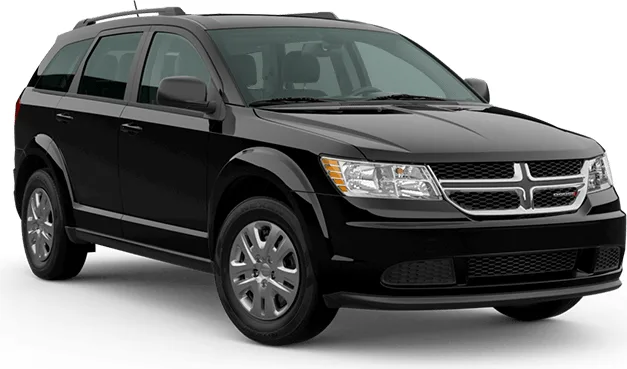
Dodge Journey
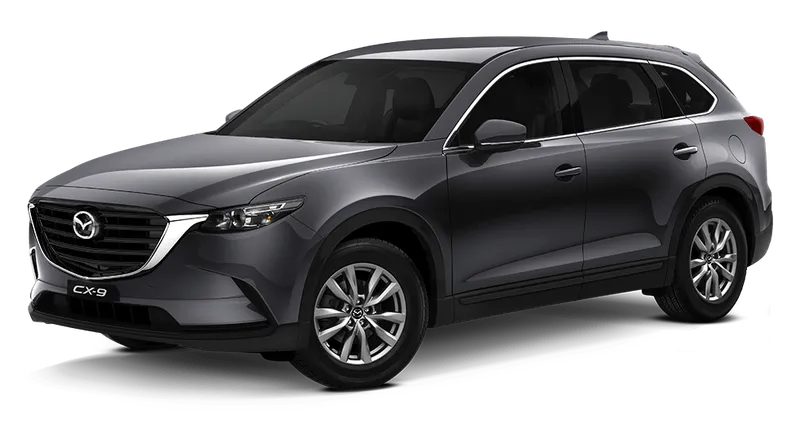
Mazda CX-9
The Mazda CX-9 edges out the Dodge Journey on reliability. It draws fewer owner complaints per car sold. The Journey does visit the shop less often, but sudden stalling reports and a higher chance of major repairs keep the CX-9 slightly ahead.
How Do the Dodge Journey and Mazda CX-9 Generations Compare?
Verdict
The Mazda CX-9 is more reliable than the Dodge Journey, scoring 76/100 vs 74/100.
On the numbers, the CX-9 has a slight edge. Owners filed fewer complaints per 10,000 sold, 15 against 18, and independent repair-cost data puts its yearly cost a little lower, with a smaller chance that a repair is major. Both rate good, and the gap is small. The Journey wins on shop visits, at 0.3 a year against 0.6. Its electrical record, which includes sudden stalling at speed, is the main thing keeping it from closing the gap.
Key Differences
- 1Mazda CX-9 costs $23 less per year to repair
- 2Mazda CX-9 has 3.0 fewer complaints per 10k sold
- 3Mazda CX-9 scores 2 points higher in reliability
Category Scoreboard
Dodge Journey vs Mazda CX-9: Which Is More Reliable?
| Metric | Dodge Journey | Mazda CX-9 |
|---|---|---|
| Reliability Score | 74/100 | 76/100 |
| Years Tracked | 3 | 6 |
| Total Recalls | 8 | 6 |
| Complaints per 10k Sold | 18 | 15 |
| Annual Repair Cost | $562/yr | $539/yr |
| Repair Frequency | 0.3/yr | 0.6/yr |
| Major Repair Risk | 12% | 10% |
| Safety RatingNHTSA overall | 2020 NHTSA | 2023 NHTSA |
| Frontal | ||
| Side | ||
| Rollover | ||
| Year Wins | 2 | 1 |
What Are the Common Problems With the Dodge Journey and Mazda CX-9?
Electrical faults are the Dodge's biggest issue. Engines shut off at speed, power steering drops out, and some cars lose power and crawl at 15 mph. The transmission can drop out of gear and slam back in. Headlights fog with water, and backup cameras flip or go black while owners wait for recall parts. The Mazda's trouble sits in the engine: coolant leaks at the cylinder head cause overheating and limp mode, and some cars burn oil quickly. Crash-linked areas differ too. The CX-9 has two in service brakes, including an electronic parking brake that let go in gear. The Journey has none in brakes, but has one each in electrical, backup camera, and lighting.
| Component | Dodge Journey | Mazda CX-9 |
|---|---|---|
| ENGINE | 0.8Very Low | 5.7Average |
| ELECTRICAL SYSTEM | 4.6Average | 1.5Low |
| UNKNOWN OR OTHER | 1.8Low | 2Low |
| POWER TRAIN | 1.2Low | 1.2Low |
| SERVICE BRAKES | 0.9Very Low | 0.7Very Low |
| BACK OVER PREVENTION | 1.2Low | 0.2Very Low |
| STEERING | 0.8Very Low | 0.4Very Low |
| EXTERIOR LIGHTING | 1.1Low | —None |
| AIR BAGS | 0.8Very Low | 0.2Very Low |
| SEATS | 0.7Very Low | 0.1Very Low |
| STRUCTURE | 0.3Very Low | 0.3Very Low |
| VEHICLE SPEED CONTROL | 0.5Very Low | —None |
| SUSPENSION | —None | 0.2Very Low |
| TIRES | 0.1Very Low | —None |
| Chest Clip | —None | 0.1Very Low |
| FUEL/PROPULSION SYSTEM | —None | 0.1Very Low |
| VISIBILITY/WIPER | —None | 0.1Very Low |
| ENGINE AND ENGINE COOLING | —None | 0.1Very Low |
Complaints per 10,000 units sold, aggregated across all tracked model years from NHTSA owner reports.
Which Is Cheaper to Maintain: Dodge Journey or Mazda CX-9?
How Does Dodge Journey vs Mazda CX-9 Reliability Compare by Year?
| Year | Dodge Journey | Mazda CX-9 | Edge |
|---|---|---|---|
| 2020 | 77/1001R / 61C | 78/1001R / 19C | Mazda CX-9 |
| 2019 | 78/1001R / 92C | 73/1002R / 52C | Dodge Journey |
| 2018 | 68/1006R / 223C | 66/1002R / 125C | Dodge Journey |
Best years to cross-shop: The 2019 Dodge Journey scored 78/100 and the 2020 Mazda CX-9 scored 78/100 — the strongest shared model years that have been on the road for at least two years, where available.
Who Should Buy the Dodge Journey vs the Mazda CX-9?
Dodge Journey vs Mazda CX-9: Common Questions
- Is the Dodge Journey more reliable than the Mazda CX-9?
- No, the CX-9 has a slight edge. Both rate good, but the CX-9 drew 15 complaints per 10,000 sold against 18 for the Journey. It also has a lower yearly repair cost and a smaller chance of a major repair. The Journey needs fewer shop visits.
- Which has more recalls, the Journey or the CX-9?
- The Journey has more per model year. Federal recall records show 8 recalls across its 3 model years, 2018 to 2020. The CX-9 has 6 across 6 model years, 2018 to 2023. Check any car's VIN to confirm that recall repairs were done.
- Which costs less to repair, the Journey or the CX-9?
- The CX-9 costs slightly less. Independent repair-cost data shows $539 a year for the CX-9 and $562 for the Journey, a difference of about $115 over five years. The Journey does need fewer unscheduled shop visits, 0.3 a year against 0.6.
- What goes wrong most often on the Dodge Journey?
- Electrical faults lead, with 97 complaints. The most serious is sudden stalling while driving, with power steering dropping out. Smaller repeat problems include door locks that ignore the fob, backup cameras that go black or flip, and a frozen touch screen. Transmission and headlight fogging complaints follow.
- What are the common engine problems on the Mazda CX-9?
- Coolant leaks at the cylinder head, near the exhaust manifold, are the main one. They lead to overheating and limp mode, which holds the car to around 30 mph. Some owners also report burning a quart of oil in under 3,000 miles. Engine complaints total 95.
Related Reliability Comparisons
More Dodge Journey comparisons
Decided between Dodge Journey and Mazda CX-9? Run a VIN check before you buy — uncover hidden accidents, title issues, and open recalls.
How we score the Dodge Journey and Mazda CX-9
Scores weight complaint severity at 35%, repair costs at 30%, recall impact at 20%, and the spread of complaints across systems at 15%, with complaint counts adjusted for US sales. Read the full methodology.
See incorrect data? Report an issue