Last updated: 2026-10-10
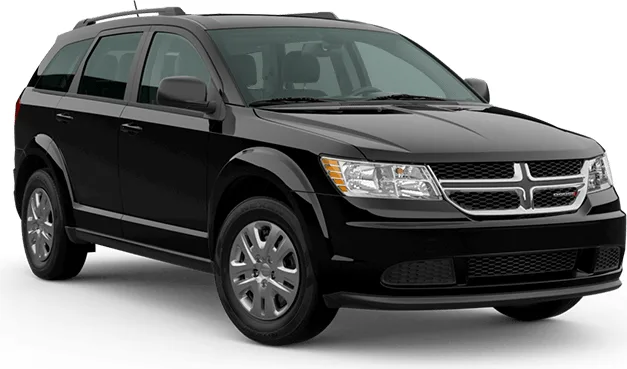
Dodge Journey Years to Avoid
3 scored model years (2018–2020) · model average 74/100
Skip the 2018 model year. It has the most owner complaints by a wide margin, led by electrical faults that include engines shutting off while driving. Buy the 2019 instead, which has far fewer complaints and only one recall.
Verdict
- Avoid
- 2018 68/100
- Buy
- 2019 78/100
- Model average
- 74/100
Dodge Journey Years to Avoid
These model years score significantly below the Dodge Journey average of 74/100.
| # | Year | Score | Rating | Recalls | Complaints | Top Issue |
|---|---|---|---|---|---|---|
| 1 | 2018 | 68/100 | Good | 6 | 223 | Electrical System (61) |
Why These Years Should Be Avoided
2018 Dodge Journey
Electrical trouble defines this year, with 61 of its owner complaints. The worst reports describe engines shutting off at speed, power steering dropping out, and cars that lose power and crawl. Brakes shudder early, headlight housings fill with water, and federal records list six recalls.
Top issues: Electrical System (61), Unknown Or Other (23), Power Train (16), Exterior Lighting (16), Service Brakes (13), Seats (12)
View full 2018reliability report →What Are Common Dodge Journey Problems?
ELECTRICAL SYSTEM
97 complaintsMost reported in 2018, 2019, 2020
2018: Sudden stalling while driving is the most serious pattern.
UNKNOWN OR OTHER
37 complaintsMost reported in 2019, 2020
2019: The backup camera fails in most of these reports.
BACK OVER PREVENTION
25 complaintsMost reported in 2019, 2020
2019: Most of these reports describe an open recall notice for the rearview camera that dealers cannot complete because the part is not yet available.
POWER TRAIN
25 complaintsMost reported in 2018, 2019, 2020
2018: Most of these reports are about the transmission.
EXTERIOR LIGHTING
24 complaintsMost reported in 2018, 2019, 2020
2018: Headlight housings fill with water and condensation.
SERVICE BRAKES
19 complaintsMost reported in 2018, 2020
2018: Vibration and shudder when braking can start as early as 9,000 miles and get worse going downhill and at highway speed.
Best Dodge Journey Year to Buy Instead
2019 Dodge Journey
The 2019 has well under half the owner complaints of the 2018 and one recall instead of six. Its complaint rate per vehicle sold is also much lower. It is not trouble free, since owners report backup camera faults and some engine shutdowns, but the stalling pattern is far heavier in 2018.
Found a Safe Year? Check the Specific Car
Even the 2019 Dodge Journey has 1 recall on file. A VIN check confirms the recall work on the exact car and shows its accident, title, and service history.
- Accidents
- Open Recalls
- Title History
- Odometer Rollback
All Dodge Journey Years by Generation
Dodge Journey Reliability Scores by Year
First generation (JC49) (2009–2020)
Frequently Asked Questions
Which Dodge Journey year should I avoid?
Which Dodge Journey years have transmission problems?
Is the 2019 Dodge Journey a safe used buy?
Should I buy a 2020 Dodge Journey?
What goes wrong with the 2018 Dodge Journey?
How we score every Dodge Journey model year
Scores weight complaint severity at 35%, repair costs at 30%, recall impact at 20%, and the spread of complaints across systems at 15%, with complaint counts adjusted for US sales. Read the full methodology.
See incorrect data? Report an issue