Last updated: 2026-10-10
BMW X7 vs Nissan Armada: Reliability Compared
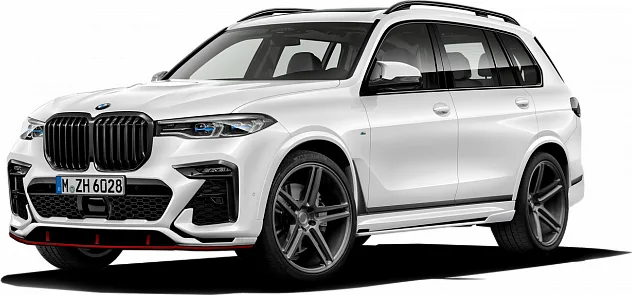
BMW X7
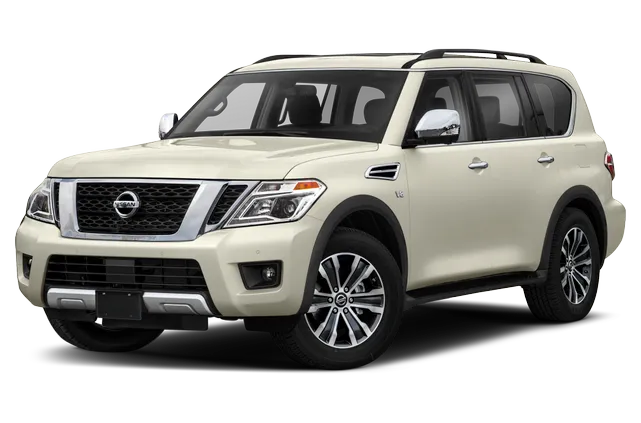
Nissan Armada
The Nissan Armada has a slight reliability edge over the BMW X7, mainly because it costs about half as much to repair each year. Both rate good. The X7 carries far more recalls, while the Armada draws more battery and brake-switch complaints.
How Do the BMW X7 and Nissan Armada Generations Compare?
Verdict
The Nissan Armada is more reliable than the BMW X7, scoring 73/100 vs 69/100.
Slight edge to the Armada. Both SUVs hold a good standing, so the gap is small. The deciding factor is cost and upkeep: the Armada has far fewer recalls, fewer unscheduled shop visits, and a much lower yearly repair bill. The X7 does not fall far behind, and its complaint volume relative to sales is low. But the Armada's battery, transmission, and brake-switch problems are real, so the edge rests on ownership cost, not on a cleaner problem list.
Key Differences
- 1Nissan Armada costs $577 less per year to repair
- 2Nissan Armada has 42 fewer total recalls
- 3BMW X7 has 12.0 fewer complaints per 10k sold
Category Scoreboard
BMW X7 vs Nissan Armada: Which Is More Reliable?
| Metric | BMW X7 | Nissan Armada |
|---|---|---|
| Reliability Score | 69/100 | 73/100 |
| Years Tracked | 8 | 9 |
| Total Recalls | 55 | 13 |
| Complaints per 10k Sold | 1 | 13 |
| Annual Repair Cost | $1127/yr | $550/yr |
| Repair Frequency | 0.7/yr | 0.4/yr |
| Year Wins | 0 | 8 |
What Are the Common Problems With the BMW X7 and Nissan Armada?
Failures that strand you or cannot be fixed quickly define the X7 list. Starters fail without warning, often at a traffic light after stop/start shuts the engine off, and some cars repeat the failure. The shark fin antenna leaks into the telematics unit. Transfer case failure and a cracking oil pump part are the costly powertrain reports. Many brake and stability control complaints are about recall parts owners cannot get. Armada complaints lean toward electrical drain: batteries die repeatedly, and one report describes parking sensors braking the car hard. Transmission replacement and a brake-pedal switch fault that returns also stand out. Neither model has a crash-linked area the other lacks. Both have crash-linked electrical, powertrain, and brake complaints.
| Component | BMW X7 | Nissan Armada |
|---|---|---|
| ELECTRICAL SYSTEM | 0.2Very Low | 5.5Average |
| UNKNOWN OR OTHER | 0.1Very Low | 1.3Low |
| POWER TRAIN | 0.1Very Low | 1.2Low |
| ENGINE | 0.1Very Low | 0.8Very Low |
| SERVICE BRAKES | 0.2Very Low | 0.7Very Low |
| EXTERIOR LIGHTING | —None | 0.3Very Low |
| SUSPENSION | —None | 0.3Very Low |
| AIR BAGS | —None | 0.2Very Low |
| FUEL SYSTEM | —None | 0.2Very Low |
| VEHICLE SPEED CONTROL | —None | 0.2Very Low |
| ELECTRONIC STABILITY CONTROL (ESC) | 0.1Very Low | —None |
| FORWARD COLLISION AVOIDANCE | —None | 0.1Very Low |
| BACK OVER PREVENTION | —None | 0.1Very Low |
| VISIBILITY/WIPER | —None | 0.1Very Low |
| STEERING | —None | —None |
| SEATS | —None | —None |
| ENGINE AND ENGINE COOLING | —None | —None |
| STRUCTURE | —None | —None |
| FUEL/PROPULSION SYSTEM | —None | —None |
Complaints per 10,000 units sold, aggregated across all tracked model years from NHTSA owner reports.
Which Is Cheaper to Maintain: BMW X7 or Nissan Armada?
How Does BMW X7 vs Nissan Armada Reliability Compare by Year?
| Year | BMW X7 | Nissan Armada | Edge |
|---|---|---|---|
| 2026 | 62/1002R / 4C | 74/1002R / 6C | Nissan Armada |
| 2025 | 71/1004R / 26C | 73/1002R / 19C | Nissan Armada |
| 2024 | 70/1007R / 62C | 75/1001R / 4C | Nissan Armada |
| 2023 | 69/1008R / 41C | 75/1001R / 5C | Nissan Armada |
| 2022 | 72/1002R / 18C | 75/1001R / 8C | Nissan Armada |
| 2021 | 69/1009R / 36C | 74/1002R / 12C | Nissan Armada |
| 2020 | 67/10012R / 52C | 72/1002R / 26C | Nissan Armada |
| 2019 | 68/10011R / 44C | 72/1001R / 72C | Nissan Armada |
Best years to cross-shop: The 2022 BMW X7 scored 72/100 and the 2024 Nissan Armada scored 75/100 — the strongest shared model years that have been on the road for at least two years, where available.
Who Should Buy the BMW X7 vs the Nissan Armada?
BMW X7 vs Nissan Armada: Common Questions
- Is the BMW X7 more reliable than the Nissan Armada?
- No, the Armada has a slight edge. Both hold a good standing, but the Armada has fewer recalls, fewer unscheduled shop visits, and a lower yearly repair cost. The X7 has a low complaint rate relative to sales, so the gap is small, not large.
- Which has more recalls, the X7 or the Armada?
- The X7 has far more. Federal recall records show 55 recalls across its 8 model years, while the Armada has 13 across 9. Many X7 brake and stability control complaints involve owners waiting on recall parts that dealers could not supply.
- Which costs less to repair, the X7 or the Armada?
- The Armada costs less. Independent repair-cost data estimates $550 a year for the Armada and $1127 for the X7. Over five years, that difference adds up to about $2,885. The Armada also visits the shop less often without being scheduled.
- What are the common problems with the Nissan Armada?
- Electrical trouble leads, mainly batteries that drain and leave the SUV stranded. Owners also report full transmission failures, stalling that may trace to the fuel pump, and a brake-pedal switch fault that returns after repairs, sometimes within about a year.
- What goes wrong with the BMW X7 starter?
- Owners report the starter failing without warning, and the engine will not restart. It often happens at a traffic light after stop/start shuts the engine off. Some cars show a starter overheated message first. One owner had three starters in a row, each lasting about 16 months.
Related Reliability Comparisons
More BMW X7 comparisons
Decided between BMW X7 and Nissan Armada? Run a VIN check before you buy — uncover hidden accidents, title issues, and open recalls.
How we score the BMW X7 and Nissan Armada
Scores weight complaint severity at 35%, repair costs at 30%, recall impact at 20%, and the spread of complaints across systems at 15%, with complaint counts adjusted for US sales. Read the full methodology.
See incorrect data? Report an issue