Last updated: 2026-10-10
BMW X7 vs Jeep Wagoneer: Reliability Compared
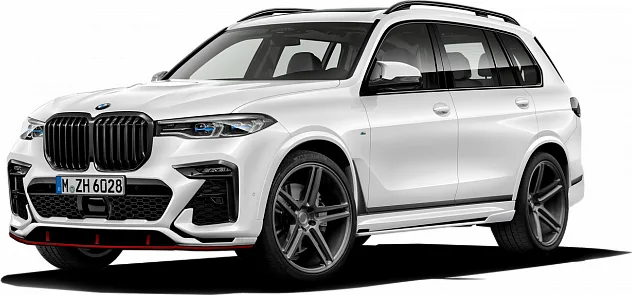
BMW X7
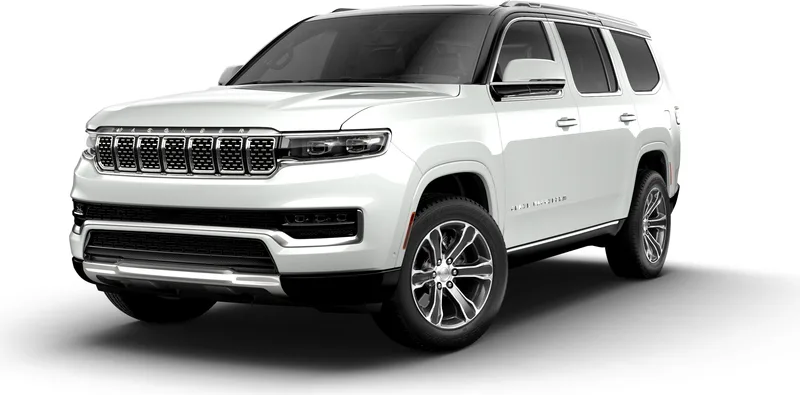
Jeep Wagoneer
Reliability favors the BMW X7 over the Jeep Wagoneer by a clear margin. The deciding fact is how the problems show up. Wagoneer owners report sudden shutdowns and lost steering, while many X7 complaints concern recall parts. The Wagoneer is cheaper to repair, though.
How Do the BMW X7 and Jeep Wagoneer Generations Compare?
Verdict
The BMW X7 is more reliable than the Jeep Wagoneer, scoring 69/100 vs 63/100.
The more reliable pick is the X7, and the edge is clear. The deciding reason is the kind of failure owners report. Wagoneer complaints describe engine shutdowns, power steering cutting out, and overheating from a failed thermostat. Many X7 complaints are about waiting for recall parts, not about breakdowns. The X7 costs more to keep running and has more recalls over a longer span. Even so, the Wagoneer's complaint rate per vehicle sold is far higher, and its failures are the scarier kind.
Key Differences
- 1Jeep Wagoneer costs $343 less per year to repair
- 2Jeep Wagoneer has 31 fewer total recalls
- 3BMW X7 has 20.1 fewer complaints per 10k sold
Category Scoreboard
BMW X7 vs Jeep Wagoneer: Which Is More Reliable?
| Metric | BMW X7 | Jeep Wagoneer |
|---|---|---|
| Reliability Score | 69/100 | 63/100 |
| Years Tracked | 8 | 4 |
| Total Recalls | 55 | 24 |
| Complaints per 10k Sold | 1 | 21.1 |
| Annual Repair Cost | $1127/yr | $784/yr |
| Repair Frequency | 0.7/yr | 0.4/yr |
| Year Wins | 3 | 1 |
What Are the Common Problems With the BMW X7 and Jeep Wagoneer?
Sudden loss of power defines the Wagoneer's problems. The SUV shuts off, shifts into Park, and sets the parking brake, sometimes at 45 to 50 mph with locked steering. Power steering also cuts out, and a failed thermostat can overheat the engine. Crashes are linked to electrical, power train, and service brake complaints. X7 complaints are more mixed. Brake and stability control reports are mostly about recall repairs with no parts available. Real faults include starter failure after stop/start, a leaking antenna that floods the telematics unit, transfer case failure, and a cracking plastic oil pump part. Crash links are fewer, at one or two per area.
| Component | BMW X7 | Jeep Wagoneer |
|---|---|---|
| ELECTRICAL SYSTEM | 0.2Very Low | 7.4Above Avg |
| POWER TRAIN | 0.1Very Low | 2.9Low |
| STEERING | —None | 2.7Low |
| UNKNOWN OR OTHER | 0.1Very Low | 1.8Low |
| ENGINE | 0.1Very Low | 1.8Low |
| SERVICE BRAKES | 0.2Very Low | 0.8Very Low |
| SUSPENSION | —None | 0.6Very Low |
| STRUCTURE | —None | 0.4Very Low |
| SEATS | —None | 0.3Very Low |
| ENGINE AND ENGINE COOLING | —None | 0.2Very Low |
| VISIBILITY/WIPER | —None | 0.2Very Low |
| WHEELS | —None | 0.2Very Low |
| ELECTRONIC STABILITY CONTROL (ESC) | 0.1Very Low | —None |
| AIR BAGS | —None | 0.1Very Low |
| FORWARD COLLISION AVOIDANCE | —None | —None |
| BACK OVER PREVENTION | —None | —None |
| EXTERIOR LIGHTING | —None | —None |
| FUEL/PROPULSION SYSTEM | —None | —None |
Complaints per 10,000 units sold, aggregated across all tracked model years from NHTSA owner reports.
Which Is Cheaper to Maintain: BMW X7 or Jeep Wagoneer?
How Does BMW X7 vs Jeep Wagoneer Reliability Compare by Year?
| Year | BMW X7 | Jeep Wagoneer | Edge |
|---|---|---|---|
| 2025 | 71/1004R / 26C | 72/1001R / 5C | Jeep Wagoneer |
| 2024 | 70/1007R / 62C | 66/1006R / 45C | BMW X7 |
| 2023 | 69/1008R / 41C | 59/1008R / 93C | BMW X7 |
| 2022 | 72/1002R / 18C | 55/1009R / 189C | BMW X7 |
Best years to cross-shop: The 2022 BMW X7 scored 72/100 and the 2024 Jeep Wagoneer scored 66/100 — the strongest shared model years that have been on the road for at least two years, where available.
Who Should Buy the BMW X7 vs the Jeep Wagoneer?
BMW X7 vs Jeep Wagoneer: Common Questions
- Is the Jeep Wagoneer more reliable than the BMW X7?
- No. The X7 has a clear edge. Owners file far fewer complaints per vehicle sold for the X7, and many of those are about waiting for recall parts. Wagoneer complaints describe the SUV shutting off, shifting into Park, and losing power steering, including at highway speed.
- Which has more recalls, the Wagoneer or the X7?
- The X7 has more. Federal recall records show 55 across eight model years, against 24 for the Wagoneer across four model years. The X7 has been on sale longer, so it has had more time to collect them. Check any used car's VIN for open recalls.
- Which is cheaper to repair?
- The Wagoneer. Independent repair-cost data shows about $784 a year, against $1,127 for the X7. It also averages 0.4 unscheduled shop visits a year, compared with 0.7. Over five years, the gap is about $1,715.
- What goes wrong most often on the Jeep Wagoneer?
- Electrical shutdowns lead the list, with 117 complaints. The SUV shuts off, shifts into Park, and sets the parking brake, sometimes at speed. Owners also report power steering cutting out and thermostat failures that overheat the engine. Several say the problems came back after dealer repairs.
- Are the BMW X7 brake complaints a sign of failing brakes?
- Mostly no. Most of the 56 brake complaints are about a recall repair owners cannot get because parts are unavailable. Only a few describe brakes misbehaving, such as sudden hard braking with the parking brake engaging. Ask the seller whether the recall work is done.
Related Reliability Comparisons
More BMW X7 comparisons
Decided between BMW X7 and Jeep Wagoneer? Run a VIN check before you buy — uncover hidden accidents, title issues, and open recalls.
How we score the BMW X7 and Jeep Wagoneer
Scores weight complaint severity at 35%, repair costs at 30%, recall impact at 20%, and the spread of complaints across systems at 15%, with complaint counts adjusted for US sales. Read the full methodology.
See incorrect data? Report an issue