Last updated: 2026-10-10
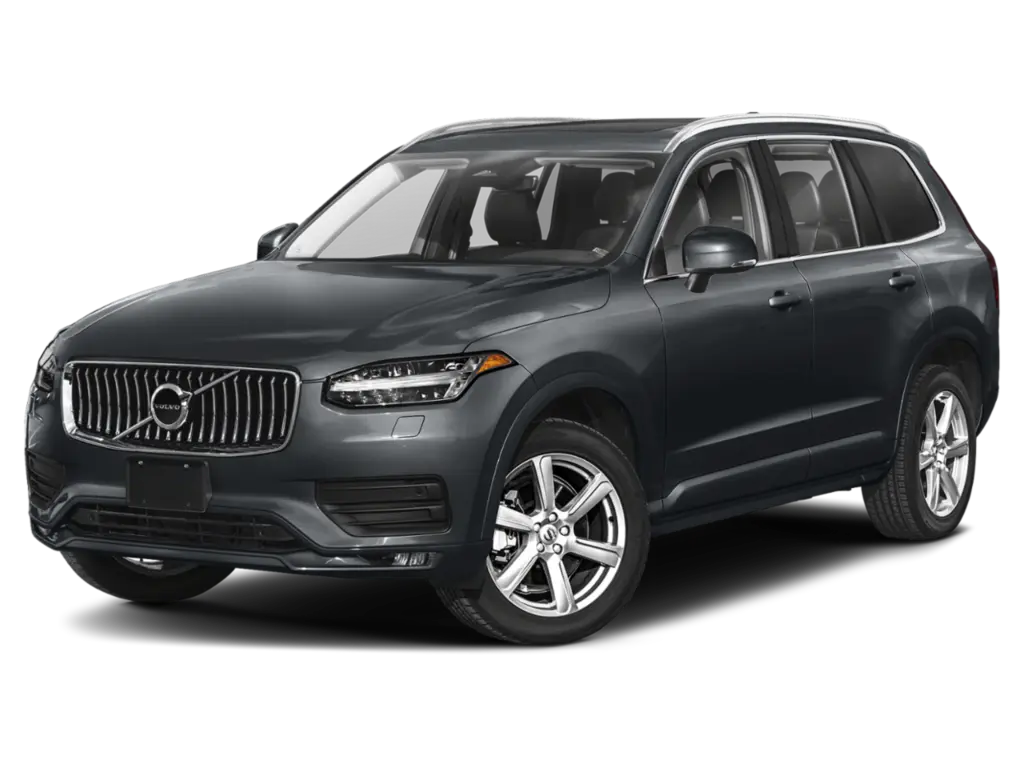
2025 Volvo XC90 Reliability Report
The 2025 Volvo XC90 holds a good reliability standing, but rear camera dropouts and random screen blackouts are the faults to check before buying.
Recalls
3
Complaints
23
Complaint Rate
5.6per 10,000 sold
Est. Repair Cost
$851
Annual Fuel Cost
$2,550–$3,000
Detailed Score Breakdown
Component-weighted complaints normalized by sales volume
Independent repair cost ratings
Recall count weighted by severity
Breadth of reported problem categories
The Verdict
Ranks best of the nine scored XC90 years, yet owners report rear camera dropouts and screen blackouts within weeks of delivery.
Top Issues to Watch
- ELECTRICAL SYSTEM (5)
- BACK OVER PREVENTION (4)
- SERVICE BRAKES (3)
Generation & Refresh (US)
2025 received a 2024 facelift update for the Second generation (2015).
- Changes: Redesigned front fascia; New headlights and grille design; Updated touchscreen infotainment system.
- Year 10 in this generation (2016–present).
- 2nd generation XC90 (US).
What this means for buyers
Refresh years bring updates but can also introduce new issues. Check early recall data before buying.
2016: Second generation (2015) Launch
Generation start — new platform.
2020: Mid-Cycle Refresh
Updated features and styling tweaks.
2023: Mid-Cycle Refresh
Updated features and styling tweaks.
2025: This Model Year (Refresh)
2025 received a 2024 facelift update for the Second generation (2015).
Should You Buy the 2025 Volvo XC90?
Reliability is good, and this is the best of the nine scored XC90 model years. Against other 2025 SUVs it sits close to average, so it is solid without leading its class. The 2024 and 2026 model years also rate good and about the same. Independent repair-cost data puts yearly repairs at $851 for the model, a little above the $807 for its class.
The complaints center on electronics. Owners describe the center screen, gauges and lights cutting out at random, sometimes at highway speed. Speakers can go silent, which removes the blind-spot and collision warning sounds. The rear camera drops out with a "Camera temporarily unavailable" message, and some owners say it keeps failing after a dealer repair. Three brake reports describe the pedal losing its stopping power, one tied to a software update. Four complaints involve a crash. Federal recall records show three recalls: two for back over prevention and the rest for service brakes.
Ask the seller for proof that every recall was completed, especially the camera and brake ones. Ask for dealer records of any screen, camera or software repairs, and test the camera in reverse before you sign.
Compared to the 2026 Volvo XC90, which scored 1 points lower. See also the 2024 Volvo XC90 for an earlier comparison.
Pros
- +Acceptable reliability score
- +Low major repair risk (11%)
- +5-star NHTSA crash rating
Cons
- −Moderate recall count
- −Above-average complaint rate for SUV
- −ELECTRICAL SYSTEM: Center screen, gauges, lights and remote start cut out and come back at random (5 complaints)
Compare 2025 Volvo XC90 With
2025 BMW X5
Reliability: 64/100
2025 Audi Q7
Reliability: 68/100
2025 Genesis GV80
Reliability: 64/100
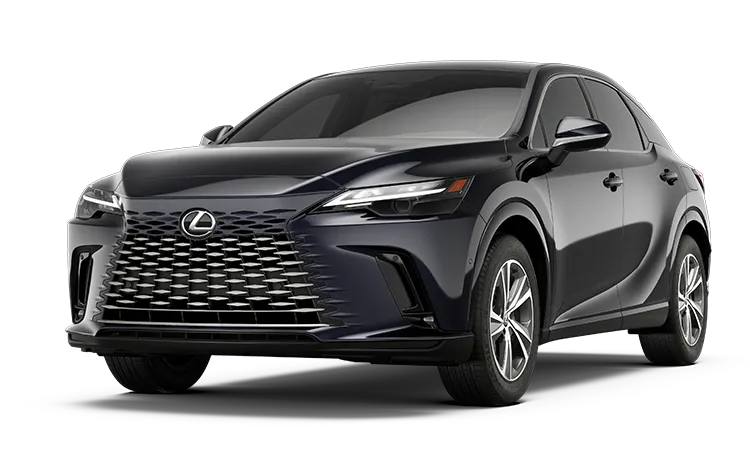
2025 Lexus RX
Reliability: 83/100
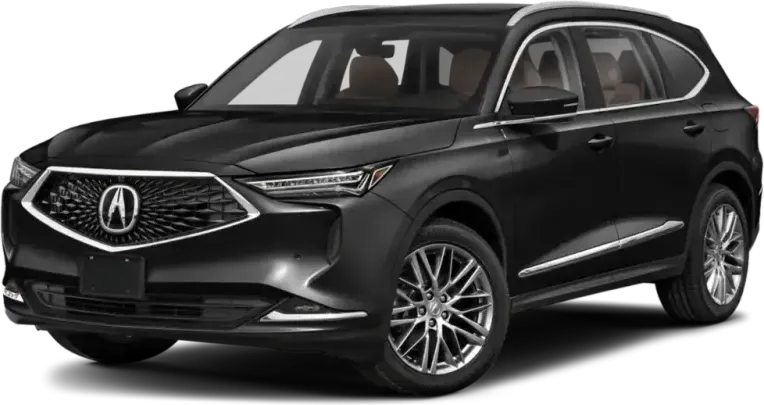
2025 Acura MDX
Reliability: 76/100
Common Problem Categories
Safety
LOW RISK- 3 manufacturer recalls issued
Other
HIGH RISK- ELECTRICAL SYSTEM (5)
- BACK OVER PREVENTION (4)
Recall Overview
3
recalls on record
A moderate 3 recalls are on file for the 2025 Volvo XC90. Each one points to a specific safety or compliance issue identified by the manufacturer or NHTSA — check the list below before buying.
NHTSA.gov →Complaint Breakdown
5.6
per 10,000 soldSegment avg: 3.5
Safety Incidents
4
Crashes
0
Fires
0
Injuries
0
Deaths
NHTSA 5/5 Stars
Data sourced from NHTSA complaint filings and manufacturer recall notices. Complaint narratives are owner-reported.
2025 Volvo XC90 Recall Details
3 recalls have been issued for the 2025 Volvo XC90. All recall repairs are performed free of charge at authorized dealerships.
BACK OVER PREVENTION
Volvo Car USA, LLC (Volvo Car) is recalling certain 2021-2025 XC40, 2022 V90, 2022-2024 C40BEV, 2022-2025 S90, V90CC, XC60, 2023-2025 S60, V60, V60CC, XC90, and 2025 EC40, and EX40 vehicles. The rearview camera image may not display when the vehicle is placed in reverse. As such, these vehicles fail to comply with the requirements of Federal Motor Vehicle Safety Standard number 111, "Rear Visibility."
Consequence
A rearview camera image that does not display reduces the driver's view behind the vehicle, increasing the risk of a crash.
Remedy
The software will be updated by a dealer or through an over-the-air (OTA) update, free of charge. Owner notification letters were mailed February 24, 2026. Owners may contact Volvo Car’s customer service at 1-800-458-1552. Volvo Car's number for this recall is R10333. Vehicle Identification Numbers (VINs) involved in this recall will be searchable on NHTSA.gov beginning February 16, 2026. This recall replaces previous NHTSA recall number 25V282. Vehicles previously repaired under recall 25V282 will need to have the new remedy performed.
BACK OVER PREVENTION
Volvo Car USA, LLC (Volvo Car) is recalling certain 2021-2025 XC40, 2022 V90, 2022-2025 S90, V90CC, C40, XC60, 2023-2025 S60, V60, V60CC, XC90, and 2025 EC40 and EX40 vehicles. The rearview camera image may not display when the vehicle is placed in reverse. As such, these vehicles fail to comply with the requirements of Federal Motor Vehicle Safety Standard number 111, "Rear Visibility."
Consequence
A rearview camera image that does not display reduces the driver's view of what is behind the vehicle, increasing the risk of a crash.
Remedy
The software will be updated by a dealer or through an over-the-air (OTA) update, free of charge. Owner notification letters were mailed June 27, 2025. Owners may contact Volvo Car customer service at 1-800-458-1552. Volvo Car's number for this recall is R10320.
SERVICE BRAKES, HYDRAULIC, SERVICE BRAKES
Volvo Car USA, LLC (Volvo Car) is recalling certain 2023 Volvo C40 BEV, 2025 EC40, 2023-2024 XC40 BEV, 2020-2026 XC90 PHEV, 2022-2026 XC60 PHEV, 2023-2025 S60 PHEV, 2024-2025 V60 PHEV, and 2025-2026 EX40 and 2025 S90 PHEV vehicles. In certain driving scenarios while coasting down a hill and using "B" mode or "One Pedal Drive," the vehicle may lose brake function.
Consequence
A loss of brake function increases the risk of a crash.
Remedy
Owners are advised not to use "B" Mode (for plug-in hybrid vehicles) or "One Pedal Drive" (for pure electric vehicles) until the repair has been completed. The brake module software will be updated over-the-air (OTA) or by a dealer, free of charge. Owner notification letters were mailed July 15, 2025. Owners may contact Volvo Car's customer service at 1-800-458-1552. Volvo Car's number for this recall is R10329.
Buying a used 2025 Volvo XC90? Check its history first
Electrical system problems lead owner complaints about the 2025 Volvo XC90, and 3 recalls were issued for it. A VIN check shows whether this car's recall work was done, plus accident, title, and odometer history.
- Accidents
- Open Recalls
- Title History
- Odometer Rollback
2025 Volvo XC90 NHTSA Safety Ratings
Overall Safety Rating
Crash Test Results by Configuration (expand)
Gas Powertrain
Rollover risk: 17.9%
Safety Technologies
PHEV Powertrain
Rollover risk: 15.9%
Safety Technologies
Volvo XC90Repair Costs & Maintenance
Maintenance Rating
3.5Maintenance rating: 3.5 out of 5Based on NHTSA complaint patterns, recall severity, and publicly available cost benchmarks.
Est. Annual Maintenance
$851
vs $807 avg for luxury midsize SUVs
vs $652 avg for all vehicles
Repair Frequency
0.6
unscheduled repair visits per year
Severe Repair Probability
11%
chance of a major repair
Annual Cost Comparison
Category-level averages derived from publicly available industry reports (AAA, CarMD). Model-level estimates produced by Auto Reliability Index.
MPG & Annual Running Costs
Plug-in Hybrid
23–27 MPG
Running cost: $3,400–$3,850/yr
Fuel + repair
20–26 city / 26–30 hwy MPG
Running cost includes EPA fuel-cost estimate and independent repair-cost data (repair cost estimated at model level). Excludes routine maintenance, depreciation, and insurance. Data as of 2025 EPA label cycle.
Plug-in Hybrid trims
| Trim | Drive | Trans. | City | Hwy | Comb | Fuel Cost |
|---|---|---|---|---|---|---|
| XC90 T8 AWD 2.0L 4-cyl | All-Wheel Drive | Automatic (S8) | 26 | 27 | 27 | $2,550 |
Used Buying Checklist
Key things to inspect or verify before purchasing a 2025 Volvo XC90.
Shift into reverse several times and confirm the rear camera appears every time with no "temporarily unavailable" message.
Cycle through the side mirror and front bumper camera views and confirm each one shows a live image.
Take a long drive at highway speed and watch for the center screen or gauges going blank or rebooting.
Remote start the car with the Volvo app, then try to drive off and confirm the display switches to normal mode.
Use the turn signal and pass a car in the blind spot to confirm warning chimes play through the speakers.
Test the brakes firmly in an empty lot and walk away if any brake warning appears.
Ask for service records showing any brake, stalling or screen complaints, and confirm the latest software update installed.
Look through the rear passenger windows for haze, and watch the tailpipe at idle and pull-away for smoke.
2025 Volvo XC90 Common Problems by Component
23 owner complaints grouped by vehicle system.
ELECTRICAL SYSTEM
5 complaintsThe center screen, gauges, lights and remote start cut out and come back at random. Some reports describe the whole display going blank at highway speed or at night. Interior speakers can also go silent, which takes away the blind-spot, turn-signal and collision warning sounds. A car started by remote may refuse to switch into normal driving mode until it is shut off and restarted. The most serious reports involve the car slowing on its own and showing "Engine Has Now Stopped" while driving. Problems start within the first weeks of ownership, and dealers often cannot find a cause or fix it.
BACK OVER PREVENTION
4 complaintsSafety-relatedThe rear camera fails in reverse and shows a "Camera temporarily unavailable" message. The fault comes and goes. Rebooting the screen often does not bring it back, and in some cases the side and front camera views are blank too. Some owners say the screen and camera keep crashing several times a week even after a dealer repair. One crash-related report describes backing into an object with no camera image and no alert, along with the parking brake applying by itself. Reports begin within weeks of delivery.
SERVICE BRAKES
3 complaintsSafety-relatedThe brake pedal stops slowing the car, up to complete brake failure. In some reports no warning light comes on. In others a brake failure warning appears along with many other alerts at once. One crash-related report involved airbag deployment after the car would not stop on a downhill. Another ties the brake loss to a recent over-the-air software update that appeared to have installed correctly. There are only three reports, but each describes a direct loss-of-control risk.
UNKNOWN OR OTHER (3 complaints)
UNKNOWN OR OTHER
3 complaintsDriver-assist and screen problems make up most of this group. The speed limit display can show limits far above the real posted speed. Lane departure assist struggles to read lanes in construction zones and keeps steering against the driver. The infotainment system reboots on its own, mostly during navigation, and the rear camera can switch on for no reason. Separate reports describe exhaust smoke with a burning smell at stops and when pulling away, which dealers could not trace. Another complaint is that the owner's manual can only be read on the car's screen and not while driving.
VISIBILITY/WIPER (2 complaints)
VISIBILITY/WIPER
2 complaintsSafety-relatedA haze inside the rear passenger window glass blurs and distorts the view. Dealers do not agree on it. Some replace the glass and others call it normal. One crash-related report describes backing out in heavy fog with windows not fully cleared. The camera did not show the obstacle, and automatic braking did not engage before the car hit an overhead structure. That owner says it happened during a week of ongoing software update problems.
LANE DEPARTURE (1 complaints)
LANE DEPARTURE
1 complaintThe contact owns a 2025 Volvo XC90. The contact stated that while driving through a construction zone at an undisclosed speed, the lane-keeping assist malfunctioned, causing the vehicle to become erratic, which required the contact to forcefully engage the steering wheel to regain control of the vehicle. There was no warning light illuminated. The dealer was not contacted. The vehicle was not diagnosed or repaired. The manufacturer was made aware of the failure. The approximate failure mileage was 18,000.
TIRES (1 complaints)
TIRES
1 complaintThe original OEM tires on a 2025 Volvo XC90 (purchased new in March 2025) failed prematurely due to what appears to be a manufacturing defect. Tire size: [e.g. 275/45R20]. Brand: [e.g. Pirelli Scorpion]. DOT: 193 7B594P 1924 (manufactured week 19 of 2024). The vehicle's original tires were removed in November 2025 for winter tire installation, at which point the odometer showed 6,808 miles. The tires were stored indoors in bags and never used again until April 2026, when a professional tire shop (Discount Tire) refused to remount them on the vehicle citing unsafe condition. The tires exhibit severe sidewall bulging, starburst cracking indicating internal structural failure, and at least one tire shows a deep gash with internal steel cords exposed. Three of the four original tires are affected. The fourth original tire was replaced in June 2025 after it failed during normal highway driving - the cause was attributed to a road hazard at the time but is now believed to be the same underlying defect. The replacement tire (a different unit purchased separately) shows no defects whatsoever. The safety risk is significant: three tires with structural sidewall failure were on an active vehicle for the first 6,808 miles of its life, including at highway speeds. One tire experienced an in-service failure. The remaining three deteriorated to the point a professional installer deemed them unsafe to mount. The failed tires are available for inspection. The problem has been confirmed by an independent tire service center (Discount Tire) who refused to install due to safety concerns. The manufacturer has not yet inspected the tires. There were no warning lamps or prior symptoms before the June 2025 in-service failure, and no visible signs of the sidewall damage were observed until the tires were removed from storage in April 2026.
Other/I am not sure (1 complaints)
Other/I am not sure
1 complaintI am filing this complaint regarding misleading and inconsistent safety labeling on the Nuna REVV convertible car seat. The car seat’s physical sticker, the Nuna website product page, and the user manual all contain conflicting information about the height and weight limits for different installation configurations (vehicle belt vs. lower anchor, rear-facing vs. forward-facing). Specifically: • The website listed rear-facing use with vehicle belt as 5–30 lbs with a height range of 18–34 inches, and lower anchor belt as 5–30 lbs. The sticker on the seat displayed the height limit only for certain configurations, suggesting height was not a factor for others. • After I raised the discrepancy, Nuna’s own customer service team initially told me the sticker was correct and the lower anchor configuration had different limits. They later reversed course after consulting their CPST team, confirming that the rear-facing maximum is 30 lbs OR 34 inches for ALL installation methods — contradicting what both the sticker and website indicated. • This means both the NHTSA-approved sticker on the seat and the website contained incorrect or misleading information at the time of purchase. My [XXX] son ([XXX]) has been using this seat rear-facing based on the published specifications, but is actually over the height limit. This is a serious safety concern. Car seat labels are NHTSA-regulated and are the primary resource parents use to determine safe use. Conflicting information between the label, manual, and website creates a situation where children may be used outside the seat’s tested parameters without their parents’ knowledge. I am requesting that NHTSA investigate the labeling on the Nuna REVV to determine whether it meets federal safety labeling standards and whether a corrective action or recall is warranted. INFORMATION REDACTED PURSUANT TO THE FREEDOM OF INFORMATION ACT (FOIA), 5 U.S.C. 552(B)(6)
FORWARD COLLISION AVOIDANCE (1 complaints)
FORWARD COLLISION AVOIDANCE
1 complaintSafety-relatedTwo major incidents occurred: 1)My fiance and I were driving on the highway with our four children at a speed of >50 MPH. There were no cars around us (front or sides) and no debris in the road, and the automatic emergency braking system engaged and brought the car to an abrupt stop in the middle of the highway. It happened a second time shortly thereafter at a speed around 30 MPH, again without any obstructions. I'm happy to provide the car for inspection upon request unless the manufacturer takes responsibility for this very serious malfunction and grants us a manufacturer buy-back. Stopping abruptly for no reason on the highway could have caused someone to rear-end us at a high speed and could have caused a very serious or fatal crash. I have spoken to the dealer multiple times (and I filed a complaint with Volvo Customer Care several weeks ago) and they say they'll try to "fix" it, but it's not a problem that we can ever risk having happen again. It is being inspected at the dealership now. There was no warning that this would occur. 2) There is a feature called "auto hold" whereby the driver can take their foot off the brake while sitting at a stop light and the car doesn't move again until the driver puts their foot on the accelerator. I was sitting at a stop light, using the auto hold feature, and even though I didn't put my foot on the accelerator, auto hold disengaged and the car started moving and hit the person in front of me. The malfunction of both the "auto hold" feature and the crash avoidance feature caused me to get in an auto accident. The dealer has the car and they're waiting for Volvo Customer Care to give them instructions about what to do. There were no warnings (like what normally would happen if the car is approaching something it thinks it might hit).
WHEELS (1 complaints)
WHEELS
1 complaintI am filing this report regarding a serious and potentially dangerous issue with my 2025 Volvo XC90 (VIN: [XXX]), purchased new on [XXX]. On [XXX], with only 4,516 miles, I experienced a sudden and unexplained drop in tire pressure while driving. I pulled over safely, replaced the flat with a temporary tire, and took it to a local tire shop. The technician informed me that the rear passenger-side rim had a severe internal crack on the inside barrel, causing an air leak. There was no visible damage to the tire, no pothole impact, no curb hit—only a clean break in the rim, which suggests a possible structural or manufacturing defect. I immediately brought the car to the original dealership (Volvo Cars Clear Lake in Friendswood, TX), where Service Advisor Jared Black dismissed my concern and refused to cover the repair under warranty, claiming the rim must have hit a rock. I disagreed and requested documentation of this finding, but Mr. Black initially refused to provide the inspection report. After persistent arguing and a 5-hour wait at the service center, I was finally given a report showing a $2,338.99 wheel replacement recommendation, not covered by warranty. I bought a Volvo for its safety reputation, but this rim cracked under normal driving conditions and low mileage. A failure like this at highway speeds could have been catastrophic. I believe this warrants an official safety investigation to determine whether other 2025 Volvo XC90 rims may be at risk of similar failure. Please investigate. I have documentation available and am willing to provide additional information. INFORMATION REDACTED PURSUANT TO THE FREEDOM OF INFORMATION ACT (FOIA), 5 U.S.C. 552(B)(6)
Best & Worst Volvo XC90 Years
Best Volvo XC90 Years to Buy
Based on reliability index scoreVolvo XC90 Years to Avoid
No Volvo XC90 years are statistical outliers in our data.
Scores stay between 70 and 74 across 9 scored model years.
Volvo XC90 Reliability Score Trend
Scores 0–100. Higher is better. Current year highlighted.
| Year | Score | Rating |
|---|---|---|
| 2018 | 71/100 | Good |
| 2019 | 71/100 | Good |
| 2020 | 71/100 | Good |
| 2021 | 72/100 | Good |
| 2022 | 72/100 | Good |
| 2023 | 70/100 | Good |
| 2024 | 73/100 | Good |
| 2025 | 74/100 | Good |
| 2026 | 73/100 | Good |
Volvo XC90 Reliability Compared to Other Years
2025 Volvo XC90 Reliability by Powertrain
The 2025 Volvo XC90 is available with 2powertrain options. Here's how they compare on reliability.
| Powertrain | Complaints | Recalls | Incidents* | Crash Rating |
|---|---|---|---|---|
| Gas | 23 | 2 | 4 | 5 out of 5 |
| PHEV | 0 | 1 | 0 | 5 out of 5 |
| Total | 23 | 3 | 4 |
NHTSA tracks complaints by vehicle configuration when that detail is available. Model-level reports that do not identify a specific powertrain are included in Total but not assigned to a row. A plus sign indicates a confirmed minimum; — means no complaints could be attributed to that specific powertrain. N/T = Not tested by NHTSA.
* Incidents = crash + fire reports. A single complaint can include multiple incident types.
Frequently Asked Questions
Is the 2025 Volvo XC90 reliable?
What are the most common problems with the 2025 Volvo XC90?
Does the 2025 Volvo XC90 have rear camera problems?
Has the 2025 Volvo XC90 been recalled?
Is the 2025 Volvo XC90 better than the 2024 model?
Don’t buy a 2025 Volvo XC90 without checking its VIN first — hidden accidents, title issues, and open recalls could cost you thousands.
How we score the 2025 Volvo XC90
Of the four inputs behind this score, the 2025 Volvo XC90 does best on how many systems draw complaints (81/100) and worst on repair costs (70/100). Scores weight complaint severity at 35%, repair costs at 30%, recall impact at 20%, and the spread of complaints across systems at 15%, with complaint counts adjusted for US sales. Read the full methodology.
Get notified when new recalls or reliability data is added for the Volvo XC90.
No spam. Only data updates for this model.
Browse More Volvo Models
Browse More 2025 Vehicles
2025 Nissan Ariya
Score: 88/100
2025 Honda HR-V
Score: 88/100
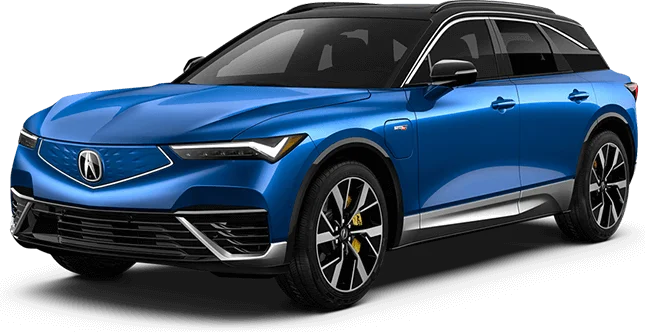
2025 Acura ZDX
Score: 88/100
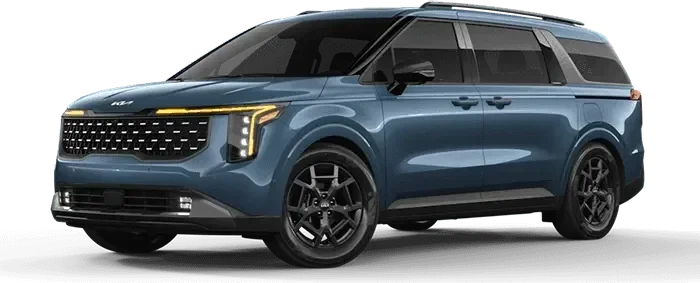
2025 Kia Carnival
Score: 88/100
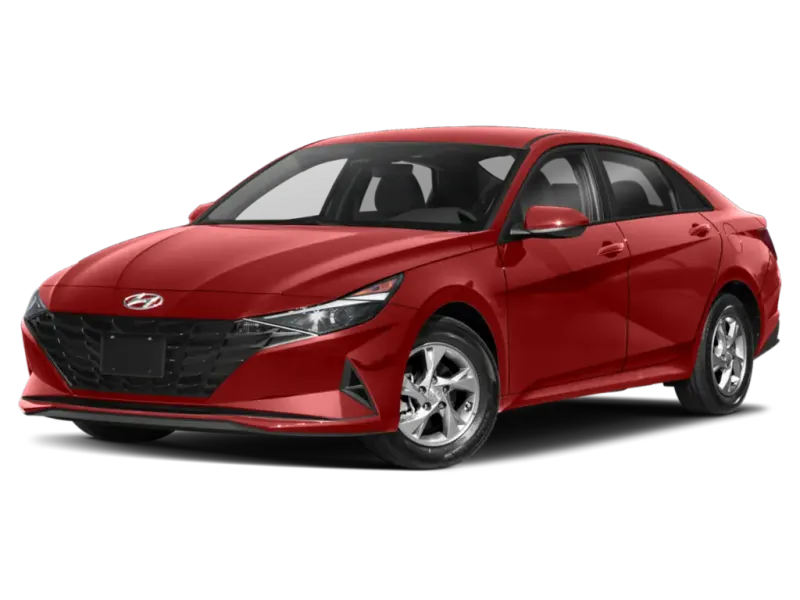
2025 Hyundai Elantra
Score: 87/100
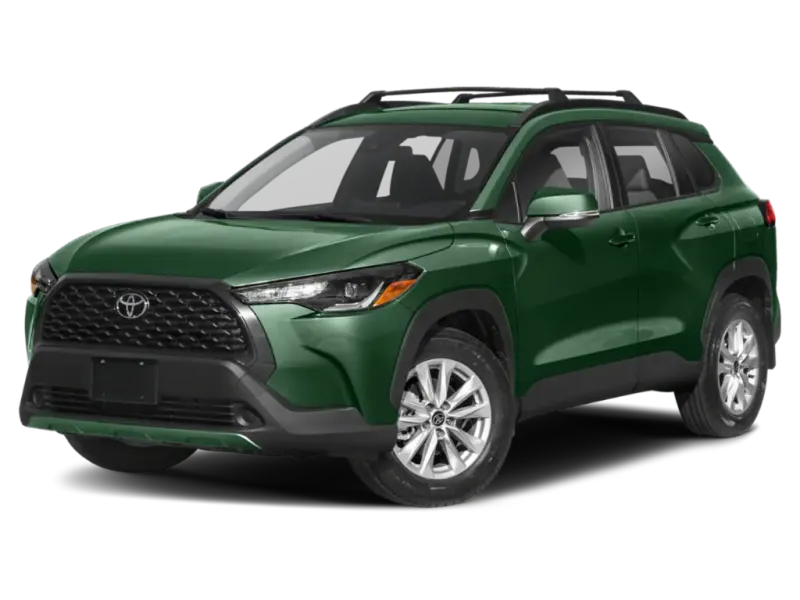
2025 Toyota Corolla Cross
Score: 86/100
See incorrect data? Report an issue