Last updated: 2026-10-10

2020 Hyundai Venue Reliability Report
The 2020 Hyundai Venue has a good reliability standing, but owners report power loss while driving and steering that jerks.
Recalls
1
Complaints
41
Complaint Rate
23.3per 10,000 sold
Est. Repair Cost
N/A
Detailed Score Breakdown
Component-weighted complaints normalized by sales volume
Independent repair cost ratings
Recall count weighted by severity
Breadth of reported problem categories
The Verdict
First year of the generation and the weakest of seven scored Venue years, with owner reports of power loss and sudden steering jerks.
Top Issues to Watch
- SEAT BELTS (7)
- POWER TRAIN (7)
- STEERING (3)
Generation & Refresh (US)
2020 is the first model year of the First generation (QX).
- First-year models may have unresolved issues from the new design.
- Redesigned for the 2020 model year.
- 1st generation Venue (US).
What this means for buyers
First-year models carry more risk — early production issues are common. Consider waiting for the second year if reliability is a priority.
Compare 2020 pricing and recall counts against 2021+ before deciding.
2020: First generation (QX) Launch
Generation start — new platform.
Should You Buy the 2020 Hyundai Venue?
Reliability stands at good, and this model year lands close to average among 2020 SUVs. Within the Venue's own scored years, though, it is the weakest of seven. It is also the first year of the first generation. The 2021 rates about the same, with 28 complaints against 41 here and 2 recalls.
Power loss is the serious problem. Owners describe acceleration fading or stopping while the car is moving, often at highway speed, with the tachometer swinging and the car lurching. Shops often trace it to the transmission. One car got a new transmission, and another failed again after a bulletin repair. Some owners say the steering wheel jerks suddenly, which they blame on lane keep assist, and one crash with an injury involved the car steering into oncoming traffic. Federal recall records list one seat belt recall, and owners report dealers lacking the repair part.
Ask for transmission service records and confirm the seat belt repair is done before buying. Look at a 2021 as well.
Compared to the 2021 Hyundai Venue, which scored 2 points higher.
Pros
- +Acceptable reliability score
- +Low recall count
- +Below-average complaint rate for SUV
Cons
- −UNKNOWN OR OTHER: Horn stops working, sometimes with a good fuse, at mileages as low as 8,900 (10 complaints)
- −SEAT BELTS: Most complaints are about a seat belt recall repair that dealers cannot perform (7 complaints)
Compare 2020 Hyundai Venue With

Common Problem Categories
Safety
LOW RISK- 1 manufacturer recall issued
Other
HIGH RISK- UNKNOWN OR OTHER (10)
- SEAT BELTS (7)
Recall Overview
1
recall on record
The 2020 Hyundai Venue carries 1 recall — a low count. Authorized dealers repair any open recall free of charge, regardless of warranty status.
NHTSA.gov →Complaint Breakdown
23.3
per 10,000 soldSegment avg: 20.2
Safety Incidents
4
Crashes
1
Fires
2
Injuries
0
Deaths
NHTSA 4/5 Stars
Data sourced from NHTSA complaint filings and manufacturer recall notices. Complaint narratives are owner-reported.
2020 Hyundai Venue Recall Details
1 recall has been issued for the 2020 Hyundai Venue. All recall repairs are performed free of charge at authorized dealerships.
SEAT BELTS
Hyundai Motor America (Hyundai) is recalling certain 2020-2022 Venue vehicles. In the event of a crash, the front driver-side and/or passenger-side seat belt pretensioners may explode upon deployment.
Consequence
An exploding seat belt pretensioner can project metal fragments into the vehicle, strike vehicle occupants, and result in injury.
Remedy
Dealers will secure the seat belt pretensioners with a cap, free of charge. Owner notification letters were mailed October 25, 2022. Owners may contact Hyundai customer service at 1-855-371-9460. Hyundai's number for this recall is 231. This recall expands and replaces NHTSA recall number 21V-796 for Venue vehicles. Venue vehicles previously repaired under 21V-796 will need to have the new remedy completed.
Buying a used 2020 Hyundai Venue? Check its history first
Seat belts problems lead owner complaints about the 2020 Hyundai Venue, and 1 recall was issued for it. A VIN check shows whether this car's recall work was done, plus accident, title, and odometer history.
- Accidents
- Open Recalls
- Title History
- Odometer Rollback
2020 Hyundai Venue NHTSA Safety Ratings
Overall Safety Rating
Crash Test Results by Configuration (expand)
Gas Powertrain
Rollover risk: 14.3%
Safety Technologies
Hyundai VenueRepair Costs & Maintenance
Maintenance Rating
3.5Maintenance rating: 3.5 out of 5Based on NHTSA complaint patterns, recall severity, and publicly available cost benchmarks.
Category-level averages derived from publicly available industry reports (AAA, CarMD). Model-level estimates produced by Auto Reliability Index.
Used Buying Checklist
Key things to inspect or verify before purchasing a 2020 Hyundai Venue.
Check the VIN for open recalls and get written proof that the seat belt recall repair was completed.
Drive 20 minutes at highway speed with steady throttle; reject the car if the tachometer swings, it lurches, or loses power.
Accelerate from several full stops and watch for hesitation, revving without movement, or a sudden lurch forward.
Ask for transmission repair records and any service bulletin work done for hesitation or loss of power.
Press the horn several times from different spots on the steering wheel pad.
Inspect the windshield for cracks running inward from the frame edges.
Test lane keep assist on a curving road and feel for sudden or forceful steering corrections.
Move your foot from gas to brake repeatedly to confirm the pedal height difference doesn't catch your foot.
2020 Hyundai Venue Common Problems by Component
41 owner complaints grouped by vehicle system.
UNKNOWN OR OTHER
10 complaintsSafety-relatedThe horn stops working, sometimes with a good fuse, at mileages as low as 8,900. Other reports describe sudden events while driving: the car speeding up or slowing nearly to a stop on its own, a jump from Drive to Neutral, and a burst of dash warnings as the car slows. One crash involved the car jerking right into a wall. Some owners say forward collision assist never warns, and dealers often cannot reproduce these faults. Windshields crack from the frame edge. The brake pedal sits higher than the accelerator, so feet can slip or catch.
SEAT BELTS
7 complaintsMost complaints are about a seat belt recall repair that dealers cannot perform. Owners say they got the recall notice, but the dealer reports the remedy part is not available, sometimes for longer than owners think is reasonable. Most say they never had a failure. Other reports describe false seat belt warnings that sound even when the belt is fastened or when an object sits on the passenger seat. Short drivers say the belt rubs across the neck, and the rear seat is tight for several child seats.
POWER TRAIN
7 complaintsAcceleration fades or stops while the car is moving. The tachometer swings up and down, the car lurches, and power drops, often at highway speed. Other times the car hesitates or won't move after a stop, then revs hard and hops forward. Warning lights usually stay off, though the check engine light comes on in some cases. Dealers and independent shops often trace it to the transmission. One car got a new transmission, and another failed again after a bulletin repair. Losing power in traffic is a real crash risk.
STEERING (3 complaints)
STEERING
3 complaintsSafety-relatedThe wheel jerks suddenly, which owners blame on lane keep assist. In one crash with an injury, the car steered left into oncoming traffic at 40 mph on a curve, overpowering the driver. Another report describes the wheel wandering back and forth as if in a rut, then snapping toward the next lane hard enough to throw the driver's head into the window. A separate complaint describes the steering wheel horn failing again a few months after a part was replaced.
EXTERIOR LIGHTING (3 complaints)
EXTERIOR LIGHTING
3 complaintsThe headlights are too dim to light the road well at night. One car went back to the dealer twice, and adjusting the lights did not fix it. The low lamp placement makes other drivers think the lights are off, and they flash their high beams. Owners also note the car has no front dome light, so the cabin is dark on entry. A few complaints filed here are about lane departure assist pulling toward medians at intersections and forward collision assist failing to react.
ELECTRICAL SYSTEM (2 complaints)
ELECTRICAL SYSTEM
2 complaintsSafety-relatedFire is the most serious report. In one 25 mph collision, a fire started near the front passenger floorboard right after impact, and the owner suspects airbag wiring. That crash also brought no collision warning and no automatic braking. Battery trouble shows up too. One original battery was replaced at 66,326 miles, and the new one was failing by about 122,000 miles and needed a jump after every stop. Replacement batteries are hard to find. False passenger seat belt chimes also appear.
SERVICE BRAKES (2 complaints)
SERVICE BRAKES
2 complaintsThe ABS activates on its own at highway speed. The car then stalls with several warning lights on, and it happens again after a restart. In one case this happened at about 52,000 miles, and the dealer did not diagnose or repair it. A separate design complaint says the accelerator sits about two inches lower than the brake pedal. Moving from gas to brake, the foot slides under the brake pedal and gets trapped, which delays braking.
VEHICLE SPEED CONTROL (2 complaints)
VEHICLE SPEED CONTROL
2 complaintsPower drops off after long stretches of highway driving at about 70 mph. The tachometer swings wildly, the car lurches, and revs can spike to 7,000 with no input from the driver. The car then won't accelerate even with the pedal floored, and at a stop it can feel like it has shut down and won't move. Warning lights stay off. Losing power in fast traffic is a crash risk.
STRUCTURE (1 complaints)
STRUCTURE
1 complaintThe trunk handle and latch malfunctioned, due to "internal part failure" (cited by dealership diagnostic). Each time I locked or unlocked my car, the trunk latch would repeatedly make noise as if trying to unlock/lock but it was jammed. After multiple click noises, the trunk would then sporadically pop open while driving, causing me to have to pull over and force it shut again. This created a safety concern as it would pop open while driving. There was no consistency on when this would happen either, making it unsafe to drive not knowing if it would suddenly pop. I brought it to the local Hyundai dealership who looked at it and recommended a full trunk latch and handle replacement. They cited that it was an "internal part failure," however since my model of car did not have a recall out yet for trunk latches (other Hyundai models currently do), it was not covered (costing $1,162). There were no warning lights or messages. The first trunk latch jam happened on November 30th when putting stuff in my trunk. The repeated clicking and trunk popping then occurred December 7th. After that, the clicking and jamming occurred every day, each time I locked or unlocked my car. It got progressively worse with increased trunk pops while driving. I brought it to the dealership on December 10th for diagnostic assessment.
ENGINE AND ENGINE COOLING (1 complaints)
ENGINE AND ENGINE COOLING
1 complaintThe contact owns a 2020 Hyundai Venue. The contact stated while driving 45 MPH, the crankshaft pulley detached from the engine. Additionally, the battery warning light illuminated. The vehicle was driven to an independent mechanic to be diagnosed. The contact was informed that the engine needed to be replaced. The vehicle was not repaired. The manufacture was not made aware of the failure. The approximate failure mileage was 52,000.
Best & Worst Hyundai Venue Years
Best Hyundai Venue Years to Buy
Based on reliability index scoreHyundai Venue Years to Avoid
No Hyundai Venue years are statistical outliers in our data.
Scores stay between 71 and 82 across 7 scored model years.
Hyundai Venue Reliability Score Trend
Scores 0–100. Higher is better. Current year highlighted.
| Year | Score | Rating |
|---|---|---|
| 2020 | 71/100 | Good |
| 2021 | 73/100 | Good |
| 2022 | 76/100 | Good |
| 2023 | 78/100 | Good |
| 2024 | 75/100 | Good |
| 2025 | 77/100 | Good |
| 2026 | 82/100 | Excellent |
Hyundai Venue Reliability Compared to Other Years
Frequently Asked Questions
Is the 2020 Hyundai Venue reliable?
What are the most common problems with the 2020 Hyundai Venue?
Does the 2020 Hyundai Venue have transmission problems?
Has the 2020 Hyundai Venue been recalled?
Is the 2021 Hyundai Venue more reliable than the 2020?
Don’t buy a 2020 Hyundai Venue without checking its VIN first — hidden accidents, title issues, and open recalls could cost you thousands.
How we score the 2020 Hyundai Venue
Of the four inputs behind this score, the 2020 Hyundai Venue does best on recall impact (88/100) and worst on complaint severity (59/100). Scores weight complaint severity at 35%, repair costs at 30%, recall impact at 20%, and the spread of complaints across systems at 15%, with complaint counts adjusted for US sales. Read the full methodology.
Get notified when new recalls or reliability data is added for the Hyundai Venue.
No spam. Only data updates for this model.
Browse More Hyundai Models
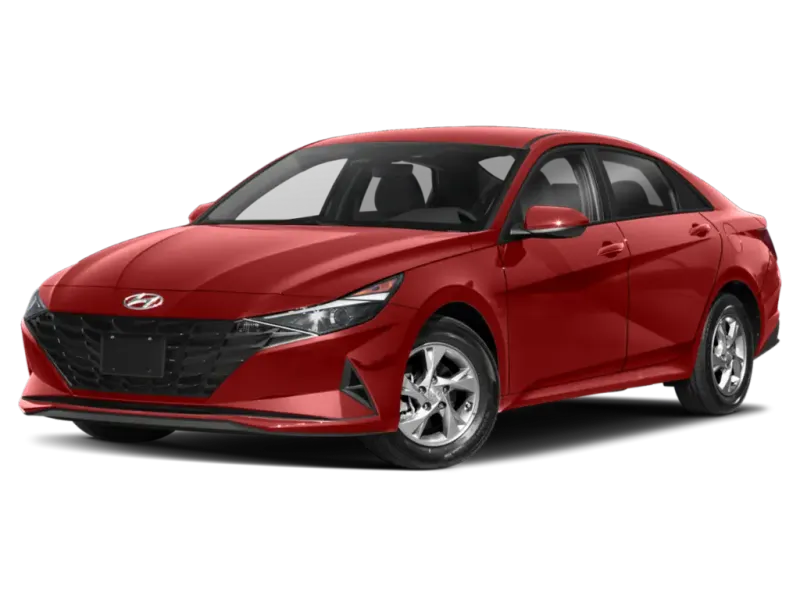
Hyundai Elantra
Score: 94/100
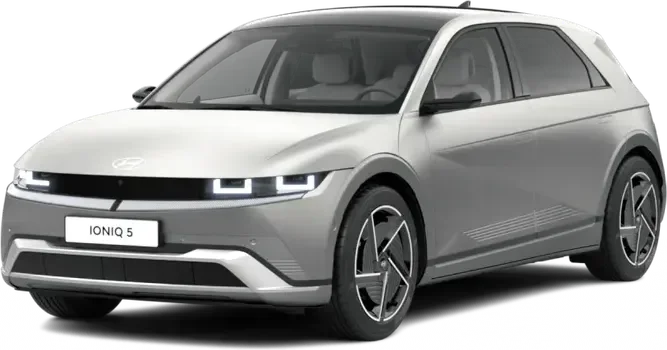
Hyundai Ioniq 5
Score: 63/100
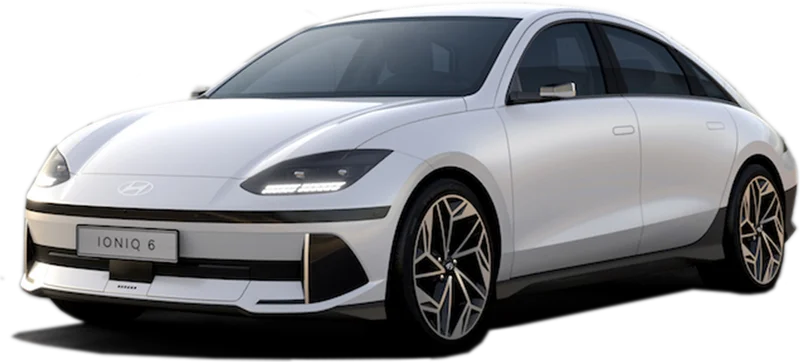
Hyundai Ioniq 6
Score: 82/100
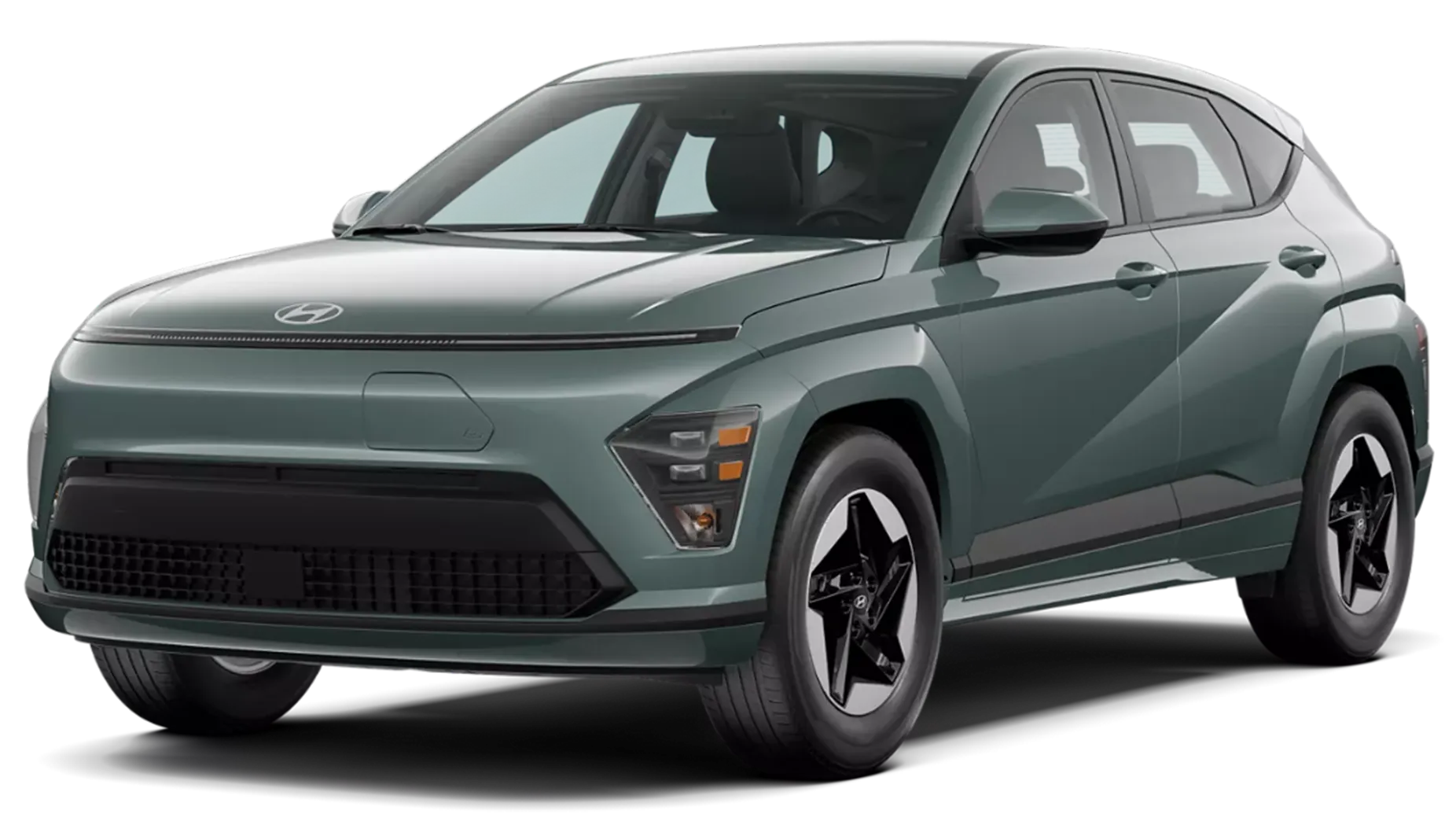
Hyundai Kona
Score: 67/100

Hyundai Palisade
Score: 72/100
Hyundai Santa Cruz
Score: 74/100
Browse More 2020 Vehicles
2020 Lexus RX
Score: 86/100

2020 Mazda CX-5
Score: 86/100
2020 Lexus UX
Score: 84/100
2020 Kia Sedona
Score: 83/100
2020 Lexus IS
Score: 83/100
2020 Dodge Grand Caravan
Score: 83/100
See incorrect data? Report an issue