Last updated: 2026-10-10
Hyundai Santa Cruz vs Toyota Tacoma: Reliability Compared
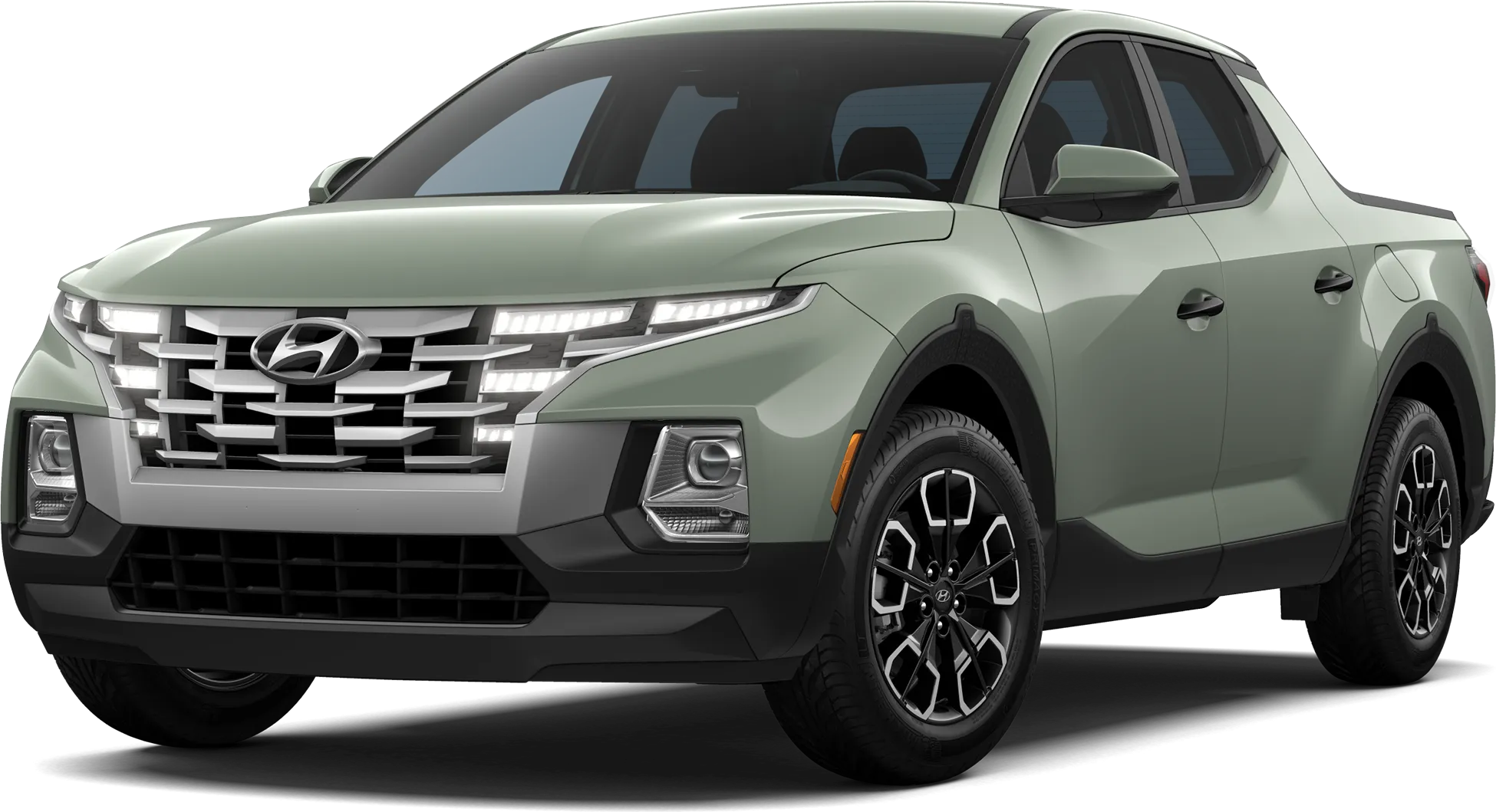
Hyundai Santa Cruz
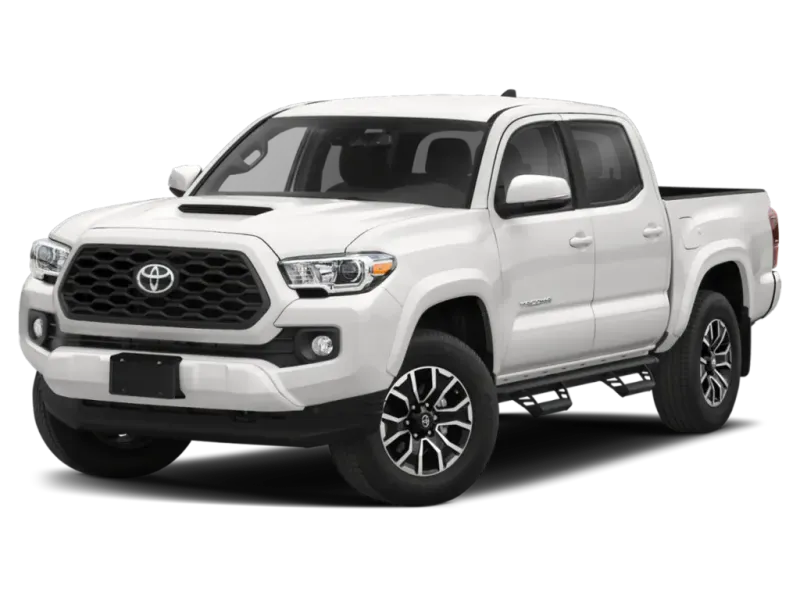
Toyota Tacoma
Edging ahead, the Hyundai Santa-Cruz beats the Toyota Tacoma on reliability by a small margin, thanks to fewer owner complaints per vehicle sold. The Tacoma has more recalls and a worrying brake record, but its longer history makes its costs easier to judge.
How Do the Hyundai Santa Cruz and Toyota Tacoma Generations Compare?
Verdict
The Hyundai Santa Cruz is more reliable than the Toyota Tacoma, scoring 68/100 vs 65/100.
A slight edge goes to the Santa-Cruz, and the Tacoma is close behind. Each stands as good. The deciding fact is the owner complaint rate: the Santa-Cruz draws fewer complaints per vehicle sold and has fewer recalls. The edge stays small because the Santa-Cruz has only a few model years on the road, and its main failure, sudden loss of power, is serious. The Tacoma has a much longer record, with brake and transmission complaints but also a modest repair bill.
Key Differences
- 1Hyundai Santa Cruz has 12 fewer total recalls
- 2Hyundai Santa Cruz has 9.9 fewer complaints per 10k sold
- 3Hyundai Santa Cruz scores 3 points higher in reliability
Category Scoreboard
Hyundai Santa Cruz vs Toyota Tacoma: Which Is More Reliable?
| Metric | Hyundai Santa Cruz | Toyota Tacoma |
|---|---|---|
| Reliability Score | 68/100 | 65/100 |
| Years Tracked | 5 | 9 |
| Total Recalls | 11 | 23 |
| Complaints per 10k Sold | 20.2 | 30.1 |
| Safety RatingNHTSA overall | 2026 NHTSA | 2026 NHTSA |
| Frontal | ||
| Side | ||
| Rollover | ||
| Year Wins | 2 | 3 |
What Are the Common Problems With the Hyundai Santa Cruz and Toyota Tacoma?
Brake trouble is the clearest split. The Tacoma's soft pedal that sinks toward the floor carries 13 crash-linked reports, and its transmission shudder, gear hunting, and fuel pump failures that stall the truck add to the list. The Santa-Cruz centers on one failure: power vanishing while merging, with limp mode or a transmission that stops shifting, sometimes ending in a replacement transmission. Fuel injector misfires add to that. Among its main problem areas, only the power train has crash-linked reports, two in all.
| Component | Hyundai Santa Cruz | Toyota Tacoma |
|---|---|---|
| POWER TRAIN | 8.1Above Avg | 5.8Average |
| SERVICE BRAKES | 0.3Very Low | 4.6Average |
| ELECTRICAL SYSTEM | 1.9Low | 2.4Low |
| FUEL/PROPULSION SYSTEM | 0.6Very Low | 3Low |
| ENGINE | 1.7Low | 1.7Low |
| UNKNOWN OR OTHER | 1.8Low | 1.5Low |
| FUEL SYSTEM | —None | 1.8Low |
| AIR BAGS | 0.5Very Low | 1.2Low |
| VEHICLE SPEED CONTROL | 0.6Very Low | 0.9Very Low |
| STEERING | 0.1Very Low | 1.3Low |
| STRUCTURE | 0.1Very Low | 1.2Low |
| FORWARD COLLISION AVOIDANCE | 0.8Very Low | 0.3Very Low |
| EXTERIOR LIGHTING | 0.8Very Low | —None |
| TRAILER HITCHES | 0.3Very Low | —None |
| VISIBILITY/WIPER | 0.1Very Low | 0.1Very Low |
| TIRES | —None | 0.2Very Low |
| SEATS | —None | 0.1Very Low |
| BACK OVER PREVENTION | —None | 0.1Very Low |
Complaints per 10,000 units sold, aggregated across all tracked model years from NHTSA owner reports.
How Does Hyundai Santa Cruz vs Toyota Tacoma Reliability Compare by Year?
| Year | Hyundai Santa Cruz | Toyota Tacoma | Edge |
|---|---|---|---|
| 2026 | 74/1002R / 0C | 82/1000R / 0C | Toyota Tacoma |
| 2025 | 72/1002R / 15C | 70/1004R / 33C | Hyundai Santa Cruz |
| 2024 | 71/1001R / 30C | 55/1004R / 126C | Hyundai Santa Cruz |
| 2023 | 64/1002R / 73C | 68/1004R / 42C | Toyota Tacoma |
| 2022 | 57/1004R / 171C | 67/1003R / 51C | Toyota Tacoma |
Best years to cross-shop: The 2024 Hyundai Santa Cruz scored 71/100 and the 2023 Toyota Tacoma scored 68/100 — the strongest shared model years that have been on the road for at least two years, where available.
Who Should Buy the Hyundai Santa Cruz vs the Toyota Tacoma?
Hyundai Santa Cruz vs Toyota Tacoma: Common Questions
- Is the Toyota Tacoma more reliable than the Hyundai Santa-Cruz?
- No, the Santa-Cruz has a slight edge. Both stand as good, but the Santa-Cruz has 20.2 complaints per 10,000 sold against 30.1 for the Tacoma. The gap is small, and the Santa-Cruz has far fewer years of history behind it.
- Which has more recalls, the Tacoma or the Santa-Cruz?
- The Tacoma has more. Federal recall records show 23 recalls across 9 model years for the Tacoma and 11 across 5 model years for the Santa-Cruz. The Tacoma has been on sale longer, so it has had more time to collect them.
- Which truck costs less to repair?
- A direct comparison isn't possible, because only the Tacoma has repair-cost data here. Independent data puts its annual repair cost at $478, with 0.3 unscheduled shop visits a year and a 17% chance that a repair is major.
- What is the biggest problem with the Hyundai Santa-Cruz?
- Sudden loss of power is the main one, often while merging onto a highway. Owners describe the transmission failing to shift, revs climbing with little speed, or limp mode. Dealers often cannot reproduce it, and several trucks got replacement transmissions.
- Which Tacoma and Santa-Cruz model years should I avoid?
- Avoid the 2018 and 2019 Tacoma, the weakest years for that truck. For the Santa-Cruz, avoid 2022 and 2023, its weakest. The 2025 and 2026 trucks score strongest, but they are new and have had less time to gather complaints.
Related Reliability Comparisons
More Hyundai Santa Cruz comparisons
Decided between Hyundai Santa Cruz and Toyota Tacoma? Run a VIN check before you buy — uncover hidden accidents, title issues, and open recalls.
How we score the Hyundai Santa Cruz and Toyota Tacoma
Scores weight complaint severity at 35%, repair costs at 30%, recall impact at 20%, and the spread of complaints across systems at 15%, with complaint counts adjusted for US sales. Read the full methodology.
See incorrect data? Report an issue